
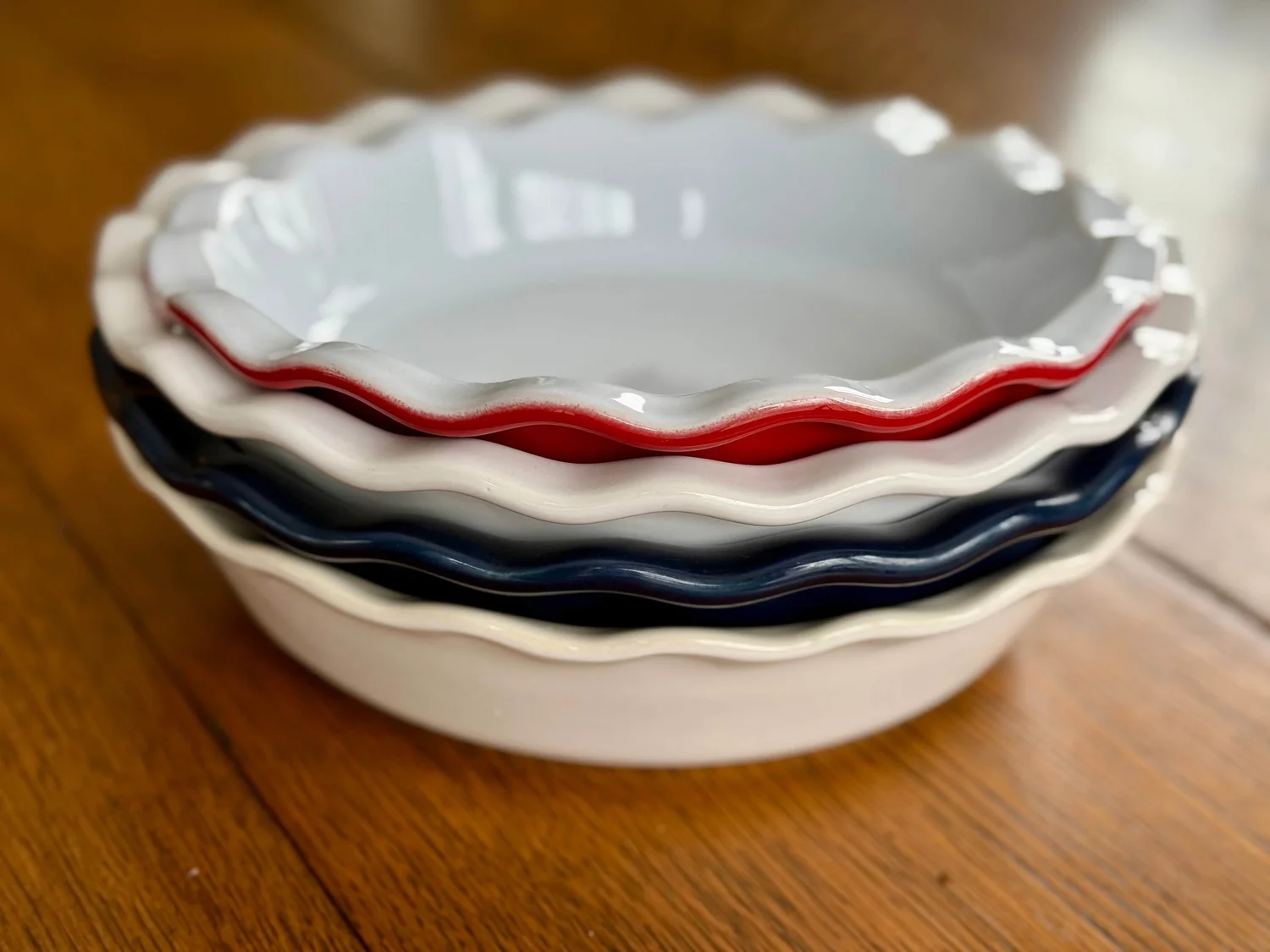
Are you ready to bake the perfect pie but unsure which pie dish size to use? Choosing the right size can make all the difference between a crust that’s golden and flaky or one that’s soggy and undercooked.
Your choice affects baking time, filling consistency, and even how your pie looks on the table. You’ll discover simple tips to pick the ideal pie dish size for every recipe. Keep reading to unlock secrets that will make your next pie a delicious success!
:max_bytes(150000):strip_icc()/sea-great-jones-sweetie-pie-ashia-aubourg-3-8f7b5c2d49b54b4bb68722089dcdaf24.jpeg)
Credit: www.seriouseats.com
Importance Of Pie Dish Size
Choosing the right pie dish size affects how your pie cooks. It also changes the pie’s shape and texture.
Using the wrong size can cause overcooked edges or a soggy center. Knowing your dish size helps you bake perfectly every time.
Even Cooking And Baking Time
Pie dish size changes how heat moves through the pie. A larger dish spreads the filling thin, so it cooks faster.
A smaller dish makes the filling thicker, which takes longer to bake. The right size keeps cooking even and prevents burning.
Pie Appearance And Portion Control
Size affects how your pie looks on the table. Bigger pies give more slices and serve more people.
Smaller dishes make thicker pies with fewer slices. Pick a size that fits how many will eat your pie.
Filling To Crust Ratio
The pie dish size changes the balance of filling and crust. A bigger dish means more crust and less filling per slice.
Smaller dishes keep the filling thick and the crust thin. Choose a size based on how much filling you want in each bite.
Adjusting Recipes For Dish Size
Pie recipes often match one dish size. Using a different size needs recipe changes to fit the dish.
You may need to add or reduce filling and change baking times. Knowing your dish size helps adjust recipes correctly.
Standard Pie Dish Sizes
Choosing the right pie dish size is important for baking success. It affects cooking time and the final look of your pie.
Pie dishes come in different sizes. Knowing the common sizes helps you pick the right one for your recipe.
Common Dimensions
Most pie dishes have a diameter between 8 and 10 inches. The depth can vary from shallow to deep.
- 8-inch dishes hold about 4 to 5 cups of filling
- 9-inch dishes are the most popular size for recipes
- 10-inch dishes hold more filling and make larger pies
- Deep-dish pies need deeper dishes, around 2 inches deep
Choosing the right size depends on how much filling you want and the type of pie you bake.
Material Considerations
Pie dishes come in many materials like glass, ceramic, metal, and silicone. Each one affects baking differently.
- Glass dishes heat evenly and let you see the crust browning
- Ceramic dishes hold heat well and keep pies warm longer
- Metal dishes heat quickly and produce crisp crusts
- Silicone dishes are flexible and easy to store
Pick a dish material that suits your baking style and pie type. This can improve your baking results.
Choosing Based On Recipe
Picking the right pie dish size depends on the recipe you want to bake. Each recipe calls for a specific dish size to get the best results.
Using the correct size helps the pie cook evenly and taste just right. It also prevents spills and undercooked fillings.
Adjusting For Filling Volume
The amount of filling in your recipe affects which pie dish size to use. A larger filling needs a bigger dish to hold it all.
If you use a dish that is too small, the filling might overflow while baking. A dish that is too big can make the pie too thin.
- Check the recipe’s filling volume before choosing a dish
- Use a deeper dish for thick or heavy fillings
- Choose a wider dish for thin or runny fillings
Impact On Baking Time
The size of your pie dish changes how long you need to bake the pie. Smaller dishes usually bake faster than larger ones.
Thicker pies in smaller dishes need more time to cook through. Thin pies in large dishes may bake quicker, but watch for burning.
- Use a timer and check your pie often
- Lower the temperature slightly for larger pies
- Cover edges with foil if they brown too fast
:max_bytes(150000):strip_icc()/sea-pie-pans-test-group-shot-ashia-aubourg-2-6af8e739a2f1462da8d5693e28ec7c22.jpeg)
Credit: www.seriouseats.com
Material And Its Impact
Choosing the right pie dish material affects how your pie bakes. Different materials change heat flow and crust texture.
Knowing the material’s impact helps you pick a dish that fits your baking style and desired results.
Glass Vs. Metal Vs. Ceramic
Glass pie dishes heat evenly and hold heat well. They help bake pies gently but take longer to heat up.
Metal dishes heat quickly and create a crisp crust. They cool down fast, which stops baking once removed from the oven.
Ceramic dishes heat slowly and keep heat for a long time. They give a nice even bake but need careful handling to avoid cracks.
- Glass:Even heat, slower to heat and cool
- Metal:Fast heating, crisp crust, fast cooling
- Ceramic:Slow heating, retains heat, fragile
Heat Conductivity Differences
Heat conductivity shows how fast a material moves heat to the pie. This affects baking speed and crust texture.
Metal conducts heat best, then glass, and ceramic last. Fast heat helps crust brown and become crispy quickly.
| Material | Heat Conductivity | Effect on Baking |
|---|---|---|
| Metal | High | Crispy crust, fast bake |
| Glass | Medium | Even baking, slower heat |
| Ceramic | Low | Slow heat, retains warmth |
Tips For Perfect Crust
Choosing the right pie dish size affects how your crust bakes. A perfect crust is crisp and golden.
Follow simple tips to avoid soggy bottoms and get even browning for a tasty pie.
Preventing Soggy Bottoms
Soggy crusts happen when moisture collects under the pie. Use these tips to keep it crisp.
- Preheat your oven before baking the pie.
- Use a metal or glass pie dish for better heat conduction.
- Brush the crust with egg wash to create a moisture barrier.
- Blind bake the crust by baking it without filling first.
- Place the pie on the lower oven rack to help the bottom cook well.
Achieving Even Browning
Even browning makes the pie look and taste better. Here is a quick table of baking tips.
| Tip | Description |
|---|---|
| Use Light-Colored Dishes | They prevent the crust from burning too fast. |
| Rotate the Pie | Turn the pie halfway through baking for even heat. |
| Check Oven Temperature | Use an oven thermometer to keep the right heat. |
| Cover Crust Edges | Use foil or a crust shield to stop edges from burning. |
Common Mistakes To Avoid
Choosing the right pie dish size is important for baking success. Many people make simple errors that ruin their pies.
Knowing what mistakes to avoid helps you bake a perfect pie every time. Let’s look at some common problems.
Overfilling Issues
Overfilling a pie dish can cause the filling to spill over during baking. This makes a mess and affects cooking times.
Too much filling also makes the pie crust soggy or undercooked. It is best to leave some space at the top.
- Fill the pie dish about two-thirds full
- Check the recipe’s recommended dish size
- Leave room for filling to expand while baking
- Use a deeper dish for thick fillings
Improper Pre-baking Techniques
Not preparing the pie dish properly can ruin your pie crust. Pre-baking or blind baking helps avoid soggy crusts.
Skipping pre-baking causes the crust to stay soft, especially with wet fillings. This affects the pie’s texture and taste.
- Use pie weights or dried beans to keep crust flat
- Pre-bake crust until light golden before adding filling
- Prick crust with a fork to prevent bubbles
- Follow recipe instructions for pre-baking times
Expert Recommendations
Choosing the right pie dish size is key to baking success. The size affects cooking time and pie texture.
Knowing which size to use helps you bake pies evenly and taste great every time.
Top Choices For Beginners
Beginners should start with common sizes. A 9-inch pie dish fits most recipes and is easy to find.
This size works well for fruit pies, custards, and quiches. It cooks evenly and is easy to handle.
- 9-inch round pie dish is standard and versatile
- Use glass or ceramic for even heat distribution
- Choose dishes with sloped sides for easy slicing
- Shallow dishes cook pies faster and have crisp crusts
Advanced Options For Experienced Bakers
Experienced bakers may try different sizes for special recipes. Large pies need bigger dishes, like 10 or 11 inches.
Deep-dish pie pans allow extra filling and thicker crusts. Metal pans give a crispier crust than glass.
- 10- or 11-inch pans for bigger pies and family servings
- Deep-dish pans for thick, hearty pies
- Metal pans heat fast and create a golden crust
- Removable-bottom pans help with delicate crusts
Credit: jennyblogs.com
Frequently Asked Questions
What Size Pie Dish Is Best For Standard Recipes?
A 9-inch pie dish is ideal for most standard pie recipes. It evenly cooks fillings and crusts. This size fits most ovens and serves 6 to 8 people, making it versatile for everyday baking.
How Does Dish Size Affect Baking Time?
Larger pie dishes usually require longer baking times. Smaller dishes cook faster due to less filling volume. Always adjust baking time based on dish size to avoid undercooked or burnt pies.
Can I Use Different Pie Dish Sizes Interchangeably?
Using different sizes changes pie thickness and cooking time. Adjust filling quantity and baking time to match the new dish size. This ensures proper texture and doneness without compromising taste.
What Materials Are Best For Pie Dishes?
Ceramic, glass, and metal are common materials. Ceramic and glass retain heat well for even baking. Metal heats quickly, offering crispier crusts. Choose based on your baking style and dish size.
Conclusion
Choosing the right pie dish size makes baking easier and more fun. It helps the pie cook evenly and taste better. Small dishes work well for personal pies. Larger dishes are great for family meals. Always match your recipe to the dish size.
This keeps the crust and filling balanced. A good choice means a perfect pie every time. Baking becomes simple and enjoyable with the right dish. Try different sizes to find what suits you best. Enjoy baking and sharing delicious pies with loved ones.