
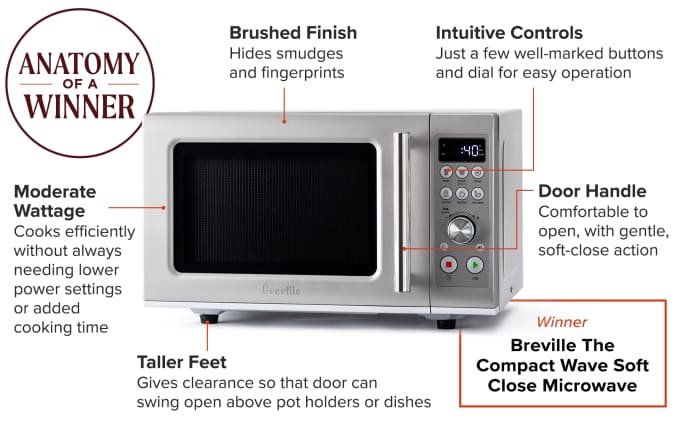
Choosing the right microwave oven size can make a huge difference in your kitchen. You want something that fits your space, meets your cooking needs, and saves you time.
But with so many options out there, how do you pick the perfect one? This guide will help you understand what size works best for you, so you never waste energy or counter space again. Keep reading to find the microwave that feels just right for your home and lifestyle.

Credit: www.consumerreports.org
Microwave Oven Types
Choosing the right microwave size depends on the type you select. Different types fit different kitchen spaces and needs.
Microwaves come in three main types. Each type offers unique features and sizes to consider.
Countertop Microwaves
Countertop microwaves sit on your kitchen counter. They are easy to move and install.
These models come in many sizes, from small to large. They are perfect for simple cooking tasks.
- Easy to install, no special setup needed
- Available in compact sizes for small kitchens
- Can be moved or replaced easily
Over-the-range Models
Over-the-range microwaves fit above your stove. They save counter space and add ventilation.
These models combine a microwave with a vent or fan. They often require professional installation.
- Free up counter space for other uses
- Include built-in exhaust fans or lights
- Good for kitchens with limited counter space
Built-in Options
Built-in microwaves fit into kitchen cabinets or walls. They create a clean, seamless look.
These microwaves require custom installation. They often come in larger sizes for more cooking space.
- Integrated into cabinetry for a sleek design
- Save counter and stove space
- Need professional installation and planning
Factors To Consider
Choosing the right microwave oven size is important for your kitchen. It affects your cooking experience and how well it fits your space.
Consider several factors before buying. This will help you pick a microwave that meets your needs.
Kitchen Space
Measure the area where you want to place the microwave. Check the width, height, and depth carefully.
- Allow space for ventilation around the microwave
- Think about countertop or built-in installation
- Consider if you need extra space for microwave accessories
Cooking Needs
Think about the types of food you often cook. Different meals may need different microwave sizes.
| Cooking Type | Recommended Microwave Size |
| Simple reheating and defrosting | Small (0.5 to 0.8 cu. ft.) |
| Cooking meals and baking | Medium (0.9 to 1.2 cu. ft.) |
| Large dishes or multiple servings | Large (1.3 cu. ft. or more) |
Family Size
The number of people in your household affects the microwave size you need.
Use this guide to pick the right size:
- 1-2 people: Small or compact microwave
- 3-4 people: Medium size microwave
- 5 or more people: Large microwave with more capacity
Standard Microwave Sizes
Microwave ovens come in various sizes to fit different kitchen spaces and cooking needs. Choosing the right size helps you cook efficiently without wasting space.
Standard sizes generally fall into three groups. Each group has its own benefits and typical uses.
Compact Models
Compact microwaves usually have a capacity under 1 cubic foot. They are perfect for small kitchens or dorm rooms. These models fit easily on countertops or small shelves.
- Capacity: 0.5 to 0.9 cubic feet
- Ideal for reheating and small meals
- Use less power and save energy
- Take up less counter space
Mid-size Options
Mid-size microwaves offer more space, usually between 1 and 1.5 cubic feet. They suit medium households and general cooking tasks well. These models fit most kitchen counters without crowding the area.
| Size Range | Capacity (Cubic Feet) | Typical Use |
| Compact | 0.5 – 0.9 | Light cooking, reheating |
| Mid-Size | 1.0 – 1.5 | Daily cooking, family meals |
| Full-Size | 1.6 and above | Large meals, heavy use |
Full-size Varieties
Full-size microwaves have a capacity of 1.6 cubic feet or more. They work well for big families or cooking large dishes. These models often have more power and features.
Advantages of full-size microwaves include:
- Cooking large plates or multiple dishes at once
- Higher wattage for faster cooking
- Extra features like grilling or convection

Credit: www.tataneu.com
Measuring For A Perfect Fit
Choosing the right microwave size is important for your kitchen. Measuring the space helps you avoid problems later.
Take careful measurements before buying. This ensures the microwave fits well and works safely.
Assessing Available Space
First, check the spot where you want to place the microwave. Measure the width, height, and depth.
Write down these numbers and compare them to the microwave’s size. Leave some extra room to avoid tight fits.
- Measure the shelf or countertop space
- Note any cabinets or walls nearby
- Allow at least 1 inch extra on all sides
Accounting For Ventilation
Microwaves need space for air to flow. This keeps the oven from overheating.
Check the manufacturer’s guide for ventilation space. Usually, you need extra space at the back and sides.
- Leave 3 inches behind the microwave
- Keep 1-2 inches at the sides
- Do not block vents with objects
Factoring In Door Clearance
The microwave door needs room to open fully. Measure the space in front of the microwave.
Make sure no cabinets or walls block the door. Check how the door swings to avoid damage.
- Measure door width and height
- Allow at least 15 inches clearance in front
- Confirm door swings freely without obstacles
Power And Capacity
Choosing the right microwave oven size means thinking about power and space. These factors affect cooking speed and food amount.
Understanding wattage and interior volume helps pick a microwave that fits your kitchen and meals.
Wattage Considerations
Wattage shows how strong a microwave is. Higher wattage cooks food faster and more evenly.
Most microwaves range from 600 to 1200 watts. Choose a wattage that fits your cooking needs.
- 600-800 watts: Good for simple heating and small meals
- 900-1000 watts: Cooks most foods well and fast
- 1100-1200 watts: Best for large meals and quick cooking
Interior Volume
Interior volume means the space inside the microwave. It is measured in cubic feet.
Pick a size that fits your plates and containers. Bigger volume is better for large dishes.
- Small (0.5-0.8 cu ft): Fits small plates and snacks
- Medium (0.9-1.4 cu ft): Good for families and bigger dishes
- Large (1.5+ cu ft): Best for big meals and large cookware
Style And Design
Choosing the right microwave oven size also means considering its style and design. The microwave should fit well in your kitchen’s look and feel.
Think about how the microwave’s appearance matches your cabinets, counters, and other appliances. This helps create a balanced and attractive kitchen space.
Color And Finish
Microwaves come in many colors and finishes. Picking the right one makes your kitchen look neat and stylish.
Common finishes include stainless steel, black, white, and sometimes bold colors. Each finish has its own look and care needs.
- Stainless steel:Modern and easy to clean, fits many kitchens
- Black:Sleek and hides fingerprints well
- White:Classic and brightens the space
- Bold colors:Add personality but may clash with other appliances
Control Panel Features
The control panel affects how you use your microwave every day. Choose one that matches your comfort and needs.
Some panels have touch buttons, while others use dials. Look for easy-to-read displays and simple controls to save time.
- Touch controls:Modern look and easy to clean
- Dial controls:Simple and durable
- Digital display:Shows cooking time and settings clearly
- Preset buttons:Quick options for common foods
Budgeting For Your Microwave
Buying a microwave means thinking about your budget first. You want a model that fits your needs and wallet.
Consider the price and what you get for that price. This helps you pick the right size and features.
Price Range Overview
Microwaves come in many price ranges. Basic models cost less but have fewer features.
- Budget models: usually under $70, good for simple tasks
- Mid-range models: $70 to $150, offer more power and settings
- High-end models: above $150, include advanced features and design
Long-term Investment
Think about how long your microwave will last. A better model may save money over time.
| Factor | Low-Cost Models | High-End Models |
| Price | Under $70 | Above $150 |
| Durability | 2-3 years | 5-7 years |
| Energy Efficiency | Basic | Advanced |
| Repair Costs | Often higher | Usually lower |
Credit: medium.com
Additional Features
Choosing the right microwave size is not just about space. Extra features can make cooking easier and faster. These features add value to your kitchen experience.
Look at options like convection functions and smart technology. These can help you decide the best microwave for your needs.
Convection Functions
Convection microwaves use a fan to circulate hot air. This helps food cook evenly and faster. It also lets you bake or roast food.
This feature is useful for those who want more than just reheating. You can cook pizzas, cakes, and meats easily.
- Even cooking with hot air circulation
- Can bake, roast, and grill
- Better for cooking larger meals
- Often replaces a traditional oven
Smart Technology Integration
Smart microwaves connect to Wi-Fi and apps. You can control cooking from your phone. This adds convenience to your kitchen tasks.
Some models include voice control or preset cooking modes. These features help you cook meals with less effort.
- Remote control via smartphone apps
- Voice assistant compatibility
- Preset cooking programs for easy use
- Automatic updates for better performance
Frequently Asked Questions
What Microwave Size Suits A Small Kitchen Best?
A compact microwave between 0. 5 to 0. 8 cubic feet fits small kitchens. It saves counter space and handles basic heating needs efficiently.
How To Choose Microwave Size For Large Families?
A microwave with 1. 5 to 2. 0 cubic feet capacity suits large families. It accommodates bigger dishes and allows faster cooking for multiple servings.
Does Microwave Size Affect Cooking Speed?
Yes, larger microwaves often have higher wattage, cooking food faster. However, size alone doesn’t guarantee speed; wattage and features matter too.
What’s The Ideal Microwave Size For Apartment Living?
For apartments, 0. 7 to 1. 0 cubic feet microwaves are ideal. They balance size and functionality without occupying much space.
Conclusion
Choosing the right microwave size saves space and fits your cooking needs. Small microwaves suit single users or small kitchens. Medium sizes work well for families or regular use. Large models handle big meals and bigger dishes easily. Think about your kitchen space and how you cook daily.
The perfect size makes cooking faster and easier. Take time to measure and compare before buying. This helps you avoid regrets and wasted money. A well-chosen microwave serves you well for years. Simple steps lead to smart kitchen choices.