
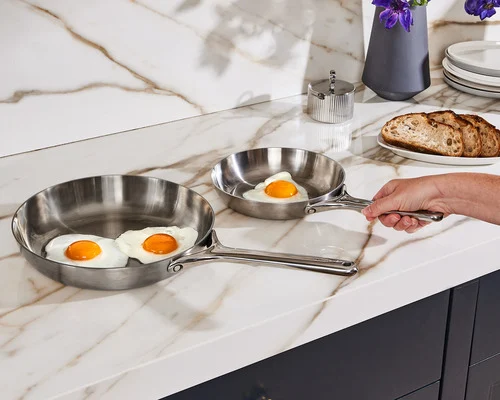
When it comes to making the perfect omelette, your frying pan plays a bigger role than you might think. Choosing the right pan can mean the difference between a fluffy, evenly cooked omelette and one that sticks, breaks, or cooks unevenly.
You want a pan that fits your cooking style, heats just right, and makes flipping easy. You’ll discover exactly what to look for so your omelettes turn out delicious every time. Keep reading to find the frying pan that will become your kitchen’s best friend.
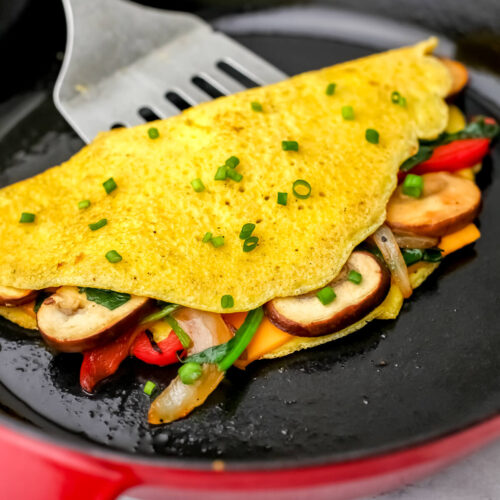
Credit: thehiddenveggies.com
Materials For Frying Pans
Choosing the right frying pan affects how well you cook your omelettes. Different materials have unique features. These affect heat distribution, stickiness, and cleaning.
Understanding the common materials helps you pick a pan that suits your cooking style and budget.
Nonstick Coatings
Nonstick pans have a smooth surface that stops eggs from sticking. They need less oil and clean easily. These pans heat up quickly but may wear out fast if scratched.
- Easy to clean
- Good for low-fat cooking
- Use soft utensils to avoid damage
- Not ideal for high heat
Stainless Steel Options
Stainless steel pans are strong and last long. They do not react with food, keeping flavors pure. These pans heat unevenly unless they have a layered base.
| Feature | Pros | Cons |
| Durability | Very durable | Can discolor over time |
| Heat | Retains heat well | Needs preheating |
| Cleaning | Dishwasher safe | Food may stick without oil |
Cast Iron Choices
Cast iron pans hold heat evenly and make a good crust on omelettes. They need seasoning to stay nonstick. These pans are heavy and require careful cleaning.
- Excellent heat retention
- Improves with use
- Heavy and bulky
- Must dry and oil after washing
Carbon Steel Alternatives
Carbon steel pans are similar to cast iron but lighter. They heat quickly and develop a nonstick surface with use. These pans need seasoning and careful cleaning.
- Lightweight compared to cast iron
- Good heat conduction
- Requires seasoning
- Not dishwasher safe
Size And Shape Considerations
Choosing the right frying pan size and shape is key for making good omelettes. The pan affects cooking time and ease of flipping.
Think about how many eggs you use and how you like your omelette cooked. These factors help decide the best pan size and shape.
Ideal Diameter For Omelettes
A frying pan between 8 and 10 inches works best for omelettes. This size lets you cook one or two eggs evenly.
A smaller pan may crowd the eggs. A larger pan can make the eggs too thin and hard to flip.
- 8-inch pan: Good for 1-2 eggs
- 9-inch pan: Fits 2-3 eggs well
- 10-inch pan: Ideal for 3 eggs or more
Flat Vs. Curved Sides
Flat sides help spread the eggs evenly. They make flipping the omelette easier without breaking it.
Curved sides allow for sliding the omelette out smoothly. They also help fold the omelette while cooking.
- Flat sides: Better for even cooking and flipping
- Curved sides: Help fold and slide omelettes
- Choose based on your cooking style
Handle Types And Comfort
Choosing the right frying pan handle is important for cooking omelettes comfortably. The handle type affects how easy it is to hold and control the pan.
A good handle keeps your hand safe and feels comfortable during use. Let’s explore key features to consider.
Heat Resistance
Heat resistance helps prevent burns while cooking. Some handles stay cool even on high heat, making cooking safer.
Materials like silicone or wood often resist heat better than metal handles. Look for handles that do not get hot quickly.
- Silicone handles stay cool and soft
- Wood handles provide natural heat protection
- Metal handles may need extra care or oven mitts
Grip And Ergonomics
Grip and ergonomics affect how well you hold the pan. A secure grip helps avoid spills and accidents.
Handles shaped to fit your hand feel more natural. Textured or non-slip surfaces improve control.
- Ergonomic handles reduce hand fatigue
- Textured grips prevent slipping
- Lightweight handles are easier to lift
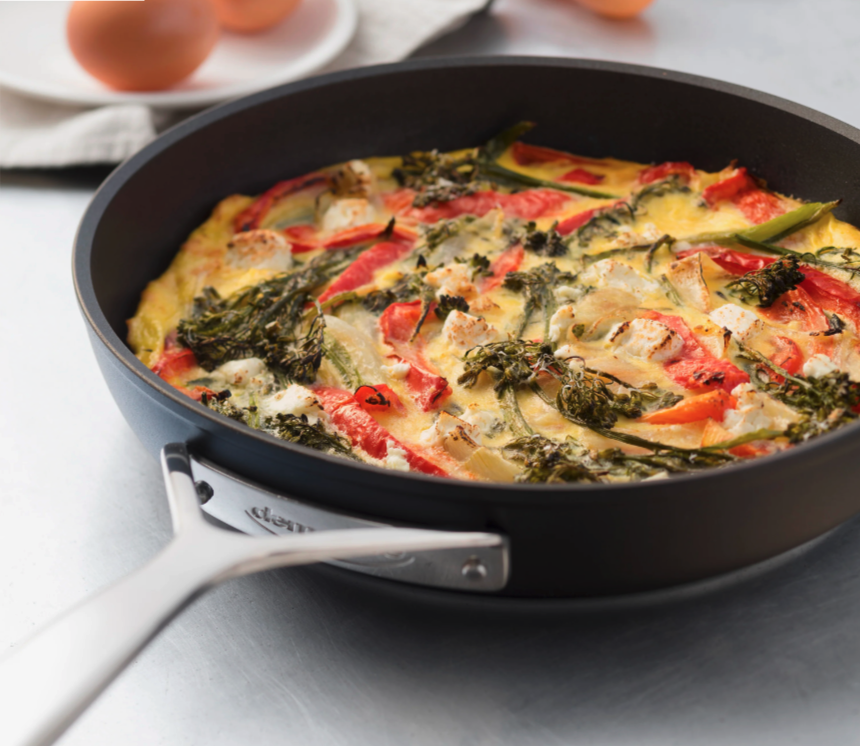
Credit: www.blackstonesboston.com
Heat Conductivity And Distribution
Choosing the right frying pan for omelettes means thinking about heat. Good heat conductivity helps the pan heat up quickly.
Even heat distribution is important so the omelette cooks evenly without hot spots.
Aluminum Advantages
Aluminum pans heat up fast because aluminum is a great heat conductor. This helps cook omelettes quickly and evenly.
They are also lightweight, making it easy to handle the pan while cooking.
- Fast heating saves cooking time
- Lightweight for easy flipping
- Even heat reduces burned spots
Copper Core Benefits
Copper cores give excellent heat control because copper spreads heat very evenly. This helps avoid hot spots on the pan.
They respond quickly to temperature changes, perfect for delicate cooking like omelettes.
- Superior heat distribution
- Quick temperature adjustment
- Better control for perfect cooking
Durability And Maintenance
Choosing the right frying pan for omelettes involves thinking about how long it will last. Durability ensures your pan stays useful through many meals.
Maintenance affects how easy it is to keep the pan clean and in good shape. Both durability and maintenance save time and money.
Scratch Resistance
A pan with good scratch resistance will not get damaged easily by metal utensils or cleaning tools. This keeps the cooking surface smooth and safe.
- Look for pans with hard coatings like ceramic or anodized aluminum.
- Avoid pans that scratch quickly, as they lose non-stick ability.
- Use wooden or silicone spatulas to protect the pan surface.
Ease Of Cleaning
Cleaning a pan after cooking omelettes should be quick and simple. Some materials need less effort and special care than others.
| Pan Material | Cleaning Tips | Maintenance Level |
| Non-stick | Use warm, soapy water and soft sponge | Low |
| Cast iron | Dry thoroughly and oil after washing | Medium |
| Stainless steel | Use mild detergent and scrub for stuck food | Medium |
| Ceramic | Clean gently with non-abrasive cloth | Low |
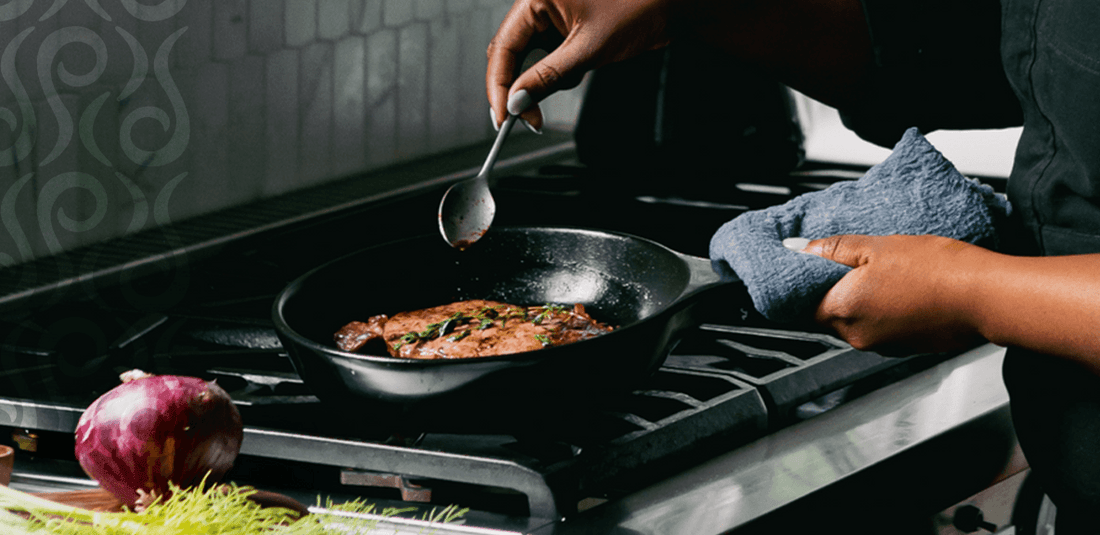
Credit: xtrema.com
Budget-friendly Options
Choosing the right frying pan for omelettes does not need to be expensive. Many affordable pans offer good quality and durability. It is important to find a pan that fits your budget and cooking needs.
Consider the material, size, and coating of the pan before buying. These factors affect how well your omelette cooks and how long the pan lasts.
Affordable Brands
Some brands provide good frying pans at lower prices. These brands offer non-stick pans that make cooking and cleaning easier. They also come in different sizes for omelettes of all kinds.
- T-fal: Known for non-stick pans with even heating
- GreenLife: Offers ceramic non-stick pans that are budget-friendly
- Utopia Kitchen: Affordable pans with solid construction
- Amazon Basics: Good quality at low prices
Long-term Investment Considerations
Think about how long you want the pan to last. Spending a little more upfront can save money in the long run. Durable pans resist scratches and warping.
| Factor | Why It Matters |
| Material | Stainless steel and hard-anodized aluminum last longer |
| Non-stick Coating | Prevents sticking and makes cleaning easier |
| Handle | Strong, heat-resistant handles improve safety |
| Price | Higher price often means better quality and durability |
Environmental And Health Impacts
Choosing the right frying pan affects both the environment and your health. Some materials are better for the planet and safer for cooking.
Understanding which pans are eco-friendly and safe helps you make smart choices for your kitchen and the earth.
Eco-friendly Materials
Eco-friendly frying pans use materials that cause less harm to the environment. These materials last longer and can be recycled.
Common eco-friendly materials include stainless steel, cast iron, and ceramic. They do not release harmful chemicals when heated.
- Stainless steel:Durable and recyclable, good for many cooking styles.
- Cast iron:Long-lasting and can be recycled, improves with use.
- Ceramic:Made from natural materials, breaks down safely after disposal.
Safety Of Nonstick Surfaces
Nonstick pans make cooking easy but may release chemicals if overheated. Some coatings contain harmful substances.
Look for nonstick pans free from PFOA and PFAS. These chemicals can affect your health and the environment.
- Choose nonstick pans labeled PFOA-free and PFAS-free.
- Avoid heating nonstick pans above recommended temperatures.
- Use wooden or silicone utensils to protect the surface.
Expert Tips For Perfect Omelettes
Choosing the right frying pan helps you cook better omelettes. The pan affects heat, texture, and ease of cooking.
Use proper techniques to get fluffy, well-cooked omelettes every time. Two key areas are preheating and folding.
Preheating Techniques
Preheat your pan to the correct temperature before adding eggs. This prevents sticking and uneven cooking.
- Heat the pan on medium for 1 to 2 minutes.
- Check heat by sprinkling a few drops of water; they should dance and evaporate quickly.
- Use a non-stick or well-seasoned pan for best results.
- Add a small amount of butter or oil once the pan is hot.
Folding And Flipping Methods
Careful folding and flipping keep the omelette intact and fluffy. Use gentle movements and the right tools.
| Method | Tip | Benefit |
| Folding | Use a spatula to fold from one edge to the center | Creates layers and traps steam for fluffiness |
| Flipping | Slide the omelette onto a plate, then flip back into the pan | Prevents breaking and cooks evenly on both sides |
Frequently Asked Questions
What Is The Best Material For An Omelette Frying Pan?
Non-stick pans are ideal for omelettes. They prevent sticking and require less oil. Aluminum or stainless steel pans with non-stick coating also work well.
What Size Frying Pan Is Perfect For Omelettes?
A 8 to 10-inch frying pan is best. It offers enough space to cook fluffy omelettes evenly. Smaller pans can make flipping difficult.
Should I Choose A Pan With A Flat Or Curved Edge?
Curved edges are better for omelettes. They allow easy folding and sliding onto plates. Flat edges can cause omelettes to break while flipping.
How Important Is Pan Weight In Choosing For Omelettes?
Light to medium-weight pans are preferable. They heat quickly and are easy to maneuver. Heavy pans can be hard to handle and slow to heat.
Conclusion
Choosing the right frying pan makes cooking omelettes simple and fun. A good pan helps eggs cook evenly and slide out easily. Consider size, material, and non-stick features for best results. A pan that fits your stove and cooking style saves time.
With the right pan, your omelettes will turn out tasty every time. Enjoy cooking and try different pans to find your favorite. Simple steps lead to better breakfast moments.