
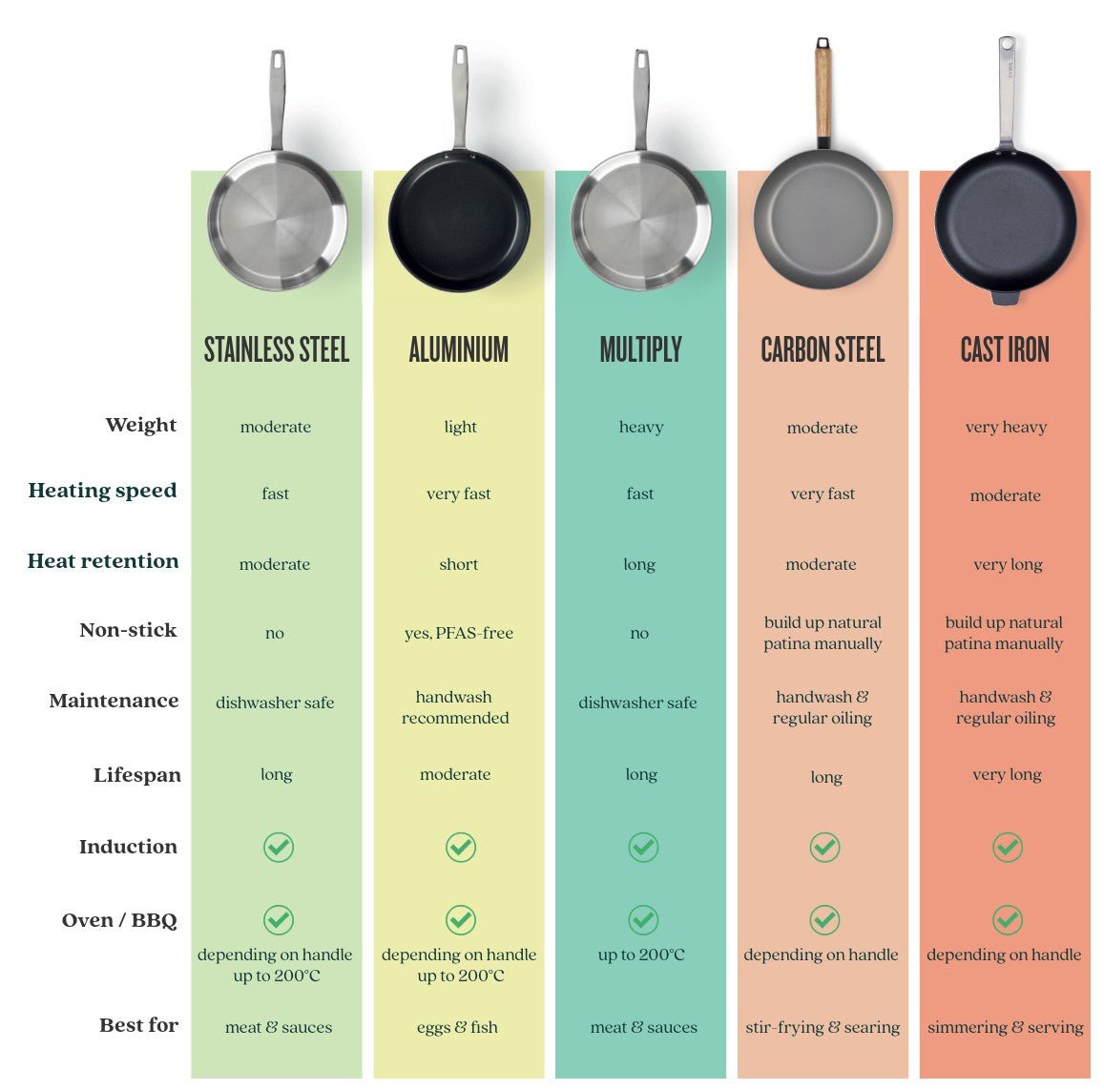
When it comes to cooking eggs, the right frying pan can make all the difference. You want your eggs to slide out easily, cook evenly, and taste just right every time.
But with so many options out there, how do you pick the perfect pan for your kitchen? This guide will help you understand what to look for, so you can enjoy flawless eggs without the frustration. Keep reading to discover the secrets to choosing a frying pan that suits your cooking style and makes breakfast your favorite meal.

Credit: www.youtube.com
Types Of Frying Pans
Choosing the right frying pan is important for cooking eggs well. Different pans offer various benefits and challenges.
Understanding the types of frying pans helps you pick one that fits your cooking style and needs.
Non-stick Pans
Non-stick pans have a special coating that stops eggs from sticking. They make cooking and cleaning easier.
These pans need low to medium heat to protect the coating. Use plastic or wooden utensils to avoid damage.
Cast Iron Skillets
Cast iron skillets heat evenly and keep heat for a long time. They can give eggs a nice, crispy edge.
These pans require seasoning to keep their surface smooth. They are heavy but very durable.
- Good heat retention
- Needs regular seasoning
- Can last for many years
- Heavy and sturdy
Stainless Steel Options
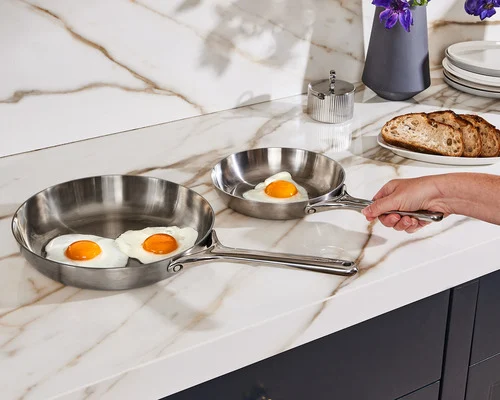
Stainless steel pans are strong and do not react with food. They can brown eggs well but may stick if not used properly.
Preheating the pan and using enough oil helps prevent sticking. They are easy to clean and dishwasher safe.
Copper Alternatives
Copper pans heat up quickly and give precise temperature control. They respond fast to changes in heat.
These pans usually have a lining inside to stop copper from touching food. They need careful maintenance to stay shiny.
Pan Size And Shape
Choosing the right frying pan size and shape helps cook eggs evenly. It makes flipping and serving easier.
A pan too big or too small can ruin your eggs. Knowing the right size and edge shape improves your cooking.
Ideal Diameter For Eggs
A frying pan around 8 to 10 inches wide is best for eggs. It gives enough space without crowding the eggs.
This size fits one to four eggs easily. It heats evenly and helps avoid burning or undercooking.
- Small pans (6 inches) fit one egg, good for quick meals
- Medium pans (8-10 inches) suit most cooking needs
- Large pans (12 inches or more) are for cooking many eggs or other foods
Flat Vs. Curved Edges
Flat edges make it easy to flip eggs with a spatula. They give more space to slide under the eggs.
Curved edges help with stirring and tossing food. They work well if you cook eggs with other ingredients.
- Flat edges: best for fried or sunny-side-up eggs
- Curved edges: good for scrambled eggs or omelets
- Choose edge shape based on your cooking style
Material Considerations
Choosing the right frying pan for eggs depends on the material it is made from. The material affects cooking performance and ease of use.
Each type of material has different qualities, such as heat conductivity and durability. These qualities impact your cooking experience.
Heat Conductivity
Heat conductivity means how well the pan spreads heat. Good conductivity helps cook eggs evenly without hot spots.
Materials like copper and aluminum have high heat conductivity. Cast iron heats slower but keeps heat longer.
- Copper: very fast and even heat
- Aluminum: heats quickly and evenly
- Cast iron: slow to heat but holds heat well
- Stainless steel: slower heat transfer
Durability And Maintenance
Durability means how long the pan lasts without damage. Some materials need more care to stay in good shape.
Cast iron is very durable but needs seasoning. Non-stick pans are easy to clean but can scratch easily.
- Cast iron: lasts long but requires seasoning
- Non-stick: easy cleaning, avoid metal utensils
- Stainless steel: strong and dishwasher safe
- Aluminum: can dent or warp over time
Weight And Handling
Weight affects how easy the pan is to handle. Heavy pans may be hard to lift, especially when full of food.
Cast iron pans are heavy but stable. Aluminum and non-stick pans are lighter and easier to move.
- Cast iron: heavy, good for steady cooking
- Aluminum: light, easy to handle
- Non-stick: usually lightweight and user-friendly
- Stainless steel: medium weight, sturdy feel
Coating And Surface
The right frying pan affects how eggs cook and taste. The pan’s surface and coating matter a lot. They help prevent sticking and make cleaning easier.
Choosing the right coating also changes how eggs look and feel after cooking. Let’s explore some popular types.
Non-stick Coatings
Non-stick pans have a smooth coating that stops eggs from sticking. They heat evenly and need less oil or butter.
- Easy to clean after cooking
- Good for low-fat cooking
- Coating can wear out over time
- Use only soft utensils to avoid scratches
Ceramic Surfaces
Ceramic pans use a natural, non-stick surface without chemicals. They are safe and can handle higher heat than some non-stick pans.
| Feature | Benefit | Consideration |
| Natural coating | Free from PTFE and PFOA | May lose non-stick quality faster |
| Heat tolerance | Works well at medium-high heat | Not for very high heat cooking |
| Cleaning | Usually dishwasher safe | Hand wash recommended for longer life |
Seasoned Cast Iron
Cast iron pans develop a natural non-stick layer called seasoning. This surface improves with use and careful care.
- Very durable and long-lasting
- Provides even heat distribution
- Needs regular oiling to keep seasoning
- Can add flavor to eggs over time
Heat Distribution
Heat distribution is very important when cooking eggs. A pan that spreads heat well cooks eggs evenly. This stops some parts from burning while others stay raw.
Choosing a frying pan with good heat distribution helps make perfect eggs every time. Let’s look at how this affects cooking.
Even Cooking
When heat spreads evenly, eggs cook at the same rate. This means the whole egg gets the right temperature.
Even cooking prevents some parts from overcooking or undercooking. This makes eggs softer and tastier.
Hot Spots And Their Impact
Hot spots are areas on the pan that get hotter than others. They cause uneven cooking of eggs.
Eggs on hot spots cook too fast and can burn. Eggs in cooler areas stay raw or cook slowly.
- Hot spots create burnt edges on eggs
- Uneven texture makes eggs less enjoyable
- More attention is needed to avoid burning
- Some pans have metal layers to reduce hot spots
Handle Design
The handle design of a frying pan affects how easy it is to cook eggs. A good handle gives you control and comfort. It also keeps your hand safe from heat.
Choosing the right handle can make cooking eggs smoother and safer. Let’s look at two important features of frying pan handles.
Comfort And Grip
A comfortable handle helps you hold the pan steady. A good grip stops the pan from slipping, even if your hands are wet or oily.
- Look for handles with soft, non-slip materials like silicone or rubber.
- Check if the handle fits well in your hand size.
- Handles with a slight curve or textured surface improve grip.
- Long handles give better balance and control when flipping eggs.
Heat Resistance
A heat-resistant handle keeps your hand safe while cooking. It stops burns and lets you move the pan easily.
| Handle Material | Heat Resistance | Cleaning Ease |
| Stainless Steel | Moderate | Easy |
| Silicone | High | Easy |
| Wood | Low | Needs Care |
| Plastic | Moderate | Easy |
Compatibility With Cooking Surfaces
Choosing the right frying pan for eggs depends on the cooking surface you use. Different pans work better on certain stoves.
Knowing which pans fit your cooking surface helps you cook eggs evenly and avoid damage.
Induction Vs. Gas
Induction cooktops need pans with magnetic bottoms. Cast iron and stainless steel pans work well.
Gas stoves heat pans from the flame. Most pans work, but lightweight pans may warp from high heat.
- Induction: Use magnetic pans like cast iron or stainless steel
- Gas: Use heavy pans that withstand direct flame heat
- Nonstick pans may work on both but check the base material
Oven-safe Options
Some frying pans can go from stove to oven. This helps finish cooking eggs under heat.
Look for pans with oven-safe handles and materials like stainless steel or cast iron.
- Cast iron pans are usually oven safe
- Stainless steel pans often handle oven heat
- Check if nonstick pans have temperature limits
- Avoid pans with plastic handles for oven use
Budget Considerations
Choosing the right frying pan for eggs depends on your budget. You can find good options at low prices or invest in lasting pieces.
Knowing your budget helps you pick a pan that meets your needs without spending too much.
Affordable Choices
Affordable pans often use non-stick coatings. They heat quickly and clean easily. These pans work well for daily egg cooking.
Look for pans with aluminum bases. They offer good heat distribution at a lower price.
- Non-stick surface for easy cooking
- Lightweight and easy to handle
- Usually dishwasher safe
- May wear out faster than expensive pans
Investment Pieces
Investment pans cost more but last longer. Materials like stainless steel and cast iron are common choices.
These pans improve with use and offer excellent heat control. They can be a good buy if you cook eggs often.
- Durable materials like cast iron or stainless steel
- Better heat retention and even cooking
- Require more care and seasoning
- Can last for many years
Expert Cooking Tips
Choosing the right frying pan is important for cooking perfect eggs. The pan affects heat and how eggs cook.
These tips help you use your frying pan well and get tasty eggs every time.
Preheating Techniques
Preheat your frying pan before adding eggs. This helps eggs cook evenly and prevents sticking.
Heat the pan on medium for a few minutes. Test the heat by sprinkling a few drops of water. If they dance, the pan is ready.
- Use medium heat to avoid burning
- Wait until the pan feels warm
- Use a drop of water to check temperature
Egg Cooking Methods
Different eggs need different cooking styles. Use the right pan and heat for each style.
For fried eggs, use a non-stick pan and cook on low heat. For scrambled eggs, stir gently and cook slowly.
- Fried eggs: low heat, non-stick pan, cook until whites set
- Scrambled eggs: medium-low heat, stir often, cook until creamy
- Omelets: medium heat, use a good-sized pan, fold carefully
Cleaning And Care
Proper cleaning keeps your frying pan in good shape. Clean it after every use.
Use warm water and a soft sponge. Avoid harsh scrubbing that can damage the pan’s surface.
- Wash with warm, soapy water
- Use a soft sponge or cloth
- Dry the pan completely before storing
- Season cast iron pans regularly to keep them non-stick
Credit: shopping.yahoo.com
Credit: www.carawayhome.com
Frequently Asked Questions
What Is The Best Frying Pan For Cooking Eggs?
Non-stick frying pans are ideal for eggs. They prevent sticking and allow easy flipping. Choose pans with a smooth surface for even cooking. Lightweight pans heat quickly and offer better control.
How Does Pan Material Affect Egg Cooking?
Material affects heat distribution and stickiness. Stainless steel pans may cause eggs to stick. Cast iron retains heat well but needs seasoning. Non-stick coatings make egg cooking easier and cleanup faster.
Can I Use A Stainless Steel Pan For Eggs?
Yes, but use enough oil or butter to prevent sticking. Preheat the pan properly for even cooking. Stainless steel pans require careful temperature control for perfect eggs.
Why Choose A Non-stick Pan For Eggs?
Non-stick pans reduce the need for excess oil or butter. They make flipping eggs simple and keep them intact. Cleanup is easier, saving time and effort after cooking.
Conclusion
Choosing the right frying pan makes cooking eggs easier and more fun. A good pan cooks eggs evenly without sticking. Consider size, material, and coating before buying. A non-stick pan works best for beginners. Cast iron pans last long and add flavor.
Remember, a proper pan saves time and effort. Enjoy perfect eggs every time with the right choice. Simple steps lead to better breakfast moments. Your kitchen deserves the best tools for tasty meals.