

Cross-contamination can quietly ruin your health and the safety of your food. You might not even realize when it’s happening in your kitchen or workplace.
But what if you could easily stop it before it starts? Imagine keeping your meals safe, your family healthy, and your peace of mind intact. You’ll discover the best ways to prevent cross-contamination with simple, practical steps you can use every day.
Keep reading—your health depends on it.
Understanding Cross-contamination
Cross-contamination happens when harmful germs spread from one food to another. This can cause food poisoning and other health problems.
Knowing how cross-contamination occurs helps keep food safe and people healthy.
What Causes Cross-contamination?
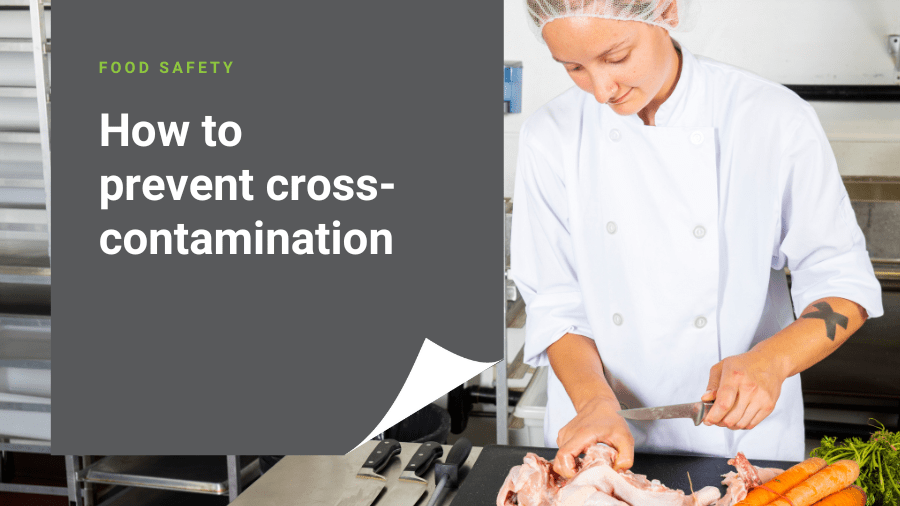
Cross-contamination happens when bacteria or viruses move from one surface or food to another. It often occurs through raw meat, unwashed hands, or dirty utensils.
- Raw meat touching cooked food
- Using the same cutting board for different foods
- Not washing hands after handling raw food
- Using dirty kitchen tools
Why Is Cross-contamination Dangerous?
Cross-contamination spreads germs that can cause foodborne illnesses. These illnesses can make people sick with symptoms like stomach pain, vomiting, and diarrhea.
People with weak immune systems, children, and older adults are at higher risk of serious illness.
Common Sources Of Cross-contamination
Many everyday kitchen items can carry germs. Knowing these sources helps prevent contamination.
- Raw poultry, meat, and seafood
- Cutting boards and knives
- Hands and clothing
- Kitchen sponges and towels
- Unwashed fruits and vegetables
How To Identify Cross-contamination Risks
Look for places where raw and cooked foods mix. Check if tools and surfaces are cleaned properly between uses.
- Are raw meats stored above cooked foods in the fridge?
- Are cutting boards used for both raw and ready-to-eat foods?
- Do hands get washed after handling raw items?
- Are kitchen tools cleaned between tasks?
Credit: solpak.ca
Common Sources
Cross-contamination happens when harmful bacteria spread from one place to another. It can cause food poisoning and illness.
Knowing where contamination starts helps keep food safe. Some common sources are raw foods, kitchen surfaces, utensils, and personal hygiene.
Raw Foods
Raw foods like meat, poultry, and seafood carry bacteria. These bacteria can spread to other foods if not handled properly.
Always keep raw foods separate from cooked or ready-to-eat foods to stop germs from spreading.
- Store raw meat on the bottom shelf in the fridge
- Use separate cutting boards for raw and cooked foods
- Wash hands after touching raw foods
Kitchen Surfaces
Countertops, sinks, and tables can hold bacteria. They get contaminated when raw foods touch them.
Clean and sanitize surfaces often to prevent bacteria from spreading to other foods.
- Use hot, soapy water to clean surfaces
- Sanitize with bleach or food-safe cleaners
- Clean spills immediately
Cooking Utensils
Knives, spoons, and other utensils can transfer bacteria if used on raw and cooked foods without cleaning.
Always wash utensils well after contact with raw foods. Use different tools for raw and cooked foods if possible.
- Use separate knives for raw meat and vegetables
- Wash utensils in hot, soapy water after use
- Do not reuse utensils without cleaning
Personal Hygiene
People can spread germs through hands, clothes, and hair. Poor hygiene increases the risk of contamination.
Wash hands often, keep nails clean, and wear clean clothes when cooking to reduce germs.
- Wash hands before and after handling food
- Use gloves if you have cuts on hands
- Keep hair tied back or covered
Safe Food Handling
Safe food handling helps stop germs from spreading. It keeps food fresh and healthy to eat.
Cross-contamination happens when harmful germs move from one food to another. We can prevent this by using good habits in the kitchen.
Washing Hands
Washing your hands is the first step to stop germs. Always wash hands before and after handling food.
Use warm water and soap. Rub your hands for at least 20 seconds. Dry with a clean towel or air dryer.
- Wet hands with water
- Apply soap and lather well
- Scrub all parts of your hands
- Rinse under clean water
- Dry with a clean towel or air dry
Using Separate Cutting Boards
Use different cutting boards for raw meat, vegetables, and cooked food. This prevents germs from spreading.
Color-coded boards make it easier to remember. Clean boards well after each use with hot, soapy water.
- Red board for raw meat
- Green board for vegetables
- Blue board for cooked food
- Wash boards after every use
Proper Storage Techniques
Store raw food below cooked food in the fridge. This stops juices from dripping and causing contamination.
Use airtight containers and label food with dates. Keep your fridge clean and at the right temperature below 40°F (4°C).
- Place raw meat on the bottom shelf
- Store cooked food on higher shelves
- Use sealed containers
- Label food with the date
- Keep fridge temperature below 40°F (4°C)
Kitchen Cleaning Protocols
Keeping your kitchen clean is very important to stop germs from spreading. Cross-contamination happens when harmful bacteria move from one surface to another.
Following strict kitchen cleaning protocols helps keep food safe and your family healthy.
Regular Sanitization
Sanitizing kitchen surfaces regularly removes bacteria and viruses. It lowers the chance of germs spreading between foods.
Sanitize countertops, cutting boards, and sinks after each use. Pay special attention to areas where raw meat was handled.
- Use sanitizing sprays or wipes approved for kitchens
- Sanitize at least twice a day in busy kitchens
- Allow surfaces to air dry after sanitizing
Effective Cleaning Agents
Choose the right cleaning agents to kill germs effectively. Not all cleaners remove bacteria well.
Use agents that are safe for food contact surfaces and follow the instructions on the label.
- Use bleach solutions diluted properly for strong disinfection
- Use soap and hot water to remove grease and dirt
- Choose non-toxic cleaners for frequent use
Maintaining Clean Appliances
Appliances can hold food residues and germs if not cleaned often. Dirty appliances increase cross-contamination risks.
Clean refrigerators, ovens, and mixers regularly. Remove crumbs, spills, and stains to stop bacteria growth.
- Wipe appliance handles and buttons daily
- Clean inside refrigerators monthly
- Defrost and clean freezers to avoid ice build-up
Cooking Practices
Cross-contamination happens when harmful bacteria spread during cooking. Good cooking habits can stop this. Following safe cooking practices keeps food safe and healthy.
Use clean tools and cook foods properly. These steps help prevent illness from unsafe food handling.
Safe Cooking Temperatures
Cooking food to the right temperature kills bacteria. Use a food thermometer to check the heat. Different foods need different temperatures to be safe.
- Chicken and poultry: 165°F (74°C)
- Ground meats: 160°F (71°C)
- Beef, pork, lamb (steaks or roasts): 145°F (63°C) with rest time
- Fish and shellfish: 145°F (63°C)
Avoiding Cross-contact
Cross-contact means allergens or germs move from one food to another. Use separate cutting boards and utensils for raw and cooked foods. Wash hands and surfaces often.
- Keep raw meat away from vegetables
- Use different plates for raw and cooked food
- Clean knives and boards after each use
- Wash hands before and after handling food
Proper Thawing Methods
Thaw food safely to stop bacteria growth. Do not leave food out at room temperature. Use safe methods to defrost food before cooking.
- Thaw in the refrigerator
- Use cold water in a sealed bag, change water every 30 minutes
- Microwave thawing, cook immediately after
Credit: medium.com
Food Storage Guidelines
Proper food storage helps keep food safe and fresh. It stops germs from spreading.
Following clear rules can prevent cross-contamination in your kitchen.
Labeling And Dating
Always label and date food containers. This helps you use food before it goes bad.
Labeling shows what is inside and when it was stored. It keeps food organized.
- Write the date food was stored
- Include the name of the food
- Use clear labels that are easy to read
- Throw away food past its use-by date
Temperature Control
Keep food at the right temperature to stop bacteria from growing. Cold foods stay fresh in the fridge.
Hot foods should be cooled quickly and stored properly. Use a thermometer to check temperatures.
- Store cold food below 40°F (4°C)
- Keep hot food above 140°F (60°C)
- Check fridge and freezer temperatures daily
- Cool cooked food before placing it in the fridge
Avoiding Overcrowding
Do not overcrowd storage areas. Air must circulate to keep food at safe temperatures.
Overcrowding can cause uneven cooling or warming. This raises the risk of spoilage and germs.
- Leave space between food containers
- Use shelves to separate different foods
- Do not stack items too high
- Check storage areas often for clutter
Personal Hygiene Practices
Keeping clean is very important to stop germs from spreading. Good hygiene helps prevent cross-contamination.
Simple habits like washing hands and not touching your face protect you and others from germs.
Hand Washing Techniques
Washing hands often stops germs from moving to food or surfaces. Use soap and clean water each time.
- Wet hands with clean water
- Apply enough soap to cover all hand surfaces
- Rub hands palm to palm and between fingers for 20 seconds
- Clean under nails and backs of hands
- Rinse hands well with water
- Dry with a clean towel or air dry
Use Of Gloves
Gloves protect hands from germs but do not replace hand washing. Change gloves often to keep clean.
- Put on gloves before handling food or waste
- Use gloves only once and throw them away after use
- Change gloves if they get torn or dirty
- Wash hands before putting on new gloves
Avoiding Touching Face
Touching your face moves germs from hands to mouth, nose, or eyes. This can cause illness.
Try to keep your hands away from your face while working or after touching surfaces.
Training And Education
Preventing cross-contamination is important in food safety. Training and education help staff understand how to avoid it.
Good training teaches proper hygiene and cleaning practices. It builds a strong safety culture in the workplace.
Staff Training Programs
Staff training programs provide basic knowledge on food safety rules. They explain how germs spread from one surface to another.
Regular training helps workers remember key steps to keep food safe. This lowers the chance of cross-contamination.
- Teach handwashing techniques
- Show proper use of gloves
- Explain cleaning and sanitizing tools
- Train on separating raw and cooked foods
Continuous Education
Continuous education keeps staff up to date on food safety. It shares new rules and best practices to follow.
Ongoing learning helps prevent carelessness. It reminds workers why cross-contamination is dangerous.
- Hold refresher courses regularly
- Use videos and quizzes for engagement
- Update training materials often
- Encourage questions and discussions
Promoting Awareness
Promoting awareness means keeping safety top of mind. Visual aids and reminders help staff stay alert every day.
Clear signs and labels guide workers to follow safe steps. This lowers mistakes that cause contamination.
- Post handwashing posters
- Label areas for raw and cooked food
- Use color-coded cutting boards
- Display safety checklists
Utilizing Technology
Technology helps stop cross-contamination in kitchens. It makes food safety easier to manage and check.
Using smart tools and systems keeps food clean and safe for everyone.
Innovative Kitchen Gadgets
New kitchen gadgets help reduce the risk of cross-contamination. These tools are designed to keep raw and cooked foods separate.
Examples include color-coded utensils and smart cutting boards that detect bacteria.
- Color-coded knives and boards for different food types
- Touchless soap dispensers to avoid germ spread
- UV light sanitizers for cleaning kitchen surfaces
- Smart thermometers that alert unsafe food temperatures
Digital Monitoring Systems
Digital monitoring systems track food safety in real time. They watch temperature, humidity, and cleanliness to prevent contamination.
These systems send alerts if something is wrong, so staff can fix it quickly.
- Temperature sensors in refrigerators and freezers
- Humidity monitors to keep food fresh
- Automated cleaning schedules and logs
- Real-time alerts for unsafe conditions
Apps For Safety Management
Safety management apps help kitchens follow food safety rules. They guide staff through cleaning and food handling steps.
Apps record data and create reports to make sure standards stay high.
- Checklists for cleaning and food prep tasks
- Temperature logging tools
- Staff training and reminders
- Incident reporting and tracking
Credit: pavithrakrishnaprasad.medium.com
Frequently Asked Questions
What Is Cross-contamination And Why Is It Dangerous?
Cross-contamination occurs when harmful bacteria transfer between foods or surfaces. It can cause foodborne illnesses. Preventing it ensures food safety and reduces health risks.
How Can I Avoid Cross-contamination In My Kitchen?
Always wash hands before handling food. Use separate cutting boards for raw meat and vegetables. Clean surfaces and utensils thoroughly after use.
Which Foods Are Most Likely To Cause Cross-contamination?
Raw meat, poultry, seafood, and eggs are common sources. They contain bacteria that can spread to ready-to-eat foods if not handled properly.
What Cleaning Practices Prevent Cross-contamination Effectively?
Use hot, soapy water to clean surfaces and utensils. Sanitize cutting boards and countertops regularly. Replace sponges and cloths often to avoid bacterial buildup.
Conclusion
Preventing cross-contamination keeps food safe and healthy. Always wash hands before and after handling food. Use separate cutting boards for raw meat and vegetables. Clean surfaces and utensils regularly to avoid germs. Store food properly to stop bacteria from spreading.
Simple steps like these protect your family’s health. Stay careful in the kitchen and reduce risks. Good habits create a safer cooking environment every day. Small actions make a big difference in food safety. Keep these tips in mind for safer meals.