
Your wooden cutting board is more than just a kitchen tool—it’s a trusted companion that helps you prepare delicious meals every day. But are you cleaning it the right way?
Using the wrong methods can damage your board or even leave harmful bacteria behind. You’ll discover the best ways to clean your wooden cutting board safely and effectively. Keep reading to learn simple tips that will protect your board, keep your food safe, and extend the life of this essential kitchen item.
Don’t let a dirty board ruin your cooking—your kitchen deserves better!
Choosing The Right Cleaning Products
Cleaning wooden cutting boards is important to keep them safe and last longer. Using the right products helps remove germs without hurting the wood.
Some cleaners can damage wood or leave bad smells. It is best to pick gentle and natural options made for wood.
Mild Dish Soap
Mild dish soap is a safe choice for cleaning wooden boards. It removes dirt and food particles well without drying the wood.
Use warm water with a small amount of soap. Wash the board gently and rinse it well.
White Vinegar
White vinegar is a natural disinfectant. It kills bacteria and helps remove odors from wooden cutting boards.
Spray or wipe vinegar on the board. Let it sit for a few minutes before rinsing with water.
Baking Soda
Baking soda works as a gentle scrub to remove stains and smells. It is safe for wood and easy to use.
Sprinkle baking soda on the board, then scrub with a damp cloth. Rinse with warm water after cleaning.
Mineral Oil
Mineral oil is not a cleaner but helps protect wooden boards. It keeps wood from drying and cracking after cleaning.
Apply mineral oil after the board is dry. Rub it in well to keep the wood smooth and safe.
Avoid Harsh Chemicals
Avoid bleach, ammonia, or strong detergents on wooden boards. These can damage the wood and leave harmful residues.
Choose gentle and natural products to keep your cutting board safe and healthy.

Credit: www.smorhome.com
Daily Maintenance Techniques
Wooden cutting boards need regular care to stay clean and safe. Daily maintenance helps prevent bacteria and keeps the wood strong.
Simple steps like rinsing and drying after use make a big difference. These habits keep your board fresh and ready for the next meal.
Quick Rinsing
Rinse your wooden cutting board right after use. Use warm water to wash away food particles and juices.
Avoid soaking the board. Too much water can damage the wood and cause it to warp or crack.
- Use warm running water
- Scrape off leftover food first
- Do not soak the board in water
- Use mild soap if needed
Proper Drying Methods
Dry your cutting board completely after rinsing. Water left on the wood can cause mold and damage.
Stand the board upright or lean it against a wall. This lets air flow around it and speeds up drying.
- Use a clean towel to remove excess water
- Place the board in a vertical position
- Allow it to air dry fully before storing
Deep Cleaning Methods
Wooden cutting boards need deep cleaning to stay safe and last longer. Regular washing may not remove all germs and stains.
Deep cleaning helps remove bacteria and odors from the wood. Use natural ingredients that are safe for food surfaces.
Using Vinegar Solution
Vinegar is a natural disinfectant that kills many germs. It cleans the board without harsh chemicals.
Mix equal parts of white vinegar and water. Wipe the board with this solution using a clean cloth.
- Pour 1 cup of white vinegar
- Add 1 cup of water
- Apply with a soft cloth
- Let it sit for 5 minutes
- Rinse with warm water and dry
Salt And Lemon Scrub
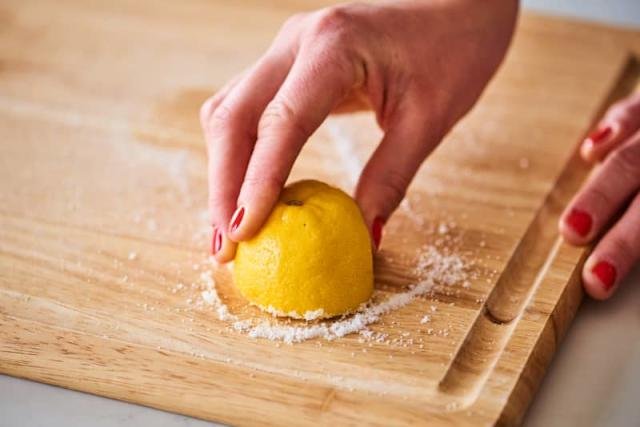
Salt and lemon make a strong scrub that removes stains and kills bacteria. The lemon juice also deodorizes the board.
Sprinkle coarse salt over the board. Cut a lemon in half and use it to scrub the salt into the wood.
- Spread 2-3 tablespoons of coarse salt
- Use half a lemon to scrub salt deeply
- Rub in circular motions for 2-3 minutes
- Let sit for 5 minutes
- Rinse with warm water and dry well

Credit: ca.style.yahoo.com
Dealing With Stubborn Stains
Wooden cutting boards can get stubborn stains from fruits, vegetables, and meats. These marks can be hard to remove with regular washing.
Using simple home remedies helps clean these stains without damaging the wood. Try the following methods to keep your cutting board fresh.
Baking Soda Paste
Baking soda is a natural cleaner that lifts stains without harsh chemicals. Mixing it into a paste makes it easy to scrub into the wood.
- Mix three parts baking soda with one part water to form a thick paste.
- Spread the paste over the stained area on the cutting board.
- Let it sit for 10 to 15 minutes to break down the stain.
- Use a soft brush or cloth to scrub the paste gently.
- Rinse the board with warm water and dry it completely.
Hydrogen Peroxide Solution
Hydrogen peroxide helps remove deep stains and kills bacteria. It is safe for wooden boards if used carefully.
| Item | Instructions |
| Hydrogen Peroxide (3%) | Apply directly to the stain with a cloth or spray bottle. |
| Waiting Time | Let sit for 5 to 10 minutes without rubbing. |
| Cleaning | Wipe the area with a clean, damp cloth. |
| Drying | Air dry the board completely before use. |
Disinfecting Without Damage
Wooden cutting boards need regular cleaning to stay safe. You want to kill germs without hurting the wood.
Using the right cleaning methods keeps your board clean and strong for a long time.
Natural Disinfectants
Lemon juice and vinegar are good natural cleaners. They kill bacteria and do not harm wood.
Salt helps scrub away stains and germs when combined with lemon juice.
- Rub lemon juice on the board
- Sprinkle salt over the surface
- Scrub gently with a cloth or sponge
- Rinse with warm water and dry
Avoiding Harsh Chemicals
Strong cleaners can dry out or crack wood. Avoid bleach and ammonia on wooden boards.
Use mild soap and water for regular washing. This keeps your board safe and clean.

Credit: ca.style.yahoo.com
Preventing Odors And Bacteria
Wooden cutting boards can hold smells and germs if not cleaned well. This can cause bad odors and unsafe food.
It is important to clean and store boards properly. This keeps them fresh and safe to use for a long time.
Proper Storage Tips
Store wooden cutting boards in a dry, well-ventilated place. Moisture makes bacteria grow and causes smells.
Keep boards standing on their edge. This lets air flow around all sides and helps them dry fast.
- Do not stack wet boards together
- Use a rack or hooks to hang boards
- Store away from direct sunlight or heat
- Make sure boards dry completely before storing
Regular Sanitization
Clean wooden boards right after use with hot water and soap. This removes food bits and germs.
Sanitize boards weekly to kill bacteria and stop odors from forming.
- Use a mixture of white vinegar and water to wipe the board
- Rub coarse salt with lemon juice on the board, then rinse
- Let the board air dry fully after cleaning
- Apply food-safe mineral oil to protect the wood and prevent cracks
Oiling For Longevity
Oiling wooden cutting boards keeps them strong and safe. It stops the wood from drying out and cracking.
Regular oiling also prevents stains and smells from soaking into the wood. This care helps your board last for years.
Types Of Oils To Use
Not all oils work well on wooden boards. You want oils that soak in without going bad or sticky.
- Mineral oil is popular. It is food safe and does not spoil.
- Beeswax mixed with mineral oil adds extra protection and shine.
- Coconut oil can work but may leave a scent or go rancid.
- Olive oil is not recommended because it can turn sticky over time.
How Often To Oil
Oiling frequency depends on use and wood type. Dry boards need more care.
| Usage | Oiling Frequency |
| Daily use | Once a week |
| Weekly use | Once a month |
| Occasional use | Every 3 months |
When To Consider Replacement
Wooden cutting boards last a long time with good care. Still, some signs mean it is time to replace them.
Knowing when to replace your board helps keep your kitchen safe and clean.
Signs Of Wear
Look for deep cuts or cracks on the surface. These can trap food and germs.
If the board feels rough or splinters, it is less safe to use. Warping or large stains are also signs.
- Deep grooves or cracks
- Splintering wood surface
- Warped or bent shape
- Large dark stains
Health And Safety Concerns
Bacteria grow in damaged wood more easily. This can cause food poisoning or illness.
If your board smells bad or does not clean well, it may hide germs. Replace it to keep food safe.
- Persistent bad smells
- Cannot clean surface properly
- Visible mold or mildew
- Risk of bacterial growth
Frequently Asked Questions
How Do I Properly Clean A Wooden Cutting Board?
To clean a wooden cutting board, wash it with hot soapy water immediately after use. Rinse thoroughly and dry with a clean towel. Avoid soaking to prevent warping. Regularly sanitize with vinegar or lemon and salt for deeper cleaning.
Can I Use Bleach To Clean Wooden Cutting Boards?
It is best to avoid bleach on wooden cutting boards. Bleach can damage wood fibers and leave harmful residues. Instead, use natural sanitizers like white vinegar or diluted hydrogen peroxide for safe cleaning.
How Often Should I Oil My Wooden Cutting Board?
Oil your wooden cutting board once a month or when it looks dry. Use food-grade mineral oil to keep it moisturized, prevent cracking, and extend its life. Apply oil evenly and let it soak overnight before wiping off excess.
What’s The Best Way To Remove Odors From Wooden Boards?
To remove odors, sprinkle coarse salt or baking soda on the board. Rub with a cut lemon or damp cloth, then rinse with warm water. This natural method neutralizes smells without harsh chemicals.
Conclusion
Cleaning wooden cutting boards keeps them safe and long-lasting. Use gentle soap and warm water after each use. Avoid soaking boards to stop warping or cracking. Regularly rub with oil to keep wood healthy. A quick scrub with salt and lemon removes stains and smells.
These simple steps help your board stay clean and strong. Caring for your cutting board protects your food and kitchen. Easy habits make a big difference over time. Keep your wooden board ready for every meal.