
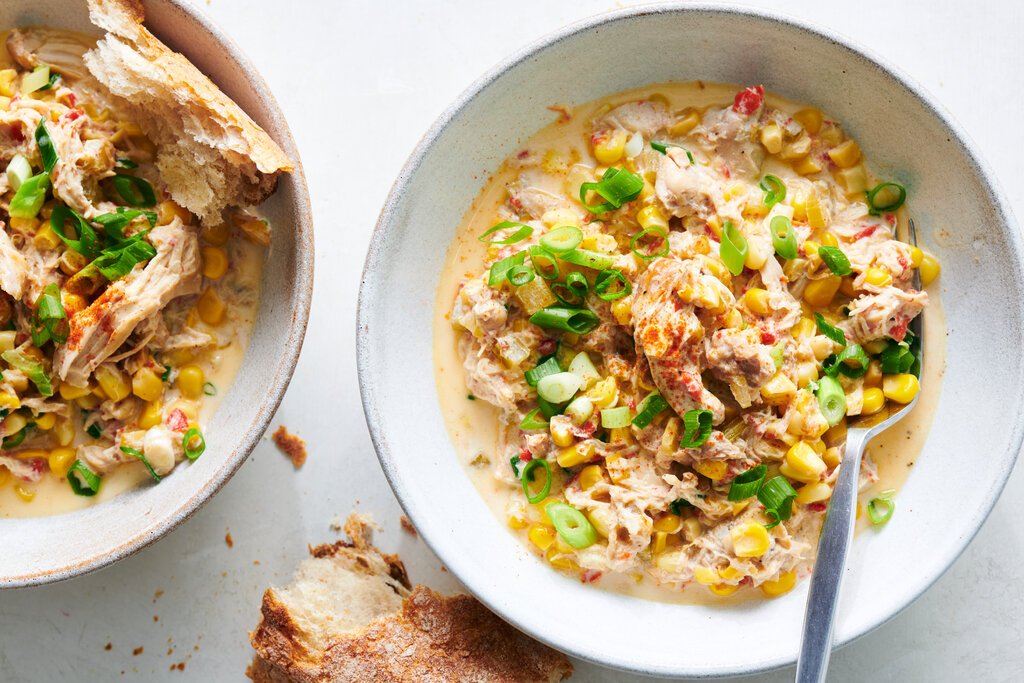
Are you ready to make mealtime easier and more delicious? Slow cookers are your best kitchen companion when you want to save time without sacrificing flavor.
But how do you get the most out of your slow cooker? You’ll discover the best slow cooker recipes tips that turn simple ingredients into mouthwatering meals. Whether you’re a beginner or looking to improve your slow cooking skills, these tips will help you create dishes that impress every time.
Keep reading to unlock secrets that make slow cooking stress-free and tasty!

Credit: cooking.nytimes.com
Choosing The Right Ingredients
Using the right ingredients makes slow cooker recipes taste better. It also helps your meal cook evenly and stay healthy.
Focus on fresh produce, good proteins, and tasty herbs and spices. These choices create rich flavors in your slow-cooked dishes.
Selecting Fresh Produce
Pick fresh vegetables and fruits that are firm and bright in color. Avoid produce that looks soft, bruised, or shriveled.
Root vegetables like carrots and potatoes hold up well in slow cooking. Leafy greens cook faster and should be added near the end.
- Choose firm, ripe vegetables
- Use root vegetables for long cooking
- Add delicate greens later
- Wash produce before adding to the cooker
Using Quality Proteins
Select fresh cuts of meat with some fat for flavor and tenderness. Lean meats can become dry if cooked too long.
Beans and lentils are good protein choices for slow cooking. Soak them before cooking to improve texture and digestion.
- Pick fresh, fatty meat cuts
- Use lean meats carefully
- Soak beans and lentils ahead
- Check for freshness and smell
Incorporating Aromatic Herbs And Spices
Fresh herbs add bright flavor when added at the end. Dried herbs and spices release their taste slowly during cooking.
Use garlic, onion powder, cumin, and pepper for deep flavors. Avoid adding salt too early to keep meat tender.
- Add dried spices at the start
- Use fresh herbs near the end
- Include garlic and onion for aroma
- Season gently with salt early on
Layering For Maximum Flavor
Slow cookers create deep, rich flavors by cooking ingredients slowly. How you layer ingredients matters a lot. Proper layering helps each item cook evenly and taste better.
Understanding the order to add ingredients can improve your recipe results. It helps avoid mushy vegetables and undercooked meats.
Understanding Ingredient Order
Place dense and hard ingredients like root vegetables at the bottom. They take longer to cook and get more heat there. Softer ingredients go on top so they don’t overcook.
- Start with potatoes, carrots, and onions at the base
- Add meats above the vegetables
- Put quick-cooking vegetables like zucchini near the top
- Keep delicate herbs and greens for the last 30 minutes
Balancing Flavors With Layering
Layering lets flavors mix slowly and nicely. You want strong flavors near the bottom and lighter ones on top. This way, the heat spreads flavor evenly.
| Layer | Ingredients | Flavor Role |
| Bottom | Root vegetables, onions, garlic | Base flavor and slow cooking |
| Middle | Meat or protein | Main flavor and texture |
| Top | Soft vegetables, herbs | Freshness and aroma |
Preventing Overcrowding
Do not fill the slow cooker too full. Overcrowding stops heat from moving well. It can cause uneven cooking and weak flavors.
Tips to avoid overcrowding:
- Leave some space at the top for heat circulation
- Use a larger slow cooker if needed
- Cook in batches if you have many ingredients
Enhancing Flavor With Liquids
Liquids play a big role in slow cooker recipes. They help cook food evenly and add rich flavors.
Choosing the right liquid can change the taste of your meal. It is important to pick liquids that blend well with your ingredients.
Choosing The Right Broths And Stocks
Broths and stocks add deep, savory flavors to slow cooker dishes. They are better than plain water for cooking.
Use chicken, beef, or vegetable broth based on your recipe. Homemade stocks have richer taste than store-bought ones.
- Chicken broth works well with poultry and vegetables
- Beef stock enhances meat and hearty stews
- Vegetable broth suits vegetarian and lighter dishes
- Low-sodium broths help control salt levels
Using Wine And Vinegar
Wine and vinegar add acidity and brightness to slow cooker meals. They balance rich and fatty flavors.
Red wine pairs well with beef and lamb. White wine suits chicken and seafood. Use vinegar sparingly to avoid overpowering taste.
- Red wine adds depth to red meat dishes
- White wine brightens lighter meals
- Balsamic vinegar adds sweetness and tang
- Apple cider vinegar gives a mild tartness
Incorporating Coconut Milk And Other Liquids
Coconut milk adds creaminess and a subtle sweetness. It is perfect for curries and tropical flavors.
Other liquids like tomato juice, fruit juices, or even tea can bring unique tastes. Pick liquids that match your recipe style.
- Coconut milk works well in Asian and Caribbean dishes
- Tomato juice adds acidity and richness
- Fruit juices bring natural sweetness
- Tea can add herbal or smoky notes
Prepping Techniques For Success
Good preparation makes slow cooker recipes taste better. Taking time to prep ingredients helps flavors develop.
Simple steps before cooking can bring rich and deep flavors to your dishes. These tips improve the final meal.
Browning Meats For Depth
Browning meat adds a rich, deep flavor that slow cooking alone cannot create. It helps seal in juices for tender results.
Use a hot pan and brown meat in batches. Avoid crowding the pan so the meat gets a nice crust.
- Pat meat dry before browning
- Use medium-high heat
- Turn meat only when it releases easily
- Browning adds color and taste
Sautéing Vegetables First
Sautéing vegetables before adding them to the slow cooker brings out their natural sweetness. It also softens them for better texture.
Cook vegetables like onions, carrots, and celery in a little oil until they are tender. This step builds flavor layers.
- Heat oil in a pan over medium heat
- Cook vegetables until soft and fragrant
- Avoid burning by stirring often
- Add vegetables to slow cooker after sautéing
Mirepoix And Its Importance
Mirepoix is a mix of onions, carrots, and celery. It is the base for many slow cooker recipes.
This mix adds flavor and aroma to dishes. Using mirepoix helps create a balanced taste in soups and stews.
- Use equal parts onions, carrots, and celery
- Chop vegetables small for even cooking
- Sauté mirepoix before slow cooking for better flavor
- Mirepoix forms the flavor base of many dishes
Cooking Time And Temperature Tips
Slow cookers make cooking easy and tasty. Knowing the right time and temperature helps you get perfect results.
Use these tips to cook meals that are safe and full of flavor every time.
Understanding Low Vs High Settings
Slow cookers usually have low and high heat settings. Low cooks food slowly over a long time. High cooks food faster at a higher temperature.
Choose the setting based on how much time you have and the type of food you cook.
- Low setting: cooks food in 6 to 10 hours
- High setting: cooks food in 3 to 5 hours
- Use low for tougher cuts of meat to make them tender
- Use high when you need food ready quickly
Avoiding Overcooking
Overcooking can make food dry or mushy. Slow cookers keep food warm after cooking, so watch the time carefully.
Check your recipe for the right cooking time and avoid leaving food on high heat too long.
- Set a timer to avoid forgetting the food
- Use the low setting for longer cooking times
- Stir halfway through cooking if the recipe suggests
- Turn off the cooker once the food is done
Adjusting For Altitude
At higher altitudes, water boils at a lower temperature. This can affect slow cooker times and results.
You may need to increase cooking time or temperature slightly to get food fully cooked.
- Add 30 minutes to 1 hour to cooking times above 3,000 feet
- Use the high setting if unsure about cooking speed
- Check food for doneness before serving
- Keep the lid on to keep heat and moisture inside
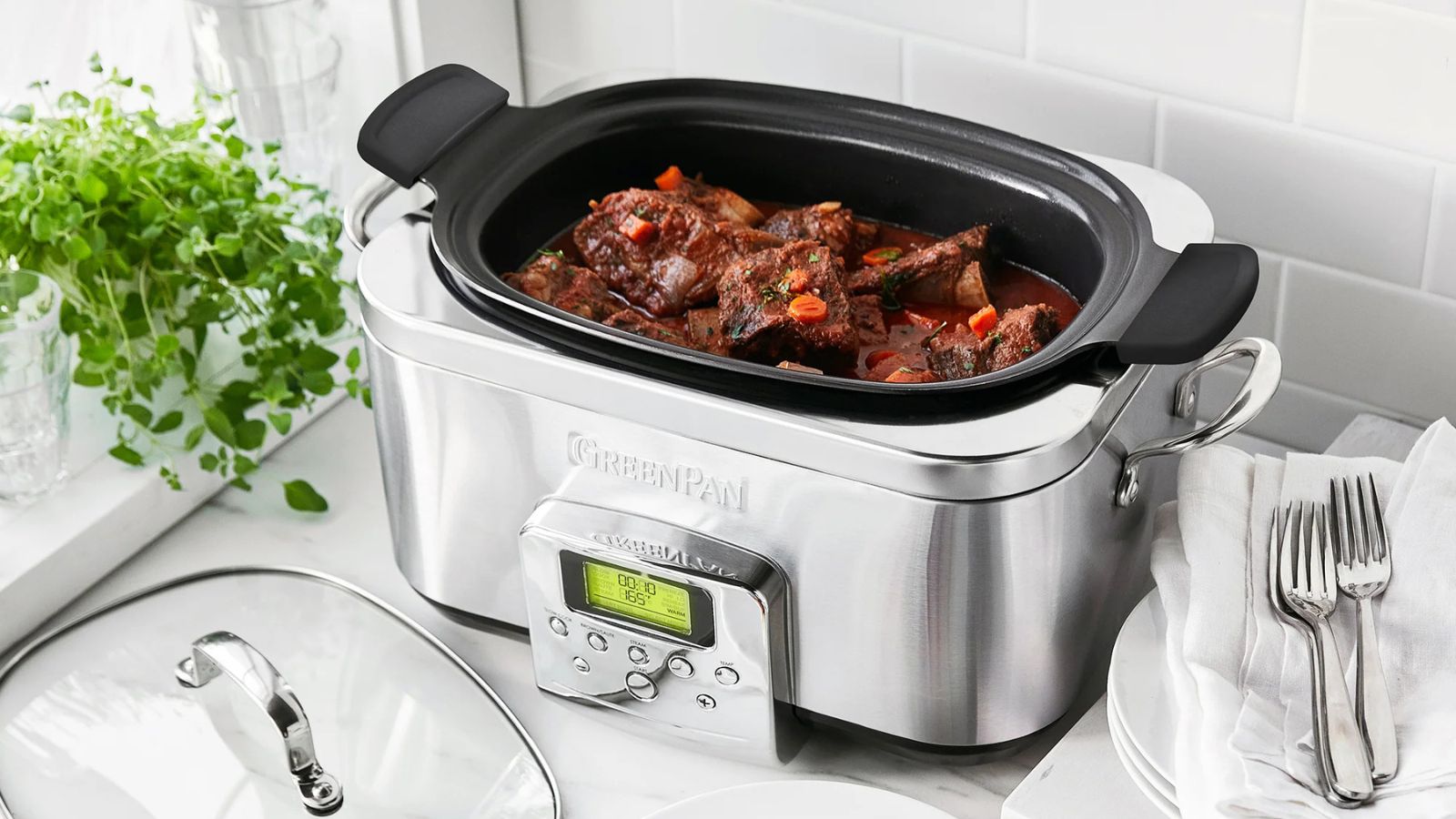
Credit: www.homesandgardens.com
Finishing Touches For Extra Flavor
Slow cooker meals get better with simple finishing touches. These add fresh and bright flavors. Use them just before serving for the best taste.
Try adding herbs, citrus, or condiments at the end. They lift the flavors without cooking away their freshness.
Adding Fresh Herbs At The End
Fresh herbs bring a burst of flavor and color. Add them after cooking to keep their aroma and brightness.
- Chop parsley, cilantro, or basil finely.
- Sprinkle over the dish just before serving.
- Use delicate herbs like dill or chives for a mild taste.
- Combine several herbs for a fresh herb mix.
Incorporating Citrus Zest And Juices
Citrus zest and juice add a fresh, tangy note. They brighten rich slow cooker flavors well.
| Type | Use | Flavor Effect |
| Lemon zest | Sprinkle on top | Fresh and tangy |
| Lime juice | Drizzle before serving | Bright and sharp |
| Orange zest | Add to sauce | Sweet and citrusy |
| Grapefruit juice | Mix into dish | Fruity and tart |
Using Condiments For A Flavor Boost
Condiments can add depth and a punch of flavor. Add them at the end to keep their intensity.
- Soy sauce adds saltiness and umami.
- Hot sauce gives heat and tang.
- Mustard adds a sharp, spicy note.
- Worcestershire sauce provides a complex savory flavor.
- Barbecue sauce offers sweetness and smokiness.
Storing And Reheating Leftovers
Slow cooker meals often make extra food. Storing and reheating leftovers safely keeps them tasty. This guide helps you handle your slow cooker dishes after cooking.
Knowing how to store and reheat food prevents waste and keeps flavors fresh. Follow simple tips to enjoy your meals again.
Proper Storage Techniques
Cool leftovers quickly before putting them in the fridge. Use airtight containers to keep air out. Label containers with the date to track freshness.
- Divide large portions into small containers
- Store leftovers within two hours of cooking
- Keep your fridge at or below 40°F (4°C)
- Use leftovers within 3 to 4 days
- Freeze if you want to keep food longer than four days
Reheating For Best Taste
Reheat leftovers evenly to keep flavors. Use the stove, oven, or microwave. Stir food during reheating to warm it well.
| Reheating Method | Tips |
| Microwave | Cover with a lid, stir halfway through |
| Oven | Preheat to 350°F (175°C), use covered dish |
| Stovetop | Heat on medium, stir often |
Repurposing Into New Dishes
Leftovers can become new meals. Change the flavor by adding spices or new ingredients. This saves time and reduces waste.
- Use leftover stew as a filling for tacos
- Add cooked slow cooker meat to pasta sauces
- Mix vegetables into omelets or frittatas
- Turn soups into creamy purees for dips
- Make sandwiches or wraps with slow cooker meats

Credit: cooking.nytimes.com
Frequently Asked Questions
What Are The Best Ingredients For Slow Cooker Recipes?
The best ingredients for slow cooker recipes include tougher cuts of meat, root vegetables, and beans. These cook well over long periods and develop rich flavors. Avoid delicate vegetables that may become mushy. Use fresh herbs and spices to enhance taste without overpowering the dish.
How Do I Prevent Overcooking In A Slow Cooker?
To prevent overcooking, use the correct temperature setting and cooking time. Avoid lifting the lid frequently as heat escapes. Follow recipe guidelines closely. Use a timer or slow cooker with automatic shut-off to maintain perfect texture and flavor.
Can I Use Frozen Meat In Slow Cooker Recipes?
Yes, you can use frozen meat, but it may increase cooking time. Ensure the meat reaches a safe internal temperature before serving. Using frozen meat can be convenient but may affect texture slightly. For best results, thaw meat when possible.
How Do I Thicken Sauces In Slow Cooker Dishes?
To thicken sauces, add a slurry of cornstarch and water near the end of cooking. Alternatively, use flour or reduce the sauce by cooking uncovered for a short time. Avoid thickening early to prevent lumps and ensure a smooth texture.
Conclusion
Slow cooker recipes save time and bring great taste. Use fresh ingredients and set the right cooking time. Layer foods properly for even cooking. Add herbs and spices to boost flavor. Keep the lid closed to keep heat inside. Clean your slow cooker after each use.
Enjoy easy, healthy meals with little effort. Try different recipes to find your favorites. Cooking with a slow cooker makes life simple. Give these tips a try and enjoy your meals.