
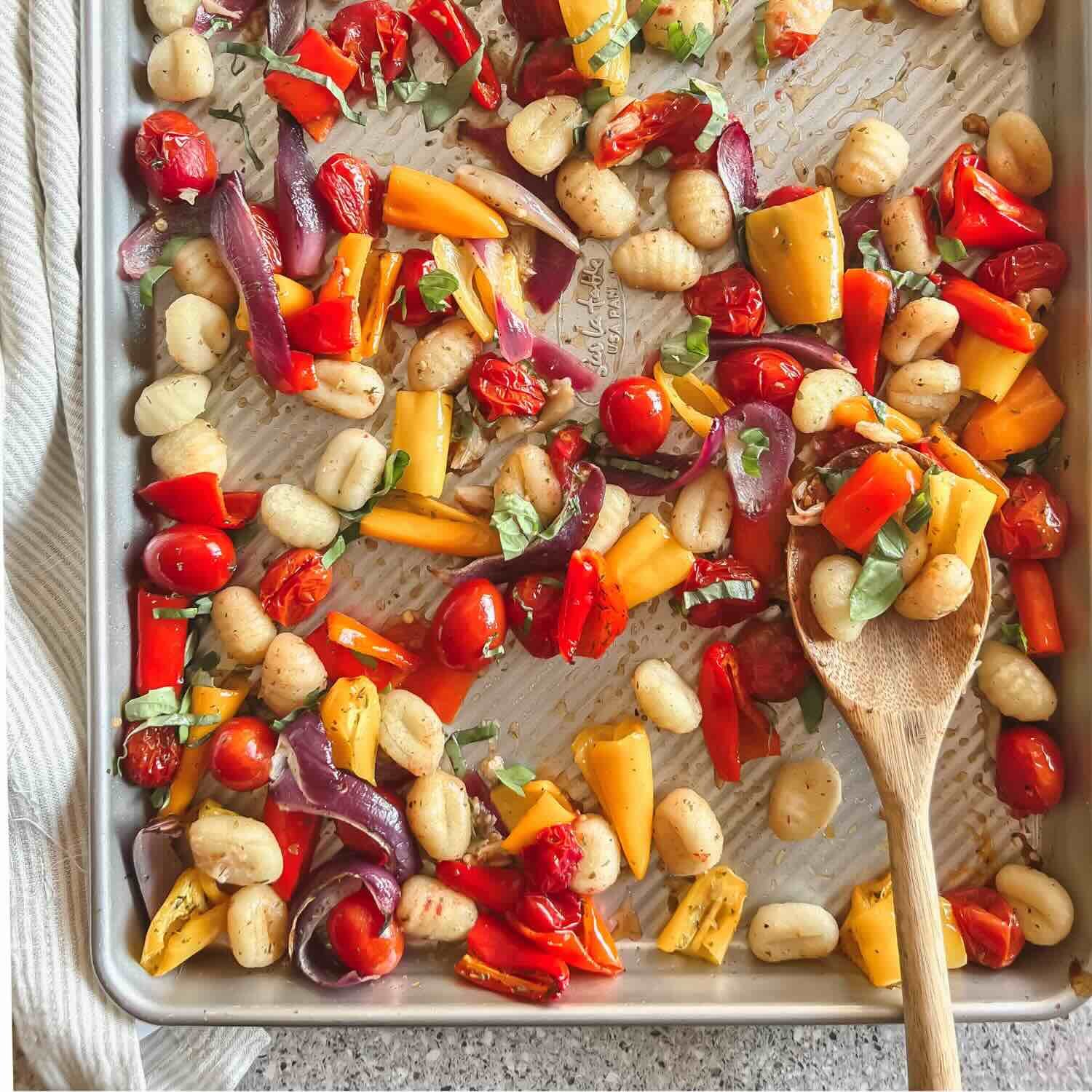
If you love roasting vegetables, you know the difference a good sheet pan can make. The right pan helps your veggies cook evenly, get perfectly crispy edges, and makes cleanup a breeze.
But with so many options out there, how do you find the best sheet pan for your kitchen? You’ll discover the top sheet pans designed to make your roasting easier and tastier. Keep reading to find the perfect pan that fits your cooking style and helps you create delicious meals every time.

Credit: food52.com
Importance Of Quality Sheet Pans
Good sheet pans make roasting vegetables easier and better. They help cook food evenly. This improves the taste and texture of your vegetables.
Using poor-quality sheet pans can cause food to stick or burn. It also makes cleaning harder. Investing in quality pans saves time and effort.
Durability And Material
Quality sheet pans are made from strong materials like stainless steel or heavy aluminum. These materials last longer and resist warping. A durable pan stays flat and cooks evenly over time.
Heat Distribution
Good pans spread heat evenly across the surface. This helps all vegetables roast at the same rate. Poor pans create hot spots that burn some pieces while leaving others raw.
- Aluminum pans heat quickly and evenly
- Stainless steel pans are durable but may heat unevenly
- Non-stick coatings reduce food sticking
- Dark-colored pans absorb more heat
Size And Design Features
The right size sheet pan fits your oven and cooking needs. Look for pans with raised edges to keep vegetables in place. Some pans have non-stick surfaces for easy cleaning.
| Feature | Benefit |
| Raised edges | Prevents food from sliding off |
| Non-stick coating | Makes cleaning faster |
| Heavyweight material | Prevents warping and uneven cooking |
| Size options | Fits different oven sizes and recipes |
Material Choices For Sheet Pans
Choosing the right material for your sheet pan can affect how your vegetables roast. Different materials heat up and cool down at different speeds. This changes how your food cooks.
Knowing the pros and cons of each material helps you pick a pan that fits your cooking style. Here we look at aluminum, stainless steel, and non-stick coatings.
Aluminum
Aluminum sheet pans heat quickly and spread heat evenly. They are lightweight and easy to handle. Many chefs prefer aluminum for roasting vegetables.
- Heats up fast for quick cooking
- Even heat distribution prevents hot spots
- Lightweight and easy to move
- Can warp at very high temperatures
- Usually less expensive than other metals
Stainless Steel
Stainless steel pans are strong and resist rust. They do not warp easily. This material can take high heat but may not heat as evenly as aluminum.
| Feature | Aluminum | Stainless Steel |
| Weight | Light | Heavy |
| Heat Conductivity | Excellent | Good |
| Durability | Moderate | High |
| Cost | Lower | Higher |
Non-stick Coatings
Non-stick coatings help food release easily from the pan. They reduce the need for oil or butter. These pans are easy to clean but can scratch if not handled carefully.
Advantages of non-stick coatings:
- Food slides off without sticking
- Less oil needed for roasting
- Cleaning is quick and simple
Top Sheet Pan Sizes For Roasting
Roasting vegetables is easier with the right sheet pan size. Different pans hold different amounts. Choosing the right size helps cook evenly.
Sheet pans come in half, quarter, and full sizes. Each size fits different ovens and cooking needs. Knowing their sizes helps pick the best one.
Half-sheet Pans
Half-sheet pans are the most common size for home kitchens. They usually measure about 18 by 13 inches. This size fits well in most ovens.
- Enough space for a good amount of vegetables
- Easy to handle and store
- Works well for roasting multiple items
Quarter-sheet Pans
Quarter-sheet pans are smaller, about 9 by 13 inches. They fit well in small ovens or toaster ovens. This size is good for small batches.
| Size | Dimensions (inches) | Best Use |
|---|---|---|
| Quarter-Sheet | 9 x 13 | Small vegetable batches, toaster ovens |
| Half-Sheet | 18 x 13 | Everyday roasting for families |
| Full-Sheet | 26 x 18 | Large batches, commercial ovens |
Full-sheet Pans
Full-sheet pans are the largest size. They measure about 26 by 18 inches. These pans are common in commercial kitchens.
Full-sheet pans work best for large vegetable roasts. They fit in big ovens and hold much food. These pans are heavy and need space to store.
Features To Consider
Choosing the right sheet pan can make roasting vegetables easier and tastier. Some features help you cook evenly and clean up fast.
Look at these important features before buying a sheet pan for roasting vegetables.
Heat Conductivity
Good heat conductivity helps vegetables cook evenly without burning. Metals like aluminum and steel are popular because they spread heat well.
- Aluminum pans heat quickly and evenly.
- Stainless steel pans may take longer but last longer.
- Dark pans absorb more heat but can cause burning.
Durability
Durability means the pan lasts a long time and resists warping or dents. Look for thick materials and good build quality.
| Material | Durability Level | Notes |
|---|---|---|
| Aluminum | Medium | Lightweight but can warp easily |
| Stainless Steel | High | Very strong and resists warping |
| Carbon Steel | High | Durable but needs seasoning |
Ease Of Cleaning
Cleaning sheet pans should be simple. Non-stick surfaces and dishwasher-safe materials save time.
- Choose pans with non-stick coating.
- Use liners or parchment paper to avoid stuck food.
- Check if the pan is dishwasher safe.
Best Sheet Pans For Roasting Vegetables
Roasting vegetables brings out their natural sweetness and flavor. Choosing the right sheet pan helps cook them evenly and makes cleanup easier.
This guide covers budget-friendly, premium, and eco-friendly sheet pans. Each option fits different needs and kitchens.
Budget-friendly Options
Affordable sheet pans can still deliver good results. Look for pans that heat evenly and have a non-stick surface to prevent sticking.
- Aluminum sheet pans are lightweight and heat quickly.
- Non-stick coatings help with easy cleaning.
- Look for pans with raised edges to hold juices.
- Sets with multiple pans offer better value.
Premium Choices
Premium sheet pans often use heavy-gauge metal for even heat. They last longer and resist warping over time.
| Material | Features | Benefits |
| Stainless Steel | Durable, rust-resistant | Long-lasting, easy to clean |
| Heavy-Gauge Aluminum | Thick, distributes heat evenly | Prevents hot spots, cooks faster |
| Copper Core | Excellent heat conductivity | Precise temperature control |
Eco-friendly Alternatives
Eco-friendly pans reduce waste and use safer materials. They are good for health and the planet.
Consider these eco-friendly sheet pan features:
- Made from recycled metals
- Non-toxic, PFOA-free coatings
- Durable to avoid frequent replacement
- Biodegradable packaging
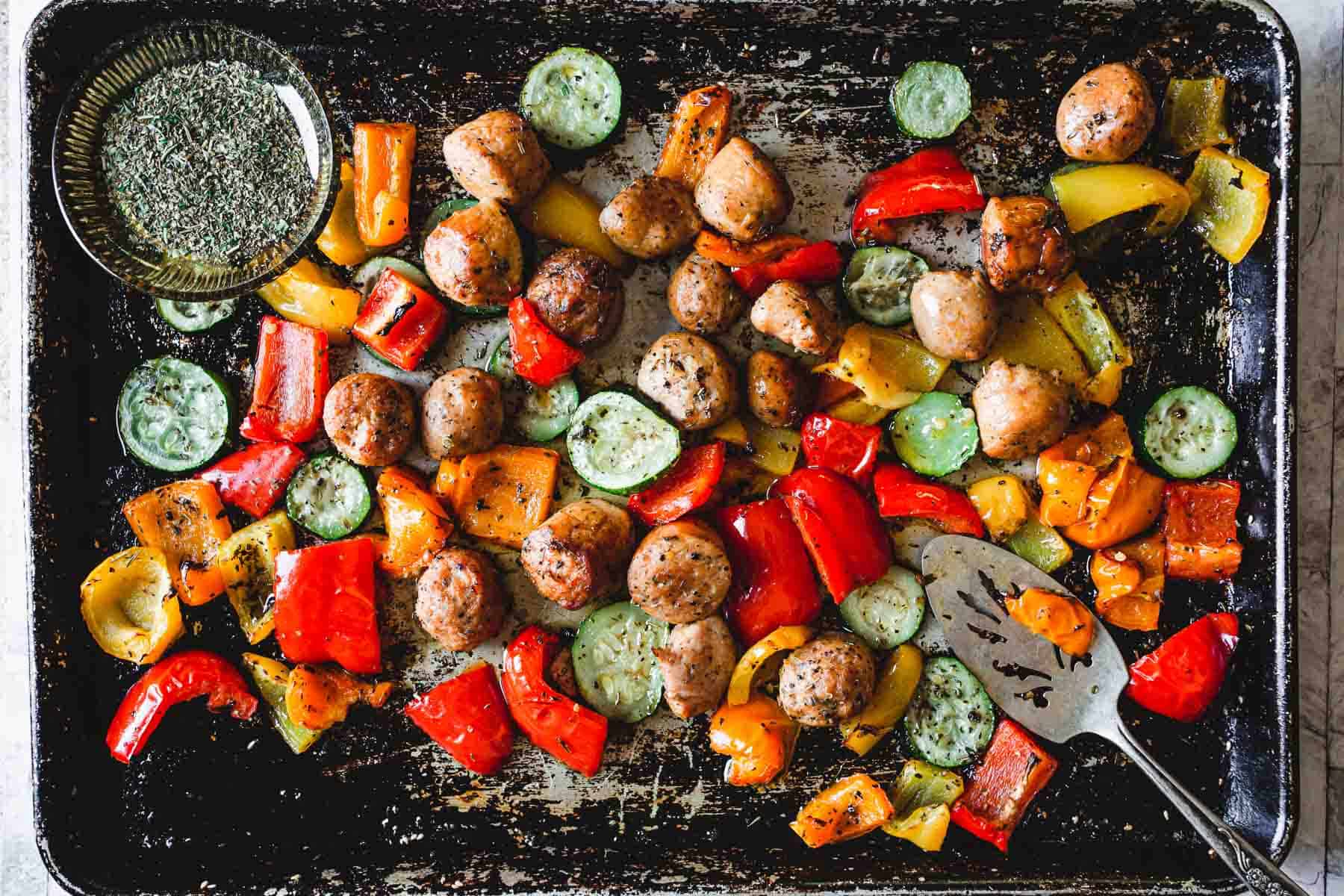
Credit: immigrantstable.com
Tips For Perfect Roasting
Roasting vegetables brings out their natural sweetness and adds a delicious crisp texture. Using the right techniques helps you get the best results every time.
Follow these simple tips to improve your roasting skills and enjoy tasty, evenly cooked vegetables.
Preheating The Pan
Always preheat your sheet pan before adding vegetables. A hot pan helps vegetables cook faster and develop a nice, golden crust.
- Place the sheet pan in the oven while it preheats.
- Wait until the oven reaches the right temperature.
- Carefully add vegetables to the hot pan using oven mitts.
- Roast vegetables without crowding the pan.
Even Spacing Of Vegetables
Place vegetables in a single layer with space between each piece. This allows heat to circulate and vegetables to roast evenly.
| Spacing Tip | Reason |
|---|---|
| Leave at least 1 inch between pieces | Prevents steaming and sogginess |
| Use multiple pans if needed | Avoids crowding and ensures even cooking |
| Turn vegetables halfway through roasting | Promotes even browning on all sides |
Using Parchment Paper
Parchment paper makes cleanup easier and helps prevent vegetables from sticking to the pan.
Benefits of Parchment Paper:
- Reduces the need for extra oil
- Keeps the pan clean
- Helps vegetables roast evenly
Place parchment paper on the sheet pan before spreading the vegetables.
Care And Maintenance
Sheet pans need good care to last a long time. Proper cleaning and storage keep them in top shape.
Taking care of your pans helps them roast vegetables evenly and prevents damage.
Proper Washing Techniques
Wash sheet pans soon after use to stop food from sticking. Use warm water and mild soap.
Avoid harsh scrubbing with steel wool. It can scratch the pan’s surface and cause rust.
- Soak pans in warm soapy water if food is stuck
- Use a soft sponge or cloth to clean
- Dry pans completely with a towel
- Do not use dishwasher unless the pan is dishwasher safe
Storing Tips
Store sheet pans in a dry place to avoid moisture build-up. Stack them carefully to prevent scratches.
Place a paper towel or cloth between pans if you stack many. This protects their surface from damage.
- Keep pans in a kitchen cabinet or shelf
- Avoid damp or humid storage areas
- Use pan organizers to keep them separated
Avoiding Warping
Warping happens when pans face quick temperature changes. Avoid putting a hot pan in cold water.
Heat pans slowly in the oven to keep their shape. Avoid bending or dropping them as well.
- Let pans cool before washing
- Preheat oven before placing pans inside
- Handle pans gently to avoid dents or bends

Credit: www.thepioneerwoman.com
Frequently Asked Questions
What Material Is Best For Sheet Pans To Roast Vegetables?
Aluminum is ideal for roasting vegetables due to its excellent heat conductivity. It ensures even cooking and browning. Non-stick coatings help with easy cleanup. Stainless steel pans are durable but may heat unevenly. Choose heavy-gauge pans for best roasting results.
How Big Should A Sheet Pan Be For Roasting Vegetables?
A half-sheet pan, approximately 18×13 inches, is perfect for roasting vegetables. It offers ample space to spread vegetables evenly. Avoid overcrowding to ensure proper caramelization. Larger pans can also work but may require more oven space.
Can I Use Non-stick Sheet Pans For Roasting Vegetables?
Yes, non-stick sheet pans are great for roasting vegetables. They prevent sticking and make cleaning easier. However, avoid high heat above 450°F to protect the coating. Use silicone or wooden utensils to prevent scratches.
How To Clean Sheet Pans After Roasting Vegetables?
Clean sheet pans with warm, soapy water and a soft sponge. Avoid abrasive scrubbers that can damage the surface. For stubborn stains, soak pans before washing. Dry thoroughly to prevent rusting, especially for aluminum or steel pans.
Conclusion
Choosing the right sheet pan makes roasting vegetables easier and tastier. Good pans heat evenly and help veggies cook perfectly. Durable materials last long and save money. Non-stick surfaces reduce cleanup time and effort. Size matters to fit your oven and meal needs.
Pick a pan that suits your cooking style and budget. Enjoy simple, healthy meals with the best sheet pans. Cooking becomes fun and less stressful this way. Try different pans to find your favorite one. Your roasted vegetables will always turn out great.