
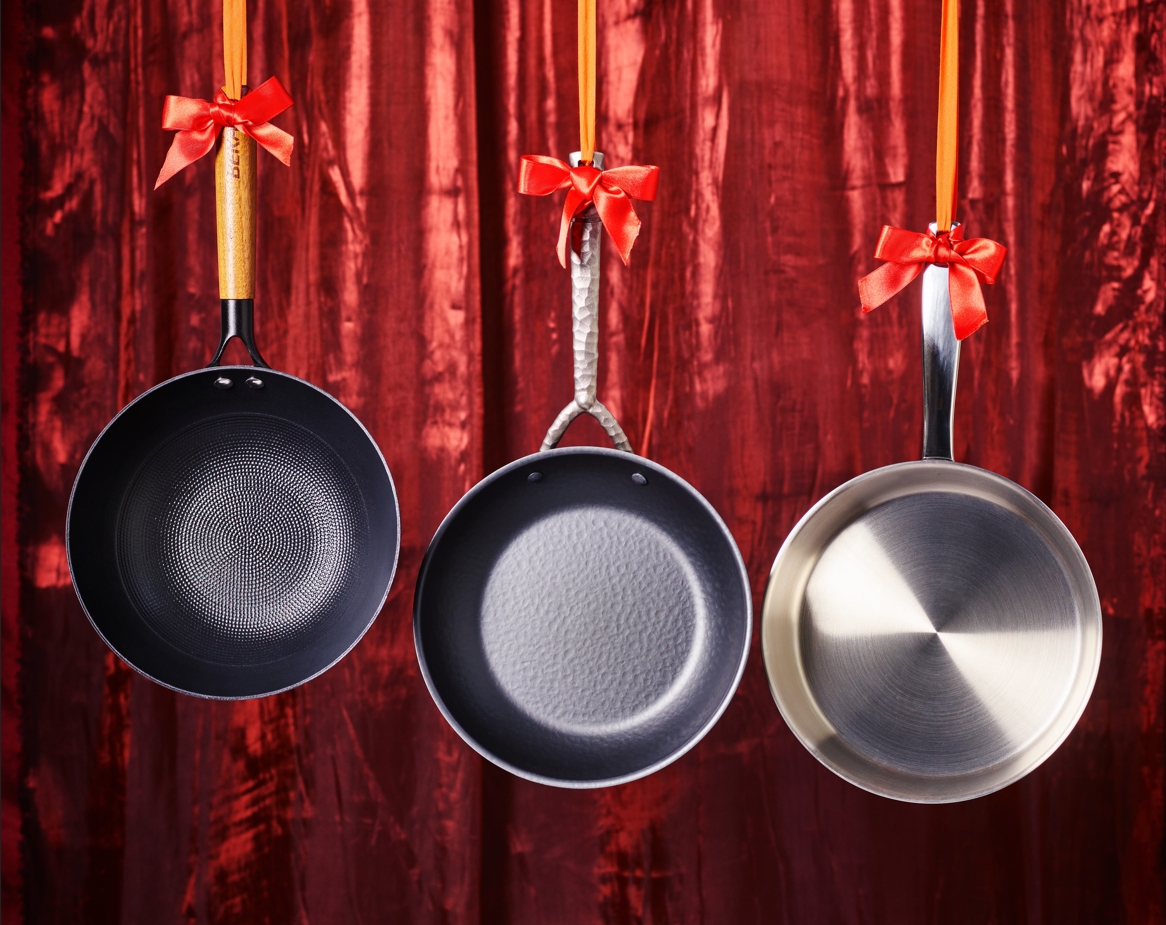
Are you tired of your food sticking to the pan and ruining your cooking experience? A good non-stick frying pan can change the way you cook, making meals easier and cleanup faster.
But are you really getting the most out of yours? You’ll discover simple yet powerful tips to keep your non-stick pan in top shape, cook like a pro, and enjoy delicious meals every time. Keep reading to unlock the secrets that will make your frying pan your favorite kitchen tool.
Credit: www.beka-cookware.com
Choosing The Right Non-stick Frying Pan
Choosing a non-stick frying pan can make cooking easier and cleaner. The right pan helps cook food evenly without sticking.
Think about your cooking needs before picking a pan. Size, material, and handle are key points to check.
Material Considerations
Non-stick pans come in several materials. Each has pros and cons for heat, durability, and cleaning.
- Aluminum: heats quickly and evenly, but can scratch easily.
- Stainless steel base: more durable, but may take longer to heat.
- Ceramic coating: natural non-stick, but may wear faster.
- Hard-anodized aluminum: strong and scratch-resistant.
Size And Shape
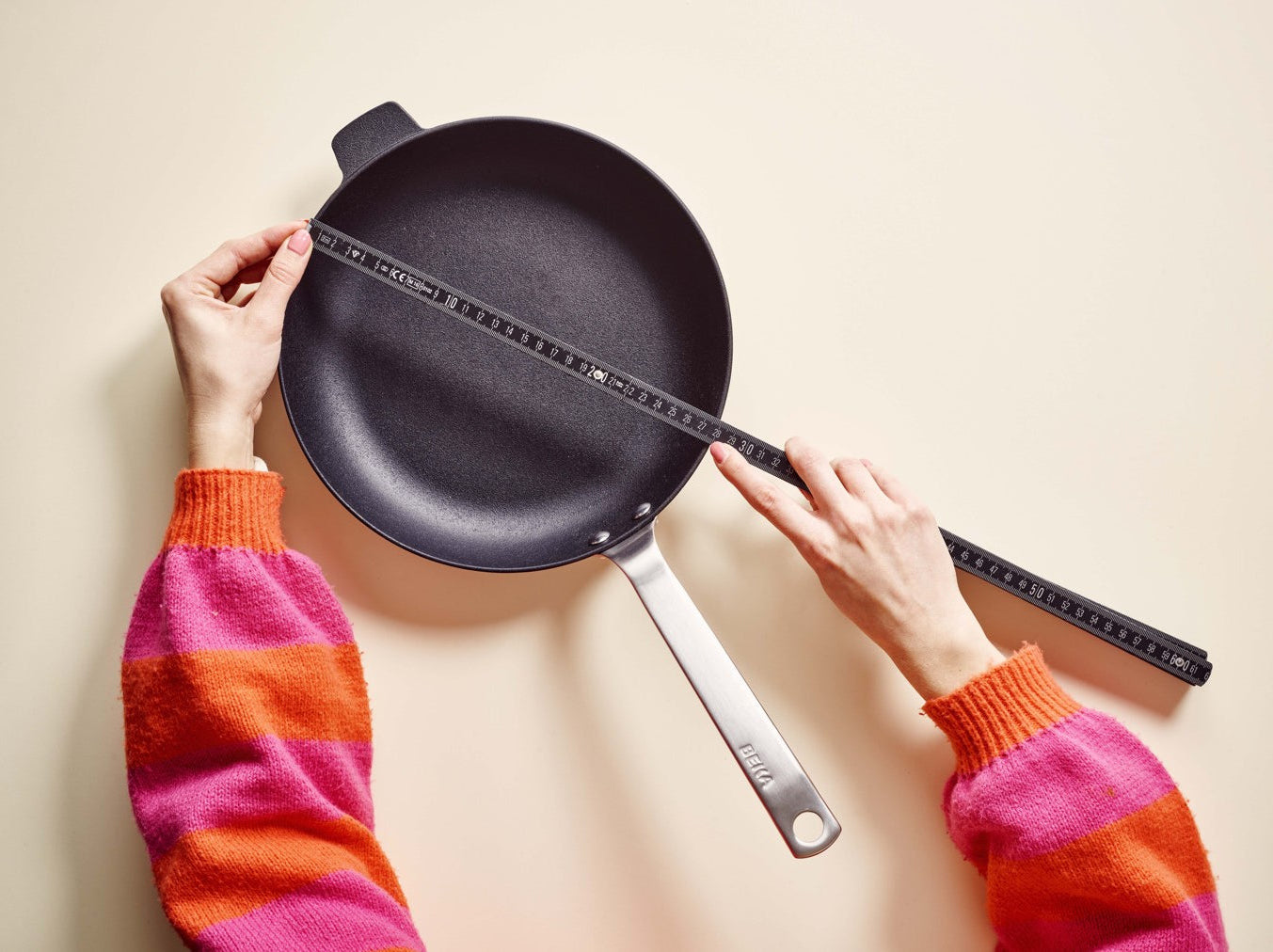
Pick a pan size that fits your cooking habits. Larger pans hold more food but take more space.
| Size | Best For |
| 8 inches | Small meals or single servings |
| 10 inches | Everyday cooking for 1-2 people |
| 12 inches | Family meals or batch cooking |
Round pans work well for most foods. Square or rectangular pans offer more cooking space.
Handle Comfort And Safety
Handles should feel comfortable and stay cool during cooking. Look for sturdy attachment to the pan.
| Handle Type | Benefits |
| Silicone grip | Soft touch, heat resistant |
| Stainless steel | Durable, may get hot |
| Bakelite | Cool to touch, lightweight |
Check if the handle has a hole for hanging. This helps save kitchen space.

Credit: www.independent.co.uk
Proper Use Of Non-stick Frying Pans
Non-stick frying pans are popular for easy cooking and cleaning. Using them correctly helps keep the coating safe and lasts longer.
This guide shares tips on how to use non-stick pans well. Follow these simple steps for better cooking results.
Preheating Techniques
Preheat your non-stick pan on low or medium heat. Avoid heating it empty on high heat because it can damage the coating.
Give the pan a minute or two to warm up before adding food. This helps cook food evenly and protects the pan.
- Use low to medium heat for preheating
- Do not leave an empty pan on high heat
- Wait 1-2 minutes before adding food
Oil And Fat Usage
Use a small amount of oil or fat to keep food from sticking. Too much oil can cause smoking and mess.
Choose oils with a high smoke point like canola or vegetable oil. Avoid using butter or olive oil at high heat.
- Use just enough oil to coat the pan
- Choose oils with high smoke points
- Avoid butter and olive oil on high heat
Temperature Control
Keep the heat moderate to protect the non-stick surface. High heat can cause the coating to break down and release fumes.
Use medium or low heat for most cooking. If food sticks, lower the heat instead of increasing oil or fat.
- Cook on low or medium heat
- Avoid high heat to protect the coating
- Lower heat if food starts sticking
Maintaining The Non-stick Surface
Non-stick frying pans need special care to keep their surface smooth. Proper maintenance helps the pan last longer.
Simple habits can protect the coating and keep your food from sticking.
Cleaning Methods
Clean your non-stick pan gently after each use. Avoid harsh scrubbing to protect the surface.
Use warm water, mild soap, and a soft sponge or cloth to wash the pan.
- Do not use steel wool or rough scrubbers
- Let the pan cool before washing
- Dry the pan fully to prevent rust on edges
Avoiding Metal Utensils
Metal utensils can scratch and damage the non-stick coating. Use tools made of wood, silicone, or plastic instead.
These softer utensils help keep the surface smooth and safe for cooking.
- Wooden spoons and spatulas work well
- Silicone tools resist heat and protect the pan
- Plastic utensils are a gentle choice
Storage Tips
Store your non-stick pan carefully to avoid scratches and dents. Proper storage keeps the surface intact.
Do not stack heavy pots or pans on top. Use a soft cloth or paper towel between pans if stacking is necessary.
- Hang pans on hooks to save space
- Use pan protectors or soft liners when stacking
- Keep pans in a dry place to avoid moisture damage

Credit: www.reddit.com
Common Mistakes To Avoid
Non-stick frying pans are great for cooking with less oil. They need careful use to keep their coating safe.
Avoiding common mistakes helps your pan last longer and cook better.
Overheating Risks
High heat can damage the non-stick coating. Overheating makes the pan release harmful fumes.
Use medium or low heat for cooking. Always heat the pan slowly and avoid empty pans on high heat.
Dishwasher Usage
Many people put non-stick pans in the dishwasher. This can wear down the coating fast.
Hand wash your pan with warm soapy water. This keeps the coating smooth and working well.
Using Abrasive Cleaners
Abrasive cleaners or scrubbers can scratch the pan’s surface. Scratches ruin the non-stick effect.
Use soft sponges or cloths to clean the pan. Avoid steel wool or rough scrubbers to protect the coating.
Enhancing Cooking With Non-stick Pans
Non-stick pans make cooking easier and cleaning faster. They help you cook with less oil and reduce food sticking.
Using the right methods improves your cooking results. This guide shares tips on techniques, recipes, and saving time.
Cooking Techniques
Heat your non-stick pan slowly to avoid damage. Use medium or low heat for even cooking. Avoid metal utensils to keep the surface safe.
- Preheat the pan on low heat
- Use wooden or silicone spatulas
- Cook with a small amount of oil or butter
- Avoid sudden temperature changes
- Clean gently with soft sponges
Recipe Suggestions
Non-stick pans work well for eggs, pancakes, and stir-fries. You can also cook delicate fish without breaking it.
| Recipe | Why Use Non-Stick Pan |
| Scrambled Eggs | Prevents sticking and easy flipping |
| Pancakes | Even cooking and easy release |
| Stir-Fried Vegetables | Quick cooking with little oil |
| Seared Fish | Delicate surface stays intact |
Time-saving Tips
Prepare ingredients before cooking. Use the right size pan to match the food amount. Clean the pan right after use to save time later.
- Chop vegetables in advance
- Choose a pan size that fits your meal
- Wash the pan with warm soapy water soon after cooking
- Store pans carefully to avoid scratches
Environmental And Health Considerations
Choosing the right non-stick frying pan affects your health and the environment. Some pans use coatings that may release harmful chemicals. It is important to know what options are safer and eco-friendly.
This guide explains eco-friendly pans, coating safety, and how to dispose of pans responsibly. Knowing these points helps you make better choices for your kitchen and the planet.
Eco-friendly Options
Look for pans made with natural or recycled materials. Ceramic coatings are a popular eco-friendly choice. They avoid chemicals like PFOA and PFAS found in some traditional pans.
- Choose ceramic or cast iron pans for durability
- Check if the pan uses recycled materials
- Avoid pans with harmful chemical coatings
- Buy from brands with clear environmental policies
- Use pans that last longer to reduce waste
Non-stick Coatings Safety
Not all non-stick coatings are safe. Some release toxic fumes when overheated. It is best to avoid pans with PFOA or PFAS chemicals. Ceramic and silicone coatings are safer alternatives.
| Coating Type | Safety | Heat Resistance |
| Ceramic | Non-toxic, safe at medium heat | Up to 450°F (232°C) |
| PTFE (Teflon) | Safe below 500°F, avoid overheating | Up to 500°F (260°C) |
| Cast Iron | Safe, no chemical coating | Very high heat resistant |
Disposal And Recycling
Throwing old pans in the trash harms the environment. Many pans can be recycled or donated. Proper disposal helps reduce landfill waste and recovers useful materials.
Here are tips for disposing of frying pans:
- Check if local recycling centers accept metal pans.
- Donate pans if they still work.
- Remove non-stick coatings if required by recyclers.
- Consider upcycling pans for crafts or gardening.
- Avoid throwing pans in regular trash bins.
Frequently Asked Questions
How Do I Clean A Non-stick Frying Pan Properly?
To clean a non-stick pan, use warm water and mild dish soap. Avoid abrasive sponges. Hand wash gently to preserve the coating. Dry with a soft cloth. This prevents damage and extends the pan’s lifespan.
Can I Use Metal Utensils With Non-stick Pans?
It’s best to avoid metal utensils on non-stick pans. Metal can scratch and damage the coating. Use wooden, silicone, or plastic utensils instead. This helps maintain the non-stick surface and ensures long-lasting performance.
What Heat Level Is Best For Non-stick Frying Pans?
Use low to medium heat when cooking with non-stick pans. High heat can degrade the coating and release fumes. Moderate heat ensures even cooking and protects the pan’s surface for longer use.
How Do I Store Non-stick Frying Pans Safely?
Store non-stick pans by stacking with a soft cloth or paper towel between them. This prevents scratches and protects the coating. Hang pans if possible to avoid surface damage and save space.
Conclusion
Taking care of your non-stick frying pan helps it last longer. Use gentle tools and avoid high heat. Clean it with soft sponges and mild soap. Store it carefully to prevent scratches. Small habits make a big difference over time.
Enjoy cooking without food sticking or burning. Keep these tips in mind for best results. Your pan will stay smooth and easy to use. Simple steps bring better meals and less mess. A well-kept pan makes cooking more fun and easy.