
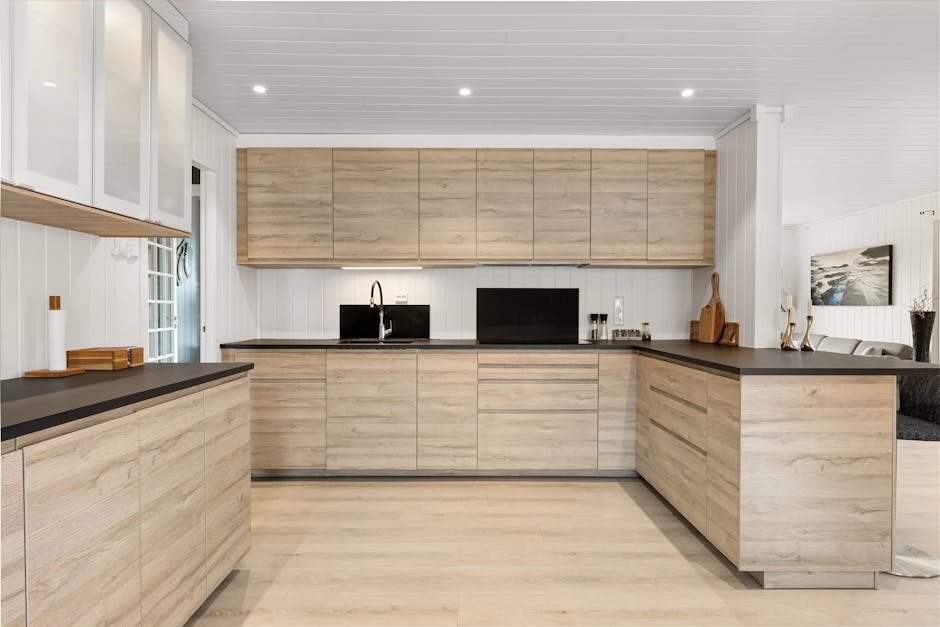
Your kitchen is more than just a place to cook; it’s where you create meals, share moments, and bring your family together. But have you ever noticed how poor lighting can make even simple tasks like chopping vegetables or reading a recipe frustrating?
The right lighting can change everything—it makes your work easier, safer, and even more enjoyable. You’ll discover the best lighting solutions tailored for every kitchen task. Keep reading to transform your kitchen into a bright, efficient space where every task feels effortless.
Importance Of Kitchen Lighting
Good lighting in the kitchen helps you see clearly while cooking. It keeps your kitchen safe and comfortable to work in.
Proper lighting also makes your kitchen look nice and welcoming. It highlights the colors and design of your space.
Enhances Safety During Food Preparation
Bright and focused light helps you cut, chop, and cook safely. It reduces the risk of accidents in the kitchen.
Shadows or dim areas can hide sharp objects or spills. Good lighting makes it easier to spot these hazards.
Improves Cooking Accuracy
Clear lighting lets you check food colors and textures well. You can tell if meat is cooked or vegetables are fresh.
It helps with measuring ingredients and reading recipes without strain on your eyes.
Creates A Comfortable Cooking Environment
Good lighting reduces eye strain and fatigue during long cooking sessions. It helps keep you relaxed and focused.
Warm light can also make the kitchen feel cozy and inviting for everyone.
Highlights Kitchen Design And Features
Proper lighting shows off your kitchen’s colors and textures. It brings out the beauty of cabinets, countertops, and backsplashes.
Accent lighting can draw attention to special areas like islands or shelves.
:strip_icc()/Z-Lite_1942-3MB_RS_3-5329953232564b09b9bff8caa42dc24b.jpg)
Credit: www.bhg.com
Types Of Kitchen Lighting
Lighting in the kitchen is important for safety and style. Different lights serve different purposes. You need the right mix to make cooking easy and enjoyable.
There are three main types of kitchen lighting. Each type helps in a special way. Let’s look at ambient, task, and accent lighting.
Ambient Lighting
Ambient lighting is the main source of light in your kitchen. It lights up the whole room evenly. This type of lighting helps you see clearly as you move around.
- Ceiling-mounted fixtures like flush mounts or chandeliers
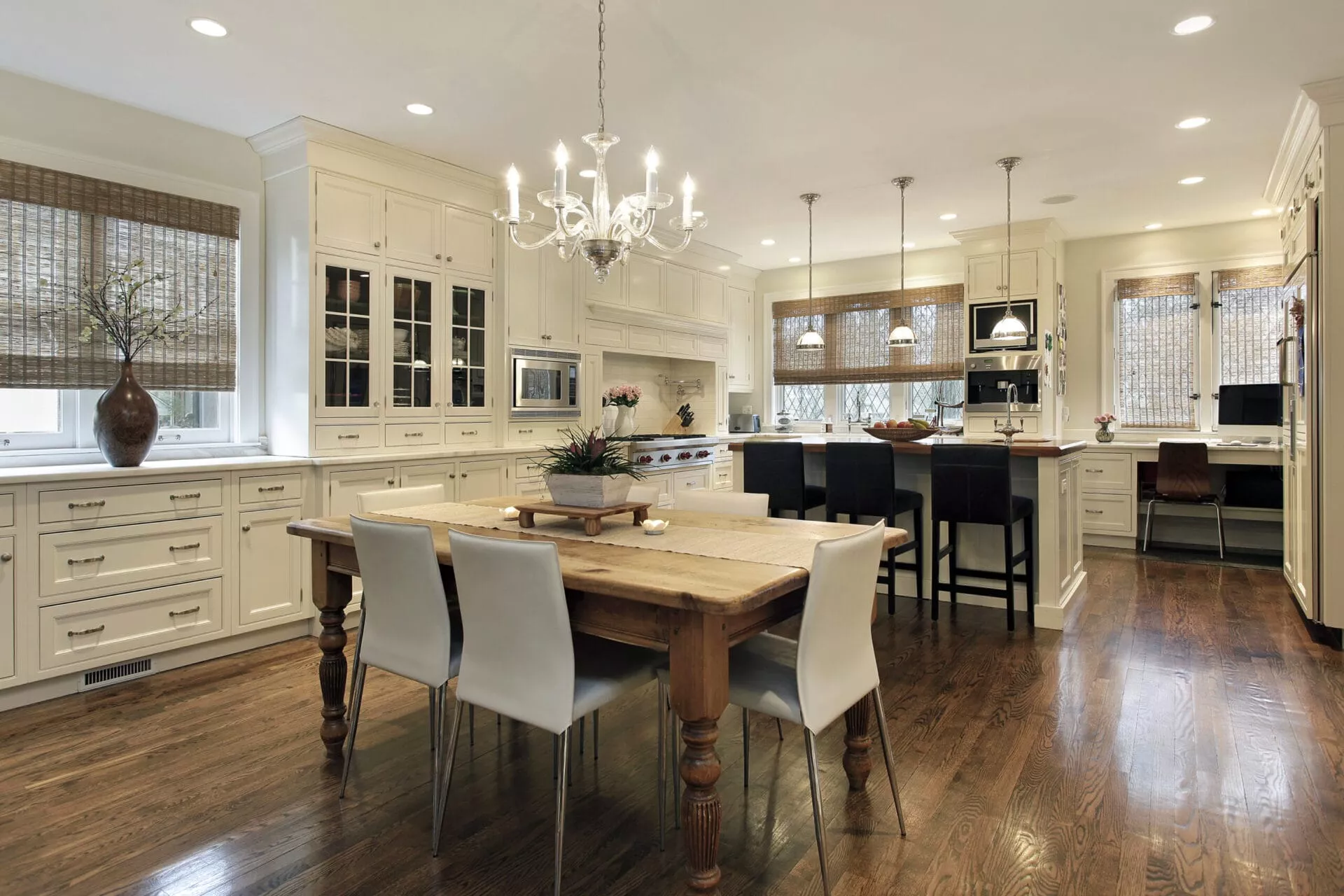
- Recessed lights in the ceiling
- LED panel lights for modern kitchens
- Natural light from windows or skylights
Task Lighting
Task lighting focuses on specific areas where you cook and prepare food. It helps you see details clearly to avoid accidents. You can use bright, direct lights for this purpose.
| Location | Lighting Type | Purpose |
| Under cabinets | LED strip lights | Light up countertops for chopping |
| Over stove | Range hood lights | Bright light for cooking |
| Kitchen island | Pendant lights | Focused light for food prep |
Accent Lighting
Accent lighting adds style and highlights features in your kitchen. It creates mood and draws attention to design elements. This lighting is softer and less bright than task lighting.
Common uses for accent lighting:
- Above cabinets to light the ceiling
- Inside glass cabinets to show dishes
- On shelves to highlight decor
- LED toe-kick lights under cabinets
Choosing The Right Bulbs
Good lighting is key for kitchen tasks like chopping and cooking. Choosing the right bulbs helps you see clearly and work safely.
Different bulbs offer different light qualities. This guide explains the main types and what to look for.
Led Vs. Incandescent
LED bulbs use less energy and last longer than incandescent bulbs. They give bright, clear light that helps you see details well.
Incandescent bulbs are cheaper but use more electricity. They also get hot and have shorter lifespans.
- LED bulbs save energy and cost less over time
- Incandescent bulbs give warm light but waste power
- LEDs run cool, reducing fire risk in kitchens
- LEDs come in many brightness and color options
Color Temperature
Color temperature tells how warm or cool the light looks. It is measured in Kelvins (K).
| Kelvin (K) | Light Color | Best For Kitchen Tasks |
| 2700K–3000K | Warm white | Cozy, soft light |
| 3500K–4100K | Neutral white | Balanced light for cooking |
| 5000K–6500K | Cool white/daylight | Bright, clear light for detail work |
For kitchen tasks, choose bulbs with 3500K to 5000K. This range shows colors well and reduces eye strain.
Lumens And Brightness
Lumens measure the brightness of a bulb. More lumens mean more light.
- For kitchen tasks, aim for bulbs with 450 to 1600 lumens
- Use brighter bulbs over work areas like counters and sinks
- Combine different lights for even brightness
- Check the packaging for lumen output
Credit: www.premium-electric.ca
Task Lighting Essentials
Good lighting helps you see clearly while working in the kitchen. It makes cooking and cleaning easier and safer.
Task lighting focuses light on areas where you do specific tasks. This type of lighting reduces shadows and brightens workspaces.
Under-cabinet Lighting
Under-cabinet lights sit below upper kitchen cabinets. They shine light directly on countertops where you prepare food.
This lighting helps you see small details while chopping or measuring ingredients. It also makes the kitchen look brighter.
- Easy to install and use
- Reduces shadows on counters
- Comes in LED strips or puck lights
- Energy-efficient options available
Pendant Lights
Pendant lights hang from the ceiling over kitchen islands or dining areas. They provide focused light on work surfaces.
These lights add style and brighten the space where you cook or eat. They come in many shapes and sizes.
- Good for island or bar lighting
- Adjustable height options
- Can create a warm or bright glow
- Works well with other lighting types
Recessed Lighting
Recessed lights fit into the ceiling and do not hang down. They provide general and task lighting at the same time.
These lights can be placed above sinks, counters, or cooking areas. They give bright, even light without taking up space.
- Flush with the ceiling for a clean look
- Can be spaced to cover large areas
- Works well with dimmer switches
- Good for both small and large kitchens
Energy-efficient Lighting Options
Choosing the right lighting saves energy and money in your kitchen. Efficient lights also help reduce your home’s carbon footprint.
Good kitchen lighting makes cooking and cleaning easier. It improves safety and comfort for daily tasks.
Smart Lighting Solutions
Smart lights use technology to save energy automatically. They adjust brightness based on the time of day or room activity.
These lights can be controlled with apps or voice commands. You can turn lights on or off without touching switches.
- Motion sensors turn lights off when no one is in the room
- Scheduling lets you set lights to run only when needed
- Remote control helps manage lights from anywhere
Dimmable Lights
Dimmable lights let you change brightness for different kitchen tasks. You can have bright light for cooking and soft light for dining.
This feature reduces energy use by lowering light levels when full brightness is not needed. It also creates a comfortable atmosphere.
- Use bright light for chopping and reading recipes
- Lower light levels for relaxing or entertaining guests
- Save energy by dimming lights instead of turning them off
Lighting For Different Kitchen Zones
Good kitchen lighting helps you work safely and comfortably. Different kitchen zones need different lighting types.
Choosing the right light for each area improves visibility and creates a pleasant space.
Prep Areas
Prep areas need bright, clear lighting. This helps you see details while chopping or mixing.
Use focused task lights like under-cabinet LED strips. These reduce shadows on your work surface.
- Bright, cool white light for true colors
- Even light to avoid shadows
- Adjustable fixtures for flexibility
Cooking Zones
Cooking zones need strong, safe lighting. Bright lights help you see food and controls clearly.
Use overhead lights or recessed lighting above stoves and ovens. Heat-resistant fixtures work best here.
- Bright, glare-free lighting
- Heat-safe light fixtures
- Lights positioned to avoid shadows on cooking surfaces
Dining Spaces
Dining spaces need warm, soft lighting. This creates a cozy and inviting atmosphere.
Use pendant lights or dimmable fixtures to adjust brightness. Warm light colors make food look better.
- Soft, warm light for comfort
- Dimmable options for mood control
- Lights hung at proper height to avoid glare
Diy Lighting Installation Tips
Good lighting makes kitchen tasks easier and safer. Installing lights yourself can save money.
This guide shows easy tips for installing kitchen lights safely and correctly.
Safety Precautions
Follow these safety rules to avoid accidents during your lighting project.
- Turn off the power at the circuit breaker before starting.
- Use a voltage tester to ensure wires have no current.
- Wear safety goggles and gloves to protect eyes and hands.
- Keep the work area dry and free of clutter.
- Do not touch wires or terminals with wet hands.
Tools Required
Gather these tools before you begin to make the job easier.
| Tool | Purpose |
| Voltage Tester | Check if wires are live |
| Screwdriver Set | Remove and install screws |
| Wire Strippers | Strip insulation from wires |
| Drill | Make holes for fixtures |
| Measuring Tape | Measure distances accurately |
| Wire Nuts | Secure wire connections |
Step-by-step Guide
Follow these steps to install your kitchen lighting properly.
- Turn off power to the kitchen circuit at the breaker box.
- Remove old light fixtures carefully using a screwdriver.
- Use the voltage tester to confirm no power is present.
- Connect new fixture wires to house wires: black to black, white to white, and ground to ground.
- Secure connections with wire nuts and tuck wires into the box.
- Attach the new fixture to the ceiling or wall with screws.
- Restore power and test the new lights to make sure they work.
Common Mistakes To Avoid
Good lighting makes kitchen tasks easier and safer. Many people make mistakes that hurt their kitchen lighting.
Knowing these mistakes helps you pick better lights for cooking and cleaning.
Overlooking Shadows
Shadows can block your view of cutting boards and counters. Poor light placement causes shadows on work areas.
Use multiple light sources to reduce shadows. Place lights above and around work zones.
- Install under-cabinet lights for clear countertop views
- Use ceiling lights that spread light evenly
- Avoid single light sources directly behind you
Ignoring Energy Efficiency
Kitchen lights stay on long while cooking. Old bulbs waste electricity and raise bills.
Choose energy-saving bulbs like LEDs. They last longer and use less power.
- LED bulbs use up to 75% less energy
- They produce less heat, keeping the kitchen cooler
- Look for bulbs with good brightness and color quality
Mismatched Fixtures
Using different styles or colors of lights can look messy. Mismatched fixtures create a cluttered feel.
Pick fixtures that match your kitchen’s style. Consistent lighting looks neat and planned.
- Choose fixtures in the same color or finish
- Keep light styles similar across the kitchen
- Match fixture size to kitchen space for balance

Credit: www.lighting-one.com
Frequently Asked Questions
What Is The Best Lighting For Kitchen Tasks?
The best kitchen task lighting is bright, focused, and shadow-free. LED under-cabinet lights are popular. They provide clear illumination directly on work surfaces for safety and precision.
How Bright Should Kitchen Task Lighting Be?
Kitchen task lighting should be around 300-500 lux. This level ensures enough brightness for detailed tasks like chopping and reading recipes without straining your eyes.
Should Kitchen Task Lighting Be Warm Or Cool?
Cool white lighting (4000-5000K) is ideal for kitchen tasks. It enhances visibility and color accuracy, making food preparation safer and more efficient.
Where Should Task Lighting Be Placed In Kitchens?
Place task lighting under cabinets, above sinks, and over countertops. This ensures work areas are well-lit, reducing shadows and improving visibility during cooking.
Conclusion
Good lighting makes kitchen work easier and safer. Bright task lights help you see clearly while cooking. Choose lights that reduce shadows and glare. Warm light colors create a cozy cooking space. Layer your lighting with overhead and under-cabinet fixtures.
This way, every kitchen task gets the right light. A well-lit kitchen also looks neat and inviting. Think about your needs before picking lights. Simple, bright, and well-placed lights improve your kitchen experience.