
Are you concerned about what’s really going on in your kitchen? The bakeware you use every day could be affecting your health without you even knowing it.
Choosing non-toxic bakeware isn’t just a trend—it’s a smart way to protect yourself and your loved ones. Imagine baking your favorite treats without worrying about harmful chemicals leaching into your food. You’ll discover how switching to non-toxic bakeware can make your kitchen safer, your meals healthier, and your baking experience more enjoyable.
Keep reading to find out why this simple change can make a big difference for you and your family.
Health Risks Of Toxic Bakeware
Toxic bakeware can release harmful chemicals into your food. These chemicals may cause health problems over time.
Using non-toxic bakeware helps keep your meals safe and protects your body from harmful substances.
Chemical Leaching Into Food
Toxic bakeware often contains chemicals like PFOA, PTFE, and lead. Heat can cause these chemicals to leach into food.
Eating food with these chemicals can harm organs and disrupt body functions.
Increased Risk Of Cancer
Some toxic bakeware chemicals are linked to cancer. Long-term exposure raises the chance of developing cancer.
Reducing contact with these chemicals lowers your cancer risk.
Hormone Disruption
Certain toxins in bakeware can interfere with hormone systems. This can cause problems like weight gain and mood swings.
Non-toxic bakeware prevents these harmful effects on your hormones.
Allergic Reactions And Sensitivities
Toxic materials may trigger allergies or skin reactions in some people. Cooking with non-toxic bakeware lowers this risk.
This helps keep your kitchen safe for everyone.
Respiratory Problems From Fumes
Heating toxic bakeware can release fumes that irritate the lungs. This can cause coughing or breathing issues.
Non-toxic bakeware avoids harmful fumes and protects your breathing health.

Credit: malacasa.com
Advantages Of Non-toxic Materials
Using non-toxic bakeware helps keep your food pure and safe. These materials do not release harmful chemicals during cooking.
Non-toxic bakeware also lasts longer and supports a healthier kitchen environment. It is a smart choice for everyday baking.
Health Benefits
Non-toxic bakeware prevents chemicals like PTFE and PFOA from entering your food. These chemicals can be harmful if ingested over time.
Using safe materials reduces the risk of allergies and other health issues linked to toxic substances.
Non-toxic bakeware is often made from eco-friendly materials. They break down more easily and pollute less.
- Reduces harmful waste
- Supports recycling efforts
- Uses sustainable production methods
Durability And Safety
Non-toxic materials like ceramic and stainless steel resist scratches and heat damage. They keep their shape and safety over time.
| Material | Durability | Heat Resistance |
| Ceramic | High | Up to 500°F |
| Stainless Steel | Very High | Up to 600°F |
| Silicone | Medium | Up to 450°F |
Common Non-toxic Bakeware Options
Choosing non-toxic bakeware helps keep your food safe. It avoids harmful chemicals that can leak into your meals.
Many materials are safe to use and work well for baking. Let’s look at some popular non-toxic bakeware options.
Glass Bakeware
Glass bakeware is made from tempered glass that resists heat well. It does not release chemicals into food.
It is easy to clean and does not stain or absorb odors. Glass bakeware is also microwave safe.
- Non-reactive and safe at high temperatures
- Allows you to see the food while baking
- Easy to clean in the dishwasher
- Does not retain smells or colors
Ceramic Bakeware
Ceramic bakeware is made from natural clay and baked at high temperatures. It is non-toxic and safe for cooking.
This bakeware distributes heat evenly to cook food well. Many ceramic pieces have a glazed surface that resists sticking.
- Made from natural materials without chemicals
- Even heat distribution for better baking
- Glazed surface reduces the need for oils
- Can be used in ovens and microwaves
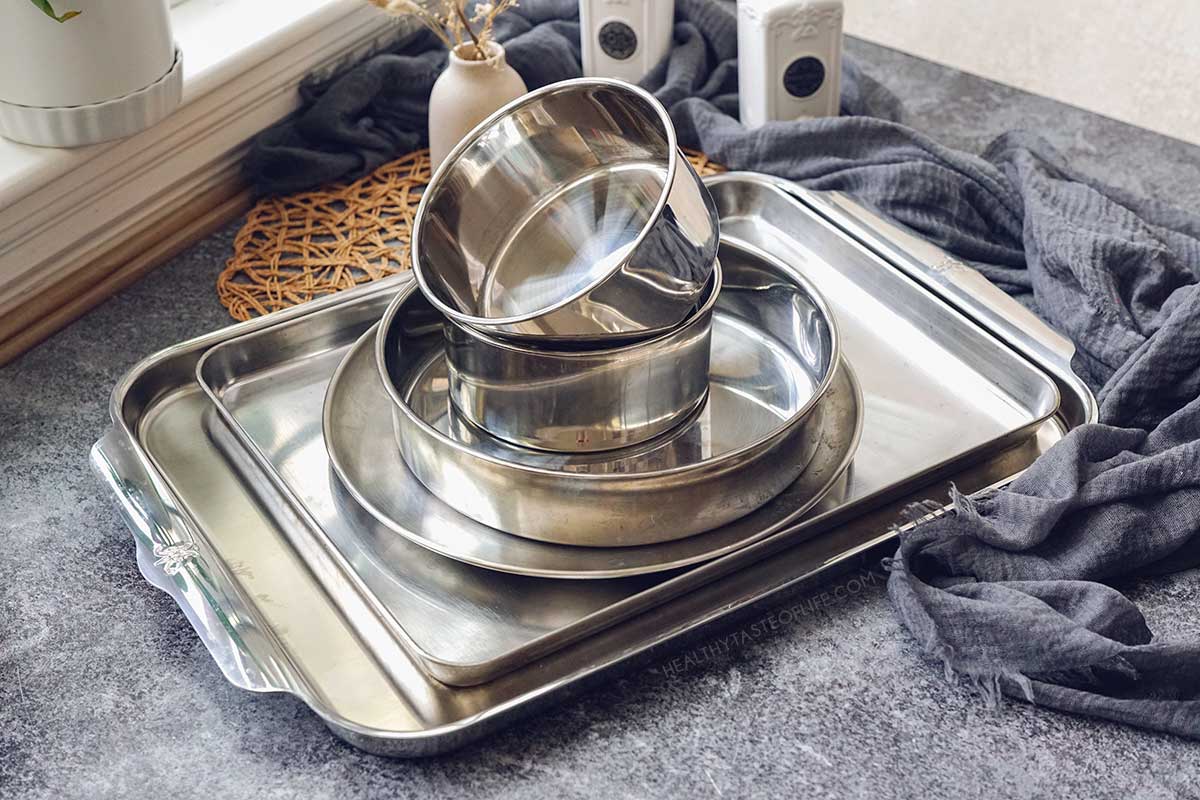
Stainless Steel Bakeware
Stainless steel bakeware is strong and does not react with food. It does not release harmful substances while cooking.
This type of bakeware heats quickly and is very durable. It is great for roasting and baking many types of food.
- Non-reactive and safe for all foods
- Durable and resists rust and corrosion
- Heats food evenly and quickly
- Easy to clean and maintain
Silicone Bakeware
Silicone bakeware is flexible and heat resistant. It does not contain chemicals like BPA or phthalates.
This bakeware is non-stick and easy to remove food from. It works well for muffins, cakes, and other baked goods.
- Flexible and easy to store
- Non-stick surface reduces grease use
- Safe for ovens, microwaves, and freezers
- Does not emit toxins at baking temperatures
Credit: healthytasteoflife.com
Environmental Impact
Using non-toxic bakeware helps protect the environment. These products often have less harmful chemicals.
Choosing safer bakeware reduces pollution and waste. It supports a cleaner planet for everyone.
Less Chemical Pollution
Non-toxic bakeware avoids harmful substances like PTFE and PFOA. These chemicals can pollute water and soil.
Using safer materials means fewer toxins enter the environment during production and disposal.
Longer Product Life
Non-toxic bakeware is often made from strong, durable materials. This means the products last longer.
Long-lasting bakeware reduces waste and lowers the need for frequent replacements.
Safer Manufacturing Process
Making non-toxic bakeware uses fewer harmful chemicals. This helps reduce air and water pollution.
Workers and nearby communities face fewer health risks during production.
Easier Recycling And Disposal
Non-toxic bakeware often contains materials that recycle better. This lowers landfill waste.
Proper disposal causes less harm to soil and water compared to toxic bakeware.
Durability And Longevity
Non-toxic bakeware lasts longer than many traditional options. It resists wear and tear during cooking.
Choosing durable bakeware reduces the need to replace items often. This saves money and reduces waste.
Strong Materials
Non-toxic bakeware uses materials like ceramic, glass, and stainless steel. These materials hold up well under heat.
- Ceramic resists scratches and chips.
- Glass is non-porous and easy to clean.
- Stainless steel does not rust or warp.
Safe For High Temperatures
Many non-toxic bakeware types handle high oven temperatures safely. This prevents damage and extends use.
They do not release harmful chemicals even when heated. This helps keep the bakeware intact for longer.
Comparison Of Bakeware Durability
| Material | Scratch Resistance | Heat Tolerance | Lifespan |
| Ceramic | High | Up to 500°F | 5-10 years |
| Glass | Medium | Up to 450°F | 7-12 years |
| Stainless Steel | Very High | Up to 600°F | 10-15 years |
| Non-stick Coated | Low | Up to 400°F | 2-5 years |
Cost-effectiveness
Choosing non-toxic bakeware can save money over time. These products last longer and reduce replacement costs.
Non-toxic bakeware also helps avoid health expenses linked to harmful chemicals. This makes it a smart investment.
Non-toxic bakeware is often made from strong materials. They resist scratches and warping better than cheap alternatives.
This means you spend less on replacing broken pans and trays. Durable bakeware saves money in the long run.
Lower Health Costs
Some bakeware releases harmful chemicals when heated. Non-toxic options avoid this risk and protect your health.
Spending less on medical bills and treatments adds to the cost savings of non-toxic bakeware.
Energy Efficiency
Good quality non-toxic bakeware often heats evenly. This reduces cooking time and lowers electricity or gas use.
- Heats faster and more evenly
- Requires less oven time
- Reduces energy bills
Comparing Costs
| Type of Bakeware | Initial Cost | Replacement Frequency | Health Risk Cost |
| Non-Toxic Bakeware | Medium | Low | Minimal |
| Cheap Toxic Bakeware | Low | High | High |
Tips For Choosing Non-toxic Bakeware
Choosing the right bakeware helps keep your food safe and healthy. Non-toxic bakeware does not release harmful chemicals when heated.
Learn how to pick bakeware that protects your health and lasts long in your kitchen.
Look For Safe Materials
Choose bakeware made from glass, ceramic, or stainless steel. These materials do not react with food or release toxins.
Avoid Harmful Coatings
Steer clear of bakeware with non-stick coatings that contain PFOA or PTFE. These chemicals can harm your health when heated.
Check For Certification Labels
Look for bakeware with certifications like FDA approval or BPA-free labels. These show the product meets safety standards.
Consider Durability And Maintenance
- Choose bakeware that resists chipping and cracking.
- Pick items easy to clean without harsh chemicals.
- Look for products that can handle high oven temperatures.
Compare Common Non-toxic Bakeware Types
| Material | Safety | Care Tips |
|---|---|---|
| Glass | Very safe, no toxins | Handle with care to avoid breaking |
| Ceramic | Safe if lead-free glaze is used | Avoid sudden temperature changes |
| Stainless Steel | Non-reactive and durable | Use non-abrasive cleaners |
| Silicone | Safe if BPA-free | Check for high-quality, food-grade silicone |
Care And Maintenance
Non-toxic bakeware helps keep your food safe and healthy. Proper care makes it last longer. It also keeps the surface smooth and easy to clean.
Knowing the right way to clean and store your bakeware keeps it in good shape. This guide explains simple tips for care and maintenance.
Cleaning Tips
Wash your bakeware by hand with warm water and mild soap. Avoid harsh scrubbers that can damage the surface. Let it dry completely before storing.
- Use a soft sponge or cloth
- Do not use steel wool or abrasive pads
- Avoid dishwasher if possible
- Remove stuck food with baking soda paste
Storage Advice
Store your bakeware in a dry, cool place. Avoid stacking heavy items on top to prevent warping. Use protective liners or cloth between pieces.
| Storage Tip | Reason |
| Keep in a dry cupboard | Prevents rust and mold |
| Use cloth liners between pans | Protects surface coating |
| Do not stack heavy items | Avoids bending and dents |
Avoiding Damage
Do not use metal utensils on non-toxic bakeware. High heat can also cause damage. Follow the manufacturer’s temperature guidelines.
- Use wooden or silicone tools
- Preheat oven to recommended temperatures
- Do not leave bakeware empty in a hot oven
- Cool bakeware before cleaning
Credit: healthytasteoflife.com
Frequently Asked Questions
What Are Non-toxic Bakeware Materials?
Non-toxic bakeware includes materials like ceramic, glass, and stainless steel. These materials do not release harmful chemicals when heated. They ensure safer cooking by avoiding toxins found in some coated or plastic bakeware. Choosing non-toxic bakeware promotes healthier meals and reduces exposure to hazardous substances.
How Does Non-toxic Bakeware Improve Health?
Non-toxic bakeware prevents chemical leaching into food during baking. This reduces risks of toxins like BPA or PFOA affecting your health. Using safe bakeware supports cleaner cooking and lowers chances of food contamination. It contributes to overall well-being by ensuring safer food preparation.
Are Non-toxic Bakeware Options Eco-friendly?
Yes, many non-toxic bakeware products are eco-friendly. They often use sustainable materials and avoid harmful chemicals. This reduces environmental pollution and supports greener kitchen practices. Choosing eco-friendly bakeware benefits both your health and the planet.
Can Non-toxic Bakeware Withstand High Temperatures?
Most non-toxic bakeware materials like glass, ceramic, and stainless steel tolerate high oven temperatures well. They maintain durability without releasing toxins. This makes them suitable for various baking needs while ensuring safety and longevity in your kitchen tools.
Conclusion
Non-toxic bakeware keeps your food safe and healthy. It avoids harmful chemicals that can harm your body. You enjoy cooking without worrying about toxins. These bakeware items last longer and clean easily. They also help keep flavors pure and fresh.
Choosing non-toxic options supports a safer kitchen and lifestyle. Small changes make a big difference in your health. Why not make your baking safer today? Your family deserves the best in every meal. Safe bakeware is a smart, simple choice for everyone.