
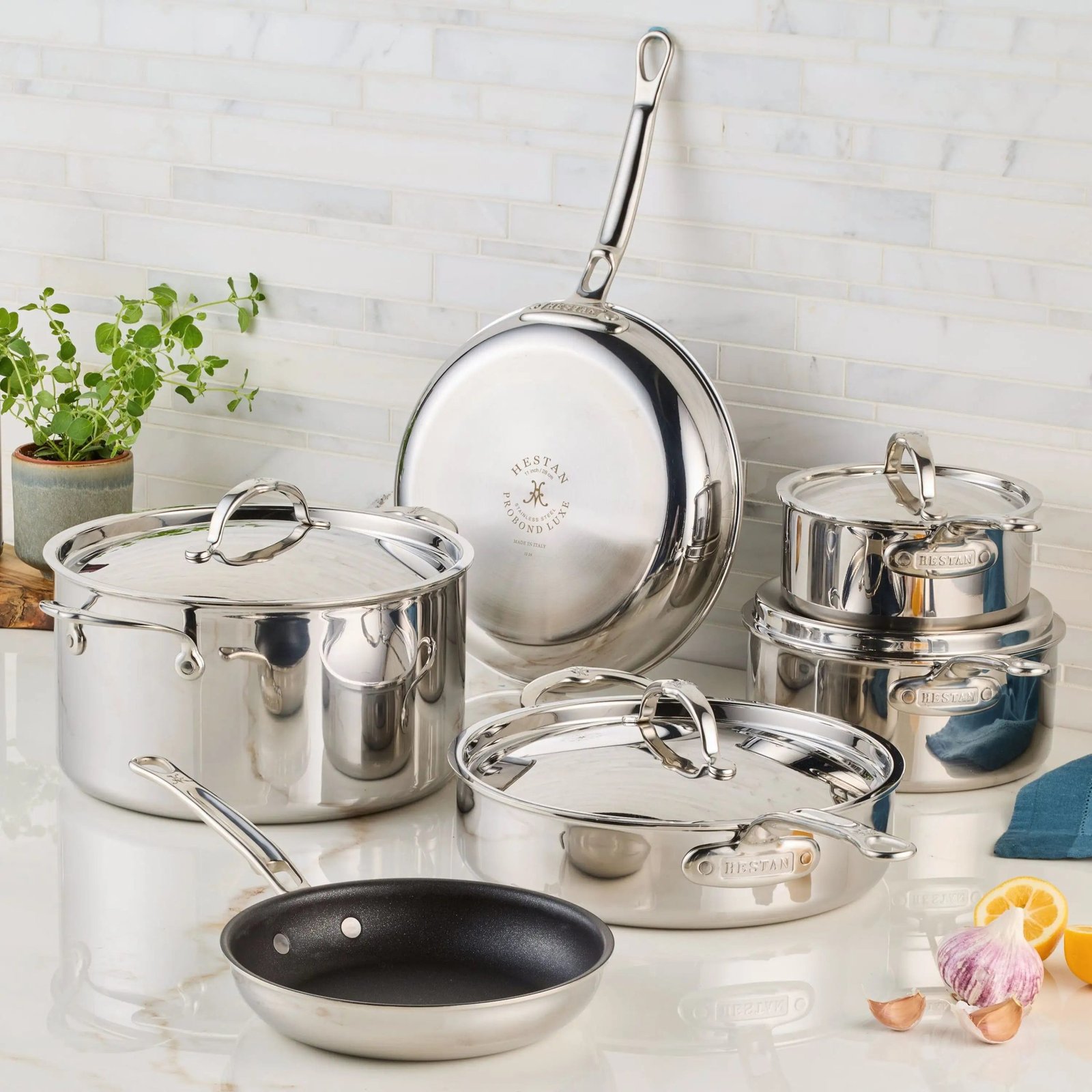
Have you ever struggled with uneven cooking or burnt food sticking to the bottom of your pot? The secret to solving these common kitchen problems might be simpler than you think.
Heavy-bottomed pots offer a game-changing cooking experience that can improve the taste and texture of your meals. Imagine cooking with a pot that distributes heat evenly, prevents hot spots, and keeps your food from scorching. You’ll discover how heavy-bottomed pots can transform your cooking and why they deserve a spot in your kitchen.
Keep reading to unlock the benefits that will make every dish you prepare turn out just right.
Why Choose Heavy-bottomed Pots
Heavy-bottomed pots are popular for good reasons. They offer better heat distribution and cooking control.
These pots help prevent food from burning and sticking. They are useful for many cooking styles.
The thick base spreads heat evenly across the pot. This stops hot spots that can burn food.
- Better cooking results
- Reduced risk of burning
- Consistent temperature
Durability And Stability
Heavy-bottomed pots are strong and last a long time. They stay steady on the stove during cooking.
They resist warping even after frequent use. This makes them a good investment for any kitchen.
Better Heat Retention
These pots keep heat longer than thin pots. This helps food cook thoroughly and stay warm.
| Feature | Benefit |
| Thick Base | Distributes heat evenly |
| Heavy Weight | Prevents warping |
| Heat Retention | Keeps food warm longer |
Heavy-bottomed pots work well for many recipes. You can simmer, sauté, or stew with ease.
Use these pots on gas, electric, or induction stoves. They handle high and low heat with no issues.

Credit: www.amazon.ca
Durability Advantage
Heavy-bottomed pots last longer than regular pots. They are built to handle heat and daily use well.
These pots resist damage from cooking and cleaning. They keep their shape and strength over time.
Long-lasting Materials
Heavy-bottomed pots use strong materials like stainless steel and cast iron. These materials do not wear out quickly.
They resist scratches and dents better than thin pots. This makes them last for years without losing quality.
- Stainless steel resists rust and corrosion
- Cast iron holds heat well and stays sturdy
- Thick metal layers prevent quick damage
Resistance To Warping
Heavy-bottomed pots do not bend or warp easily. The thick base spreads heat evenly and stays flat.
When pots warp, they lose contact with the stove and cook food unevenly. Heavy bottoms avoid this problem.
- Thick base prevents bending under heat
- Maintains even cooking surface for better results
- Supports heavy cooking without changing shape
Even Heat Distribution
Heavy-bottomed pots spread heat evenly across the cooking surface. This helps food cook at a steady temperature.
Even heat stops food from burning in one spot while staying raw in another.
Prevention Of Hot Spots
Hot spots happen when heat concentrates in one area of the pot. This causes uneven cooking and burning.
Heavy bottoms absorb and spread heat well. They reduce hot spots by keeping temperature consistent.
- Stops food from burning in patches
- Helps food cook evenly all over
- Protects delicate sauces from scorching
Consistent Cooking Results
Heavy-bottomed pots keep heat steady during cooking. This gives reliable and repeatable results.
Chefs can trust these pots to cook food fully without guesswork or frequent stirring.
- Foods cook evenly every time
- Reduces risk of undercooked or burnt dishes
- Maintains stable temperature for long cooking

Credit: www.walmart.com
Energy Efficiency
Heavy-bottomed pots help cook food using less energy. They keep heat steady and reduce heat loss.
Using these pots can lower your kitchen’s energy needs. This saves fuel or electricity during cooking.
Retaining Heat Longer
Heavy-bottomed pots hold heat better than thin pots. Their thick base stores warmth and spreads it evenly.
- Heat stays longer after turning off the stove
- Food cooks evenly without hot spots
- Less need to keep the flame high for a long time
Reducing Energy Consumption
Using heavy-bottomed pots lowers the amount of energy needed to cook meals. This helps reduce utility costs.
| Benefit | How It Saves Energy |
| Even Cooking | Less heat needed to cook food through |
| Heat Retention | Maintains warmth without constant heating |
| Reduced Cooking Time | Food cooks faster with steady heat |
Versatility In Cooking
Heavy-bottomed pots are useful tools in the kitchen. They help cook food evenly and keep heat steady.
This type of pot works well for many cooking styles and recipes. It adapts to different heat sources easily.
Adapting To Various Cooktops
Heavy-bottomed pots work on many cooktops. They spread heat evenly on gas, electric, and induction stoves.
- Gas stoves: The pot handles open flames without warping.
- Electric stoves: It keeps heat steady on flat surfaces.
- Induction cooktops: The pot’s material often works with magnetic fields.
- Glass tops: The heavy bottom prevents scratches and damage.
Suitable For Diverse Recipes
These pots fit many recipes, from slow cooking to frying. Their design helps control temperature well.
| Cooking Method | Benefits of Heavy-Bottomed Pots |
| Simmering | Keeps heat low and even for long times |
| Searing | Maintains high heat without hot spots |
| Braising | Distributes heat slowly for tender results |
| Frying | Prevents burning with steady temperature |
Safety And Stability
Heavy-bottomed pots provide better safety during cooking. They stay stable on the stove. This reduces the chance of accidents.
These pots help keep your cooking area clean and safe. Their weight and design stop sudden movements.
Reducing Spill Risks
The thick base of heavy-bottomed pots keeps them steady on the burner. This lowers the chance of tipping or slipping. Spills can cause burns or messes.
Stable pots mean less worry about hot liquids spilling. This is especially helpful when cooking soups or sauces.
- Heavy base resists sliding
- Even weight distribution prevents tipping
- Strong grip on stovetop surface
Enhanced Cooking Control
Heavy-bottomed pots heat evenly, giving you better control over cooking. This helps avoid hot spots that can burn food.
With steady heat, you can cook food at the right temperature. This makes cooking safer and your dishes tastier.
- Even heat spreads across the pot
- Stable pot reduces need for constant adjustment
- Better control helps prevent accidents
Choosing The Right Pot
Picking the right pot is important for cooking success. Heavy-bottomed pots offer steady heat and prevent burning. Knowing what to look for helps you choose well.
This guide covers key points like material, size, and weight. These factors affect how your pot performs in the kitchen.
Considerations For Material
Materials affect heat distribution and pot durability. Heavy-bottomed pots often use metals like cast iron or stainless steel. These hold heat well and cook food evenly.
- Cast iron keeps heat steady and lasts long.
- Stainless steel resists rust and is easy to clean.
- Copper heats quickly but may need lining.
- Aluminum is light but less durable.
Size And Weight Factors
Size matters for the amount of food you want to cook. Weight shows how thick the pot bottom is. A thicker bottom means better heat control.
| Size | Use | Weight Impact |
| Small (1-2 quarts) | Side dishes, sauces | Light, easy to handle |
| Medium (3-5 quarts) | Everyday meals | Balanced weight |
| Large (6+ quarts) | Soups, stews, big batches | Heavier, needs strong handles |
Credit: medium.com
Frequently Asked Questions
What Are Heavy-bottomed Pots Used For?
Heavy-bottomed pots are ideal for even heat distribution. They prevent hot spots, making them perfect for slow cooking and simmering.
How Do Heavy-bottomed Pots Improve Cooking?
These pots retain heat longer and distribute it evenly. This ensures consistent cooking and reduces the risk of burning food.
Are Heavy-bottomed Pots Energy Efficient?
Yes, they require lower heat settings due to excellent heat retention. This saves energy and keeps your kitchen cooler.
Can Heavy-bottomed Pots Prevent Food Sticking?
Their thick base reduces direct heat contact. This minimizes food sticking and allows for easier stirring and cleaning.
Conclusion
Heavy-bottomed pots help cook food evenly and prevent burning. They keep heat steady for better results. These pots work well on all stove types. They last longer and save energy in the kitchen. Choosing a heavy-bottomed pot makes cooking easier and more fun.
Everyone can enjoy tastier meals with less worry. A simple tool that improves your daily cooking. Worth having in every kitchen for great cooking experiences.