
Are you tired of scrubbing stubborn food off your frying pans? Imagine cooking your favorite meals without worrying about sticky residues or harmful chemicals.
Ceramic frying pans might be the game-changer your kitchen needs. They offer more than just a pretty look—they can make your cooking healthier, easier, and more enjoyable. Keep reading to discover how switching to a ceramic frying pan can transform your daily cooking experience.
Why Choose Ceramic Frying Pans
Ceramic frying pans offer a safe and healthy way to cook food. They heat evenly and are easy to clean.
These pans work well for many cooking styles and last a long time if cared for properly.
Non-toxic Cooking Surface
Ceramic pans have a coating made from natural materials. They do not release harmful chemicals.
This makes them a safer choice than some non-stick pans that use synthetic chemicals.
Even Heat Distribution
Ceramic frying pans spread heat evenly across the surface. This helps food cook better.
Even heat prevents hot spots that can burn food or cause uneven cooking.
Easy To Clean
The smooth ceramic surface stops food from sticking. This makes cleaning quick and simple.
You can often clean ceramic pans with just warm water and mild soap.
Scratch Resistance
Ceramic coatings are harder and more scratch-resistant than many other non-stick surfaces.
This means the pan keeps its smooth surface longer, even with regular use.
Environmentally Friendly
Ceramic pans use natural materials that break down safely. They are better for the planet.
They do not release toxic fumes during cooking or disposal.
Suitable For Various Cooktops
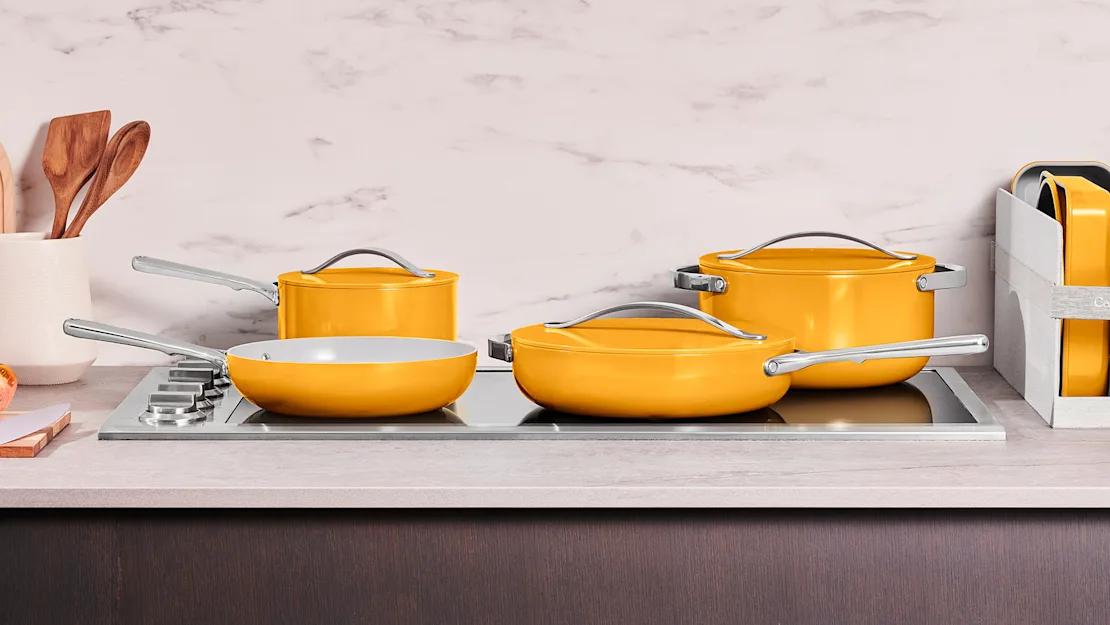
Ceramic frying pans work well on gas, electric, and ceramic cooktops. Some are even safe for induction.
This makes them a versatile choice for many kitchens.
Credit: xtrema.com
Non-toxic Cooking
Ceramic frying pans offer a safer way to cook food. They do not release harmful chemicals when heated.
Using ceramic pans helps keep your meals free from toxins. This is good for your health and family.
No Harmful Chemicals
Ceramic pans do not contain chemicals like PFOA or PTFE. These chemicals can release fumes when heated.
With ceramic pans, you avoid breathing in these dangerous substances. This keeps your kitchen air clean.
Safe Cooking Surface
The ceramic coating creates a smooth, non-stick surface that does not chip or peel easily. This stops flakes from mixing with your food.
This safe surface means you eat clean food without any unwanted particles. It helps maintain food purity.
Better Heat Distribution
Ceramic pans heat evenly, so food cooks at a consistent temperature. This reduces the chance of burning food and creating toxins.
Even cooking also preserves the nutrients in your meals. This supports a healthier diet.
Easy To Clean
Ceramic pans are simple to clean without harsh chemicals. This means no toxic residues remain on the pan.
Cleaning with mild soap and water keeps the pan safe for your next meal. It also extends the pan’s life.
Superior Heat Distribution
Ceramic frying pans spread heat evenly across the cooking surface. This helps food cook more uniformly.
Even heat reduces hot spots that can burn food. It also improves cooking control and efficiency.
Why Even Heat Matters
Uneven heat causes some parts of food to burn while others stay undercooked. Ceramic pans avoid this problem.
Consistent heat helps retain food texture and flavor. It also saves cooking time by heating fast and steady.
How Ceramic Coating Helps
The ceramic layer spreads heat smoothly from the pan’s base to its edges. This reduces hot spots.
- Improves temperature control
- Prevents food sticking to the pan
- Makes cleaning easier due to less burnt residue
Heat Distribution Compared To Other Pans
| Type of Pan | Heat Distribution Quality | Common Issue |
| Ceramic | High | Minimal hot spots |
| Non-stick Aluminum | Medium | Uneven heating edges |
| Cast Iron | Low to Medium | Slow to heat up |
Durability And Longevity
Ceramic frying pans last a long time with proper care. Their strong surface resists scratches and wear.
Choosing a durable pan saves money by avoiding frequent replacements. Ceramic pans maintain their quality over years.
Scratch Resistance
Ceramic coating is harder than many other surfaces. It resists scratches from metal utensils and cleaning tools.
This resistance helps keep the pan smooth and easy to clean. It also keeps food from sticking over time.
Heat Resistance
Ceramic pans handle high heat without damage. The coating does not break down easily under heat stress.
This quality lets you cook at different temperatures without worrying about warping or coating damage.
Non-toxic And Safe Materials
Ceramic coatings are free from harmful chemicals like PTFE and PFOA. This makes them safer and longer-lasting.
Safe materials reduce risks of coating breakdown and health hazards, adding to the pan’s longevity.
Ceramic pans clean easily without harsh scrubbing. Gentle cleaning helps maintain the coating longer.
- Use soft sponges or cloths
- Avoid abrasive cleaners
- Hand wash recommended for best care
Easy Maintenance
Ceramic frying pans are popular for their simple upkeep. They do not require special cleaners or tools. This makes them great for everyday use.
The smooth, non-stick surface helps food not stick. This feature reduces scrubbing time after cooking. You can keep your pan clean with little effort.
Simple Cleaning Process
Cleaning ceramic pans is easy. Usually, warm water and mild soap remove food quickly. Avoid harsh chemicals that can damage the coating.
- Use a soft sponge or cloth
- Wash immediately after use to prevent residue
- Rinse thoroughly to remove soap
- Dry with a soft towel to prevent water spots
Durability Of Ceramic Coating
The ceramic coating resists scratches and stains well. This means your pan stays looking new longer. Proper care keeps the surface intact.
| Care Tip | Benefit |
| Use wooden or silicone utensils | Prevents scratches |
| Avoid metal scrubbers | Keeps coating smooth |
| Hand wash instead of dishwasher | Extends life of coating |
Storage And Handling
Store ceramic pans carefully to avoid damage. Stack them with a soft cloth between pans. This prevents chipping and keeps the surface clean.
Remember to avoid dropping the pan or hitting hard surfaces. Gentle handling helps maintain the pan’s appearance and function.
Credit: misen.com
Versatile Cooking Options
Ceramic frying pans suit many cooking styles. They work well on different heat levels.
You can use them for frying, sautéing, and even baking. Their smooth surface helps food cook evenly.
Works On Various Heat Sources
Ceramic pans can be used on gas, electric, and induction stoves. They handle heat changes quickly and safely.
Ideal For Different Cooking Methods
- Frying eggs and pancakes
- Sautéing vegetables and meats
- Simmering sauces and stews
- Baking small dishes in the oven
Easy Temperature Control
| Cooking Method | Recommended Heat Level |
| Frying | Medium to High |
| Sautéing | Medium |
| Simmering | Low to Medium |
| Baking | Oven Temperature |
Safe For Various Recipes
Ceramic pans do not release harmful chemicals at high temperatures. They suit recipes that require gentle or strong heat.
Eco-friendly Manufacturing
Ceramic frying pans are made using processes that care for the planet. Their production uses fewer harmful chemicals than traditional pans. This helps reduce pollution and protects natural resources.
Many manufacturers focus on lowering energy use and waste during making ceramic pans. This approach supports a cleaner environment and promotes sustainability in the kitchenware industry.
Use Of Natural Materials
Ceramic pans often use clay and sand, which are natural and abundant materials. These materials break down easily and do not add to landfill waste. They also avoid toxic metals that harm the earth.
Low Energy Production
Making ceramic pans requires less heat than metal pans. This means factories use less fuel and electricity. Lower energy use reduces carbon emissions and helps fight climate change.
- Firing ceramic pans at lower temperatures
- Using energy-efficient kilns
- Recycling heat during production
Non-toxic Coatings
The ceramic coating on pans is free from harmful chemicals like PFOA and PTFE. This makes them safer for both the user and the environment. These coatings do not release toxic fumes during cooking or disposal.
Waste Reduction Practices
| Practice | Benefit |
| Reusing scrap materials | Less landfill waste |
| Recycling water in cleaning | Conserves water resources |
| Minimizing packaging | Reduces plastic use |
Cost-effectiveness
Ceramic frying pans offer a good balance between price and durability. They last long and perform well in daily cooking.
Choosing a ceramic pan can save money over time because you spend less on replacements and extra cooking oil.
Affordable Initial Purchase
Ceramic pans are often priced lower than high-end stainless steel or cast iron pans. This makes them easy to buy for most budgets.
Lower Maintenance Costs
These pans do not require special cleaners or conditioners. Gentle washing with soap and water keeps them in good shape.
Energy Savings While Cooking
Ceramic pans heat up quickly and keep heat well. This means you can cook faster using less energy.
- Heats evenly, reducing cooking time
- Works well on low to medium heat settings
- Prevents food from sticking, saving oil and gas
Durability Compared To Other Pans
| Pan Type | Typical Lifespan | Cost Over 5 Years |
|---|---|---|
| Ceramic | 3-5 years | Moderate |
| Non-stick (Teflon) | 1-3 years | High (due to replacements) |
| Cast Iron | 10+ years | High upfront, low long term |
Cooking Tips For Ceramic Pans
Ceramic frying pans are popular for healthy cooking. They heat evenly and are easy to clean.
Using the right techniques helps keep your ceramic pan in good shape. It also improves your cooking results.
Preheating Techniques
Always preheat your ceramic pan on low to medium heat. This prevents damage to the coating.
Wait a few minutes before adding food. You can test the heat by sprinkling a few drops of water. If they dance, the pan is ready.
- Use low or medium heat to avoid overheating
- Preheat for 2 to 3 minutes before cooking
- Test heat with water drops to check readiness
Oil And Fat Usage
Use a small amount of oil or fat to improve food release. Too much oil can cause splatter and smoke.
Choose oils with high smoke points like avocado or canola oil. Avoid cooking sprays that may leave residue.
- Add a thin layer of oil before heating
- Use oils with high smoke points for best results
- Avoid cooking sprays to protect the ceramic surface
Cleaning Best Practices
Clean your ceramic pan after each use. Let it cool before washing to avoid warping.
Use warm water and mild dish soap with a soft sponge. Avoid abrasive cleaners and metal scrubbers.
- Let pan cool before cleaning
- Wash with warm water and mild soap
- Use soft sponges, avoid abrasive tools
- Dry pan completely before storing
Comparing Ceramic With Other Materials
Ceramic frying pans are popular for their unique cooking features. This guide compares ceramic pans with other common materials. Learn the differences in cooking performance and care.
Understanding these materials helps you choose the right pan for your kitchen needs. Each type has benefits and drawbacks to consider.
Ceramic Vs. Non-stick
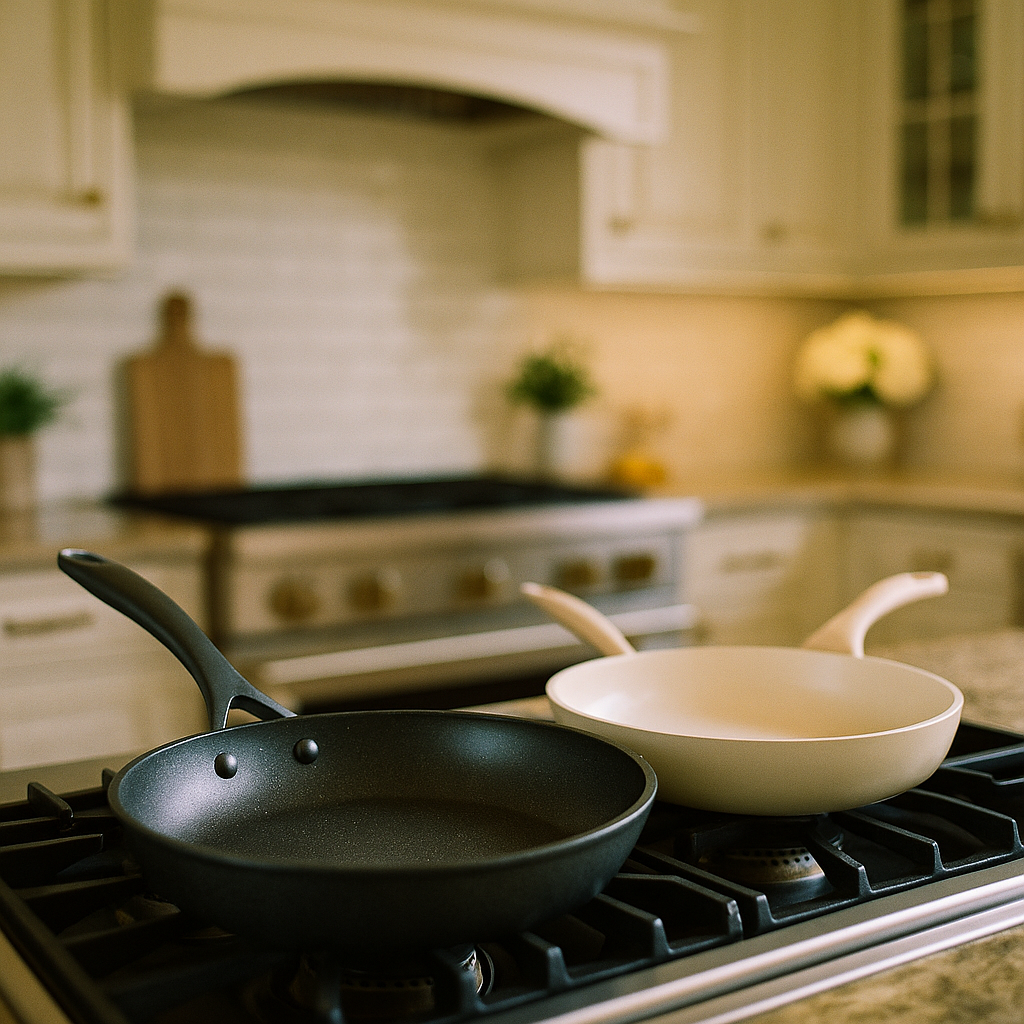
Ceramic pans use a natural coating made from sand and minerals. Non-stick pans often use synthetic coatings like Teflon. Both aim to prevent food from sticking.
- Ceramic pans are free from PTFE and PFOA chemicals.
- Non-stick pans heat up faster but can scratch easily.
- Ceramic pans can handle higher cooking temperatures safely.
- Non-stick coatings wear out sooner and need careful use.
- Ceramic pans often require less oil for cooking.
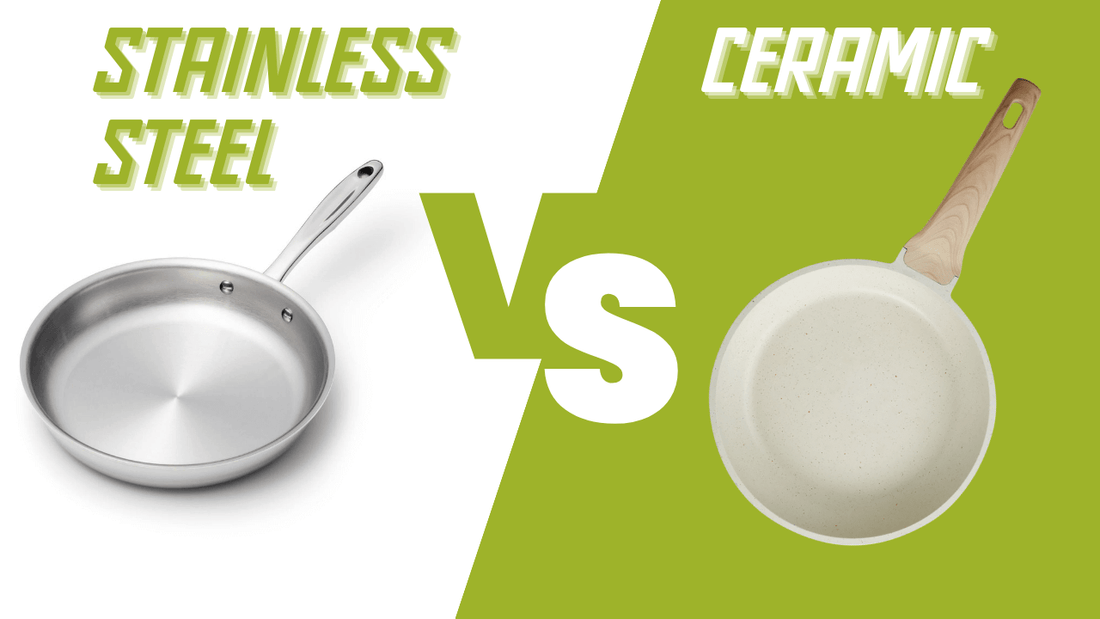
Ceramic Vs. Stainless Steel
Stainless steel pans are durable and great for browning food. Ceramic pans offer non-stick properties without the metal surface. Both have different cleaning and cooking styles.
| Feature | Ceramic | Stainless Steel |
|---|---|---|
| Non-stick ability | Good without chemicals | Low, food can stick easily |
| Durability | Moderate, coating can chip | High, resists scratches and dents |
| Heat tolerance | High, but avoid sudden changes | Very high, ideal for searing |
| Cleaning | Easy, usually hand wash | Can be harder, needs scrubbing |
Ceramic Vs. Cast Iron
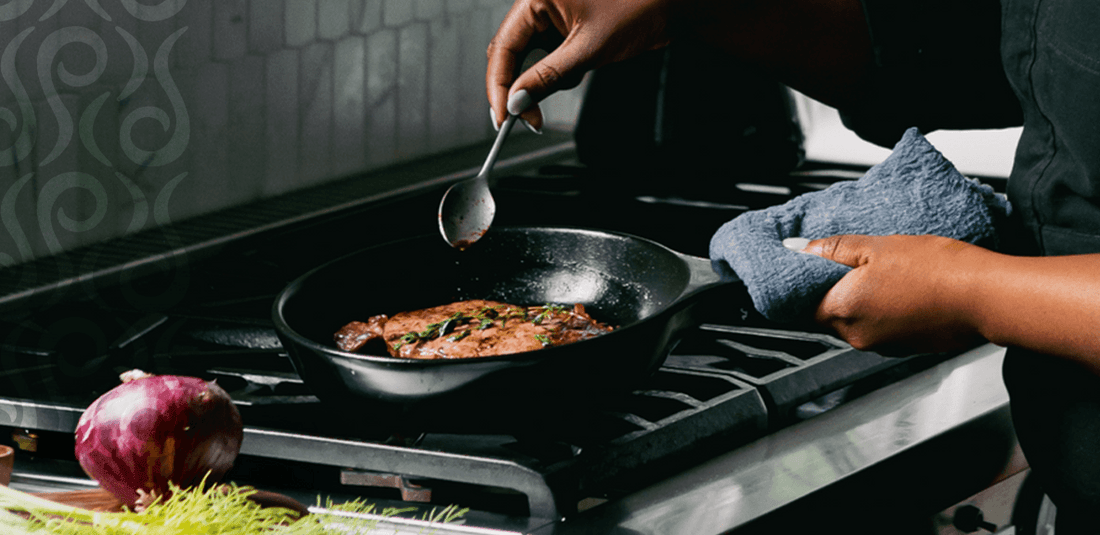
Cast iron pans hold heat well and last a lifetime. Ceramic pans heat quickly and offer a lighter option. Both need special care to keep their surfaces in good shape.
- Ceramic pans are lighter and easier to handle.
- Cast iron requires seasoning to keep food from sticking.
- Ceramic does not rust like cast iron can.
- Cast iron pans improve flavor with use over time.
- Ceramic pans cool down faster after cooking.
Credit: www.carawayhome.com
Frequently Asked Questions
What Makes Ceramic Frying Pans Better Than Traditional Pans?
Ceramic frying pans have a non-toxic, non-stick coating that is free from harmful chemicals. They heat evenly and are easy to clean, reducing oil use and promoting healthier cooking.
Are Ceramic Frying Pans Safe For High-heat Cooking?
Ceramic pans can handle moderate heat well but may degrade under very high temperatures. It’s best to use medium heat to preserve the non-stick surface and extend the pan’s lifespan.
How Do Ceramic Frying Pans Improve Cooking Health?
Ceramic coatings require less oil or butter, reducing calorie intake. They are free from PTFE and PFOA, chemicals linked to health risks, making cooking safer and healthier.
Can Ceramic Frying Pans Be Used On All Stovetops?
Most ceramic frying pans work well on gas, electric, and ceramic stovetops. However, check if the pan is compatible with induction cooktops before use for best results.
Conclusion
Ceramic frying pans offer many benefits for daily cooking. They heat evenly and cook food well. Their non-stick surface makes cleaning easy. These pans need less oil, helping you eat healthier. They do not release harmful chemicals when heated. Ceramic pans last long with proper care.
Choosing one can improve your cooking experience. Try a ceramic frying pan to enjoy simple, healthy meals.