
Handling hot pots and pans can be risky if you’re not careful. One wrong move could lead to burns, spills, or even a kitchen accident.
But don’t worry—by learning a few simple tips, you can keep yourself and your kitchen safe every time you cook. You’ll discover easy and effective ways to handle hot cookware with confidence. Keep reading to protect your hands, avoid messes, and make cooking a safer, more enjoyable experience.
Your safety in the kitchen starts here.
Credit: schaumburgspecialties.com
Choosing The Right Cookware
Using hot pots and pans safely starts with picking the right cookware. The right tools help prevent burns and spills.
Consider the material, weight, and handles. These features affect how easy and safe your cooking feels.
Material Matters
Cookware material changes how heat spreads and how heavy pots become. Some materials heat up fast, others hold heat longer.
Choose materials that fit your cooking style and safety needs. Avoid materials that get too hot on the handle.
- Stainless steel is durable and does not react with food.
- Cast iron holds heat well but is heavy.
- Aluminum heats fast but may warp if thin.
- Ceramic is non-stick and stays cooler.
Weight Considerations
Heavy pots can be hard to lift safely. Light cookware is easier to handle but may not last as long.
Pick a weight that you can hold comfortably when full. This helps avoid spills and accidents in the kitchen.
- Heavy pots hold heat but need two hands to lift.
- Light pans are easy to move quickly.
- Test the weight before buying if possible.
Handle Design
Good handles give a strong grip and stay cool. Poor handles can slip and cause burns or drops.
Look for handles that fit your hand well. Handles should be attached firmly to avoid wobbling.
- Silicone or rubber grips offer better hold and heat protection.
- Long handles help keep hands away from heat.
- Check that handles do not get too hot during cooking.

Credit: food52.com
Using Protective Gear
Handling hot pots and pans can cause burns or accidents. Using the right protective gear keeps you safe in the kitchen.
Protective gear helps you hold hot items firmly and avoid injuries. Always wear it when cooking with heat.
Heat-resistant Gloves
Heat-resistant gloves protect your hands from burns when touching hot pots or pans. They provide a strong grip to prevent slipping.
Choose gloves made from materials like silicone or thick fabric. Make sure they fit well and cover your wrists for extra safety.
- Check the heat rating before buying
- Keep gloves clean and dry
- Replace gloves if they get damaged
- Use gloves on both hands for balance
Aprons And Safety Clothing
Aprons protect your clothes and skin from hot splashes and spills. Choose aprons made from thick, heat-resistant fabric.
Wear long sleeves and close-toed shoes to reduce injury risks. Safety clothing helps keep your body safe while cooking.
- Use aprons with adjustable straps for a good fit
- Wear clothes that cover your arms and legs
- Avoid loose clothing that can catch fire
- Choose shoes with non-slip soles
Safe Handling Techniques
Handling hot pots and pans can be dangerous. Use safe techniques to avoid burns.
Knowing how to hold and use pot holders helps keep your hands safe.
Proper Grip Methods
Always hold pots and pans with a firm grip. Use both hands if the item is heavy or large.
Keep your fingers away from hot surfaces. Hold handles close to the body for better control.
- Use your whole hand to grip the handle, not just fingers.
- Keep your wrist straight to prevent slipping.
- Check if the handle is stable before lifting.
- Lift slowly and steadily to avoid spills.
Using Pot Holders Effectively
Pot holders protect your hands from heat. Use thick, dry pot holders for best safety.
Make sure pot holders fully cover your hand and fingers. Avoid using wet or thin cloths.
- Place pot holders firmly around the handle or pot.
- Use oven mitts for very hot or heavy cookware.
- Keep pot holders clean and dry to avoid burns.
- Replace pot holders if they become worn or thin.
Preventing Burns And Scalds
Hot pots and pans can cause serious burns and scalds in the kitchen. Safe handling is very important to protect yourself and others.
Using the right tools and knowing how heat spreads helps prevent accidents. Follow simple tips to stay safe.
Understanding Heat Zones
Not all parts of a pot or pan get equally hot. The base is usually the hottest area. Handles and edges can also heat up, but sometimes less.
Knowing which parts are hot helps you avoid burns. Always use oven mitts or pot holders when touching any part of a hot pot or pan.
- The bottom center holds the most heat
- Handles may get hot if near the heat source
- Edges can cause steam burns if touched
- Use protective gear even if parts seem cool
Avoiding Overfills
Filling pots or pans too full can cause spills and burns. Hot liquids may splash out when boiling or moving the pot.
Leave space at the top to prevent overflow. This keeps your cooking area cleaner and safer.
- Fill pots only two-thirds full
- Reduce heat if liquid starts to boil over
- Use larger pots for bigger meals
- Handle pots with care to avoid spills
Storage And Maintenance
Handling hot pots and pans safely includes how you store and maintain them. Proper care keeps your cookware in good shape and prevents accidents.
This guide shares simple tips for safe storage and easy maintenance of your hot pots and pans.
Safe Storage Practices
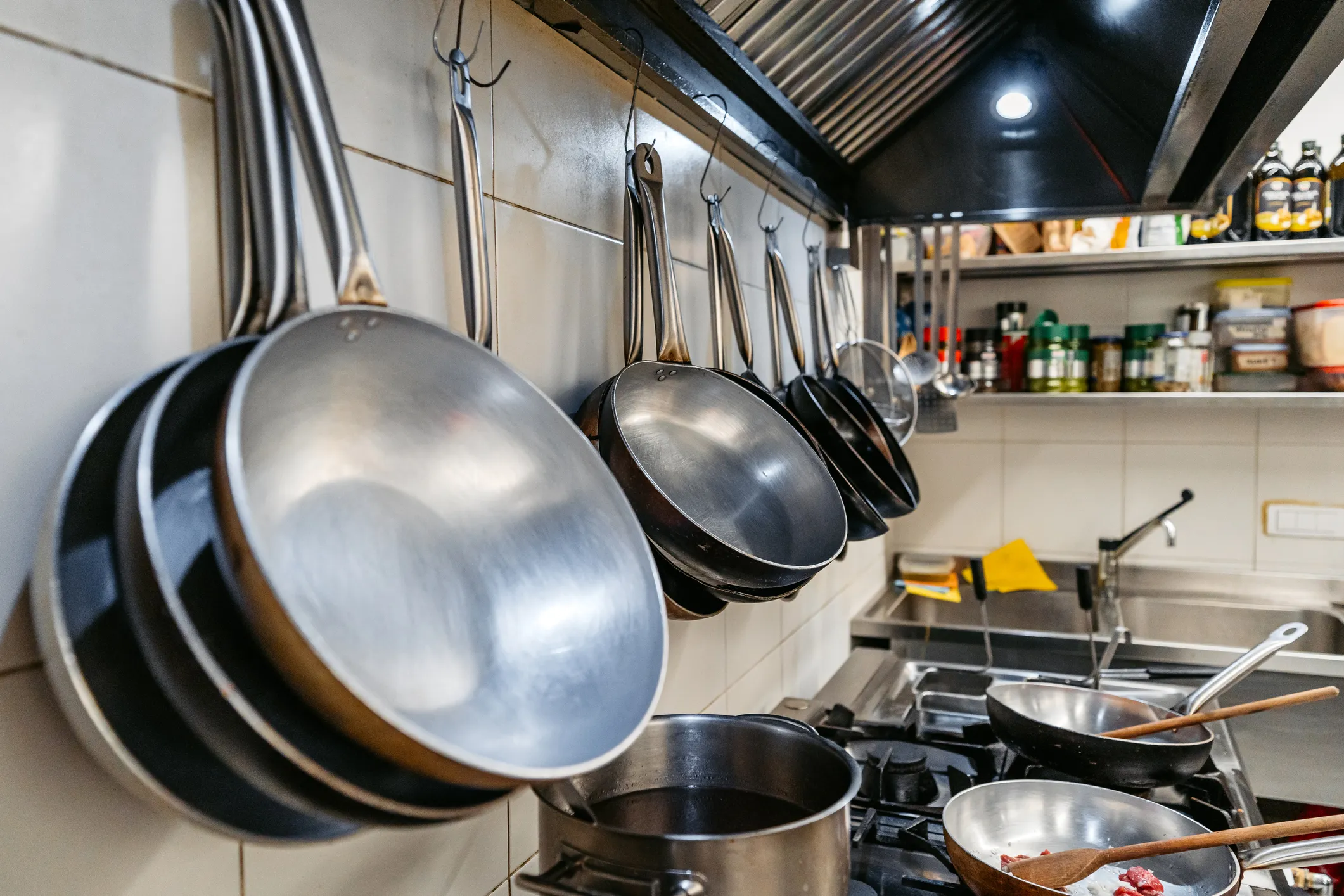
Store pots and pans where they are easy to reach but out of the way. Avoid stacking heavy items on top to prevent damage.
Use hooks or racks to hang your cookware. This saves space and keeps handles from getting damaged.
- Place hot pots on heat-resistant mats before storing
- Keep lids separate or store them upside down on pots
- Use padded dividers if stacking to avoid scratches
- Store handles away from edges to prevent accidents
- Ensure storage areas are dry to avoid rust
Regular Maintenance Tips
Clean your pots and pans after each use to stop buildup. Use gentle scrubbing to protect the surface.
Check for loose handles or damaged parts. Fix problems early to keep cooking safe and easy.
- Wash with warm water and mild soap
- Dry completely to prevent rust or stains
- Remove burnt food with baking soda and water paste
- Season cast iron pans regularly to keep the surface smooth
- Store cookware only when fully dry
Credit: www.work-tops.com
Emergency Measures
Handling hot pots and pans can cause burns if you are not careful. Knowing what to do in an emergency helps reduce damage.
Act quickly and calmly to treat burns and prevent further injury. This guide covers basic first aid and when to get medical help.
First Aid For Burns
Cool the burn with cool running water for 10 to 20 minutes. This helps reduce pain and swelling.
Do not use ice or very cold water, as it can damage the skin further. Remove any tight items like rings or watches carefully.
- Stop the burning by removing the source of heat
- Cool the burn with water, not ice
- Cover the burn with a clean, dry cloth
- Do not break blisters or apply ointments
When To Seek Medical Help
Call a doctor if the burn is larger than three inches or on the face, hands, feet, or genitals. These burns may need special care.
Seek help if the burn causes severe pain, blisters, or looks deep. Also, get medical help if signs of infection appear later.
- Burn covers a large area of the body
- Burn is deep, white, or charred
- Burn causes difficulty breathing or swelling
- Signs of infection like redness, pus, or fever
- Burn victim is a child, elderly, or has health issues
Frequently Asked Questions
How Can I Safely Lift Hot Pots And Pans?
Always use heat-resistant gloves or pot holders to grip hot cookware firmly. Avoid wet cloths, as steam can cause burns. Lift pots and pans carefully to prevent spills or accidents in the kitchen.
What Is The Best Way To Handle Hot Pot Handles?
Use oven mitts or silicone handle covers to protect your hands. Avoid touching handles directly after cooking. Ensure handles are dry and free from grease to prevent slipping.
How Should I Cool Down Hot Pots And Pans?
Allow pots and pans to cool on heatproof surfaces away from edges. Avoid running cold water on hot cookware to prevent warping. Let them cool naturally before cleaning or storing.
Can I Use Kitchen Towels To Handle Hot Cookware?
It’s safer to use thick, dry oven mitts or pot holders. Kitchen towels may not provide enough insulation and can slip easily. Proper protection reduces the risk of burns or dropping hot items.
Conclusion
Safe handling of hot pots and pans protects you from burns. Use oven mitts or thick cloths every time. Keep handles turned away from edges. Always place hot cookware on heat-resistant surfaces. Stay focused and avoid distractions while cooking. These small steps keep your kitchen safer.
Practice them daily for best results. Safety in the kitchen starts with simple habits. Stay cautious and enjoy cooking without worry.