
Mold on your countertops is more than just an eyesore—it can affect your health and damage your kitchen. You might think it’s hard to keep mold away, but with the right steps, you can protect your surfaces and keep your home fresh.
You’ll discover simple, effective ways to prevent mold from taking hold on your countertops. Keep reading to learn how you can maintain a clean, healthy kitchen environment effortlessly.
Credit: www.bustmold.com
Identify Common Mold Hotspots
Mold grows easily in damp and warm places. It can hide in many spots on your countertops. Knowing these spots helps you keep mold away.
Pay attention to areas that get wet or stay damp for long. Clean and dry these places often to stop mold growth.
Kitchen Counters
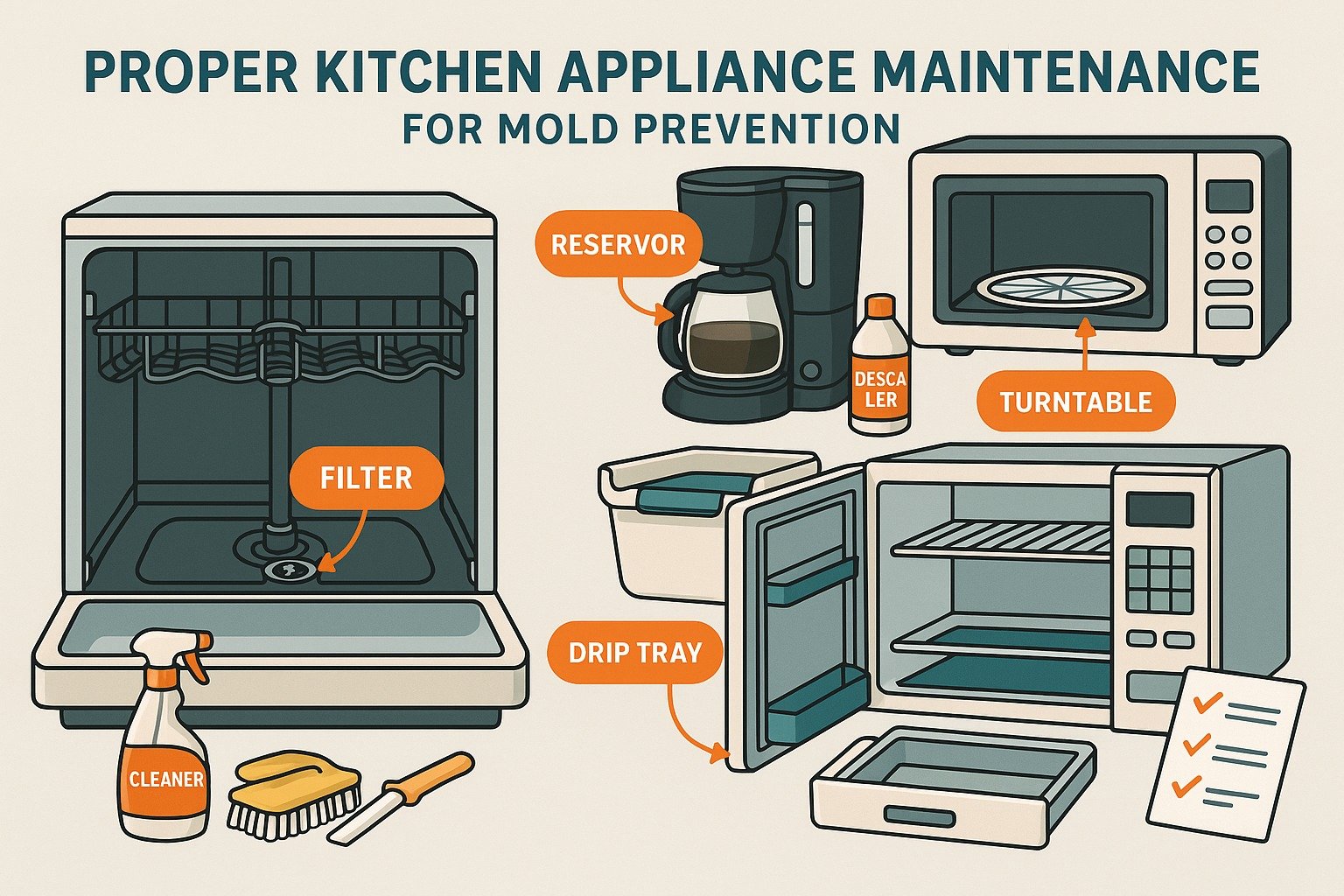
Kitchen counters often get wet from cooking and washing dishes. Mold can grow near sinks, under appliances, and in cracks.
Food spills and crumbs add to mold problems. Clean these spots quickly and dry the surface well.
- Near the sink and faucet
- Under and behind appliances
- In cracks and seams of the countertop
- Around cutting boards and food prep areas
Bathroom Surfaces
Bathrooms have high humidity, which helps mold grow. Mold often appears on countertop edges and near sinks.
Water splashes and soap residue create wet spots. Wipe these areas dry after use to prevent mold.
- Edges and corners of the countertop
- Around the sink and faucet base
- Near toothbrush holders and soap dishes
- Under bathroom appliances like hairdryers
Credit: www.bustmold.com
Causes Of Mold Growth
Mold grows on countertops when certain conditions are met. It needs moisture and a surface to grow on. Understanding what causes mold helps prevent it.
Knowing the main causes lets you take simple steps to keep your countertops clean and safe from mold.
Moisture Accumulation
Mold needs water to grow. Moisture builds up on countertops from spills, leaks, or steam. Wet surfaces allow mold spores to settle and grow quickly.
Leaving wet towels or dishes on countertops also adds moisture. This creates a perfect place for mold to start growing.
- Spilled liquids not cleaned right away
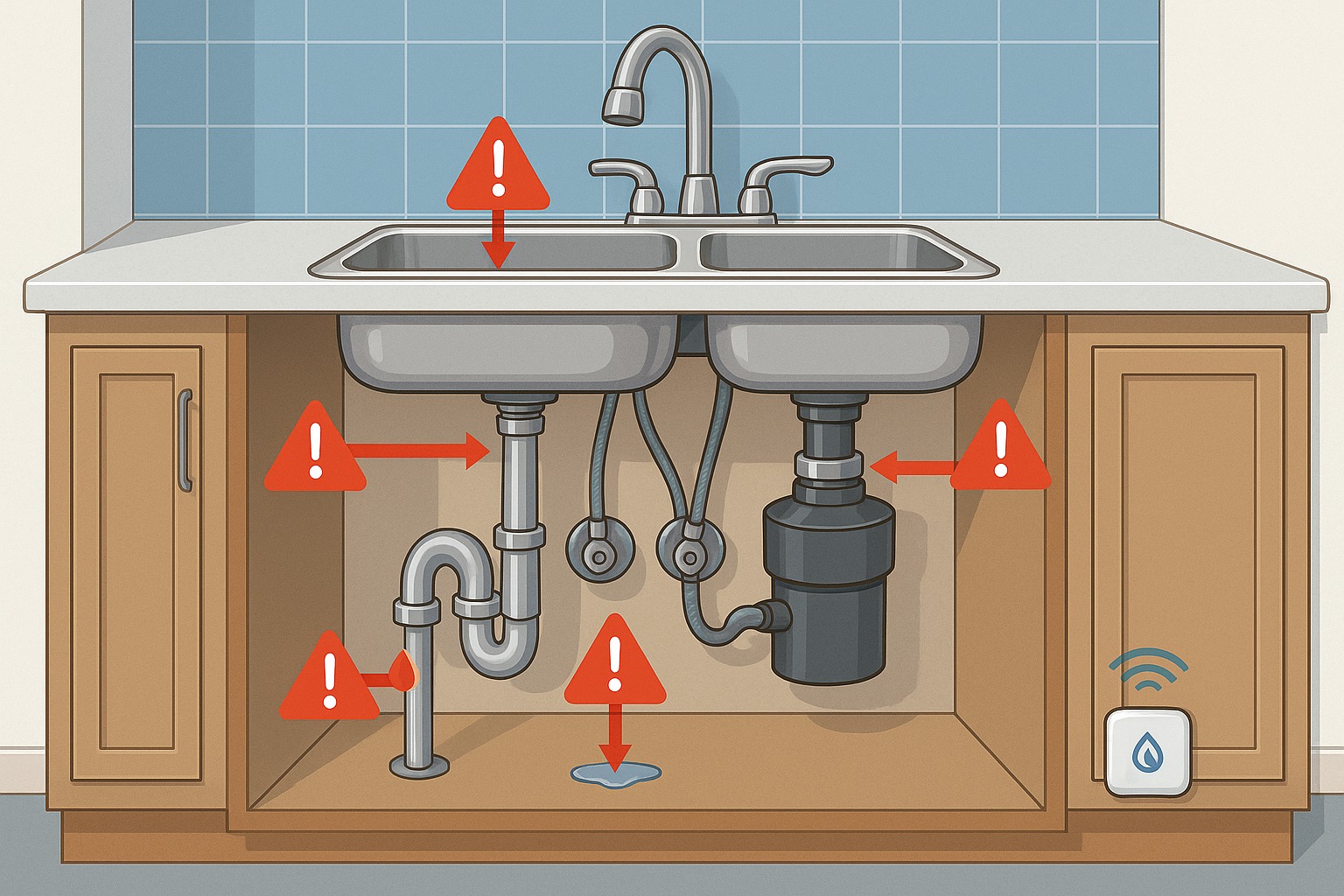
- Leaky pipes under or near countertops
- Steam from cooking or boiling water
- Wet cloths or sponges left on surfaces
Poor Ventilation
Air circulation helps dry out countertops. Poor ventilation keeps moisture in the air and on surfaces. This makes it easier for mold to grow.
Rooms without windows or fans trap humidity. This raises the chance of mold on your countertops and nearby areas.
- Small or closed rooms with no airflow
- Lack of exhaust fans in kitchens or bathrooms
- Windows kept shut for long periods
- High indoor humidity levels
Daily Cleaning Practices
Keeping countertops clean every day helps stop mold from growing. Dirt and moisture can make mold appear quickly.
Simple cleaning habits keep your kitchen safe and fresh. Regular care is important for mold prevention.
Effective Wiping Techniques
Wipe countertops often with a clean cloth or sponge. Use a circular motion to lift dirt and moisture.
Change your cloth or sponge regularly to avoid spreading germs. Dry surfaces after wiping to stop mold growth.
- Use soft cloths to avoid scratches
- Wipe spills immediately
- Dry surfaces well after cleaning
- Replace cloths or sponges daily
Using Mold-resistant Cleaners
Choose cleaners that fight mold and kill germs. These products reduce the chance of mold forming on countertops.
Apply the cleaner according to the instructions. Let it sit for a few minutes before wiping to kill mold spores.
- Look for cleaners labeled mold-resistant
- Use natural options like vinegar or baking soda
- Rinse surfaces after cleaning
- Use gloves to protect your skin
Natural Mold Prevention Methods
Mold grows on countertops when moisture stays too long. You can stop mold using natural ways. These methods keep your kitchen clean and safe.
Natural products like vinegar, baking soda, and essential oils fight mold. They do not harm your surfaces or health.
Vinegar And Baking Soda Solutions
Vinegar kills many types of mold and stops spores from growing. Baking soda cleans and absorbs moisture that mold needs.
Mix vinegar and baking soda to make a safe cleaner for countertops. Use it often to keep mold away naturally.
- Spray white vinegar on the countertop surface.
- Let it sit for 10 minutes to kill mold spores.
- Sprinkle baking soda over the wet vinegar.
- Scrub gently with a soft cloth or sponge.
- Rinse with warm water and dry the surface well.
Essential Oils As Mold Inhibitors
Some essential oils stop mold growth and add a fresh scent. Tea tree oil and lavender oil work well against mold.
Mix a few drops of essential oil with water to create a spray. Use it regularly to keep mold from forming on your countertops.
- Add 10 drops of tea tree oil to 1 cup of water.
- Shake well before spraying on countertops.
- Let it air dry to prevent moisture buildup.
- Use lavender oil the same way for a pleasant smell.
- Store the mixture in a dark bottle to keep it fresh.
Improving Air Circulation
Good air circulation helps stop mold from growing on countertops. Mold grows faster in damp, still air. Moving air keeps surfaces dry.
You can improve air flow with simple changes. This lowers moisture and stops mold growth.
Using Exhaust Fans
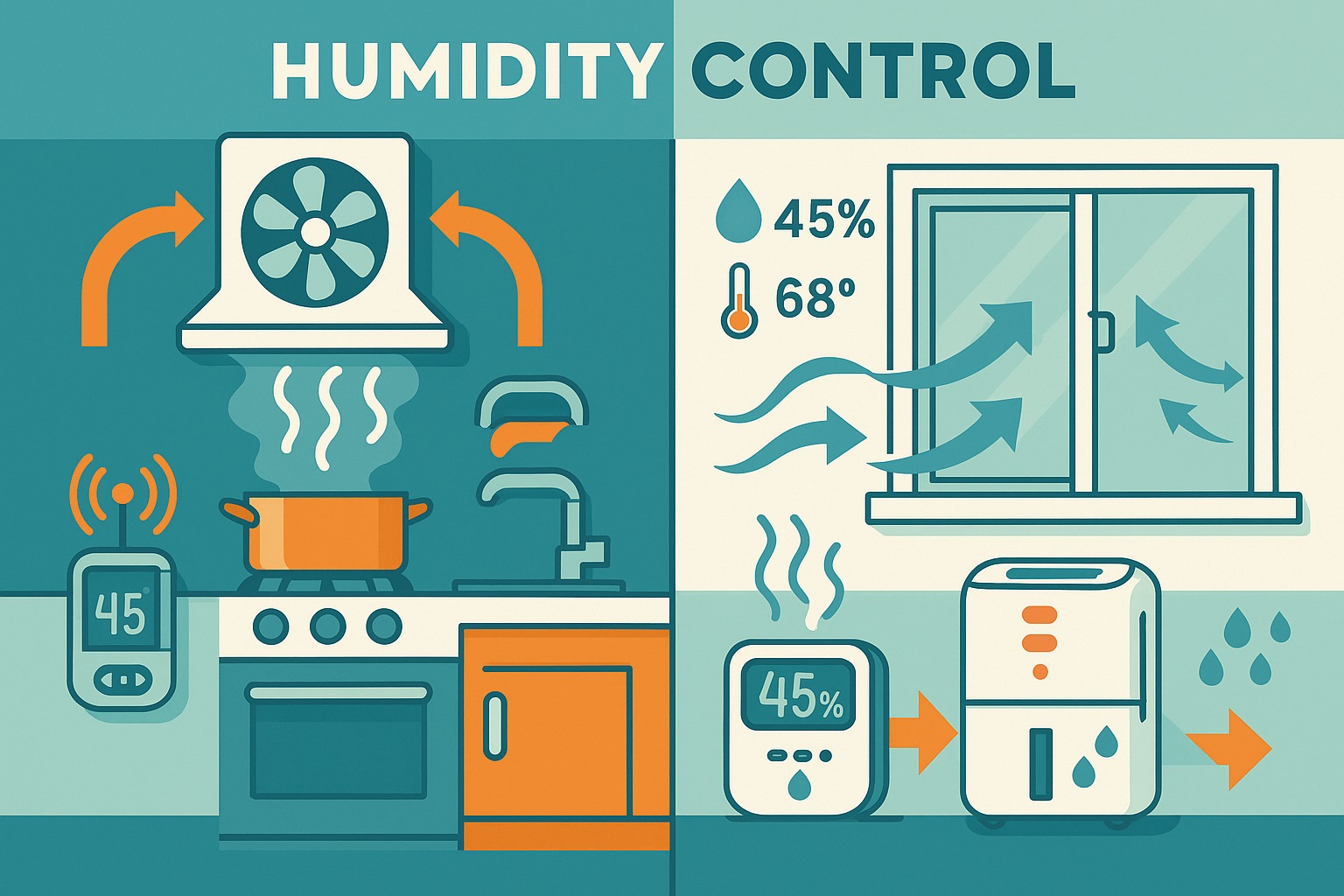
Exhaust fans remove moist air from kitchens and bathrooms. They help dry wet areas quickly. Use fans when cooking or washing dishes.
Turn on exhaust fans for at least 15 minutes after water use. This moves humid air outside and stops mold spores from settling.
- Install exhaust fans near sinks or stoves
- Use fans during and after cooking or cleaning
- Keep fans clean for better airflow
- Check that fans vent outside, not into attic
Regularly Open Windows
Opening windows lets fresh air in and moist air out. This reduces humidity levels inside your home. Even a small window opening helps air move.
Open windows during dry, sunny days. Cross-ventilation works best if you open windows on opposite sides of the room.
- Open windows for 10-20 minutes daily
- Create cross-breezes by opening multiple windows
- Use window screens to keep bugs out
- Avoid opening windows on rainy days to keep moisture out
Seal And Protect Surfaces
Mold grows easily on wet or porous countertops. Sealing your surfaces stops moisture from getting in. This helps keep mold away and protects your counters.
Taking care of your countertops with sealants and regular checks keeps your kitchen safe and clean. It also makes cleaning easier and extends the life of your counters.
Applying Surface Sealants
Surface sealants create a protective layer on countertops. This layer blocks water and spills from soaking in. Use sealants made for your countertop type.
Apply sealants following the instructions. Usually, you clean the surface first. Then, spread the sealant evenly. Let it dry fully before using the counter.
- Choose sealants designed for stone, laminate, or wood
- Clean counters thoroughly before sealing
- Use a brush or cloth to apply sealant evenly
- Allow sealant to dry as directed on packaging
- Reapply sealant as needed, usually every 1–2 years
Regular Maintenance Checks
Check your countertops often for cracks or worn sealant. Damaged areas let moisture in, causing mold to grow. Fix problems quickly to keep surfaces safe.
Look under sinks and near faucets where water collects. Clean spills right away. Use mild cleaners to avoid damaging the sealant or surface.
- Inspect counters monthly for cracks or damage
- Clean spills immediately to prevent moisture build-up
- Use gentle cleaning products safe for sealed surfaces
- Touch up sealant on worn spots as needed
- Keep area dry and well-ventilated to reduce mold risk
Recognizing Early Signs Of Mold
Mold can grow on countertops if moisture stays too long. It is important to spot mold early to stop it from spreading.
Knowing the signs of mold helps keep your kitchen clean and safe. Watch for changes in how your countertops look and smell.
Visible Spots And Discoloration
Mold often shows as dark or fuzzy spots on surfaces. These spots can be black, green, white, or gray.
Discoloration means the countertop color looks different than usual. It may look stained or faded in patches.
- Check corners and edges where water pools
- Look under sinks and near faucets
- Inspect grout lines if you have tiled countertops
Musty Odors
Mold produces a damp, musty smell. This odor often appears before you see mold spots.
If your kitchen smells stale or earthy without a clear cause, mold might be growing unseen.
- Smell near sinks and drains
- Check behind appliances
- Notice any sudden strange odors in your kitchen
When To Call A Professional
Mold on countertops can be a health risk. Small spots are easy to clean yourself.
Sometimes mold grows back or spreads fast. This means you might need expert help.
Persistent Mold Issues
If mold keeps coming back after cleaning, call a professional. They find hidden mold sources.
Professionals use special tools to check behind cabinets and under countertops. This stops mold growth.
- Mold returns quickly after cleaning
- Visible mold grows in hard-to-reach places
- There is a musty smell that won’t go away
Health Concerns
Mold can cause breathing problems and allergies. If anyone feels sick, get help fast.
People with asthma or weak immune systems need extra care. A professional can remove mold safely.
- Persistent coughing or sneezing
- Eye, nose, or throat irritation
- Worsening asthma symptoms
- Weak immune system or chronic illness
Credit: www.bustmold.com
Frequently Asked Questions
How Can I Stop Mold From Growing On Countertops?
To stop mold growth, keep countertops clean and dry. Wipe spills immediately and avoid standing water. Use mold-resistant cleaners regularly to prevent spores from settling and growing on surfaces.
What Cleaning Products Prevent Mold On Countertops?
Use mold-killing cleaners like bleach solutions or vinegar. These products eliminate mold spores effectively. Always follow instructions and ensure proper ventilation during cleaning to avoid health risks.
How Often Should Countertops Be Cleaned To Prevent Mold?
Clean countertops daily or after food preparation. Regular cleaning removes moisture and food residue that attract mold. Consistent maintenance is key to keeping mold away for good.
Does Sealing Countertops Help Prevent Mold Growth?
Yes, sealing countertops creates a protective barrier against moisture. This barrier reduces mold’s ability to penetrate and grow. Reapply sealant as recommended for continuous protection.
Conclusion
Preventing mold on countertops keeps your kitchen clean and safe. Regular cleaning stops mold growth early. Dry surfaces quickly after spills or washing. Good airflow helps reduce moisture in the kitchen. Use mold-resistant products if possible. Watch for signs like dark spots or smells.
Act fast to remove mold if you see it. These simple habits protect your home’s health. Keep your counters fresh and mold-free every day.