
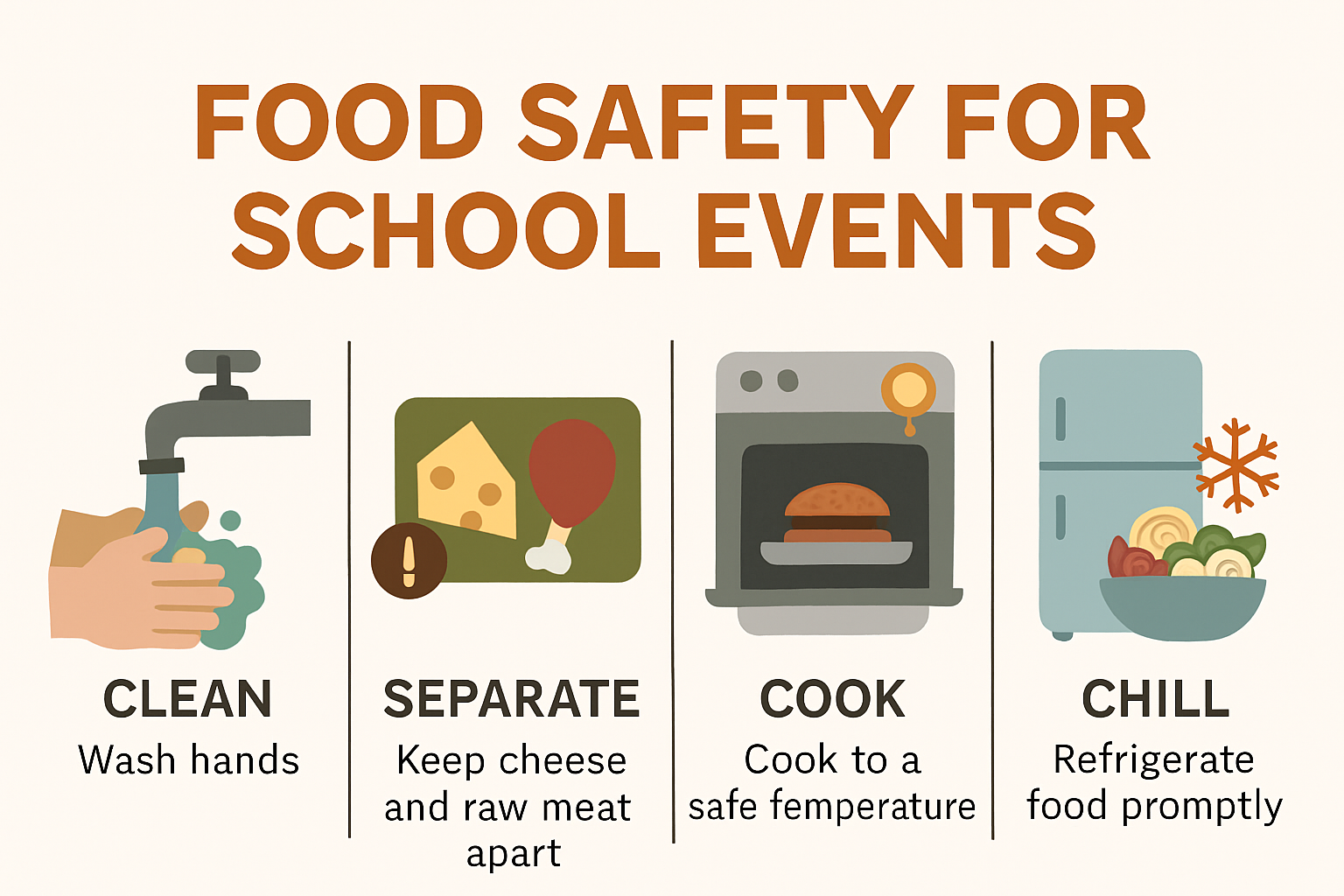
Are you confident that your perishable foods are stored safely? Knowing the right tips for storing items like meat, dairy, and fresh produce can protect your health and save you money.
Imagine avoiding food spoilage, wasting less, and keeping your family safe from harmful bacteria—all by following simple steps you can start today. Keep reading to discover easy, practical ways you can store your perishable foods safely and make your kitchen a healthier place.
Choosing The Right Containers
Storing perishable foods safely is important to keep them fresh. Picking the right containers helps protect food from spoiling.
Good containers also stop odors and keep food from drying out. Using the best containers saves money and reduces waste.
Types Of Containers
There are many container types for storing perishable foods. Each type has its own use and benefits.
- Plastic containers:Lightweight and often clear to see food inside.
- Glass containers:Durable and do not hold odors or stains.
- Metal containers:Good for dry storage but not ideal for all foods.
- Silicone containers:Flexible and easy to clean.
- Vacuum-sealed bags:Remove air to keep food fresh longer.
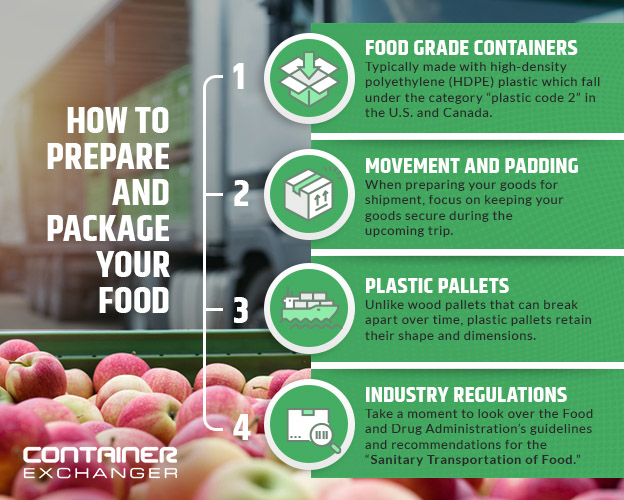
Choose containers that fit the food size and type. Use containers that seal well to keep food safe.
Benefits Of Airtight Seals
Airtight seals stop air from reaching the food. This helps slow down spoilage and keeps food fresh.
Sealed containers also prevent spills and keep strong odors inside. They make food storage cleaner and safer.
- Keep food moisture inside
- Prevent bacteria growth
- Stop food from absorbing fridge smells
- Help keep food texture and taste
Credit: blog.containerexchanger.com
Organizing The Refrigerator
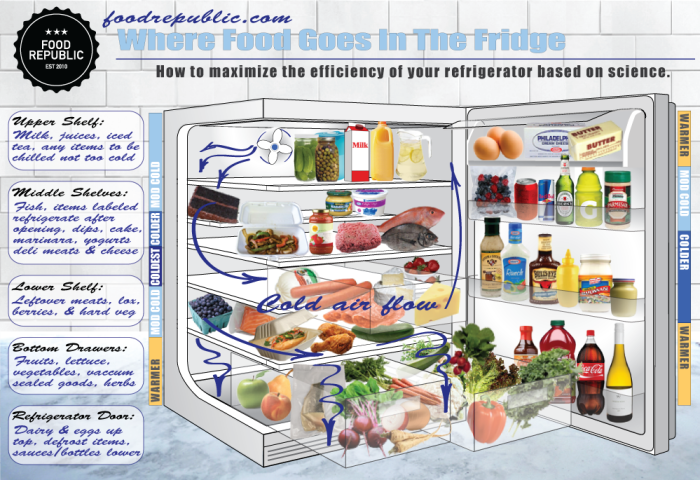
Keeping your refrigerator organized helps keep food fresh and safe. It also makes it easier to find what you need quickly.
Proper organization stops food from spoiling and lowers the chance of bacteria growth.
Temperature Settings
Set your fridge temperature between 35°F and 38°F (1.7°C to 3.3°C). This keeps food cold without freezing it.
Use a fridge thermometer to check if the temperature is right. Adjust the dial if needed to keep food safe.
- Keep fridge temperature below 40°F (4°C)
- Freezer should be 0°F (-18°C) or lower
- Check temperature regularly with a thermometer
Strategic Placement
Place raw meat and fish on the bottom shelf. This stops juices from dripping onto other foods.
Keep dairy products and eggs on middle shelves where the temperature is steady. Use the door for condiments and drinks.
- Bottom shelf: raw meat, poultry, fish
- Middle shelves: dairy, eggs, leftovers
- Top shelf: ready-to-eat foods
- Door: condiments, sauces, drinks
Freezing Techniques
Freezing is a great way to keep food fresh for a long time. It stops bacteria from growing and helps food keep its taste and nutrients.
Using the right freezing techniques can prevent freezer burn and maintain food quality. Careful steps make thawing safer and easier.
Proper Packaging
Packaging protects food from air and moisture. Use airtight containers or freezer bags to keep food safe.
Remove as much air as possible before sealing. This stops freezer burn and keeps food fresh longer.
- Use heavy-duty freezer bags or containers
- Wrap food tightly with plastic wrap or foil
- Squeeze out air before sealing bags
- Divide food into small portions for quick freezing
Labeling And Dating
Label each package with the name of the food and the date you froze it. This helps you use food before it spoils.
Use a permanent marker to write on freezer bags or tape a label to containers. Check labels before cooking or thawing.
- Write food name clearly
- Include freezing date
- Note any special instructions, like “cook before eating”
- Use oldest food first to reduce waste
Credit: medium.com
Avoiding Cross-contamination
Cross-contamination happens when harmful bacteria spread from one food to another. It can cause food poisoning and sickness.
Storing perishable foods safely helps stop this problem. Keeping foods separate and clean is key.
Separate Raw And Cooked Foods
Raw foods like meat, poultry, and fish have bacteria that cooked foods do not. Always store raw foods below cooked foods in the fridge.
This stops juices from raw foods dripping onto cooked foods and spreading germs. Use sealed containers or cover foods tightly.
- Keep raw meat in a sealed container on the bottom shelf.
- Store cooked foods on higher shelves, away from raw items.
- Do not mix raw and cooked foods in the same package.
Use Of Different Cutting Boards
Use separate cutting boards for raw and cooked foods. This prevents germs from spreading during food prep.
Label or color-code boards to keep them distinct. Clean boards well with hot, soapy water after each use.
- Use one board for raw meats, poultry, and fish.
- Use a different board for vegetables, fruits, and cooked foods.
- Wash boards with hot water and soap after use.
- Replace old or damaged cutting boards to avoid bacteria buildup.
Understanding Expiration Dates
Expiration dates help you know when food is safe to eat. They guide you on how long to keep perishable foods.
Knowing the meaning of different dates can prevent food waste and foodborne illness.
Sell-by Vs. Use-by
Sell-by dates tell stores how long to display food. They are not safety dates.
Use-by dates show the last day food is best to eat. After this, quality or safety may drop.
- Sell-By:For store use. Helps manage stock.
- Use-By:For consumers. Eat before this date.
- Always check food appearance and smell after these dates.
Signs Of Spoiled Food
Food can spoil before the expiration date if stored wrong. Watch for signs to avoid eating bad food.
Check the look, smell, and texture to spot spoilage.
- Smell:Sour, rancid, or off odors.
- Appearance:Mold, discoloration, or slimy texture.
- Texture:Sticky or mushy when it should be firm.
- Taste:If unsure, do not taste spoiled food.
Safe Thawing Methods
Thawing perishable foods safely helps prevent bacteria growth. It keeps your food fresh and healthy.
Choose the right thawing method to avoid foodborne illnesses. Use safe ways to protect your family.
Refrigerator Thawing
Place frozen food in the refrigerator to thaw slowly. This keeps food at a safe, cold temperature.
Large items like whole turkeys may take several days to thaw. Plan ahead to allow enough time.
- Keep food in a container to catch drips.
- Store thawed food on the bottom shelf.
- Use thawed food within 1-2 days for best safety.
Cold Water Method
Seal food in a leak-proof bag for cold water thawing. This stops water from touching the food.
Submerge the bag in cold tap water. Change the water every 30 minutes to keep it cold.
- Small packages may thaw in an hour or less.
- Larger items can take a few hours with water changes.
- Cook food immediately after thawing.
Proper Hygiene Practices
Keeping perishable foods safe starts with good hygiene. Clean hands and storage areas reduce the risk of germs.
Following simple hygiene steps helps prevent food spoilage and foodborne illnesses.
Hand Washing Techniques
Wash your hands before handling perishable foods. Use soap and clean water for at least 20 seconds.
Dry your hands with a clean towel or air dryer to avoid spreading bacteria back onto your hands.
- Wet hands with warm water
- Apply enough soap to cover all hand surfaces
- Rub hands palm to palm and between fingers
- Clean under fingernails and backs of hands
- Rinse hands well under running water
- Dry hands with a clean towel or air dryer
Cleaning Storage Areas
Clean storage shelves and containers regularly. This stops germs from spreading to your food.
Use safe cleaning products and rinse surfaces well. Keep storage dry to prevent mold growth.
- Remove all food items before cleaning
- Use warm water and mild detergent
- Scrub shelves and containers thoroughly
- Rinse with clean water to remove soap
- Dry surfaces completely with a clean cloth
- Clean spills immediately to avoid contamination
Utilizing Technology
Technology helps keep perishable foods fresh longer. It gives better control over storage conditions.
Smart devices and apps make food storage easier and safer at home.
Smart Refrigerators
Smart refrigerators use sensors to control temperature and humidity. They adjust settings to keep food fresh.
Some models have cameras inside to monitor food items. They send alerts when food is about to expire.
- Maintain steady temperatures
- Reduce food spoilage
- Track expiration dates
- Send reminders to use foods soon
Food Storage Apps
Food storage apps help track what is in your fridge or pantry. They remind you to use foods before they spoil.
These apps often suggest recipes based on the food you have. They reduce waste and save money.
- Scan barcodes to add items quickly
- Set alerts for expiration dates
- Organize foods by categories
- Suggest meal ideas using stored foods

Credit: www.bostonglobe.com
Frequently Asked Questions
How Long Can Perishable Foods Stay Fresh In The Fridge?
Perishable foods generally stay fresh 3 to 7 days in the fridge. Always check expiration dates and store items at 40°F or below. Use airtight containers to maintain freshness and prevent contamination.
What Is The Best Temperature For Storing Perishable Foods?
Store perishable foods at or below 40°F (4°C) to slow bacterial growth. Use a fridge thermometer to monitor temperature regularly. Keep frozen items at 0°F (-18°C) for optimal preservation.
How To Prevent Cross-contamination In Food Storage?
Separate raw meats from ready-to-eat foods using sealed containers. Store raw meat on the bottom shelf to avoid drips. Clean storage areas regularly and use different cutting boards for raw and cooked foods.
Can Freezing Extend The Shelf Life Of Perishables?
Yes, freezing slows bacterial growth and extends shelf life significantly. Wrap foods tightly to prevent freezer burn. Label items with dates and consume frozen foods within recommended timeframes for best quality.
Conclusion
Safe storage keeps your food fresh longer and prevents waste. Cool temperatures slow bacteria growth effectively. Use airtight containers to protect food from air and moisture. Label leftovers with dates to track freshness easily. Clean your fridge regularly to avoid odors and germs.
Remember, simple steps make a big difference in food safety. Keep your family healthy by storing perishables properly every day. Small habits lead to safer meals and less spoilage. Stay mindful, and enjoy fresh food without worry.