
Choosing the right kitchen timer might seem simple, but it can make a big difference in how smoothly your cooking goes. Have you ever burned a dish because you lost track of time?
Or struggled with a timer that’s hard to read or set? Your kitchen timer should be easy to use, reliable, and fit your cooking style perfectly. You’ll discover practical tips that help you pick the best timer for your needs.
Keep reading, and you’ll never miss a perfectly timed meal again.
Types Of Kitchen Timers
Choosing the right kitchen timer helps you cook meals perfectly. There are different types of timers to fit your cooking style.
Understanding the types makes it easier to pick one that works best in your kitchen.
Digital Timers
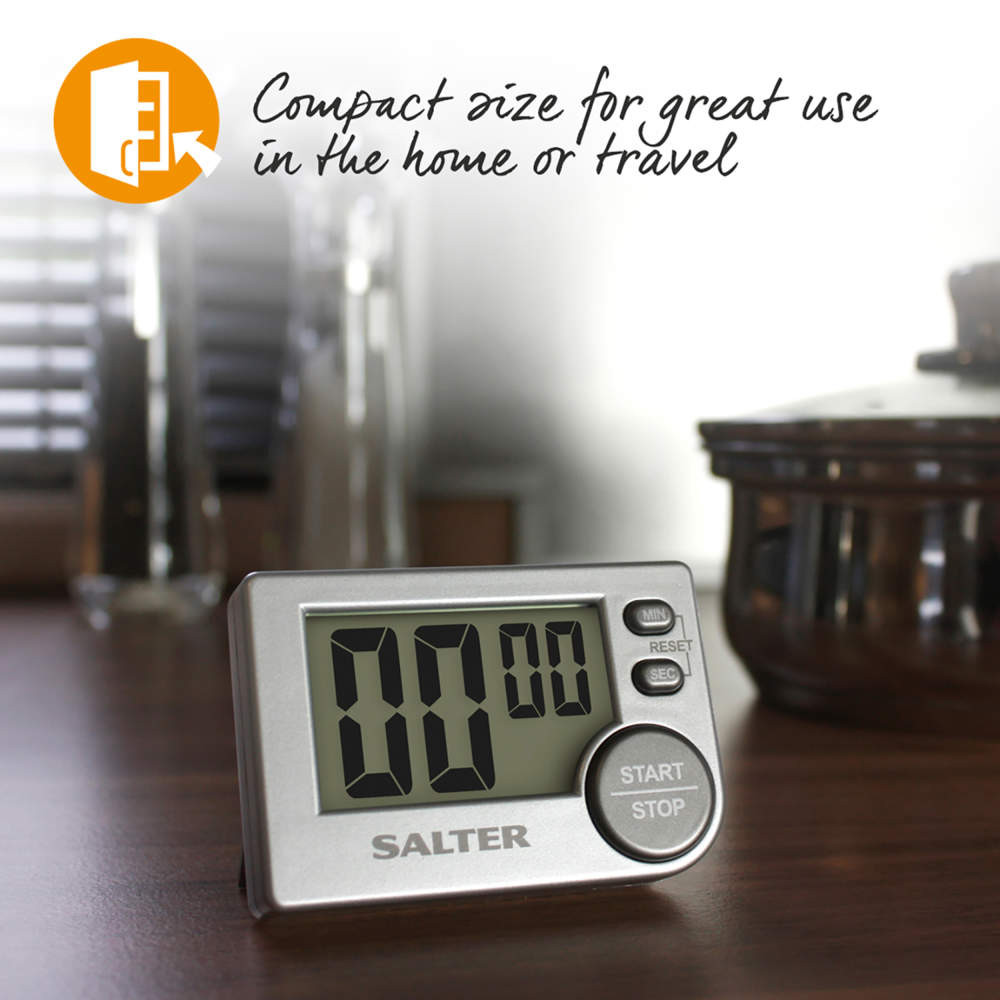
Digital timers show time on a small screen. They often have buttons to set minutes and seconds.
These timers can be very precise and easy to read. Many have loud alarms that beep when time is up.
- Easy to set and clear
- Clear display for reading time
- Some models include memory for repeat timing
Mechanical Timers
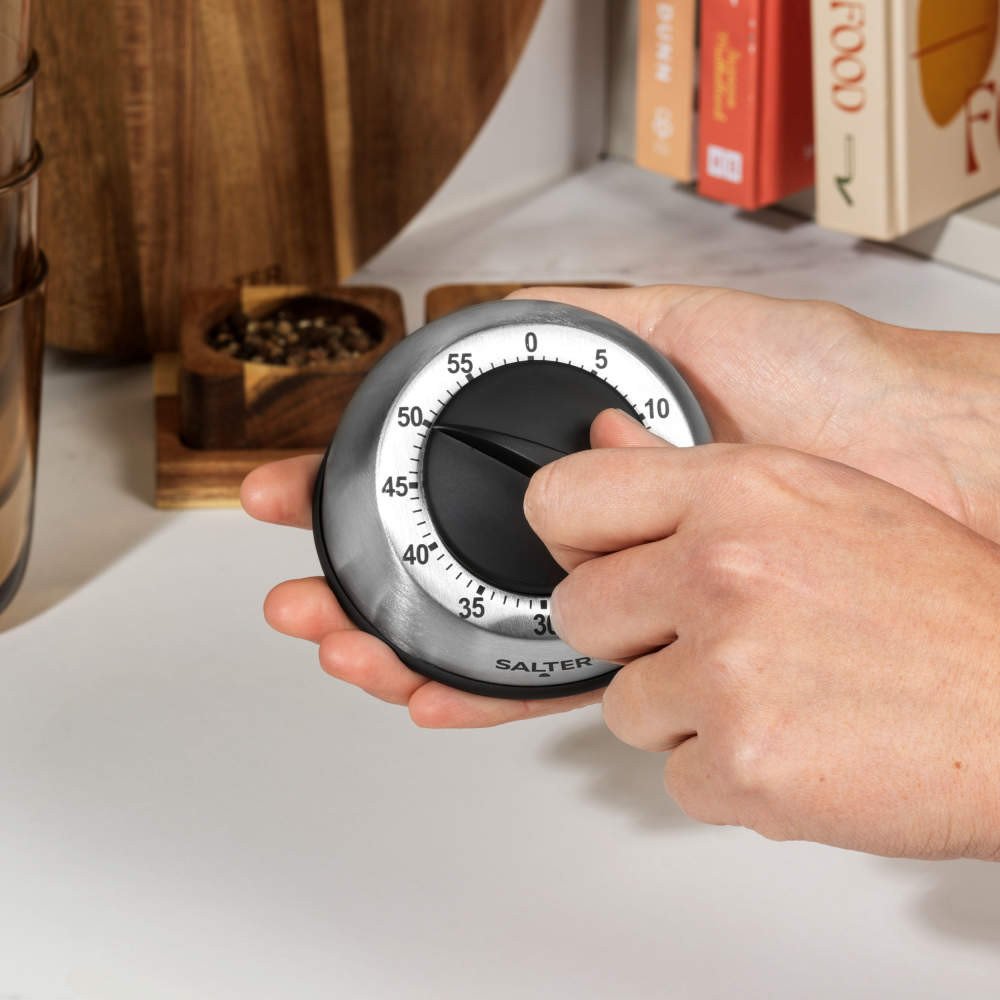
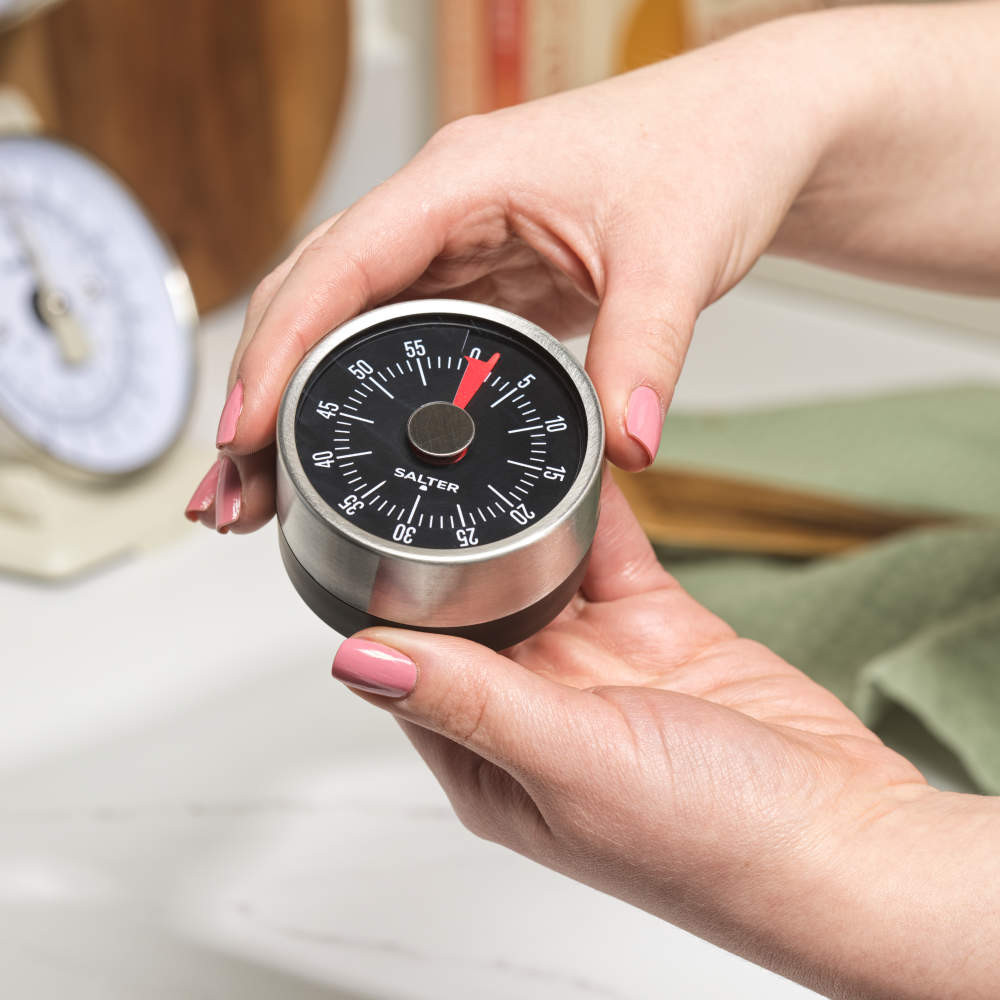
Mechanical timers use a dial to set the time. You turn the knob to the desired minutes.
They work without batteries and make a ticking sound. When time ends, a bell rings loudly.
- Simple to use with no batteries needed
- Good for short cooking times
- Classic design fits many kitchens
Smart Timers
Smart timers connect to your phone or voice assistants. You can set time with an app or voice commands.
They often have extra features like multiple timers and alerts sent to your devices.
- Control timer remotely
- Set multiple timers at once
- Receive alerts on your phone

Credit: salter.com
Features To Consider
Choosing the right kitchen timer makes cooking easier and more accurate. Several features affect how well the timer works for you.
Look at these key features to pick a timer that fits your needs and kitchen style.
Timer Accuracy
Accuracy is important to get perfect cooking results. A timer that keeps time well helps avoid overcooking or undercooking food.
Choose a timer with a reliable mechanism or digital precision. Mechanical timers may lose or gain seconds over time.
Ease Of Use
A timer should be simple to set and start. Look for large buttons or easy dials that you can use quickly.
Timers with clear controls reduce mistakes and save time in the kitchen.
- Large buttons or knobs
- Intuitive settings
- Quick start and stop functions
Display Readability
The timer’s display should be easy to read from a distance. Clear numbers or lights help you check time quickly.
Digital timers usually offer better readability than mechanical ones. Look for backlit or large screens.
- Large digits or numbers
- Backlit or bright display
- Clear contrast between numbers and background
Alarm Sound
The alarm should be loud enough to hear from other rooms. It alerts you when cooking time ends.
Some timers let you adjust the volume or choose the alarm tone. Pick one that fits your kitchen noise level.
- Loud and clear sound
- Adjustable volume settings
- Different alarm tones available
Size And Portability
Choosing the right kitchen timer means thinking about size and how easy it is to move. A timer should fit your kitchen space and be simple to carry around.
Small and light timers can be placed anywhere or taken with you. Larger timers may offer more features but can be harder to store.
Compact Options
Compact kitchen timers save space on your counter. They are easy to hold and store in small drawers.
These timers are perfect if you cook in a small kitchen or like to carry the timer between rooms.
- Fits in your hand or pocket
- Lightweight for easy carrying
- Simple controls for quick use
- Easy to store when not in use
Wall-mountable Timers
Wall-mountable timers save counter space by attaching to walls or cabinets. They keep your timer visible and easy to reach.
These timers are good for busy kitchens where counters are full. You can see the time without picking up the device.
- Mounts with magnets or screws
- Frees up counter space
- Keeps timer at eye level
- Easy to spot from across the room
Credit: salter.com
Durability And Material
Choosing a kitchen timer means thinking about how long it will last. Timers made from strong materials resist damage well.
Durability keeps your timer working even after many uses. It helps avoid frequent replacements.
Water-resistant Timers
Water-resistant timers handle splashes and spills in the kitchen. They keep working when wet.
This feature is useful near sinks or when cooking with liquids. It protects the timer’s inside parts.
- Look for timers with sealed buttons or covers
- Plastic or rubber coatings help block water
- Check if the timer is labeled as water-resistant
Sturdy Construction
Sturdy timers resist drops and kitchen accidents. Strong frames and cases add to durability.
Metal and thick plastic are good materials for sturdy timers. They avoid cracks and breaks easily.
- Choose timers with metal or reinforced plastic bodies
- Check for solid buttons that do not wiggle
- A timer with a firm base stays stable on counters
Power Source Options
Choosing the right power source is important for a kitchen timer. It affects how long the timer works and how easy it is to use.
There are two main types of power sources for kitchen timers. These are battery-powered and electric timers.
Battery-powered Timers
Battery-powered timers run on small batteries like AA or AAA. They do not need to be plugged in.
These timers are easy to move and use anywhere in the kitchen. They work even if there is no power outlet nearby.
- Portable and lightweight
- Works during power outages
- Batteries need to be replaced
- Good for small kitchens or travel
Electric Timers
Electric timers plug into a power outlet. They get power directly from the electricity supply.
These timers often have bigger displays and more features. They do not need batteries but must stay near an outlet.
- Runs continuously without battery changes
- Larger screens and extra functions
- Needs to be near a power outlet
- Not portable like battery timers
Additional Functionalities
Choosing a kitchen timer with extra features can improve your cooking experience. These functions help you manage time better.
Look for timers that offer more than just basic timing. These added tools make cooking easier and more efficient.
Multiple Timers
Some kitchen timers let you run multiple timers at once. This is useful when cooking different dishes together.
You can set separate times for each dish. This way, nothing gets overcooked or forgotten.
- Track several cooking steps at the same time
- Save time by managing multiple dishes easily
- Reduce stress during complex meal preparation
Memory Function
Timers with memory can save your previous settings. This helps if you cook the same recipes often.
You do not need to reset the timer for familiar dishes. It saves time and makes cooking quicker.
- Recall last used time easily
- Save favorite cooking times for quick use
- Ideal for repetitive recipes
Countdown And Count Up
Some timers can count down and count up. Countdown helps track cooking time left.
Count up mode is useful to measure how long something has been cooking. Both functions give you more control.
- Countdown shows time remaining
- Count up records elapsed time
- Good for timing unknown cooking durations
Budget Considerations
Choosing a kitchen timer depends a lot on how much you want to spend. Timers come in many prices and styles.
Think about what features you need before picking a timer. This will help you stay within your budget.
Affordable Choices
Affordable kitchen timers are great if you want simple use. They often have basic functions like countdown and alarm.
These timers usually run on batteries or have a manual dial. They work well for most kitchen tasks.
- Easy to use with simple buttons or dials
- Compact and lightweight for easy storage
- Usually cost under $20
- Basic alarm sounds to alert you
High-end Options
High-end timers offer more features and durability. They can include digital displays, multiple timers, and loud alarms.
These timers often have better build quality and may connect to smart devices for extra control.
- Multiple timers for cooking different dishes
- Clear digital screens with easy reading
- Stronger alarms or vibration alerts
- Some models connect to phones or smart home systems
Credit: salter.com
Best Brands To Explore
Choosing a kitchen timer is easier when you know the top brands. These brands offer quality and reliable timers.
Below are some well-known brands that make kitchen timers. They have different styles and features to fit your needs.
Oxo
OXO is popular for its simple and user-friendly kitchen tools. Their timers are easy to read and use.
Many OXO timers have large buttons and clear displays. They are good for people who want straightforward timers.
Taylor
Taylor has a long history of making kitchen tools. Their timers come in both digital and mechanical types.
Taylor timers are known for accuracy and durability. They often feature loud alarms to catch your attention.
Kitchenaid
KitchenAid offers timers that match their kitchen appliances in style. They focus on sleek design and function.
The timers are easy to set and have clear displays. They fit well in modern kitchens.
Polder
Polder makes a variety of kitchen timers with simple controls. Their products often have multiple timing options.
The timers are compact and easy to carry. They work well for different kitchen tasks.
Joseph Joseph
Joseph Joseph is known for creative and colorful kitchen tools. Their timers often have unique shapes and features.
These timers are great if you want something fun and functional. They are easy to read and use.
Frequently Asked Questions
What Features Should I Look For In A Kitchen Timer?
Look for easy-to-read displays, loud alarms, and simple controls. Consider digital timers with countdown and count-up functions for versatility. Magnetic backing and compact size add convenience. Battery life and durability are also key factors to ensure long-term use in the kitchen.
How Accurate Are Digital Kitchen Timers Compared To Analog?
Digital timers offer higher accuracy with precise seconds and minutes settings. Analog timers may lose accuracy over long periods. For cooking that requires exact timing, digital timers are preferred. They minimize errors and help achieve consistent cooking results every time.
Can A Kitchen Timer Help Prevent Overcooking?
Yes, a kitchen timer alerts you when cooking time ends. This helps avoid overcooking or burning food. Timers keep you on track, especially with multiple dishes. Using a timer improves meal quality and reduces food waste by ensuring perfect timing.
Are Kitchen Timers Easy To Clean And Maintain?
Most kitchen timers have smooth surfaces and simple designs for easy cleaning. Digital models are usually water-resistant but avoid submerging them. Regularly wipe with a damp cloth to remove spills. Proper maintenance extends the timer’s lifespan and keeps it hygienic.
Conclusion
Choosing the right kitchen timer makes cooking easier and more fun. Think about size, sound, and ease of use. Pick one that fits your kitchen style and needs. A good timer helps you cook meals perfectly every time. Simple features often work best for everyday cooking.
Take your time to find the best fit. Enjoy stress-free cooking with the right kitchen timer by your side.