
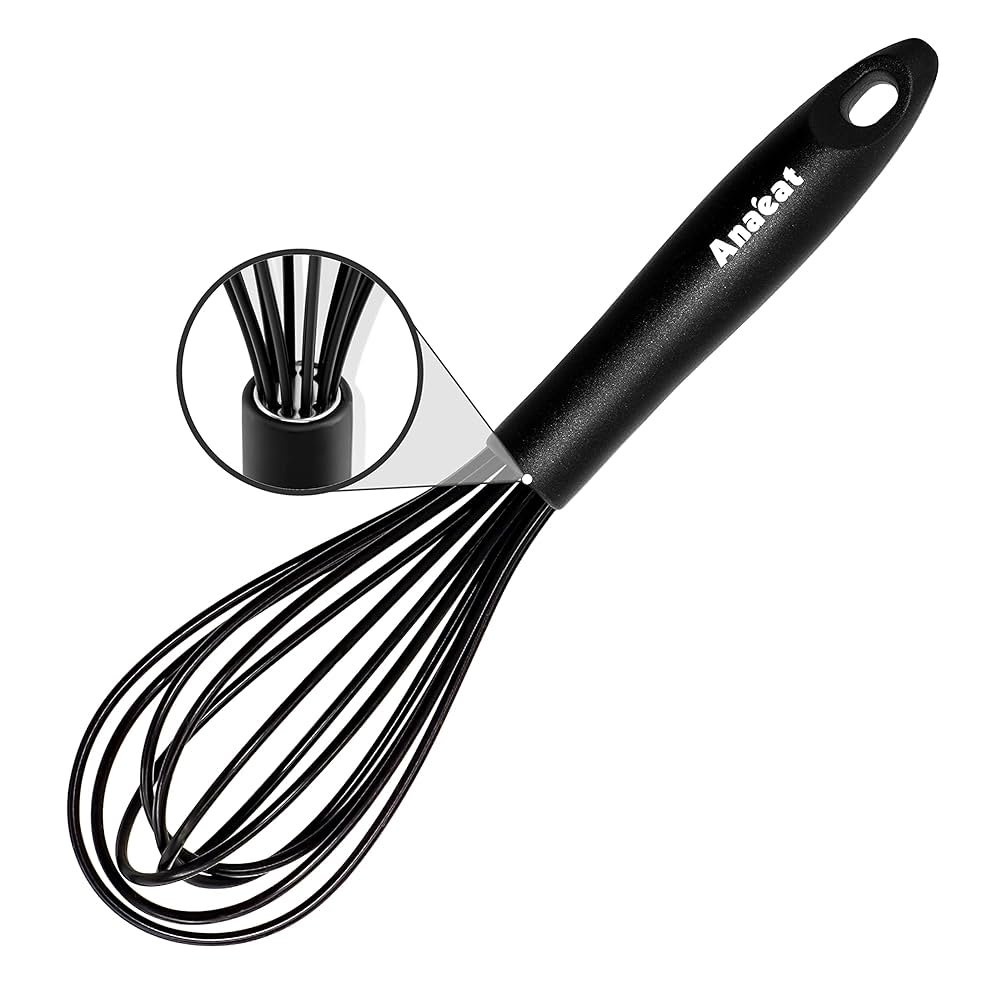
Choosing the right whisk can change the way you cook. You might think all whisks are the same, but the truth is, the one you pick can make your cooking easier and your dishes better.
Whether you’re beating eggs, mixing batter, or whipping cream, the perfect whisk is waiting for you. You’ll discover how to find the best whisk that fits your cooking style and needs. Keep reading, and you’ll soon be whisking like a pro!

Credit: misen.com
Types Of Whisks
Choosing the right whisk helps make cooking easier and faster. Different whisks fit different tasks in the kitchen.
Here are common types of whisks and what they do best.
Balloon Whisk
The balloon whisk has a wide, rounded shape. It holds a lot of air while whisking.
Use it for whipping cream, beating eggs, or making sauces smooth.
French Whisk
The French whisk is longer and thinner than the balloon whisk. It has a narrow shape.
This whisk works well for stirring thicker sauces and mixing batters.
Flat Whisk
The flat whisk has loops that lie flat against the surface. It is great for shallow pans.
Use it to stir sauces and gravies in frying pans or skillets without scratching.
Ball Whisk
The ball whisk has separate wires with small balls at the ends. It looks different from other whisks.
This whisk helps reach corners in pots and mixes ingredients quickly and evenly.
Coil Whisk
The coil whisk has a spring shape at the end of the handle. It is small and flexible.
Use it for beating eggs in small bowls or mixing dressings and sauces with ease.

Credit: www.amazon.com
Materials And Build
Choosing the right whisk depends on its material and build. These affect how well it works and how long it lasts.
Different materials suit different cooking tasks and utensils. Knowing their features helps you pick the best whisk.
Stainless Steel
Stainless steel whisks are strong and last a long time. They work well with hot foods and heavy mixing.
This material does not rust and is easy to clean. It is often used for balloon whisks and coil whisks.
- Durable and rust-resistant
- Handles high heat
- Works well for thick batters and sauces
- Not safe for non-stick cookware
Silicone
Silicone whisks are soft and flexible. They are gentle on non-stick pans and do not scratch surfaces.
They can handle heat but usually less than stainless steel. These whisks are good for mixing eggs and sauces.
- Safe for non-stick cookware
- Heat resistant but not for very high heat
- Easy to clean
- Less stiff for heavy mixtures
Plastic
Plastic whisks are lightweight and affordable. They work best for light mixing tasks like whipping cream.
They are not very heat resistant and may melt near hot surfaces. Plastic whisks can break more easily than metal ones.
- Lightweight and cheap
- Not good for high heat
- Best for light tasks
- May wear out quickly
Wood
Wooden whisks are less common but useful for gentle stirring. They do not scratch cookware and feel natural in the hand.
Wood can absorb moisture and may crack over time. These whisks need careful cleaning and drying after use.
- Gentle on cookware
- Feels comfortable to hold
- Needs careful cleaning
- Can crack or absorb smells
Handle Design
The handle design of a whisk affects how easy it is to use. A good handle helps you cook faster and with less effort.
Choosing the right handle means thinking about grip, weight, and length. These factors improve your cooking experience.
Grip And Comfort
A comfortable grip stops your hand from hurting during use. Look for handles with soft or textured surfaces.
Non-slip materials help you hold the whisk tightly, even if your hands are wet or greasy.
- Silicone covers add softness and grip
- Rubber grips prevent slipping
- Ergonomic shapes fit your hand better
Weight And Balance
A well-balanced whisk feels easy to move. Too heavy or too light handles make whisking tiring.
Choose a handle that keeps the whisk steady in your hand. This helps you mix ingredients smoothly.
- Light handles reduce hand fatigue
- Balanced weight improves control
- Metal handles add strength but may be heavier
Length Considerations
Handle length changes how you use the whisk. Longer handles reach deeper pots and bowls easily.
Short handles give more control for small bowls or quick whisking tasks.
- Long handles work well for large pots
- Short handles fit small mixing bowls
- Choose based on your usual cooking needs
Whisking Techniques
Choosing the right whisk helps you cook better. Different whisking techniques need different tools.
This guide explains key whisking methods. Learn how to pick the best whisk for each task.
Beating And Blending
Beating mixes ingredients fast and adds air. Blending combines ingredients smoothly.
Use a balloon whisk for beating and blending. Its wide shape moves ingredients well.
- Beating eggs for fluffiness
- Blending cake batter evenly
- Mixing pancake ingredients
Frothing And Aerating
Frothing adds air to liquids like milk. Aerating helps make light and fluffy textures.
Use a small whisk or a coil whisk. These work well to add air quickly.
- Frothing milk for coffee drinks
- Aerating cream for desserts
- Lightening sauces or dressings
Emulsifying
Emulsifying mixes liquids that usually do not combine. It creates smooth sauces and dressings.
Use a flat whisk or a French whisk. These help blend oil and vinegar well.
- Making salad dressings
- Mixing mayonnaise
- Blending sauces evenly
Whisk Maintenance
Keeping your whisk clean and in good shape is important for cooking. A well-maintained whisk works better and lasts longer.
Simple care steps help avoid rust and damage. Let’s look at how to clean, store, and care for your whisk.
Cleaning Tips
Wash your whisk right after using it to stop food from drying on it. Use warm, soapy water for cleaning.
For stubborn food, soak the whisk in water before scrubbing gently with a sponge or brush.
- Rinse well to remove all soap
- Avoid harsh scrubbers that can bend wires
- Dishwashers can be used if the whisk is dishwasher safe
Storage Solutions
Store your whisk in a dry place to prevent rust. Hang it or keep it in a utensil holder for easy access.
Do not store the whisk where it can get bent or crushed. Keep wires straight to keep it working well.
- Use hooks to hang whisks by their handles
- Place in a tall container with other utensils
- Avoid overcrowding in drawers or containers
Longevity And Care
Check your whisk regularly for bent wires or rust spots. Fix small bends gently to keep it effective.
Dry your whisk fully after washing to stop rust. Use it only for its intended tasks to avoid damage.
- Do not use metal whisks on non-stick pans
- Replace whisk if wires break or rust badly
- Keep handles clean and dry to avoid slips
Choosing Based On Recipe
Selecting the right whisk depends on the recipe you want to make. Different recipes need different whisk shapes and sizes.
Using the correct whisk helps you mix ingredients better and saves time in the kitchen.
Baking Needs
Baking often requires mixing dry and wet ingredients until smooth. A balloon whisk works well here.
Its wide shape adds air to batters and doughs, making cakes and muffins light and fluffy.
- Balloon whisk for whipping and mixing
- Stainless steel wires for durability
- Choose size based on bowl size
Sauces And Dressings
For sauces and dressings, you want smooth, even mixing without splashing. A flat whisk is ideal.
The flat design helps reach sauce corners and blend ingredients quickly.
- Flat whisk for stirring sauces
- Good for thick or thin liquids
- Fits well in shallow pans
Egg Dishes
Eggs need a whisk that can beat and blend them well. A balloon whisk works best for eggs.
It adds air for fluffy scrambled eggs or smooth mixing for omelets.
- Use balloon whisk for beating eggs
- Light wires mix eggs evenly
- Easy to clean after use
Budget Considerations
Choosing the right whisk depends on your budget. You want a tool that fits your needs and price range.
Different whisks come with different price tags. Knowing what to expect helps you make a smart choice.
High-end Options
High-end whisks offer strong build quality. They often use stainless steel or silicone for durability.
These whisks can last many years. They are comfortable to hold and easy to clean.
- Made from premium materials
- Ergonomic handles for comfort
- Dishwasher safe and rust-resistant
Affordable Choices
Affordable whisks work well for simple cooking tasks. They usually have basic designs and materials.
These whisks are good for occasional use. They may not last as long but still get the job done.
- Lightweight and easy to handle
- Made from plastic or low-grade metal
- Suitable for light whisking and mixing
Value For Money
Value whisks balance price and quality. They offer durability without a high cost.
These whisks are great for most kitchens. They provide good performance and last longer than cheap options.
- Sturdy build with moderate price
- Comfortable grip and efficient design
- Good for daily cooking needs
Popular Brands
Choosing the right whisk is important for cooking. Many brands offer different styles and materials. Knowing popular brands helps you pick a good whisk.
This guide covers well-known manufacturers, new brands, and user reviews. It will help you find a whisk that fits your needs.
Well-known Manufacturers
Big manufacturers make reliable whisks with good quality. They often use stainless steel and strong handles. These brands have been trusted for years.
- OXO: Known for comfortable handles and durable wires
- KitchenAid: Offers a variety of sizes and styles
- Cuisinart: Popular for affordable and sturdy whisks
- All-Clad: High-end whisks with professional quality
Emerging Brands
New brands bring fresh ideas and materials. They focus on design, eco-friendliness, or unique shapes. These brands are gaining popularity fast.
- Chef Craft: Combines style with practical features
- Joseph Joseph: Known for innovative and space-saving designs
- Le Creuset: Newer to whisks but trusted for cookware
- U-Taste: Offers silicone whisks that are safe for non-stick pans
User Reviews
Users often share their experiences with whisks online. They talk about comfort, durability, and cleaning ease. Reviews help you avoid poor choices.
- Comfortable handles get high marks for long use
- Stainless steel wires last longer without bending
- Silicone whisks are praised for not scratching pans
- Some users dislike whisks that rust or break easily

Credit: www.amazon.com
Frequently Asked Questions
What Types Of Whisks Are Best For Cooking?
Balloon whisks are ideal for whipping and aerating. Flat whisks work well for sauces and gravies. Coil whisks are perfect for small bowls and stirring.
How To Choose The Right Whisk Size?
Choose a whisk size based on your bowl size. Smaller whisks suit small bowls, larger ones fit bigger pots. Proper size ensures efficient mixing without splashing.
Which Whisk Material Lasts Longest In The Kitchen?
Stainless steel whisks are durable and rust-resistant. Silicone-coated whisks prevent scratching non-stick surfaces. Both materials offer long-lasting performance.
Can I Use A Whisk For Baking And Cooking?
Yes, whisks are versatile for both cooking and baking. They mix batters, whip eggs, and blend sauces effectively. Choosing the right type improves results.
Conclusion
Choosing the right whisk makes cooking easier and more fun. Think about what dishes you cook most. Match the whisk type to your needs for best results. Remember the size and material matter too. A good whisk saves time and effort in the kitchen.
Practice using different whisks to find your favorite. Enjoy cooking with the perfect tool every time.