
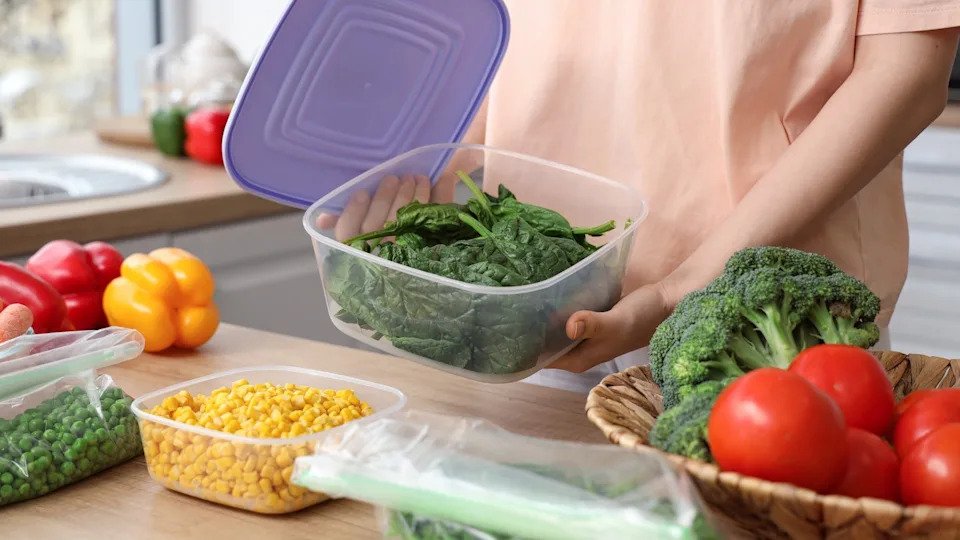
Are you tired of your fresh vegetables spoiling too quickly or losing their crunch? Storing vegetables the right way can make a huge difference in keeping them fresh, tasty, and safe to eat.
When you know how to store vegetables hygienically, you not only extend their shelf life but also protect your family from harmful bacteria. You’ll discover simple and effective tips that anyone can follow to keep your veggies fresh and healthy.
Keep reading—your kitchen and your health will thank you!

Credit: creators.yahoo.com
Benefits Of Proper Vegetable Storage
Storing vegetables the right way keeps them fresh longer. It helps reduce food waste and saves money.
Proper storage also keeps vegetables safe to eat. It prevents germs and spoilage from growing.
Extends Freshness And Shelf Life
Vegetables stay fresh longer when stored properly. Cold temperatures slow down decay and keep nutrients.
Good storage slows wilting and spoilage. This means you get more time to use your vegetables.
Reduces Food Waste
When vegetables last longer, you throw away less food. This helps the environment and lowers grocery costs.
Proper storage avoids mold and rot. You save money by not replacing spoiled vegetables often.
Maintains Nutritional Value
Correct storage keeps vitamins and minerals in vegetables. This keeps them healthy and tasty.
Fresh vegetables provide more nutrients than spoiled ones. Proper storage protects these nutrients.
Prevents Contamination And Illness
Storing vegetables in clean, cool places stops bacteria growth. This reduces the risk of food poisoning.
Using proper containers and washing vegetables helps keep them safe. It lowers the chance of illness.
Saves Money And Time
Good storage means fewer trips to the store. You use vegetables before they spoil, saving money.
You also spend less time cleaning spoiled food. Proper storage keeps your kitchen tidy and efficient.
Choosing The Right Storage Tools
Storing vegetables properly keeps them fresh longer. Using the right tools helps keep vegetables clean and safe.
Good storage tools prevent spoilage and reduce waste. They also help keep your kitchen organized.
Refrigeration Essentials
Refrigerators slow down vegetable decay by keeping them cold. Use the right shelves and drawers for storage.
Keep vegetables in the crisper drawer. It controls humidity, which helps vegetables stay fresh.
- Set fridge temperature between 35°F and 40°F (2°C to 4°C)
- Store leafy greens in plastic bags with holes
- Keep root vegetables in paper bags or perforated containers
- Avoid storing vegetables near fruits that release ethylene gas
Effective Use Of Containers
Containers protect vegetables from dirt and pests. They also reduce moisture loss and keep the fridge tidy.
Choose containers that allow air flow. This stops mold and rot from developing on vegetables.
- Use perforated plastic containers or mesh bags
- Glass containers with lids work well for cut vegetables
- Label containers with the date of storage
- Clean containers regularly to avoid bacteria buildup
Alternative Storage Solutions
Some vegetables do not need refrigeration. Choose cool, dark places for storing these vegetables.
Use breathable bags or baskets. Avoid plastic wrap for non-refrigerated vegetables.
- Store onions and garlic in mesh bags in a cool, dry place
- Keep potatoes in a paper bag away from sunlight
- Use clay pots or baskets for root vegetables
- Check stored vegetables often for signs of spoilage
Prepping Vegetables For Storage
Storing vegetables the right way keeps them fresh and safe to eat. Proper prep helps stop spoilage and bacteria growth.
Following simple steps before storage will keep your vegetables clean and ready to use. This guide covers cleaning, drying, and chopping.
Cleaning Techniques
Clean vegetables remove dirt and germs. Use cold water to wash them gently. Avoid soap or chemicals on food.
For leafy greens, soak in water for a few minutes. For hard vegetables, scrub with a soft brush under running water.
- Rinse vegetables under cold running water
- Use a soft brush for firm vegetables
- Soak leafy greens briefly in clean water
- Do not use soap or bleach
Drying Procedures
Dry vegetables fully before storing. Moisture causes mold and rot. Use clean towels or air dry on a rack.
Pat vegetables gently to avoid bruising. Make sure no water stays in crevices or leaves.
- Use a clean kitchen towel to pat dry
- Air dry on a clean rack if possible
- Check for hidden moisture in leaves or folds
- Store only completely dry vegetables
Chopping And Slicing Guidelines
Cut vegetables just before storing for best freshness. Use clean knives and cutting boards to avoid contamination.
Cut into uniform pieces for even storage. Avoid bruising the vegetable flesh by cutting gently.
- Use sharp, clean knives and boards
- Cut vegetables into similar-sized pieces
- Handle gently to avoid bruising
- Store chopped vegetables in airtight containers

Credit: www.youtube.com
Temperature And Humidity Considerations
Keeping vegetables fresh depends on the right temperature and humidity. Different vegetables need different conditions. Proper storage slows down decay and keeps veggies crisp.
Too much moisture can cause mold. Too little humidity makes vegetables wilt. Control these factors to store vegetables hygienically.
Ideal Conditions For Leafy Greens
Leafy greens like lettuce and spinach need cool temperatures. They stay fresh longest near 32°F to 40°F (0°C to 4°C). Humidity should be high, about 90% to 95%, to prevent drying.
Store leafy greens in perforated plastic bags or containers. This keeps moisture balanced and stops sogginess.
- Temperature: 32°F to 40°F (0°C to 4°C)
- Humidity: 90% to 95%
- Use perforated bags or containers
Storing Root Vegetables
Root vegetables like carrots and potatoes store best in cool, dark places. Keep the temperature between 45°F and 55°F (7°C to 13°C). Humidity should be moderate, around 85% to 90%, to stop them from drying out.
Avoid washing roots before storage. Dirt helps keep them fresh longer. Store them in breathable containers or boxes with ventilation.
- Temperature: 45°F to 55°F (7°C to 13°C)
- Humidity: 85% to 90%
- Do not wash before storing
- Use ventilated containers
Managing Exotic Produce
Exotic vegetables like artichokes or okra need specific care. Most prefer temperatures around 40°F to 50°F (4°C to 10°C). Humidity should be high, close to 90%, to keep texture and flavor.
Store these vegetables separately. Use containers that allow air flow to reduce moisture buildup and prevent spoilage.
- Temperature: 40°F to 50°F (4°C to 10°C)
- Humidity: about 90%
- Keep in separate, ventilated containers
Common Mistakes To Avoid
Storing vegetables the right way keeps them fresh and safe to eat. Many people make simple mistakes that cause food to spoil faster.
Knowing what to avoid helps you save money and reduce waste. Here are some common errors in vegetable storage.
Overcrowding In Storage
Putting too many vegetables in one container or drawer blocks air flow. This makes vegetables rot faster.
Proper air circulation helps keep moisture levels right and stops mold growth. Overcrowding traps moisture and heat.
- Use enough containers for your vegetables
- Leave space between items for air flow
- Store bulky vegetables separately
Neglecting Expiration Dates
Ignoring how long vegetables last leads to eating spoiled food. Each type of vegetable has a different shelf life.
Check and use vegetables before they go bad. Throw away any that show signs of spoilage like bad smell or softness.
- Label vegetables with purchase or harvest date
- Use older vegetables before newer ones
- Check regularly for soft spots or mold
Incorrectly Mixing Produce Types
Storing certain vegetables together causes early spoilage. Some vegetables release gases that speed up ripening.
Keep ethylene-producing vegetables apart from those sensitive to it. This slows down spoilage and keeps veggies fresh longer.
- Store apples, tomatoes, and avocados separately
- Keep leafy greens away from strong-smelling vegetables
- Use different containers or drawers for different types
Extending Vegetable Shelf Life
Storing vegetables properly keeps them fresh longer. It helps reduce food waste and saves money.
Using the right storage methods protects vegetables from spoiling quickly. This guide shows simple ways to keep veggies fresh.
Utilizing Freezing Techniques
Freezing vegetables slows down the growth of bacteria and mold. It keeps them fresh for many months.
Before freezing, wash and cut vegetables into small pieces. Blanching them in hot water helps keep color and nutrients.
- Wash vegetables thoroughly
- Cut into bite-sized pieces
- Blanch for 2-3 minutes in boiling water
- Cool quickly in ice water
- Dry and pack in freezer bags
- Seal tightly and label with date
Pickling And Fermentation
Pickling uses vinegar or salt to preserve vegetables. It adds a sour taste and keeps them crisp.
Fermentation uses natural bacteria to create good acids. This process helps vegetables last longer and improves digestion.
- Clean vegetables and cut as needed
- Use saltwater brine or vinegar solution
- Keep vegetables submerged in liquid
- Store in a cool, dark place during fermentation
- Refrigerate after pickling or fermenting
Implementing Vacuum Sealing
Vacuum sealing removes air from storage bags. This slows down decay and prevents freezer burn.
Use vacuum-sealed bags or containers to store fresh vegetables. Keep them in the refrigerator or freezer for best results.
- Place vegetables in vacuum bags
- Remove all air using a vacuum sealer
- Seal bags tightly
- Label with date
- Store in fridge or freezer
Sustainable Storage Practices
Storing vegetables properly helps keep them fresh and reduces waste. Using eco-friendly methods protects the environment. It also saves money by making food last longer.
Simple changes in how you store vegetables can lower plastic use and improve hygiene. This guide explains ways to store vegetables sustainably at home.
Reducing Plastic Use
Plastic bags and wraps often pollute nature and harm animals. You can store vegetables without using plastic. This helps keep the planet clean.
Use reusable cloth bags or containers made from glass or metal. These last longer and do not create waste. Wash them regularly to keep vegetables hygienic.
- Choose cotton or mesh produce bags
- Use glass jars for cut vegetables
- Store root vegetables in breathable baskets
- Avoid single-use plastic wraps
Composting Spoiled Vegetables
Vegetables that go bad can be composted instead of thrown away. Composting turns waste into healthy soil for gardens. This reduces landfill trash and helps plants grow.
Keep a small bin in your kitchen for spoiled vegetables. Add the compost to a garden or community compost site. Avoid throwing compostable food in regular trash.
- Collect vegetable scraps in a compost bin
- Turn compost regularly for air flow
- Use compost in your garden or pots
- Do not add meat or dairy to compost
Eco-friendly Storage Alternatives
Natural materials can store vegetables well and keep them fresh. These alternatives reduce waste and are safe for food. They also let air flow, which slows decay.
Try storing vegetables in clay pots, baskets, or paper bags. Keep leafy greens wrapped in damp cloths inside the fridge. These ways help maintain moisture and reduce spoilage.
- Use clay pots or terracotta containers
- Wrap vegetables in damp cotton cloths
- Store in baskets made of natural fibers
- Use paper bags for mushrooms and herbs

Credit: www.amazon.com
Frequently Asked Questions
How To Keep Vegetables Fresh Longer At Home?
Store vegetables in a cool, dry place or the refrigerator. Use breathable bags or containers to avoid moisture buildup. Keep vegetables separate from fruits to prevent ethylene damage. Proper storage slows spoilage and maintains freshness.
What Is The Best Way To Wash Vegetables Hygienically?
Rinse vegetables under running cold water before storage or cooking. Use a vegetable brush for firm produce. Avoid soaps or detergents as they can leave harmful residues. This removes dirt and bacteria effectively.
Can I Store All Vegetables Together In One Place?
No, different vegetables require different storage conditions. Leafy greens need humidity, while root vegetables prefer dry, cool spaces. Storing incompatible vegetables together can cause faster spoilage. Separate them to maintain freshness.
Why Should Vegetables Be Stored In Breathable Containers?
Breathable containers allow air circulation, preventing moisture buildup. Excess moisture promotes mold and spoilage. Using perforated bags or mesh containers helps vegetables stay fresh longer. Proper airflow is key to hygienic storage.
Conclusion
Storing vegetables the right way keeps them fresh longer. Clean your vegetables before storing to remove dirt and germs. Use breathable containers or bags to avoid moisture build-up. Keep vegetables in cool, dry places or the fridge. Check them often and remove any spoiled ones quickly.
These simple steps help reduce waste and save money. Healthy, fresh vegetables make meals tastier and better for you. Easy habits can make a big difference in your kitchen. Start today and enjoy fresh veggies every day.