
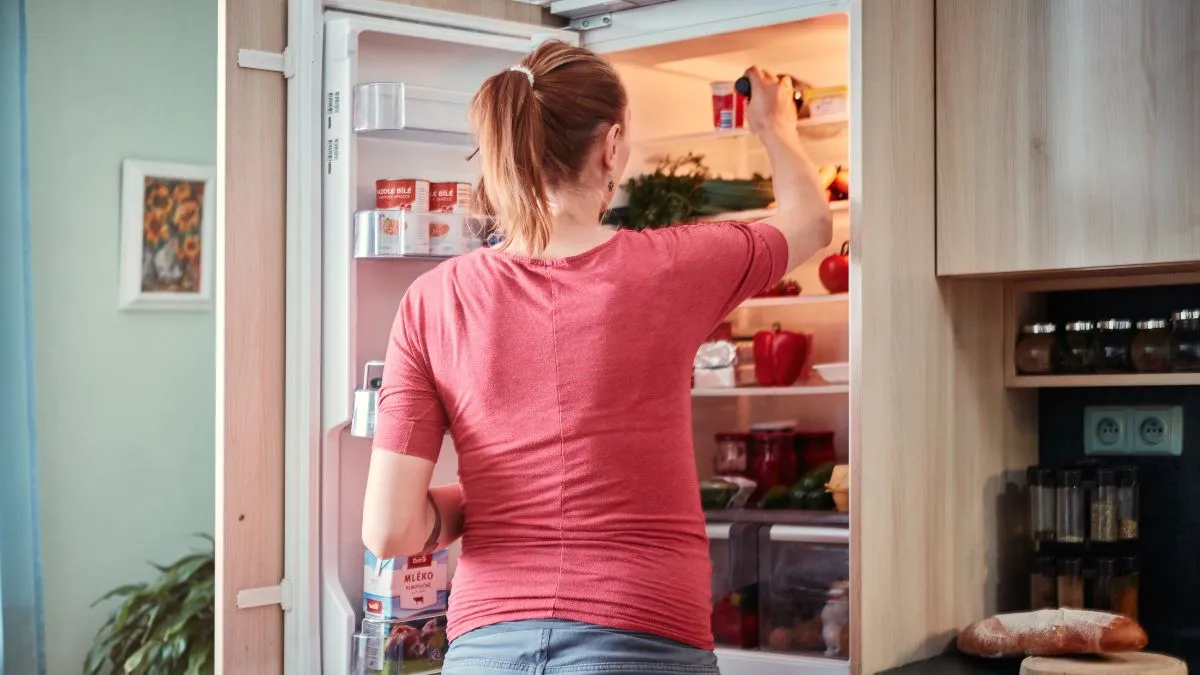
Your kitchen is the heart of your home, where meals are made and memories are shared. But if it’s not clean, it can quickly become a breeding ground for germs and bacteria.
How you maintain kitchen hygiene directly affects your health and the safety of your family. Imagine preparing a meal in a spotless, fresh kitchen where everything is organized and clean—doesn’t that sound comforting? You’ll discover simple, effective steps to keep your kitchen sparkling and safe.
Stick with me, and you’ll learn easy habits that make a big difference every day.

Credit: www.freepik.com
Cleaning Schedules
Keeping your kitchen clean helps prevent germs and keeps food safe. A good cleaning schedule makes the task easier.
Divide cleaning into daily, weekly, and monthly tasks to keep your kitchen fresh and healthy.
Daily Tasks
Daily cleaning stops dirt and germs from building up. Small habits make a big difference every day.
- Wipe down countertops and stove after use
- Wash dishes and clean sink
- Sweep the kitchen floor
- Take out the trash if full
- Clean spills immediately to avoid stains
Weekly Routines
Weekly cleaning targets areas missed in daily tasks. This keeps your kitchen looking neat and prevents pests.
- Mop the floor thoroughly
- Clean inside and outside of appliances like microwave and fridge doors
- Wipe cabinet doors and handles
- Empty and clean trash bins
- Check and clean the kitchen sink drain
Monthly Deep Clean
Monthly deep cleaning removes hidden dirt and germs. It keeps your kitchen safe and fresh for long use.
- Clean inside the refrigerator and discard old food
- Defrost and clean freezer if needed
- Deep clean oven and stove parts
- Wash walls and backsplash areas
- Clean vents, fans, and light fixtures
- Organize pantry and wipe shelves
Organizing Kitchen Spaces
Keeping your kitchen clean starts with good organization. A tidy kitchen helps you cook faster.
Organizing your kitchen spaces makes cleaning easier and improves hygiene.
Efficient Storage Solutions
Use storage that fits your kitchen size and needs. Proper storage keeps food safe and fresh.
Store items you use often in easy-to-reach places. Use containers to keep food sealed.
- Use clear containers for quick food identification
- Install shelves to use vertical space
- Keep pots and pans near the stove
- Label containers with dates to avoid expired food
Decluttering Tips
Remove items you do not use often. Decluttering keeps counters clean and free of germs.
Sort kitchen tools and toss broken or expired items. Keep only what you need daily.
- Check expiration dates on food and spices
- Donate or recycle unused kitchen gadgets
- Clear countertops to make cleaning easier
- Organize drawers by grouping similar items
Proper Food Storage
Keeping your kitchen clean starts with storing food the right way. Proper food storage stops germs and keeps food fresh longer.
Good storage also saves money by reducing waste. Let’s look at how to store food in the fridge and pantry.
Refrigeration Guidelines
Keep your fridge at or below 40°F (4°C) to slow bacteria growth. Store raw meat on the bottom shelf to avoid drips on other foods.
Use airtight containers to stop odors and keep food moist. Label items with dates to track freshness and avoid spoilage.
- Do not overcrowd the fridge; air must circulate well.
- Keep fruits and vegetables in separate drawers.
- Clean spills immediately to prevent bacteria.
- Use leftovers within 3-4 days for safety.
Pantry Organization
Store dry goods like rice, flour, and canned food in a cool, dry place. Keep items off the floor to avoid pests and moisture.
Use clear containers to see what you have. Rotate older items to the front so you use them first and reduce waste.
- Check expiration dates regularly and toss old food.
- Group similar items together for easy access.
- Keep pantry shelves clean and dry.
- Seal bags tightly to keep pests out.
Sanitizing Surfaces
Keeping kitchen surfaces clean helps prevent germs and bacteria. Regular sanitizing reduces the risk of food contamination.
Focus on wiping counters, cutting boards, and sinks with safe cleaning solutions. This keeps your kitchen healthy.
Effective Cleaning Products
Use products made to kill germs on kitchen surfaces. These include sprays, wipes, and liquids that remove dirt and bacteria.
Look for cleaners with ingredients like bleach, alcohol, or hydrogen peroxide. They work well to sanitize.
- Disinfectant sprays for counters and appliances
- Antibacterial wipes for quick cleaning
- Bleach solutions for tough stains and germs
- Hydrogen peroxide for natural disinfection
Diy Sanitizing Solutions
You can make safe sanitizers at home using common ingredients. These solutions are easy and cost-effective.
Mix water with vinegar or bleach for effective cleaning. Always use the right ratios for safety.
- Vinegar and water (1:1) for mild disinfecting
- Bleach and water (1 tablespoon bleach per 1 quart water) for strong sanitizing
- Rubbing alcohol (70% or higher) for quick surface wipe
Preventing Cross-contamination
Cross-contamination spreads harmful bacteria in the kitchen. It can cause foodborne illnesses. Keeping your kitchen clean helps protect your family.
Focus on safe food handling and proper use of utensils. These steps reduce the risk of contamination.
Safe Food Handling
Always wash your hands with soap before touching food. Clean hands stop germs from spreading. Use separate plates for raw and cooked foods.
Store raw meat on the bottom shelf in the fridge. This prevents juices from dripping on other foods. Cook food to the right temperature to kill bacteria.
Utensil And Cutting Board Usage
Use different cutting boards for raw meat and vegetables. This avoids mixing bacteria. Clean utensils and boards with hot, soapy water after use.
- Mark cutting boards by color for meat and vegetables
- Wash knives and spoons after handling raw food
- Replace worn or cracked cutting boards to prevent bacteria buildup
Pest Control Measures
Keeping your kitchen clean helps stop pests from coming. Pests carry germs and can make food unsafe.
Good pest control keeps your kitchen healthy and safe for cooking and eating.
Identifying Common Pests
Knowing what pests look like helps you catch them early. Some pests are small but cause big problems.
Here are common pests found in kitchens and how to spot them.
- Ants: Tiny and often black or brown, they move in lines.
- Cockroaches: Shiny brown or black bugs, active at night.
- Flies: Small flying insects that land on food and surfaces.
- Rodents: Mice or rats with long tails and sharp teeth.
- Fruit flies: Tiny flies attracted to ripe or rotting fruit.
Natural Deterrents
You can use natural ways to keep pests away. These are safe and easy to use in your kitchen.
Try these natural deterrents to protect your kitchen from pests.
- Vinegar: Wipe surfaces with vinegar to repel ants and flies.
- Lemon juice: Use lemon juice on counters to keep pests away.
- Bay leaves: Place bay leaves in cabinets to deter cockroaches.
- Essential oils: Peppermint and eucalyptus oils work well against rodents.
- Cleanliness: Keep your kitchen dry and remove food crumbs daily.
Waste Management
Keeping your kitchen clean means managing waste well. Waste that is not handled properly can cause bad smells and germs.
Good waste management helps keep the kitchen safe and fresh. It also protects the environment.
Composting Basics
Composting turns food scraps into useful soil. It reduces the amount of waste sent to landfills.
You can compost vegetable peels, coffee grounds, and eggshells. Avoid composting meat or dairy products.
- Use a compost bin or pile outside
- Mix green waste like food scraps with brown waste like dry leaves
- Turn the compost regularly to help it break down
- Keep the compost moist but not too wet
Recycling Practices
Recycling helps reduce trash and saves resources. Sort your kitchen waste by type before throwing it away.
Common recyclable items include paper, cardboard, glass, and some plastics. Clean these items before recycling.
- Use separate bins for recyclables and trash
- Rinse containers to remove food residue
- Check local recycling rules for accepted items
- Flatten cardboard boxes to save space

Credit: www.freepik.com
Promoting Personal Hygiene
Keeping personal hygiene is very important to keep your kitchen clean. It helps stop the spread of germs and keeps food safe to eat.
Good habits like washing hands and wearing protective gear protect both you and the food you prepare.
Handwashing Techniques
Washing your hands well removes dirt and germs. Clean hands stop bacteria from spreading to food.
Use warm water and soap. Rub your hands together for at least 20 seconds. Make sure to clean under your nails and between fingers.
- Wet hands with warm water
- Apply enough soap to cover all hand surfaces
- Rub hands palm to palm
- Clean between fingers and under nails
- Rinse hands under clean running water
- Dry hands with a clean towel
Protective Gear Usage
Wearing protective gear reduces the risk of contaminating food. Gloves and hairnets are common items in the kitchen.
Change gloves often and avoid touching your face. Hairnets keep hair from falling into food. Aprons protect your clothes from spills.
- Wear clean gloves when handling food
- Use hairnets or caps to cover hair
- Wear aprons to keep clothes clean
- Replace protective gear if it gets dirty
- Remove gloves before touching non-food surfaces

Credit: satishcaterers.in
Frequently Asked Questions
How Often Should I Clean My Kitchen Surfaces?
Clean kitchen surfaces daily to prevent bacteria buildup. Use disinfectants on countertops, cutting boards, and sinks. Wipe spills immediately to avoid stains and germs. Regular cleaning ensures a safe and hygienic cooking environment.
What Is The Best Way To Sanitize Kitchen Utensils?
Soak utensils in hot, soapy water after use. Rinse thoroughly and use a sanitizing solution or dishwasher. Air dry completely to prevent bacterial growth. Regular sanitization keeps utensils safe and hygienic.
How Can I Prevent Cross-contamination In The Kitchen?
Use separate cutting boards for raw meat and vegetables. Wash hands and utensils thoroughly between tasks. Store raw foods below cooked items in the fridge. These steps reduce the risk of foodborne illnesses.
Why Is Proper Food Storage Important For Hygiene?
Proper storage prevents spoilage and bacterial growth. Keep perishable foods refrigerated at safe temperatures. Use airtight containers to avoid contamination. Proper storage maintains freshness and safety of your food.
Conclusion
Keeping your kitchen clean helps protect your health and food safety. Clean surfaces and tools stop germs from spreading. Regularly wash your hands and clean spills fast. Store food properly to avoid spoilage and pests. Simple habits keep your kitchen fresh and safe daily.
A clean kitchen makes cooking more pleasant and worry-free. Start small, stay consistent, and enjoy a healthier home.