

If you love baking, you know how messy and frustrating it can get. But what if there was a simple tool that could make your baking easier, cleaner, and more fun?
That’s where a silicone pastry mat comes in. This handy kitchen helper can change the way you roll dough, shape pastries, and even clean up afterward. Keep reading, and you’ll discover how to use a silicone pastry mat like a pro—and why it’s a game-changer for your baking routine.
Your next delicious creation is just a few steps away!

Credit: www.amazon.com
Benefits Of Using A Silicone Pastry Mat
Using a silicone pastry mat makes baking easier and cleaner. It helps you roll dough smoothly without sticking.
The mat is reusable and works well for many baking tasks. It saves time and reduces waste in the kitchen.
Non-stick Surface
Silicone mats have a non-stick surface that stops dough from sticking. This means less flour is needed.
You can roll out dough or shape pastries without them tearing or sticking to the counter.
Easy To Clean
The silicone material cleans easily with soap and water. It does not absorb stains or odors.
You can also put the mat in the dishwasher for quick cleaning after baking.
Reusable And Eco-friendly
Silicone mats can be used many times, unlike parchment paper. This reduces waste in your kitchen.
Using a reusable mat helps protect the environment by cutting down on disposable baking sheets.
Heat Resistant And Durable
Silicone mats handle high baking temperatures without melting or burning. They last for many uses.
This durability means you can bake cookies, pastries, and more without worrying about damage.
Provides A Stable Work Surface
The mat stays in place on your countertop while you work. It helps keep dough even and flat.
This stability makes rolling and shaping dough easier and less messy.

Credit: www.amazon.ca
Choosing The Right Silicone Pastry Mat
A silicone pastry mat helps with baking and rolling dough. Picking the right mat makes baking easier and cleaner.
Consider size, thickness, and material quality before buying. These features affect how well the mat works.
Size And Thickness
Choose a mat size that fits your workspace and baking needs. Larger mats offer more room for rolling dough.
Thickness affects durability and grip. Thicker mats are stronger but may be less flexible. Thin mats are easier to store.
- Small mats (12×16 inches) suit small kitchens
- Medium mats (16×24 inches) work for most bakers
- Large mats (20×30 inches) fit big projects
- Thickness ranges from 1mm to 3mm
Material Quality
High-quality silicone mats last longer and resist heat better. Look for mats made of food-grade silicone.
Good mats do not stick to dough and clean easily. Avoid mats with strong chemical smells or poor flexibility.
- Food-grade silicone is safe for cooking
- Non-stick surface helps with easy release
- Heat resistance up to 480°F (250°C) is ideal
- Flexible mats store flat or rolled
Prepping Your Silicone Pastry Mat
Using a silicone pastry mat makes baking easier. Proper preparation helps keep it clean and lasts longer.
Before you start baking, you need to prepare your mat. This includes cleaning and storing it correctly.
Cleaning Before Use
Clean your silicone pastry mat before the first use. This removes dust and any factory residues.
Use warm water and mild soap. Gently scrub with a soft sponge to avoid damage.
- Rinse the mat well to remove all soap
- Dry it with a soft towel or air dry
- Do not use harsh chemicals or abrasive tools
Storing Properly
Store your silicone pastry mat flat or rolled up. Avoid folding it to prevent creases.
Keep the mat in a dry, cool place. Avoid direct sunlight and heat sources.
- Roll the mat loosely for easy storage
- Keep it away from sharp objects
- Store in a drawer or cupboard for protection
Credit: www.walmart.ca
Rolling And Kneading On A Silicone Mat
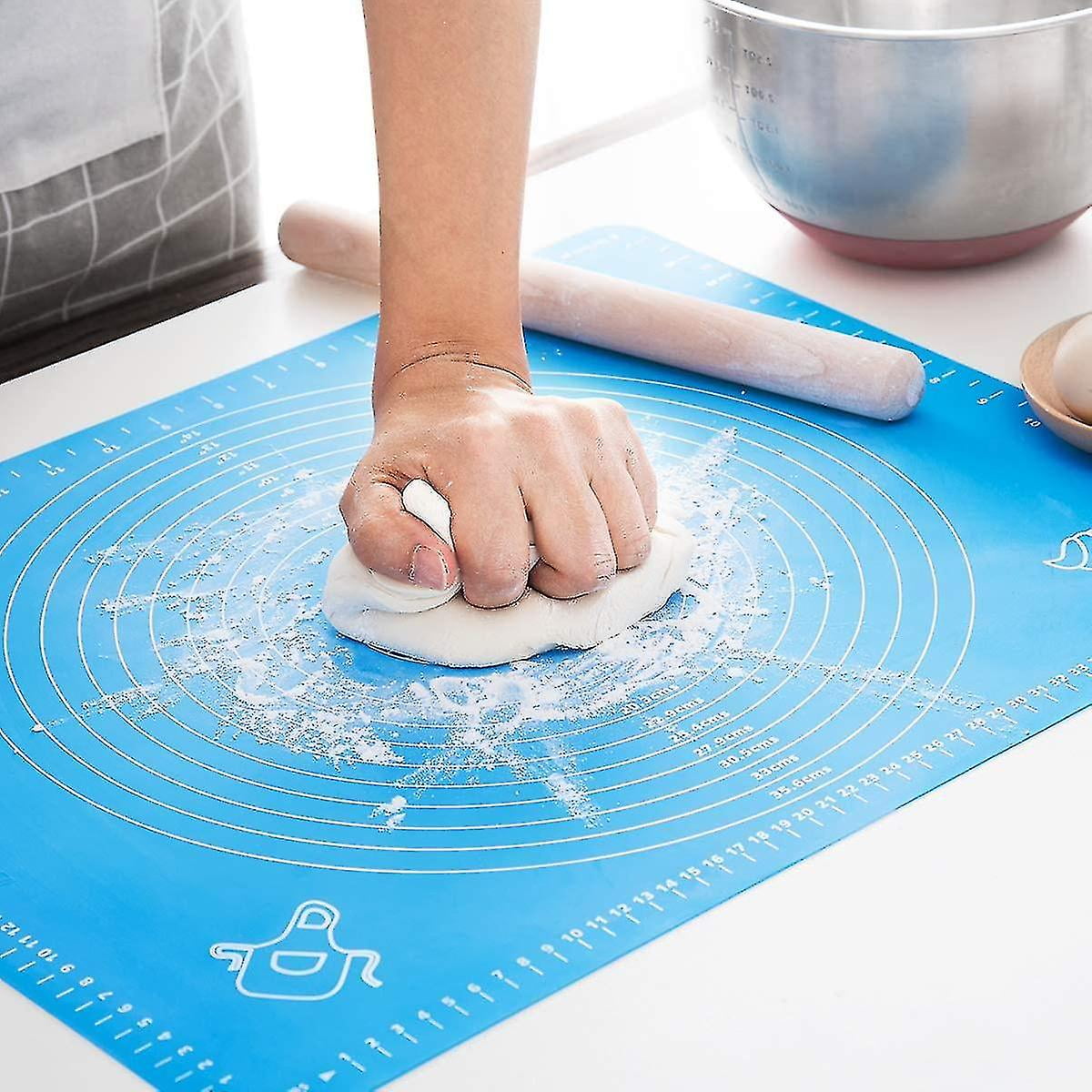
Using a silicone pastry mat makes rolling and kneading dough easier. The mat provides a smooth surface that helps with even dough handling.
It also keeps your countertop clean and reduces the need for extra flour. This makes baking less messy and more efficient.
Preventing Dough Sticking
Silicone mats naturally prevent dough from sticking, but some doughs can still cling. Lightly dust the mat with flour to stop this.
Keep a small bowl of flour nearby to sprinkle as needed. Avoid adding too much flour, which can dry out your dough.
- Sprinkle a thin layer of flour on the mat before rolling
- Use a little flour on your rolling pin
- Lift the dough gently to check for sticking
- Add more flour only if the dough sticks
Using Measurements For Precision
Many silicone mats have measurements printed on them. These help you roll dough to the right size and shape.
Use the markings to measure thickness and diameter. This ensures consistent results for pies, cookies, or pastries.
| Measurement | Use |
|---|---|
| Inches or centimeters | Check dough diameter |
| Thickness guides | Roll dough evenly |
| Grid lines | Cut dough shapes precisely |
Baking With A Silicone Pastry Mat
A silicone pastry mat is a helpful tool for baking. It provides a non-stick surface for rolling dough and baking treats.
You can use it to bake cookies, bread, and pastries without the need for extra flour or grease.
Temperature Guidelines
Silicone pastry mats can handle high temperatures safely. Most mats work well up to about 480°F (250°C).
Always check the mat’s packaging for exact temperature limits to avoid damage during baking.
- Do not use under a broiler or direct flame
- Allow the mat to cool before cleaning
- Avoid sharp knives to prevent cuts
Even Heat Distribution
The silicone material spreads heat evenly across the baking surface. This helps your baked goods cook uniformly.
Even heat reduces hot spots that can burn or undercook parts of your dough or pastry.
- Use the mat on a flat baking tray
- Place the tray in the center of the oven
- Turn baked goods halfway for best results
Cleaning And Maintaining Your Mat
Keeping your silicone pastry mat clean helps it last longer. Regular care stops dirt and stains from building up.
Simple cleaning and good storage keep your mat in top shape. This guide shows how to clean and store it well.
Removing Stains And Residue
Some stains and sticky residue can stick to the mat. Clean these quickly to avoid damage.
Use warm soapy water and a soft cloth to wipe the mat. Avoid harsh scrubbers that can scratch the surface.
- Soak the mat in warm water for a few minutes.
- Use mild dish soap to clean gently.
- For tough spots, sprinkle baking soda and scrub softly.
- Rinse well with warm water to remove all soap.
- Dry the mat completely with a clean towel.
Long-term Storage Tips
Store your silicone pastry mat flat or rolled to keep its shape. Avoid folding it to prevent creases.
Keep the mat in a cool, dry place away from direct sunlight. This protects the silicone from damage and discoloration.
- Clean and dry the mat before storing.
- Roll the mat loosely for easy storage.
- Do not place heavy items on top.
- Store in a drawer or on a shelf.
- Avoid heat or sharp objects near the mat.
Creative Uses Beyond Baking
Silicone pastry mats are great for baking, but they can do much more. Their non-stick surface and heat resistance make them useful in many ways.
Using a silicone pastry mat for crafts or cooking saves you time and keeps your workspace clean. Here are some creative ideas to try.
Crafting And Diy Projects
Use the silicone mat as a work surface for messy crafts. It keeps glue, paint, and clay from sticking to your table.
The mat is easy to clean and can be cut into smaller pieces. It also works well for rolling out materials like polymer clay or dough for crafts.
- Protect surfaces from paint or glue spills
- Roll out clay or playdough smoothly
- Use as a non-stick base for hot glue projects
- Cut the mat to use as small craft pads
Alternative Cooking Uses
Besides rolling dough, silicone mats work well for other cooking tasks. You can use them as a heat-resistant surface for hot pots or pans.
The mats also help with tasks like kneading bread or cutting sticky foods. Their non-stick nature keeps food from sticking and makes cleanup easy.
- Place under hot pots to protect counters
- Knead bread dough without sticking
- Chop sticky foods like caramel or cheese
- Use as a surface for chocolate or candy making
Frequently Asked Questions
What Is A Silicone Pastry Mat Used For?
A silicone pastry mat provides a non-stick surface for rolling dough. It protects countertops and reduces mess. It also helps in even dough thickness and easy cleanup after baking.
How Do You Clean A Silicone Pastry Mat?
Wash the mat with warm, soapy water after use. Avoid abrasive scrubbers to prevent damage. You can also place it on the top rack of your dishwasher for easy cleaning.
Can A Silicone Pastry Mat Be Used In The Oven?
Yes, most silicone pastry mats are oven-safe. They withstand temperatures up to 480°F (250°C). Always check the manufacturer’s guidelines to ensure safe use in your oven.
Does A Silicone Pastry Mat Replace Parchment Paper?
Yes, a silicone pastry mat can replace parchment paper. It provides a reusable, non-stick surface for baking. This reduces waste and saves money over time.
Conclusion
Using a silicone pastry mat makes baking easier and cleaner. It stops dough from sticking and saves time on cleanup. The mat also helps roll dough evenly for better results. It lasts a long time with simple care. Try it in your kitchen to enjoy smoother baking.
Small changes like this bring big benefits. Baking becomes less messy and more fun. Give your baking a fresh start with a silicone pastry mat.