
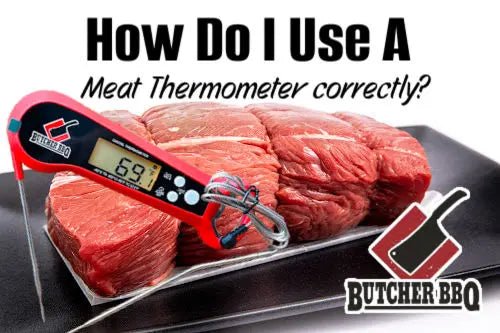
Choosing the right kitchen thermometer can make all the difference in cooking delicious and safe meals. You want a tool that’s easy to use, accurate, and fits your cooking style.
But with so many options out there, how do you find the perfect one for your kitchen? This guide will help you cut through the confusion and pick a thermometer that feels just right for you. Keep reading to discover simple tips that will take your cooking to the next level.
Types Of Kitchen Thermometers
Choosing the right kitchen thermometer helps you cook food safely. Different types work best for different cooking needs.
Understanding each type lets you pick the best one for your kitchen tasks.
Digital Vs. Analog
Digital thermometers show temperature on a screen. They give fast and clear readings.
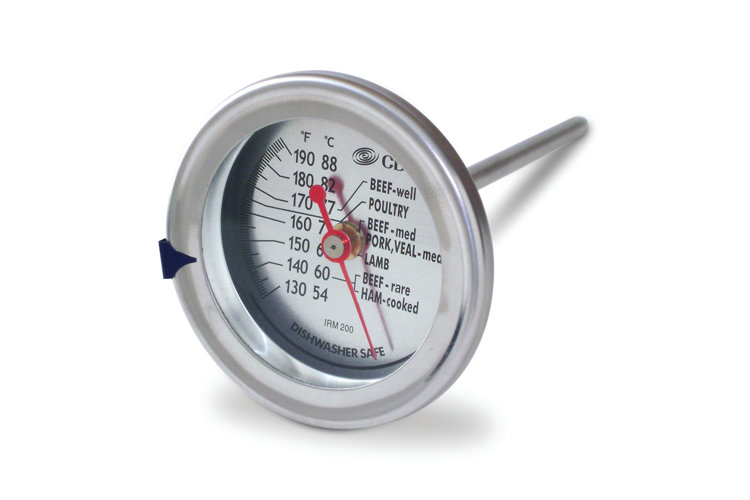
Analog thermometers use a dial and needle. They do not need batteries and are simple to use.
- Digital: quick, easy to read, needs batteries
- Analog: no batteries, slower, less precise
Probe Thermometers
Probe thermometers have a metal tip that goes inside food. They check the inside temperature accurately.
They are good for meats and large dishes. Some have wires to read temperature outside the oven.
- Insert probe into thickest part of food
- Can monitor temperature while cooking
- Good for grilling and roasting
Infrared Thermometers
Infrared thermometers measure surface temperature without touching food. They use a beam of light to read heat.
They work fast and are good for liquids or pans. They do not show inside food temperature.
- Non-contact temperature reading
- Good for checking pan or grill heat
- Not for checking meat doneness inside
Oven-safe Thermometers
Oven-safe thermometers stay in food while cooking. They handle high heat inside the oven.
You can watch the temperature without opening the oven door. They help cook food evenly and safely.
- Made with heat-resistant materials
- Leave in meat or casseroles during cooking
- Often have clear dials for easy reading

Credit: www.epicurious.com
Key Features To Consider
Choosing the right kitchen thermometer helps you cook food safely. It also ensures the best taste and texture.
Look at important features before buying a thermometer. These features affect how well the thermometer works.
Temperature Range
Check the temperature range of the thermometer. It should cover the temperatures you need for cooking.
Some thermometers measure only low or high temperatures. Choose one that fits your cooking style.
- Low range is good for cool foods or liquids
- High range is needed for grilling and roasting
- A wide range gives more flexibility
Accuracy And Precision
Accuracy means how close the reading is to the real temperature. Precision shows how consistent the readings are.
Pick a thermometer with good accuracy and precision for safe cooking and best results.
- Look for accuracy within ±1°F or ±0.5°C
- Consistent readings help avoid undercooked food
- Check product details for accuracy ratings
Response Time
Response time is how fast the thermometer shows the temperature. Faster is better for quick checks.
A slow thermometer can make you wait too long and cause mistakes in cooking.
- Look for response times under 10 seconds
- Instant-read thermometers are best for fast results
- Slow thermometers may be better for steady monitoring
Durability And Build Material
Durability matters because kitchen thermometers face heat, spills, and drops. Strong materials last longer.
Choose thermometers made from stainless steel or tough plastic. These resist damage and are easy to clean.
- Stainless steel probes resist rust and damage
- Plastic bodies can be lightweight and impact-resistant
- Waterproof or splash-proof models are easier to maintain
Ease Of Use
Choosing a kitchen thermometer that is easy to use makes cooking safer and faster. Look for features that help you read temperatures quickly and handle the device comfortably.
Simple designs with clear displays and easy controls let you focus on cooking without fuss. Battery life also matters to avoid interruptions in your kitchen work.
Display And Readability
The display should show temperatures in large, clear numbers. This helps you check the reading at a glance, even in a busy kitchen.
A backlight feature is useful when cooking in low light. A screen that shows both Celsius and Fahrenheit can fit your preferences better.
- Large, easy-to-read numbers
- Clear contrast between text and background
- Backlight for dark environments
- Switchable Celsius and Fahrenheit
User-friendly Controls
Look for thermometers with simple buttons that are easy to press. Controls should let you turn the device on and off quickly.
Some models offer a hold button to freeze the temperature on screen. This helps when you need time to read the number.
- Clear on/off button
- Easy-to-press keys
- Hold function to freeze readings
- Simple menu navigation if available
Battery Life
Choose a thermometer with long battery life to avoid frequent changes. Some devices use replaceable batteries, while others have rechargeable options.
A low battery indicator is helpful so you know when to replace or recharge. Good battery life keeps your thermometer ready whenever you cook.
- Long-lasting batteries
- Option for rechargeable or replaceable batteries
- Low battery warning light or signal
- Energy-saving auto shut-off feature
Maintenance And Cleaning
Keeping your kitchen thermometer clean helps it work correctly. Dirt and food can affect its reading.
Regular cleaning also stops bacteria from growing. This keeps your kitchen safe and your food healthy.
Waterproof And Dishwasher Safe Options
Some kitchen thermometers are waterproof. You can wash these under running water without damage.
Dishwasher safe thermometers save time. You can clean them with your regular dishes.
- Check the label to see if your thermometer is waterproof.
- Dishwasher safe models often have sealed batteries.
- Avoid soaking non-waterproof thermometers in water.
Probe Cleaning Tips
Clean the probe after each use. Food particles can stick and cause wrong readings.
Use warm, soapy water and a soft cloth to wipe the probe. Dry it well before storing.
- Do not use harsh chemicals or abrasive pads.
- Sanitize the probe with a small amount of rubbing alcohol.
- Keep the probe dry to prevent rust and damage.
Price And Warranty
Choosing the right kitchen thermometer means thinking about price and warranty. These two factors help you get good value and protect your purchase.
Knowing your budget and warranty details saves money and avoids problems later on.
Budget-friendly Options
Many kitchen thermometers come at low prices without losing quality. Look for simple models that fit your needs.
Price does not always mean better quality. Some budget options work well for daily cooking.
- Basic digital thermometers are usually affordable
- Analog thermometers cost less but may be less accurate
- Check for features you really need to avoid extra cost
- Read reviews to find reliable low-cost models
Warranty Considerations
Warranty protects your thermometer if it breaks or stops working. It is important to check before buying.
Longer warranty periods show confidence from the maker. They also save money on repairs or replacements.
- Look for at least one year of warranty
- Read what the warranty covers and excludes
- Keep your receipt to claim warranty easily
- Some brands offer extended warranty for free or extra cost
Credit: www.wayfair.com
Top Brands To Consider
Choosing the right kitchen thermometer can make cooking easier and safer. Many brands offer reliable and easy-to-use models.
Look for brands known for accuracy, durability, and clear displays. This helps you pick the best tool for your kitchen.
Thermoworks
ThermoWorks is known for its precise and fast-reading thermometers. Many chefs trust their products for accuracy.
Their thermometers often feature large displays and simple controls. They work well for both beginners and experts.
Weber
Weber offers thermometers designed for grilling and cooking. Their products combine good build quality with easy use.
Many Weber thermometers have quick response times and clear temperature readings. They suit outdoor and indoor cooking.
Oxo
OXO makes kitchen tools that are user-friendly and reliable. Their thermometers often have ergonomic designs.
These thermometers provide accurate readings and are easy to clean. They are good for everyday cooking tasks.
Lavatools
Lavatools focuses on digital thermometers with fast and precise results. Many models include backlit displays for low light.
Their thermometers are compact and easy to carry. They suit both home cooks and professionals.
Taylor Precision Products
Taylor Precision Products offers a wide range of kitchen thermometers. Their products balance quality with affordability.
These thermometers are simple to use and offer reliable temperature readings. They are a solid choice for many kitchens.
Safety Tips For Using Thermometers
Using a kitchen thermometer helps ensure your food is safe to eat. It prevents undercooking and foodborne illnesses.
Follow safety tips to avoid accidents and keep your thermometer clean and working well.
Keep The Thermometer Clean
Clean your thermometer before and after use. This stops germs from spreading between foods.
- Wash the probe with hot, soapy water
- Use a disinfectant wipe if needed
- Dry it completely before storing
Avoid Cross-contamination
Use the thermometer only for one type of food at a time. This prevents bacteria from raw meat reaching cooked food.
- Use separate thermometers for raw and cooked foods if possible
- Clean the thermometer between different foods
- Do not touch the probe with bare hands during use
Handle The Thermometer Safely
Use the thermometer carefully to avoid burns or injuries. The probe can get hot after use.
- Hold the thermometer by the handle only
- Keep fingers away from the hot probe
- Allow the thermometer to cool before cleaning
Store The Thermometer Properly
Store your thermometer safely to protect it from damage and keep it clean.
- Use a protective case if available
- Keep it out of reach of children
- Store in a dry place to avoid rust
Check The Thermometer Regularly
Test your thermometer often to make sure it shows the right temperature. This keeps food safe.
- Calibrate the thermometer as the manual says
- Replace batteries if needed
- Replace the thermometer if it breaks or stops working
Common Mistakes To Avoid
Choosing the right kitchen thermometer is important for safe cooking. Many people make mistakes that affect how well their thermometer works.
Avoiding these common errors helps you pick a thermometer that lasts and gives accurate readings.
Ignoring The Thermometer Type
There are many types of kitchen thermometers. Some are for meat, others for candy or ovens.
Choosing the wrong type can lead to wrong temperatures and unsafe food.
Not Checking The Accuracy
Some thermometers are not very accurate. This can cause undercooked or overcooked food.
Always check reviews or test the thermometer before use to ensure it reads correctly.
Overlooking The Response Time
Slow thermometers take longer to show the temperature. This slows down cooking and can cause mistakes.
Pick a thermometer with a fast response time for better results.
Buying Without Considering Durability
Kitchen thermometers face heat and spills. Some break easily or stop working after a short time.
Choose thermometers made with strong materials and good build quality.
Ignoring Ease Of Use And Cleaning
Complicated thermometers can confuse users. Hard-to-clean models may trap food and germs.
Pick a thermometer that is simple to use and easy to clean.

Credit: www.yahoo.com
Frequently Asked Questions
What Types Of Kitchen Thermometers Are Best?
Digital instant-read thermometers are fast and accurate. Probe thermometers are ideal for roasting. Infrared thermometers are great for surface temperatures. Choose based on your cooking style and needs.
How Do I Choose A Thermometer For Meat?
Select a thermometer with a wide temperature range and quick response time. Ensure it has clear, easy-to-read displays. Accuracy is crucial for safe cooking.
Are Wireless Kitchen Thermometers Reliable?
Yes, wireless thermometers offer convenience and accurate readings. They allow remote monitoring, which helps prevent overcooking. Look for models with strong connectivity and good battery life.
How Important Is Thermometer Accuracy In Cooking?
Highly important. Accurate thermometers ensure food reaches safe temperatures, preventing undercooking or overcooking. This helps maintain flavor and food safety.
Conclusion
Choosing the right kitchen thermometer helps cook food safely and well. Check the features and type that fit your cooking style. A good thermometer saves time and avoids guesswork. Keep it clean and store it properly for long use. Trust your thermometer to know when food is ready.
Simple steps lead to better meals every time. Happy cooking!