
Your kitchen is one of the busiest places in your home, filled with appliances that make cooking easier and faster. But have you ever stopped to think about how safely you’re using them?
A small mistake with your kitchen appliances can lead to accidents, injuries, or even damage to your home. What if you could avoid these risks with a few simple tips? Keep reading to discover easy and effective ways to use your kitchen appliances safely every day.
Your peace of mind and safety are just a few steps away.
Kitchen Layout Safety
Keeping your kitchen safe helps prevent accidents while cooking. A smart layout makes appliance use easier and safer.
Good design reduces risks like burns, trips, and electrical hazards. Plan your kitchen to protect everyone.
Optimal Appliance Placement
Place appliances where they are easy to reach but do not block each other. Keep hot items away from water sources.
Keep heavy appliances on lower shelves or counters to avoid dropping injuries. Separate heat-producing devices to avoid overheating.
- Microwave near the countertop for safe handling
- Stove away from sinks to prevent water splashes
- Refrigerator in an open space for easy access
- Keep toaster and kettle away from flammable items
Safe Traffic Flow
Design paths to allow easy movement without bumping into appliances or people. Avoid narrow walkways.
Clear spaces near appliances reduce accidents. Plan for enough room to open doors and drawers safely.
- Keep walkways at least 36 inches wide
- Place frequently used appliances where traffic is low
- Ensure no appliance doors block paths when open
- Arrange counters to create a smooth cooking workflow
Electrical Safety Tips
Kitchen appliances make cooking easier and faster. Using them safely prevents accidents and fires.
Understanding basic electrical safety helps protect your home and family from harm.
Avoid Overloading Circuits
Do not plug too many devices into one outlet. Overloading circuits can cause electrical fires.
Check the power ratings of your appliances before use. Spread out appliances across outlets.
- Use only one high-power appliance per outlet
- Turn off appliances when not in use
- Replace old wiring to handle modern loads
Proper Use Of Extension Cords
Use extension cords only when necessary. Choose cords rated for kitchen appliance power needs.
Do not connect multiple extension cords together. Avoid running cords under rugs or near water.
- Pick heavy-duty cords with proper insulation
- Unplug cords when not in use
- Inspect cords regularly for damage or frays
Handling Sharp Appliances
Sharp kitchen tools need careful handling to keep you safe. These tools can cause cuts if used wrongly.
Always follow safety tips to avoid accidents while cooking. Proper use and storage help prevent injuries.
Knife Safety
Use knives carefully to avoid cuts. Always cut on a stable surface like a cutting board.
Keep your knives sharp. Dull knives slip and cause more accidents than sharp ones.
- Hold the knife handle firmly with your dominant hand
- Keep fingers away from the blade when cutting
- Cut away from your body and keep the blade pointed down
- Never try to catch a falling knife
- Store knives in a knife block or magnetic strip
Food Processor Precautions
Food processors have sharp blades inside. Always unplug before cleaning or fixing them.
Use the food processor only with the lid properly locked. This stops the blades from spinning unexpectedly.
- Keep hands and utensils out of the feed tube while running
- Use the provided pusher to add food safely
- Clean blades carefully and store them safely
- Check the appliance for damage before use
- Follow the instruction manual for safe operation

Credit: medium.com
Preventing Burns And Scalds
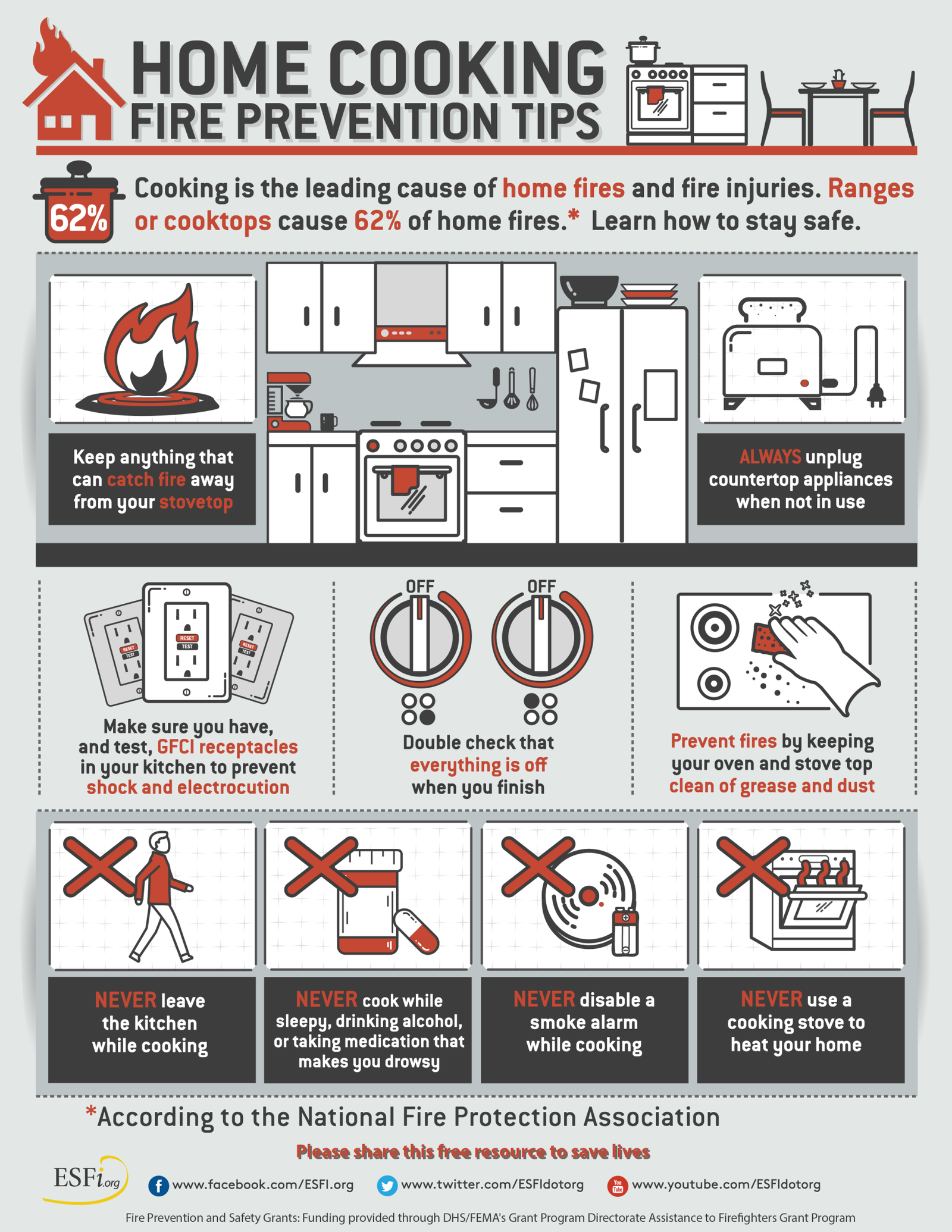
Kitchen appliances can cause burns and scalds if not used carefully. It is important to follow safety tips to protect yourself and others.
Simple habits and awareness help reduce accidents in the kitchen. Always stay alert when using hot appliances.
Safe Stove Use
Keep pot handles turned inward to avoid knocking them over. Use oven mitts to handle hot pots and pans.
Never leave the stove unattended while cooking. Clean spills immediately to prevent fires and burns.
- Turn pot handles away from edges
- Use dry oven mitts or potholders
- Stay near the stove when cooking
- Keep flammable items away from burners
- Clean spills right away
Microwave Safety Measures
Use microwave-safe containers to avoid melting or fires. Stir food to prevent hot spots that cause burns.
Open microwave doors carefully to avoid steam burns. Let food cool a little before eating or handling.
- Only use microwave-safe dishes
- Cover food to stop splatters
- Stir and check food temperature
- Open door slowly to release steam
- Allow food to cool before touching
Child Safety In The Kitchen
The kitchen has many appliances that can be dangerous to children. It is important to keep kids safe while cooking or eating.
Parents and caregivers should take steps to protect children from accidents with kitchen devices. Teaching safety habits is also key.
Childproofing Appliances
Locking or blocking kitchen appliances helps prevent children from using them. Many devices have child safety locks or covers.
Place hot or sharp appliances out of reach. Unplug appliances when not in use to avoid accidents.
- Use stove knob covers to stop children from turning burners on
- Keep knives and sharp tools in high drawers or locked boxes
- Install safety plugs on toaster and blender outlets
- Store small appliances on high shelves or inside cabinets
- Unplug appliances like coffee makers and mixers after use
Teaching Kids Kitchen Safety
Teach children to stay away from hot surfaces and sharp objects. Explain why they must be careful around appliances.
Give simple rules for safe behavior in the kitchen. Practice those rules often and model safe habits yourself.
- Never touch hot stove burners or ovens
- Ask an adult before using any appliance
- Keep hands and face away from blenders and mixers
- Wash hands before and after handling food
- Use oven mitts or potholders with help from adults
Credit: medium.com
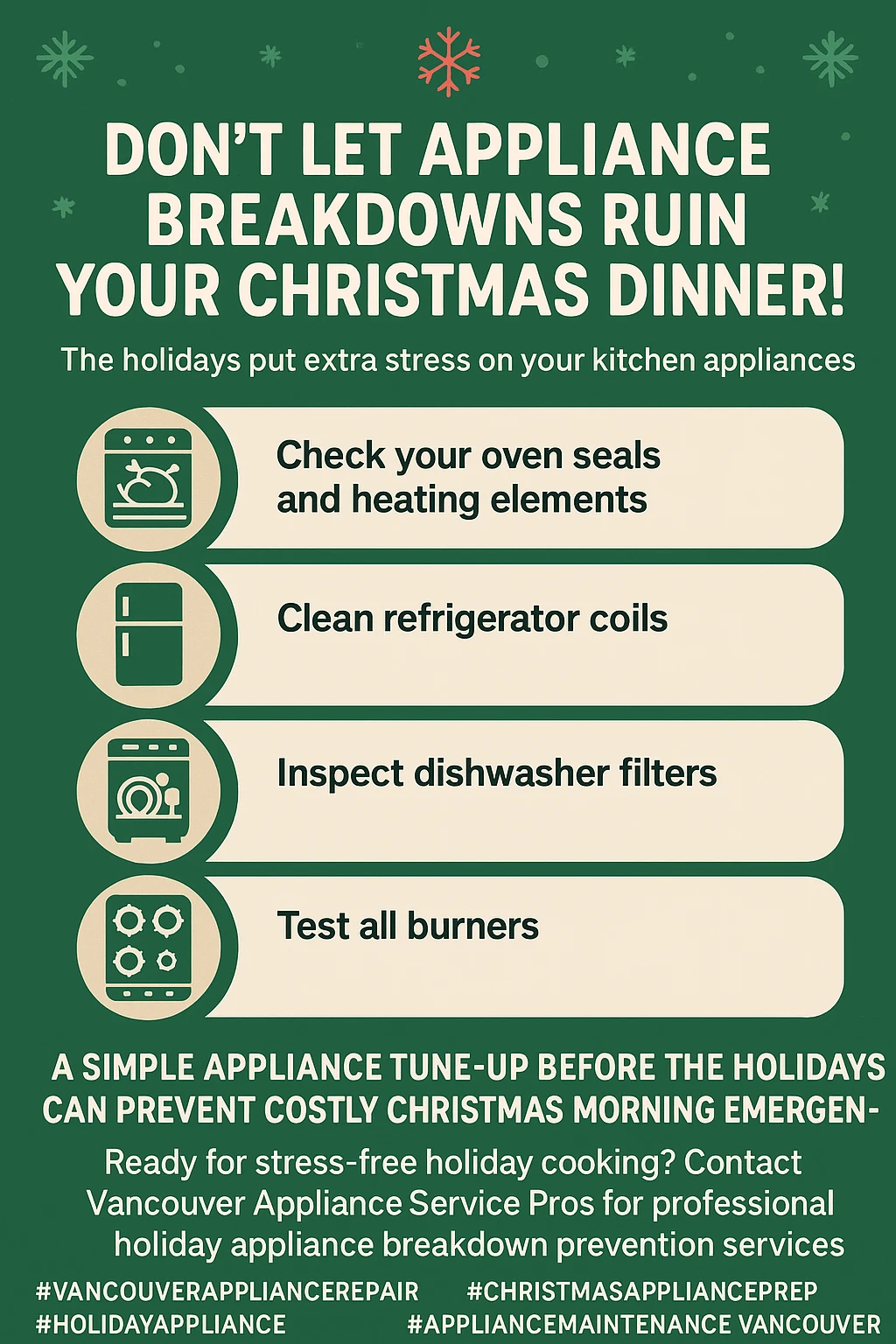
Maintenance And Cleaning
Keeping kitchen appliances clean and well-maintained helps them work safely. This also extends their lifespan and stops accidents.
Simple habits like checking parts and cleaning regularly can protect your home and family from harm.
Regular Appliance Checks
Check your appliances often to spot problems early. Look for frayed cords, loose plugs, or cracks in the casing.
Test if buttons and switches work well. Fix or replace broken parts before using the appliance again.
- Inspect power cords and plugs for damage
- Make sure buttons and switches respond properly
- Check for unusual noises or smells
- Look for signs of wear or cracks on the appliance
Safe Cleaning Practices
Unplug appliances before cleaning to avoid shocks. Use soft cloths and mild cleaners to protect surfaces.
Never soak electrical parts in water. Clean removable parts separately and dry them well before reassembly.
- Always unplug before cleaning
- Use gentle cleaning products
- Do not immerse electrical parts in water
- Dry parts completely before use
Emergency Preparedness
Kitchen appliances help us cook fast and easy. But accidents can happen anytime. Being ready for emergencies keeps everyone safe.
Learn simple steps to handle kitchen dangers like fires and injuries. Preparedness can stop small problems from getting worse.
Fire Safety Protocols
Fires start quickly in kitchens. Know how to react fast to stop fires and protect yourself.
Keep a fire extinguisher nearby and know how to use it. Never use water on a grease fire.
- Turn off the appliance causing the fire if safe
- Cover small flames with a metal lid or baking sheet
- Use a class K fire extinguisher for grease fires
- Call emergency services if the fire grows
- Have a clear exit path from the kitchen
First Aid For Kitchen Injuries
Kitchen injuries like cuts and burns happen often. Knowing first aid helps reduce pain and prevent infection.
Keep a first aid kit in the kitchen. Clean wounds quickly and cover them with a bandage.
- For burns, cool the area with cold water for 10 minutes
- Do not apply ice directly on burns
- Clean cuts with mild soap and water
- Use sterile bandages to cover wounds
- Seek medical help for deep cuts or large burns
Credit: vancouverapplianceservice.ca
Frequently Asked Questions
How Can I Prevent Electrical Hazards With Kitchen Appliances?
Always unplug appliances when not in use. Avoid using damaged cords. Keep appliances dry and away from water sources to prevent shocks.
What Safety Tips Ensure Proper Use Of Kitchen Appliances?
Read the user manual carefully. Use appliances only for their intended purpose. Maintain cleanliness and inspect regularly for faults.
How Do I Avoid Fire Risks From Kitchen Appliances?
Never leave appliances unattended while operating. Keep flammable materials away. Ensure proper ventilation and clean appliance filters frequently.
When Should I Replace Old Kitchen Appliances?
Replace appliances showing frayed cords, unusual noises, or inconsistent operation. Regularly inspect and upgrade to newer, safer models if needed.
Conclusion
Safe kitchen appliance use protects you and your home. Always read instructions before use. Keep appliances clean to avoid accidents. Unplug devices when not in use. Never leave cooking food unattended. Check cords for damage often. Store sharp tools carefully nearby.
Small steps make a big difference. Stay alert and cautious every time. Your safety matters most in the kitchen.