

Choosing the right pastry wheel can make a big difference in your baking experience. Whether you’re cutting dough for pies, tarts, or pasta, the tool you pick affects how clean and precise your cuts will be.
But with so many options out there, how do you know which one is best for you? You’ll discover simple tips to find a pastry wheel that fits your needs perfectly. Keep reading, and you’ll soon feel confident creating beautiful, flawless pastries every time.
Types Of Pastry Wheels
Pastry wheels are useful tools for cutting dough. They help create clean edges and decorative shapes.
There are different types of pastry wheels. Each type serves a special purpose in baking.
Plain Edge Wheels
Plain edge wheels have a smooth, straight blade. They cut dough cleanly without adding patterns.
These wheels are good for simple cuts. Use them for straight lines or basic shapes.
Fluted Edge Wheels
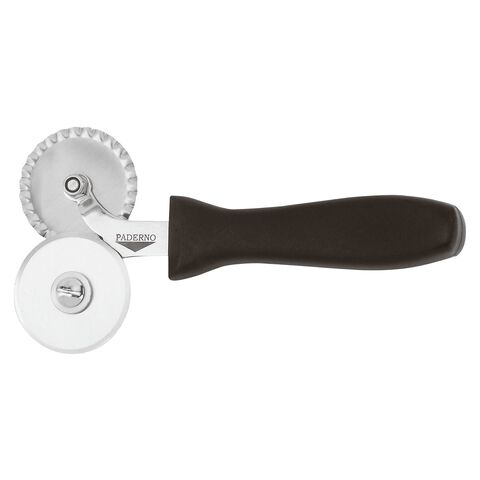
Fluted edge wheels have a blade with wavy, sharp edges. They create a zigzag pattern on the dough.
These wheels add decorative edges to pastries. They also help seal pie crusts well.
- Perfect for pie crusts
- Gives a classic look
- Helps dough stick together
Scalloped Edge Wheels
Scalloped edge wheels have rounded, curved edges. They create soft, scalloped patterns on dough.
These wheels add a gentle design to baked goods. They work well for cookies and decorative pastries.
Credit: www.paderno.it
Material Considerations
Choosing the right material for a pastry wheel is important. It affects the tool’s durability and comfort.
Different materials offer unique benefits and drawbacks. Knowing them helps you pick the best pastry wheel.
Stainless Steel
Stainless steel is strong and long-lasting. It resists rust and stays sharp over time.
Cleaning is easy because stainless steel does not stain. It is a hygienic choice for kitchen tools.
- Durable and rust-resistant
- Easy to clean and maintain
- Sharp cutting edge
- Can be heavy
Plastic
Plastic pastry wheels are lightweight and affordable. They are safe to use on non-stick surfaces.
Plastic may not be as sharp or durable as metal. It can wear out faster with heavy use.
- Lightweight and easy to handle
- Safe for non-stick cookware
- Less durable than metal
- May dull quickly
Wooden Handles
Wooden handles offer a comfortable grip. They feel warm and natural in your hand.
Wood may absorb moisture and stain. Proper care helps keep the handle in good shape.
- Comfortable and natural grip
- Can absorb water if not dried well
- Adds classic look to the tool
- Needs regular maintenance
Size And Weight Factors
Choosing the right pastry wheel depends on its size and weight. These factors affect how easy it is to use and control.
Paying attention to size and weight helps you pick a pastry wheel that fits your needs. Comfort and precision improve with the right choice.
Blade Diameter
The blade diameter decides how wide your cuts will be. Larger blades cut bigger strips of dough quickly.
Smaller blades offer more detailed cuts. Choose blade size based on the type of pastry you make.
- Large blades are good for broad cuts and fast work
- Small blades help with fine, decorative edges
- Medium blades offer a balance between speed and detail
Handle Length
Handle length affects how comfortable the wheel feels in your hand. Longer handles give better grip and control.
Shorter handles are easier to store and good for quick jobs. Pick a handle length that fits your hand size well.
- Long handles provide more leverage for cutting
- Short handles are compact and lightweight
- Choose a handle that feels natural to hold
Overall Weight
The weight of the pastry wheel affects how tiring it is to use. A heavy wheel might slow you down.
Lighter wheels are easier to handle for long periods. Make sure the wheel is sturdy but not too heavy.
- Lightweight wheels reduce hand fatigue
- Heavier wheels can feel more durable
- Balance weight and comfort for best results
Ease Of Use
Choosing a pastry wheel that is easy to use makes baking more enjoyable. A good pastry wheel helps you cut dough quickly and cleanly.
Look for features that reduce hand strain and make cleaning simple. This saves time and effort in the kitchen.
Ergonomic Design
An ergonomic design fits comfortably in your hand. It helps you cut dough without feeling tired or cramped.
Look for handles that match the size of your hand. Smooth edges and a balanced weight make the pastry wheel easier to control.
Non-slip Grip
A non-slip grip keeps the pastry wheel steady while you cut. This prevents accidents and improves accuracy.
Choose materials like rubber or textured plastic for the handle. These materials help you hold the wheel firmly, even with wet hands.
Ease Of Cleaning
A pastry wheel should be easy to clean after use. This keeps it hygienic and ready for your next baking session.
Look for dishwasher-safe materials and simple designs. Avoid wheels with small parts that trap dough or flour.
Durability And Maintenance
Choosing a pastry wheel means thinking about how long it will last. A durable pastry wheel saves money and effort.
Maintenance is key to keep your pastry wheel working well. Easy cleaning helps you use it often without trouble.
Dishwasher Safe Options
Some pastry wheels can be cleaned in the dishwasher. This option makes cleaning fast and simple.
Check the product details to see if the wheel is dishwasher safe. Not all materials can handle high heat.
- Look for stainless steel or plastic handles marked dishwasher safe
- Hand wash wooden handles to avoid damage
- Avoid dishwasher use if the blade is sharp or delicate
Rust Resistance
Rust can ruin a pastry wheel quickly. Choose wheels made from rust-resistant materials for longer use.
Stainless steel is a good choice. It does not rust easily and stays sharp over time.
- Stainless steel blades resist rust and corrosion
- Plastic or silicone handles do not rust
- Avoid iron or low-quality metals that rust fast
Long-lasting Construction
Look for pastry wheels built to last many uses. Strong construction saves you from buying again soon.
Wheels with solid joints and sturdy handles work best. Avoid loose parts that break easily.
- Metal blades with secure rivets last longer
- Ergonomic handles reduce hand strain
- Avoid cheap plastic parts that crack or bend

Credit: www.youtube.com
Price Range And Budget
Choosing the right pastry wheel depends on your budget. Prices vary based on material and brand.
Knowing your price range helps you find the best pastry wheel for your needs.
Affordable Options
Affordable pastry wheels usually cost between $5 and $15. They work well for occasional use.
These options often have plastic handles and simple blades but get the job done.
- Plastic or basic metal blade
- Lightweight design
- Good for beginners or light use
High-end Choices
High-end pastry wheels cost $20 to $50 or more. They offer better durability and comfort.
These wheels often have stainless steel blades and ergonomic handles for frequent use.
- Stainless steel or carbon steel blades
- Ergonomic and sturdy handles
- Designed for professional or heavy use
Finding Value For Money
Look for pastry wheels that balance price and quality. You want durability without overspending.
Check materials and user reviews to find a reliable tool within your budget.
- Choose stainless steel blades for long life
- Pick handles that feel comfortable
- Compare prices for similar features
Brand Recommendations
Choosing the right pastry wheel is easier when you know which brands are trusted. Good brands offer quality and durability.
We will look at popular brands, what customers say, and expert picks to help you decide.
Popular Brands
Some brands are well known for making good pastry wheels. They focus on strong materials and easy use.
- OXO – Known for comfortable handles and sharp blades
- KitchenAid – Offers sturdy and stylish options
- Joseph Joseph – Features innovative designs and quality
- Wilton – Affordable and reliable for home bakers
Customer Reviews
Customer reviews show real experiences with pastry wheels. Many buyers look for sharpness and comfort.
Users often say they want a wheel that cuts cleanly and does not slip in hand.
- Sharp blade that stays sharp over time
- Comfortable handle for long use
- Easy to clean after baking
- Good size for different dough types
Expert Picks
Experts recommend pastry wheels that combine quality and design. They focus on durability and safety.
Experts suggest choosing brands that offer replacement parts and good warranty.
- Look for stainless steel blades for rust resistance
- Choose ergonomic handles to reduce hand strain
- Check if the wheel is easy to disassemble and clean
- Consider brands with good customer support
Special Features
Choosing a pastry wheel means looking at the special features it offers. These features help you work faster and create better designs.
Some pastry wheels have parts that you can change or adjust. Others can do more than just cut dough. Knowing these features helps you pick the right tool.
Interchangeable Blades
Interchangeable blades let you switch cutting edges easily. This feature gives you more options for shapes and styles.
You can use one wheel for straight cuts and another for decorative edges. This saves space and money.
- Different blade shapes for varied designs
- Easy to swap without tools
- Helps keep your pastry work neat
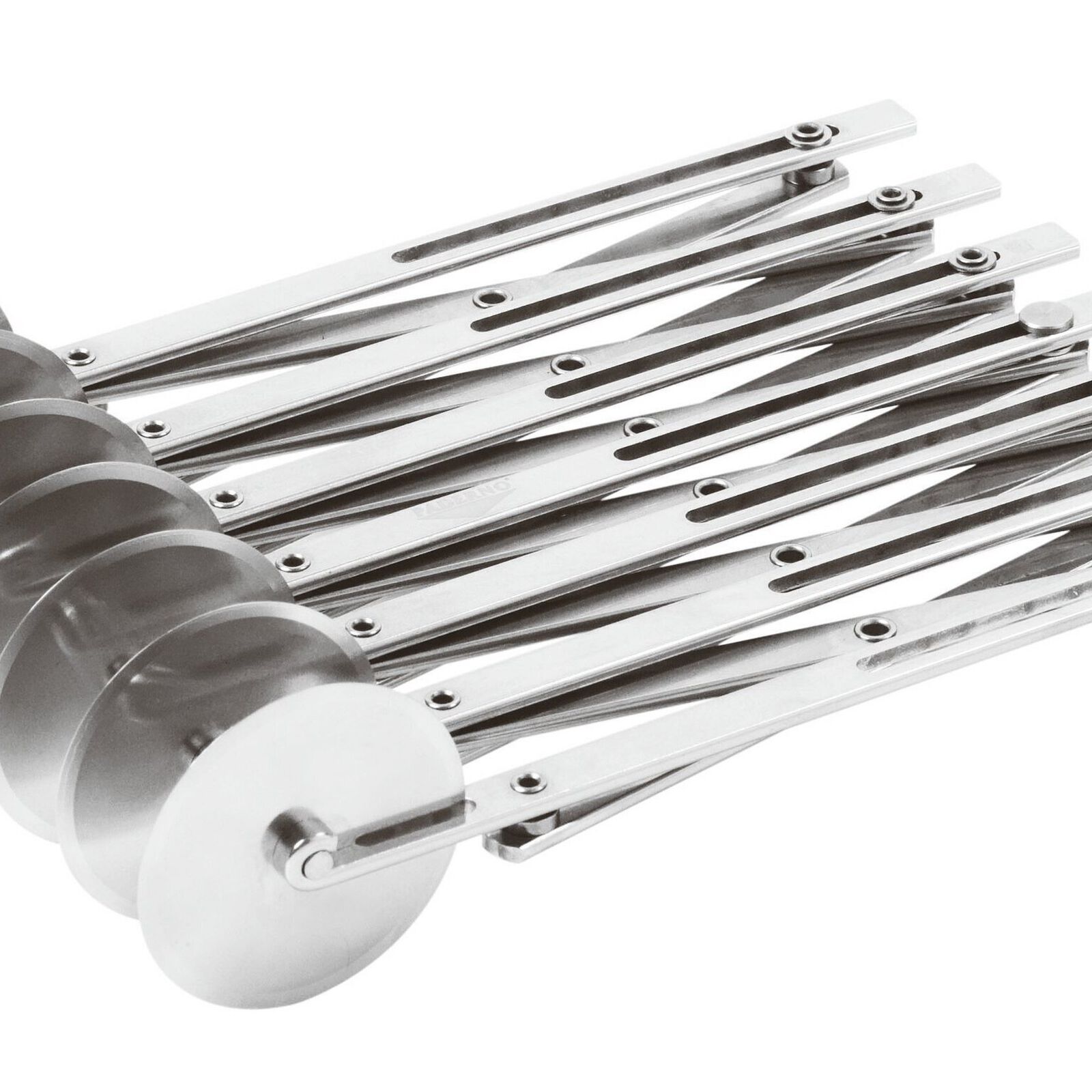
Adjustable Wheels
Adjustable wheels let you change the width of the cut. This is great for making different sizes of dough strips.
You can set the wheel to cut thin or thick lines. This feature adds flexibility to your baking tasks.
- Set exact cutting width
- Good for lattice and borders
- Improves precision and control
Multi-function Tools
Multi-function pastry wheels offer more than cutting. They may include features like marking dough or crimping edges.
This saves you from buying extra tools. You get more work done with one handy device.
- Cut, mark, and shape dough
- Reduce kitchen clutter
- Useful for many baking tasks
Credit: www.paderno.it
Frequently Asked Questions
What Is A Pastry Wheel Used For?
A pastry wheel cuts dough into shapes or strips. It helps create decorative edges and precise portions. It’s essential for pies, tarts, and pasta.
How To Choose The Right Pastry Wheel Size?
Choose a wheel size based on your baking needs. Smaller wheels offer detailed cuts, while larger wheels cover more dough quickly. Consider your project type for the best fit.
What Materials Make The Best Pastry Wheel?
Look for stainless steel blades for durability and easy cleaning. Comfortable handles made from wood or plastic improve grip. Quality materials ensure smooth, consistent cuts.
Can I Use A Pastry Wheel For Pasta Dough?
Yes, pastry wheels cut pasta dough effectively. They create clean edges for noodles like fettuccine and ravioli. Using a wheel speeds up pasta preparation.
Conclusion
Choosing the right pastry wheel makes baking easier and more fun. Think about the size and blade type you need. Choose a comfortable handle for better control. A good pastry wheel helps you create neat, even cuts every time. It saves time and gives your baked goods a nice look.
Keep your needs in mind and pick a tool that fits your style. Baking becomes more enjoyable with the right equipment by your side. Simple steps lead to better baking results.