
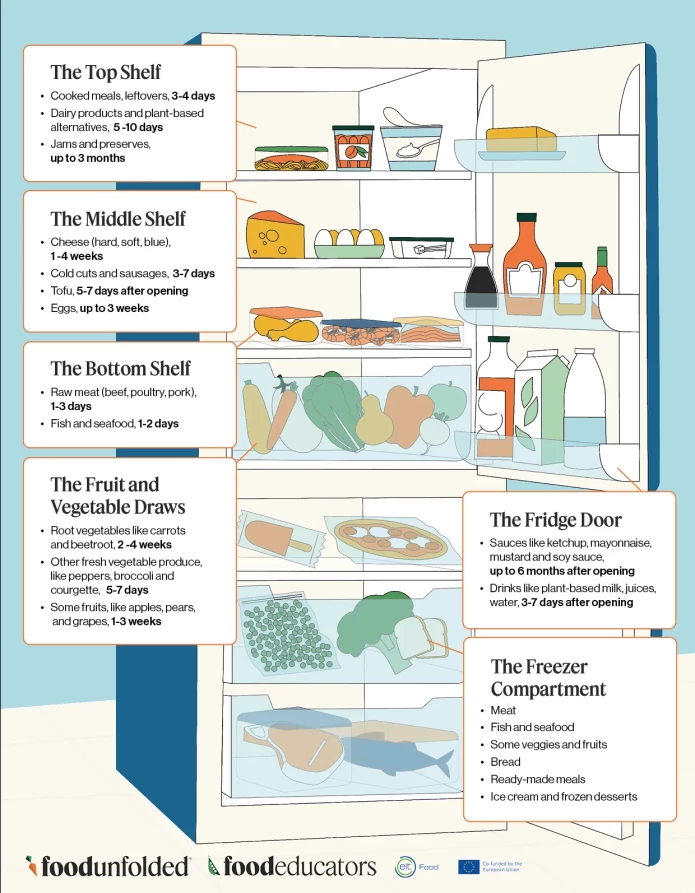
Are you tired of finding your leftover meals spoiled or unsafe to eat? Storing cooked food properly isn’t just about saving money—it’s about protecting your health and enjoying every bite.
If you want to keep your food fresh, tasty, and free from harmful bacteria, you need to know the right tips and tricks. You’ll discover simple, effective ways to store your cooked meals hygienically. Keep reading to make sure your food stays safe and delicious every time.
Importance Of Food Storage
Storing cooked food properly keeps it safe to eat. It helps stop germs and bacteria from growing.
Good food storage also keeps the taste and texture fresh for longer.
Preventing Food Poisoning
Cooked food can grow harmful bacteria if left out too long. Storing food well stops this.
Always cool food quickly and keep it in the fridge to reduce bacteria growth.
Keeping Food Fresh
Proper storage slows down food spoilage. It keeps food tasty and nutritious for days.
Use airtight containers to keep air out and moisture in. This helps food stay fresh longer.
Saving Money And Reducing Waste
Storing cooked food well stops it from spoiling fast. You waste less food this way.
Leftovers can be safely saved and eaten later, which saves money.
Maintaining Nutritional Value
Good food storage keeps vitamins and minerals in your cooked meals. Poor storage can destroy nutrients.
Keep food cool and sealed to protect its nutrition and quality.
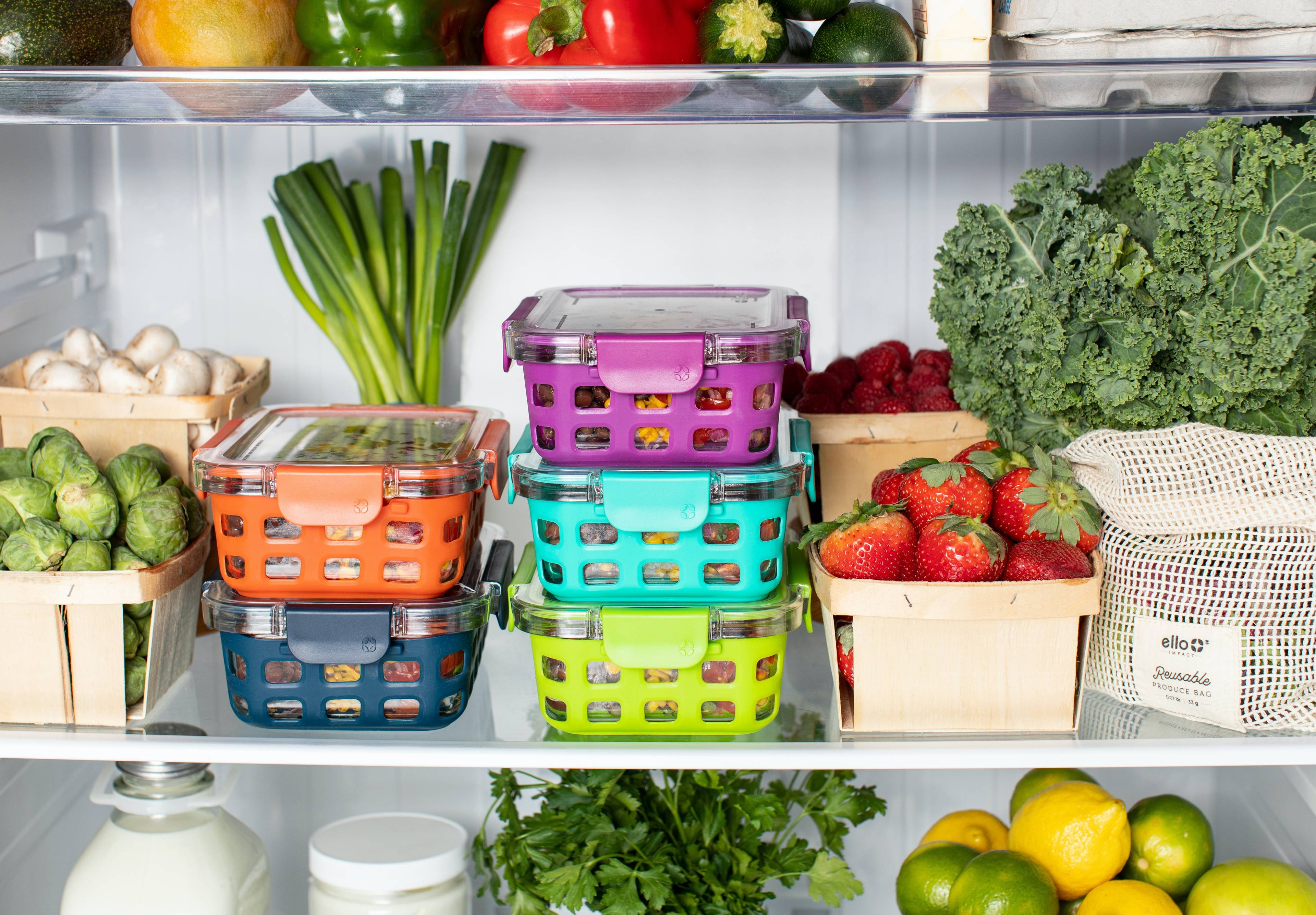
Credit: www.chefsplate.com
Cooling Cooked Food
Cooling cooked food quickly is important to keep it safe to eat. Proper cooling stops bacteria from growing.
Follow simple steps to cool food safely and keep it fresh longer.
Ideal Temperature Range
Cooked food should cool from hot to cold as fast as possible. The best temperature range to cool food is from 140°F to 40°F (60°C to 4°C).
This range slows down bacteria growth and keeps food safe.
- Above 140°F (60°C), bacteria do not grow fast.
- Between 140°F and 40°F (60°C to 4°C) is the danger zone.
- Below 40°F (4°C), bacteria growth almost stops.
Time Limits For Cooling
Cooked food must cool down quickly to stay safe. It should cool from 140°F to 70°F (60°C to 21°C) within 2 hours.
Then, cool the food from 70°F to 40°F (21°C to 4°C) within 4 hours. Total cooling time should not be more than 6 hours.
- Cool from 140°F to 70°F in 2 hours or less.
- Cool from 70°F to 40°F in the next 4 hours.
- Do not cool food longer than 6 hours in total.
Proper Container Use
Storing cooked food safely stops germs from growing. Using the right container keeps food fresh longer.
Good containers help keep food clean and easy to store in the fridge or freezer.
Choosing The Right Material
Pick containers made from safe, food-grade materials. Some materials keep food fresh better than others.
Glass and certain plastics are good choices. Avoid containers that can melt or release chemicals.
- Glass: Does not absorb smells or stains
- BPA-free plastic: Lightweight and safe for food
- Stainless steel: Durable and easy to clean
- Avoid old or cracked containers
Sealing Techniques
Seal containers tightly to stop air and bacteria from entering. This keeps food fresh and safe.
Use lids that fit well or wrap containers with plastic wrap or foil if lids are missing.
- Check that lids snap or screw on securely
- Use airtight containers for liquids and soups
- Label containers with date before sealing
- Do not overfill containers to allow lid to close fully
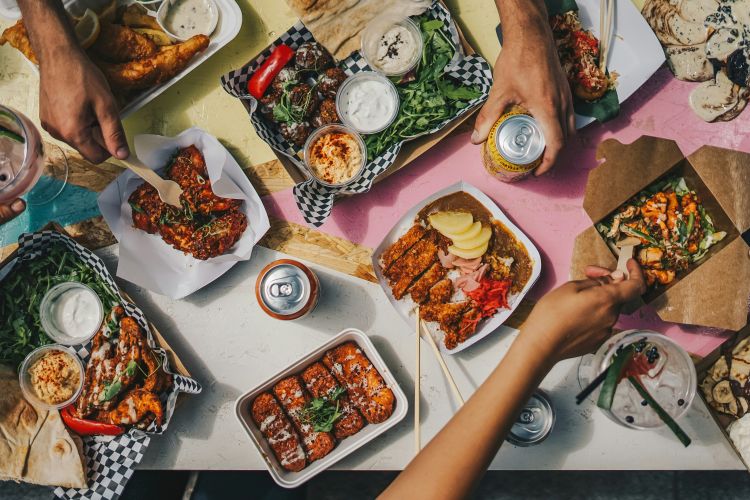
Credit: www.canr.msu.edu
Labeling And Dating
Storing cooked food safely helps prevent illness. Labeling and dating food is an easy way to keep track.
Clear labels show what the food is and when it was made. This keeps your fridge and freezer organized.
Effective Labeling Practices
Use waterproof labels or masking tape on containers. Write the food name and any important notes.
Use a permanent marker to avoid smudging. Keep the label easy to read and in a visible spot.
- Write the full name of the dish
- Include reheating instructions if needed
- Avoid abbreviations that can confuse
- Use clear, simple language
Organizing By Date
Always add the cooking or storage date on the label. This helps you use older food first.
Place items in your fridge or freezer by date. Move older food to the front to remind you to eat it soon.
- Use the “first in, first out” rule
- Check dates regularly to avoid spoilage
- Throw away food that is past safe storage time
- Keep a food storage chart nearby for reference
Refrigeration Tips
Storing cooked food properly keeps it safe to eat. Refrigeration slows bacteria growth and helps food last longer.
Use your refrigerator the right way to keep cooked food fresh and hygienic.
Optimal Refrigerator Temperature
Set your fridge temperature between 34°F and 40°F (1°C to 4°C). This range keeps food cold enough to stop germs from growing.
Use a fridge thermometer to check the temperature often. Avoid temperatures above 40°F to keep food safe.
- Keep fridge below 40°F (4°C)
- Use a thermometer to monitor
- Adjust settings if temperature rises
Arrangement For Air Circulation
Do not pack your fridge too tightly. Air needs space to move and keep food cold evenly.
Place cooked food on shelves, not in the door. The door temperature changes often and can spoil food faster.
- Leave space between containers
- Keep cooked food on middle or top shelves
- Avoid storing food in fridge door
Freezing Techniques
Freezing is a great way to keep cooked food fresh for longer. It stops bacteria growth and keeps food safe.
Using the right freezing methods helps keep food tasty and prevents waste.
Preparing Food For Freezing
Cool cooked food completely before freezing. Warm food can cause ice crystals and spoil other items.
Divide food into small portions. This makes thawing easier and reduces waste.
- Use clean, airtight containers or freezer bags
- Remove as much air as possible before sealing
- Label packages with the date and contents
- Leave space for food to expand when frozen
Preventing Freezer Burn
Freezer burn happens when food dries out in the freezer. It affects taste and texture.
Prevent freezer burn by keeping food tightly sealed and cold at all times.
- Use heavy-duty freezer bags or containers
- Remove air from bags before sealing
- Wrap food with plastic wrap before placing in containers
- Keep freezer temperature at or below 0°F (-18°C)
- Use food within the recommended storage time
Reheating Guidelines
Reheating cooked food safely helps prevent food poisoning. It is important to heat food thoroughly before eating.
Follow simple rules to keep your food safe and tasty after storing it.
Safe Reheating Temperatures
Heat food to a safe temperature to kill harmful bacteria. The center of the food should reach at least 165°F (74°C).
Use a food thermometer to check the temperature. Reheat leftovers quickly and evenly for best safety.
- Microwave food until it is steaming hot all over
- Stovetop or oven reheating should reach 165°F (74°C)
- Reheat soups and sauces until they boil
- Do not reheat food more than once
Avoiding Uneven Heating
Uneven heating can leave cold spots where bacteria survive. Stir food during reheating to spread heat evenly.
Use microwave-safe covers to trap steam and heat food better. Let food stand for a minute after reheating for heat to spread.
- Stir food every 30 seconds in the microwave
- Cut large pieces into smaller ones before reheating
- Cover food with a lid or microwave-safe wrap
- Check the temperature in several spots
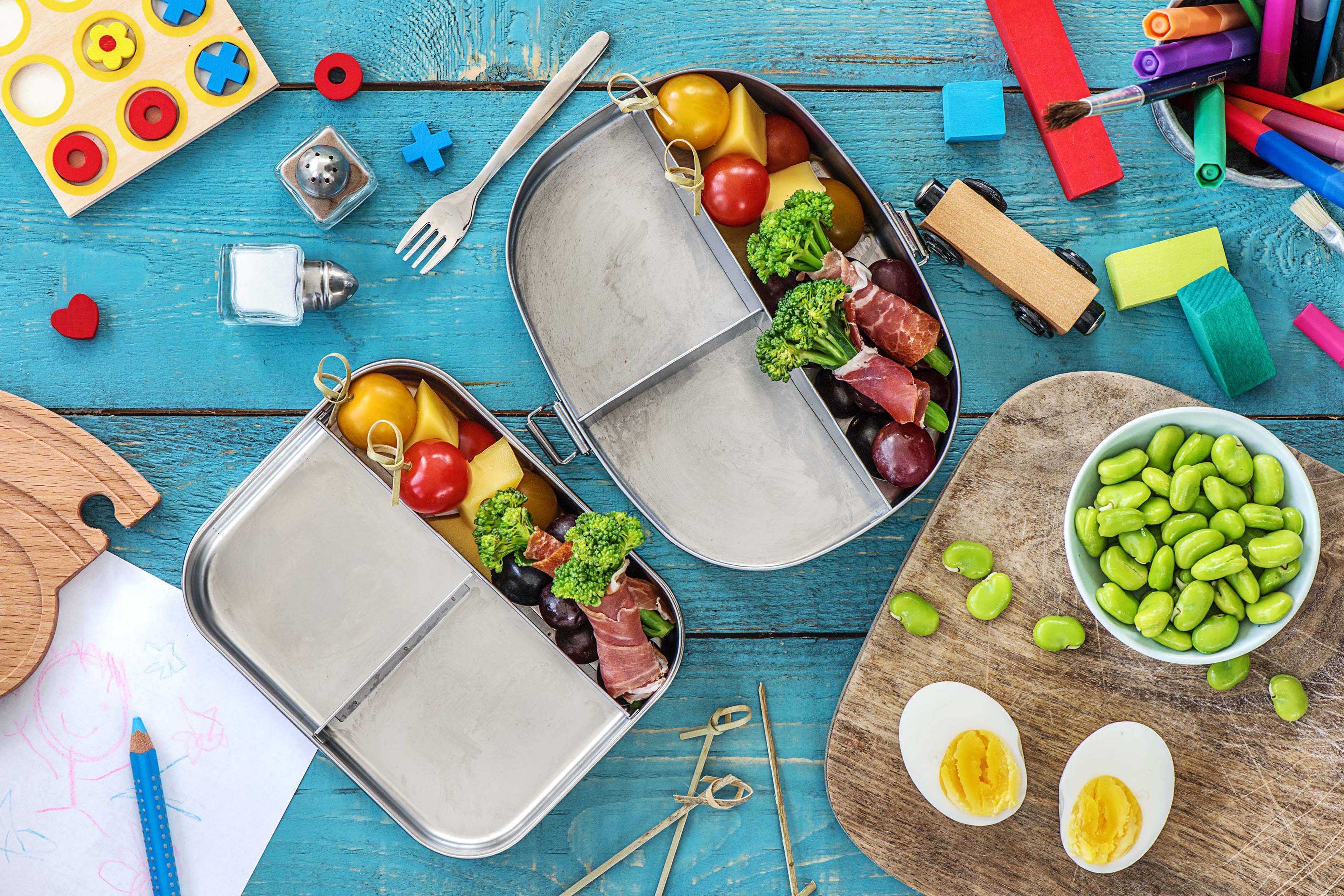
Credit: www.chefsplate.com
Avoiding Cross-contamination
Storing cooked food safely helps stop germs from spreading. Cross-contamination happens when harmful bacteria move from one food to another.
Keeping cooked food clean and separate reduces the risk of getting sick. Follow simple steps to protect your food and health.
Separation Of Foods
Keep cooked foods away from raw foods. Raw meat, fish, and eggs carry germs that can contaminate cooked food.
Use different containers and storage areas for cooked and raw foods. This stops bacteria from spreading between them.
- Store cooked foods on higher shelves in the fridge
- Place raw foods in sealed containers at the bottom
- Use separate utensils for cooked and raw items
- Label containers to avoid confusion
Cleanliness Protocols
Wash hands thoroughly before handling cooked food. Clean all surfaces and tools before use.
Regularly sanitize cutting boards, knives, and storage containers. This stops bacteria from spreading to your food.
- Use hot, soapy water to wash utensils and surfaces
- Sanitize with a mild bleach solution or food-safe cleaner
- Change dishcloths and sponges often
- Keep your fridge clean and at the right temperature
Signs Of Spoilage
Storing cooked food properly keeps it safe to eat. Knowing signs of spoilage helps avoid food poisoning. Spoiled food can look, smell, or taste different.
Check your food before eating. Look for changes that show it may be bad.
Visual And Smell Indicators
Visual changes often show if cooked food is spoiled. Look for mold, color changes, or slimy textures. These signs mean bacteria or fungi grew on the food.
Smell is another good way to check food. Spoiled food often has a sour, rotten, or strange smell. If food smells off, do not eat it.
- Mold spots or fuzzy patches on the surface
- Food color turning dull, brown, or gray
- Sticky or slimy texture on meat or vegetables
- Strong sour or foul smell
- Unusual or bad odor from dairy or sauces
Understanding Expiry Dates
Expiry dates tell how long food stays safe. Cooked food usually has a short shelf life. Check the label or note when you cooked it.
Even if food looks fine, do not eat it after the expiry date. Bacteria can grow and cause sickness. Store food in the fridge or freezer to keep it fresh longer.
- Use cooked food within 3-4 days in the fridge
- Freeze cooked food if you want to keep it longer
- Always label food with the cooking or freezing date
- Throw out food past the expiry date to stay safe
Frequently Asked Questions
How Long Can Cooked Food Be Stored Safely?
Cooked food can be stored safely for 3 to 4 days in the refrigerator. Always keep it in airtight containers to maintain freshness and prevent contamination.
What Is The Best Way To Cool Cooked Food Quickly?
Cool cooked food quickly by dividing it into small portions. Place containers in an ice bath or shallow trays before refrigerating.
Can Cooked Food Be Frozen For Longer Storage?
Yes, cooked food can be frozen for 2 to 6 months. Use freezer-safe containers and label them with dates for easy tracking.
How To Reheat Cooked Food Hygienically?
Reheat cooked food until it reaches 165°F (74°C). Use a microwave, oven, or stovetop and stir occasionally for even heating.
Conclusion
Storing cooked food safely keeps it fresh and tasty longer. Cool food quickly before putting it in the fridge. Use clean, airtight containers to stop germs and odors. Label containers with dates to know when to eat. Keep your fridge at the right temperature, below 40°F (4°C).
Reheat food thoroughly before eating to kill bacteria. Following these simple steps helps protect your health. Enjoy your meals without worry. Safe storage is easy and worth the effort.