
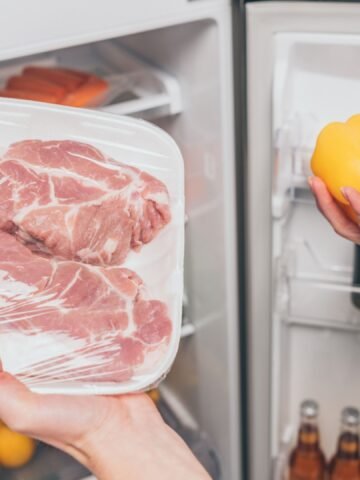
Storing raw meat in your fridge might seem simple, but doing it wrong can lead to spoiled food and even health risks. You want to keep your meat fresh and safe, but do you know the best way to do it?
You’ll discover easy and effective tips that protect your food and your family. By following these simple steps, you’ll save money, reduce waste, and enjoy peace of mind every time you open your fridge. Ready to learn how to store raw meat safely?
Let’s dive in!
Choosing The Right Containers
Storing raw meat safely in the fridge helps keep your food fresh and prevents germs. Picking the right containers is very important for safe storage.
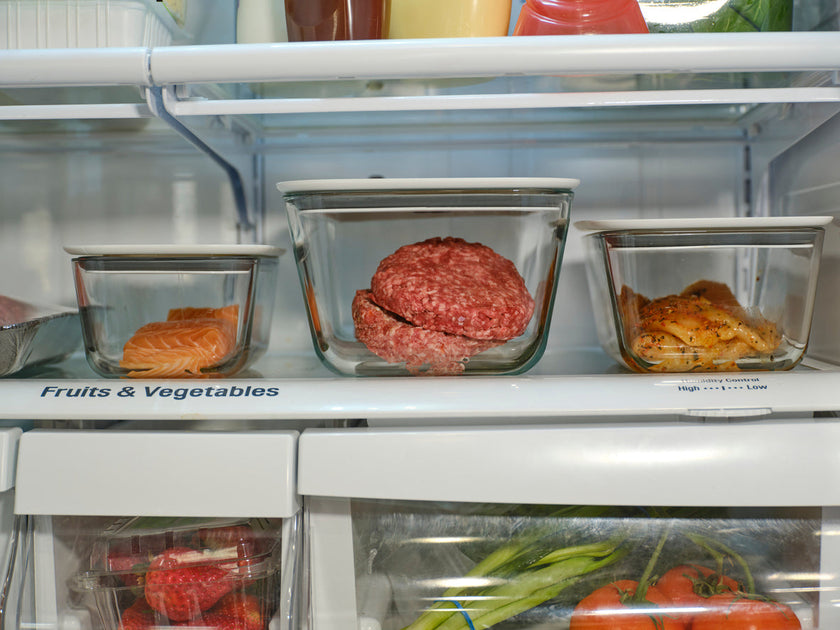
Good containers stop leaks and keep meat away from other foods. They also help keep the fridge clean and organized.
Use Airtight Containers
Airtight containers keep air out and stop bacteria from growing. They also prevent meat juices from leaking onto other foods.
- Choose containers with tight-fitting lids
- Plastic or glass containers both work well
- Make sure the container is food-safe and BPA-free
Pick The Right Size
Containers that fit the meat well keep it fresh longer. Too much empty space lets air dry out the meat.
- Use smaller containers for small meat portions
- Use larger containers for bigger pieces
- Avoid overfilling containers to close them properly
Choose Leak-proof Containers
Leak-proof containers stop raw meat juices from spilling in the fridge. This helps avoid cross-contamination with other foods.
- Look for containers with secure seals
- Check for tight lids that snap or screw on
- Test containers before use to avoid leaks
Use Containers You Can Label
Labeling containers helps you remember when you stored the meat. It also shows what type of meat is inside.
- Use containers with flat surfaces for writing
- Write dates and meat type with waterproof markers
- Replace labels if they get wet or fade

Credit: aaes.uada.edu
Optimal Fridge Temperature
Storing raw meat safely in your fridge helps stop bacteria growth. The right temperature keeps meat fresh and safe to eat.
Setting your fridge to the right temperature is very important. It prevents food poisoning and saves money by reducing waste.
Ideal Temperature Range
The best fridge temperature for raw meat is between 32°F and 40°F (0°C to 4°C). This range slows bacteria growth.
Keeping the fridge too warm causes meat to spoil quickly. Too cold can freeze the meat and affect its texture.
- Set fridge temperature to 37°F (3°C) for best results
- Use a fridge thermometer to check accuracy
- Avoid frequent door opening to keep temperature steady
Using A Fridge Thermometer
A fridge thermometer shows the exact temperature inside. It helps you keep the fridge in the safe zone for raw meat.
Place the thermometer near the meat storage area. Check it daily to make sure the temperature does not rise.
- Choose a reliable digital or dial thermometer
- Place it on a middle shelf for accurate reading
- Adjust fridge settings if temperature goes above 40°F (4°C)
Avoid Temperature Fluctuations
Temperature changes make bacteria grow faster. Keep the fridge door closed as much as possible.
Do not overload the fridge. Cold air needs to move around to keep meat cool.
- Open the fridge door only when needed
- Do not block air vents inside the fridge
- Keep raw meat on lower shelves to avoid drips
Proper Meat Placement
Storing raw meat safely in your fridge helps prevent food poisoning. Correct placement stops juices from contaminating other foods.
Knowing where to put raw meat keeps your kitchen cleaner and your family safer. Proper storage is simple but important.
Bottom Shelf Advantage
Place raw meat on the bottom shelf of the fridge. This stops juices from dripping onto other foods below.
The bottom shelf is usually the coldest spot. This slows bacteria growth and keeps meat fresh longer.
- Use a tray or plate to catch any drips
- Keep meat sealed in a leak-proof container
- Do not stack raw meat above ready-to-eat foods
Avoiding Cross-contamination
Raw meat can carry harmful bacteria that spread to other foods. Always keep it separate from fruits and vegetables.
Use different containers and clean surfaces after handling meat. This stops germs from moving around your fridge.
- Store raw meat in sealed bags or containers
- Keep meat away from ready-to-eat foods
- Clean fridge shelves regularly with soap and water
Credit: grassrootscoop.com
Packaging Techniques
Storing raw meat safely in the fridge depends a lot on how you package it. Good packaging helps stop bacteria from growing.
Using the right packaging keeps the meat fresh longer and prevents smells from spreading. It also protects the meat from freezer burn.
Using Airtight Wraps
Airtight wraps like plastic wrap or aluminum foil keep air away from raw meat. This helps reduce moisture loss and slows bacteria growth.
Make sure to wrap the meat tightly with no air pockets. Wrap it in layers for better protection. Label the package with the date.
- Use cling film or heavy-duty foil
- Wrap the meat tightly to remove air
- Double wrap for extra protection
- Label with packing date
- Store on the bottom shelf to avoid drips
Vacuum Sealing Benefits
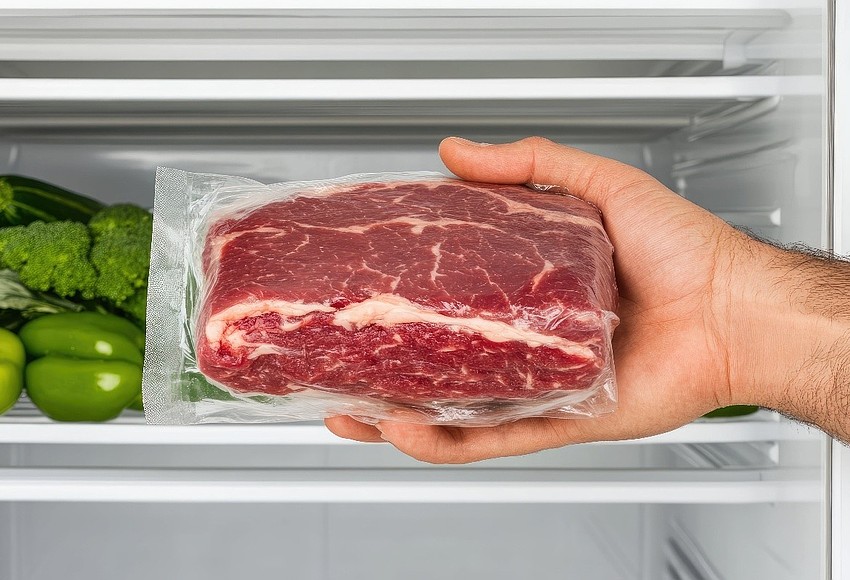
Vacuum sealing removes air completely from the package. This keeps raw meat fresh much longer in the fridge or freezer.
Without air, bacteria grow slower and the meat does not dry out. Vacuum sealing also stops freezer burn better than wraps.
- Extends shelf life by reducing air exposure
- Prevents freezer burn and moisture loss
- Keeps meat color and texture fresh
- Easy to store and stack in the fridge
- Requires a vacuum sealer device
Labeling And Dating
Storing raw meat safely in the fridge needs good labeling and dating. This helps you know how long the meat stays fresh.
Clear labels stop confusion and reduce the risk of eating spoiled meat. Always mark packages before putting them in the fridge.
Use Clear Labels
Write the type of meat on each package. Use a permanent marker on plastic wrap or bags. This way, you can easily identify the meat.
Labels help avoid mixing up meats like chicken, beef, or pork. This keeps your meals safe and prevents cross-contamination.
- Write the meat type (e.g., chicken, beef)
- Use waterproof or grease-proof labels
- Write clearly with big letters
Date The Meat Package
Write the date you put the meat in the fridge. This shows how fresh it is. Throw away meat that is too old to eat.
Use a simple date format like MM/DD/YYYY. This helps you track how long the meat has been stored safely.
- Mark the date of storage on the label
- Check dates before cooking
- Follow recommended fridge times for each meat type
Regular Fridge Cleaning
Cleaning your fridge often helps keep raw meat safe. Dirt and spills can cause bacteria to grow.
A clean fridge stops smells and stops germs from spreading to other foods.
Remove All Items Before Cleaning
Take everything out before you clean the fridge. This helps you clean every corner well.
Put raw meat in a cooler while you clean to keep it cold and safe.
Use Safe Cleaning Solutions
Use mild soap and warm water to clean shelves. Avoid strong chemicals that can harm food.
- Mix a few drops of dish soap in warm water
- Wipe shelves and walls with a clean cloth
- Rinse with water and dry with a towel
Clean Spills Immediately
Wipe up spills from raw meat right away. This stops bacteria from spreading in your fridge.
Use paper towels or a cloth to clean spills. Throw away used paper towels after cleaning.
Check And Clean Fridge Seals
Fridge door seals can trap dirt and germs. Wipe them down regularly with warm soapy water.
Keeping seals clean keeps the fridge cold and stops germs from entering.
Set A Cleaning Schedule
Clean your fridge at least once a month. Regular cleaning keeps it safe for storing raw meat.
- Mark cleaning days on your calendar
- Check for old or spoiled food each time
- Clean spills as soon as they happen
Monitoring Shelf Life
Storing raw meat safely in the fridge requires careful attention to its shelf life. Knowing how long meat stays fresh helps prevent food poisoning.
Check the meat often and keep track of how long it has been stored. This helps you decide when to cook or throw it out.
Signs Of Spoilage
Raw meat shows clear signs when it goes bad. Look for changes in color, smell, and texture to avoid eating spoiled meat.
Fresh meat usually looks bright red or pink. Spoiled meat turns gray, green, or brown. A bad smell is sour or rotten. Slimy or sticky texture is also a sign of spoilage.
- Color changes to gray, green, or brown
- Unpleasant sour or rotten smell
- Slimy, sticky, or tacky surface
- Excessive liquid or mucus
Safe Consumption Timeframes
Each type of raw meat has a safe time to stay in the fridge. Using meat within this time reduces health risks.
Store meat at or below 40°F (4°C) and cook or freeze it before the time ends. Labeling meat with the storage date helps keep track.
| Type of Meat | Fridge Storage Time |
|---|---|
| Beef (steaks, roasts) | 3 to 5 days |
| Ground beef | 1 to 2 days |
| Pork (chops, roasts) | 3 to 5 days |
| Ground pork | 1 to 2 days |
| Chicken and turkey (whole or pieces) | 1 to 2 days |
| Fish and shellfish | 1 to 2 days |
Credit: northpennnow.com
Defrosting Safely
Defrosting raw meat safely is important to stop germs from growing. Thaw meat the right way to keep it fresh and safe.
Using safe thawing methods helps keep your food healthy and tasty. Avoid unsafe practices that can cause illness.
Fridge Thawing Method
Thaw meat in the fridge to keep it at a safe temperature. This method stops bacteria from growing on your meat.
Place raw meat in a container or on a plate to catch drips. Keep it on the bottom shelf to avoid contaminating other foods.
- Keep fridge temperature at or below 40°F (4°C)
- Allow enough time; large cuts may take 24 hours or more
- Do not refreeze meat that was thawed in the fridge without cooking it first
Avoiding Room Temperature Thawing
Do not thaw meat on the counter or at room temperature. This lets harmful bacteria grow quickly on the surface.
Room temperature thawing can cause food poisoning. Always use safer methods like fridge thawing or cold water thawing.
Organizing Your Fridge
Keeping raw meat safe in the fridge starts with good organization. Proper storage helps prevent cross-contamination. It also keeps your fridge clean and smells fresh.
Organizing your fridge lets you find meat easily. It also helps keep the right temperature around the meat. This protects the meat from spoiling too fast.
Designated Meat Area
Set a specific spot in your fridge for raw meat. Use the bottom shelf for this area. This prevents meat juices from dripping on other foods.
Keep raw meat in sealed containers or on plates. This stops leaks and keeps the fridge clean. Label the containers with the date to track freshness.
- Use the bottom shelf to catch drips
- Keep meat in sealed containers or wrapped tightly
- Label packages with the date
- Separate different types of meat to avoid mixing
Maintaining Order
Organize your fridge to keep raw meat fresh and safe. Place older packages in front. Use them first to avoid waste.
Clean the meat area regularly. Remove spills and check for expired meat. This helps stop bacteria growth and keeps your fridge safe.
- Put older meat in front for easy use
- Check meat packages for expiration dates
- Clean spills right away
- Wipe the meat area weekly
Frequently Asked Questions
How Long Can Raw Meat Stay In The Fridge?
Raw meat can stay fresh in the fridge for 1-2 days. Store it at or below 40°F (4°C). Use airtight containers or sealed plastic bags to maintain freshness and avoid contamination.
Where Should Raw Meat Be Placed In The Fridge?
Place raw meat on the lowest shelf of the fridge. This prevents juices from dripping onto other foods. Use a tray or plate to catch any leaks and maintain hygiene.
Should Raw Meat Be Wrapped Before Refrigerating?
Yes, always wrap raw meat tightly before refrigerating. Use plastic wrap, foil, or airtight containers. Proper wrapping prevents exposure to air and bacteria, keeping meat fresh longer.
Can Raw Meat Be Stored With Cooked Food?
No, raw meat should never be stored with cooked food. Keep them separate to avoid cross-contamination. Use different containers and shelves for raw and cooked items.
Conclusion
Storing raw meat safely in your fridge keeps food fresh and healthy. Always use sealed containers or wrapped packages to avoid leaks. Place meat on the lowest shelf to stop drips from contaminating other foods. Check the fridge temperature regularly to keep it below 40°F (4°C).
Clean spills immediately to prevent bacteria growth. These simple steps protect your family from foodborne illnesses. Safe storage helps you enjoy meals without worry. Small habits make a big difference in kitchen safety. Keep these tips in mind every time you store raw meat.