
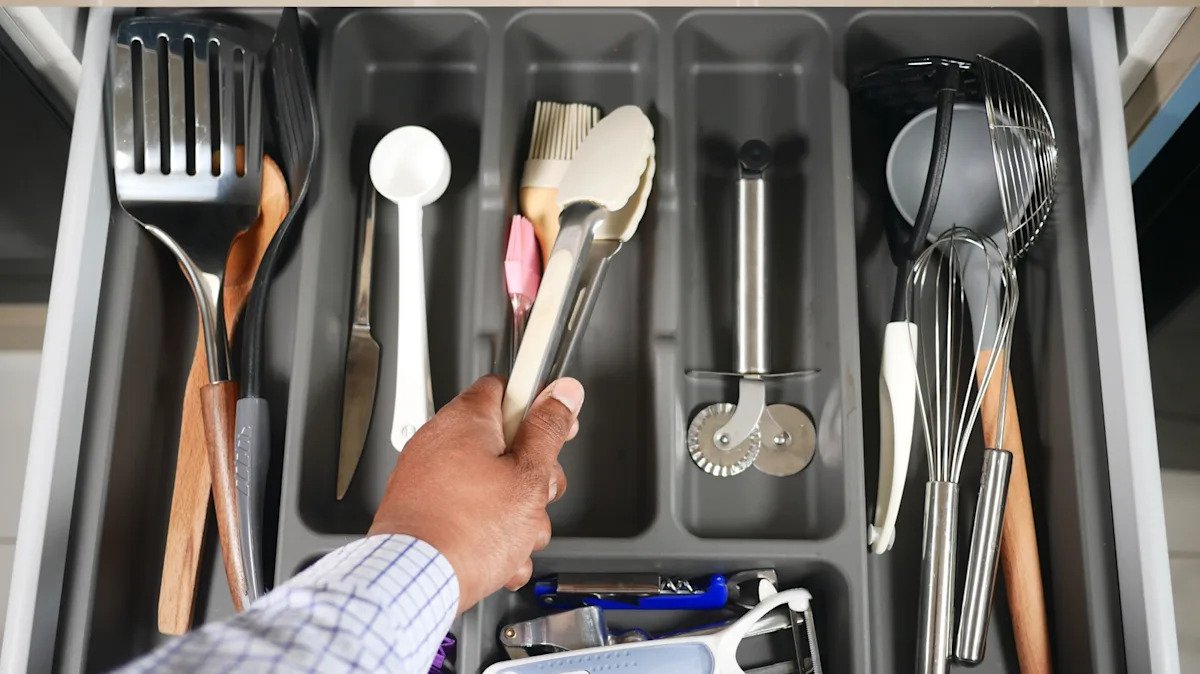
Your kitchen utensils come into contact with food every day, making them a hotspot for germs and bacteria. If you’re not disinfecting them properly, you could be putting your health at risk without even realizing it.
But don’t worry—disinfecting your kitchen tools doesn’t have to be complicated or time-consuming. You’ll discover simple, effective ways to keep your utensils clean and safe. By the end, you’ll feel confident that your kitchen is a healthier place for you and your family.
Ready to learn how? Let’s dive in.
Importance Of Disinfecting Utensils
Disinfecting kitchen utensils is key to keeping your kitchen safe. It helps stop germs from spreading.
Clean utensils can prevent food poisoning and keep your family healthy. It is a simple but important habit.
Prevents Foodborne Illnesses
Utensils can carry harmful bacteria like Salmonella and E. coli. These cause stomach problems and sickness.
Disinfecting kills these germs and stops them from getting into your food. It lowers the risk of illness.
Maintains Kitchen Hygiene
Disinfecting keeps your kitchen clean and fresh. It removes leftover food and germs from utensils.
Good hygiene protects your family and makes cooking safer. Clean tools help prevent cross-contamination.
Extends Utensil Life
Regular disinfecting stops rust and damage on metal utensils. It also keeps wooden tools from rotting.
Proper care helps your utensils last longer. This saves money and reduces waste.
Supports Safe Food Preparation
Disinfected utensils prevent germs from mixing in food. This is important for raw and cooked foods.
Using clean tools makes cooking safer and more hygienic. It protects everyone eating the food.
Common Germs In The Kitchen
The kitchen is a place where food is prepared and eaten. Many germs can live on utensils and surfaces. These germs can cause sickness if not cleaned properly.
Knowing which germs are common helps you clean better. This keeps you and your family safe from infections.
Salmonella
Salmonella bacteria often come from raw meat, eggs, and poultry. They can cause stomach pain, fever, and diarrhea.
These germs spread easily if utensils are not washed well after contact with raw food.
E. Coli
Escherichia coli, or E. coli, lives in raw or undercooked meat and contaminated vegetables. It can cause severe stomach cramps and diarrhea.
Using separate cutting boards for meat and vegetables helps stop E. coli spread.
Listeria
Listeria can be found in unpasteurized dairy and ready-to-eat foods. It causes fever and muscle aches, especially in pregnant women.
This germ can grow even in cold temperatures like refrigerators.
Norovirus
Norovirus spreads through contaminated food and surfaces. It causes vomiting and diarrhea.
Cleaning utensils and washing hands often helps stop norovirus from spreading.
Staphylococcus Aureus
Staphylococcus aureus grows on cooked food left out too long. It produces toxins that cause food poisoning.
Keeping food hot or cold and cleaning utensils prevents this germ.
Selecting The Right Cleaning Products
Cleaning kitchen utensils well keeps your family safe from germs. Choosing the right products helps remove dirt and kill bacteria.
Not all cleaners work the same on different materials. Use products that fit your utensils and clean deeply.
Use Food-safe Sanitizers
Food-safe sanitizers kill germs without harming your health. They are safe to use on utensils that touch food.
Look for sanitizers approved for kitchen use. They often come in spray or liquid form.
- Chlorine-based sanitizers
- Quaternary ammonium compounds
- Alcohol-based sanitizers (at least 70% alcohol)
Choose Detergents For Grease Removal
Grease and food residue need strong detergents. They break down oils and help water wash away dirt.
Use dish soaps made for kitchen use. Avoid harsh chemicals that can damage utensils.
- Liquid dish soaps with grease-cutting agents
- Mild, fragrance-free detergents for sensitive skin
- Powder detergents for tough cleaning jobs
Avoid Abrasive Cleaners On Delicate Utensils
Some utensils have coatings or soft materials. Abrasive cleaners can scratch or wear them out.
Choose gentle cleaners for these utensils to keep them safe and last longer.
- Non-abrasive dish soaps
- Soft sponge or cloth with mild detergent
- Avoid bleach or strong acids
Check For Eco-friendly Options
Eco-friendly cleaners reduce harm to the environment. They also keep your kitchen safer from harsh chemicals.
Many natural products clean well without toxic ingredients.
- Plant-based detergents
- Biodegradable sanitizers
- Fragrance-free and dye-free options
Read Labels For Safety Instructions
Cleaning products have instructions for safe use. Follow them to avoid damage and health risks.
Check if the product is safe for food contact surfaces before use.
- Look for “food-contact safe” on the label
- Follow recommended dilution and contact time
- Store products away from children and food
Preparing Utensils For Disinfection
Cleaning kitchen utensils before disinfecting is very important. Dirt and food scraps can stop disinfectants from working well.
Follow simple steps to prepare your utensils so they are safe and clean.
Remove Food Residue
Start by scraping off leftover food from utensils. Use a brush or sponge to clear stuck bits.
Cleaning off residue helps disinfectants reach all surfaces for better cleaning.
Wash Utensils Thoroughly
Wash utensils with warm water and dish soap. This removes grease and grime.
Use a scrubber for tight spots. Rinse well to remove soap before disinfecting.
Dry Utensils Properly
Dry utensils with a clean towel or air dry them. Wet surfaces reduce disinfectant effectiveness.
Make sure utensils are completely dry before starting disinfection steps.
Sort Utensils By Material
Group utensils by their material like wood, plastic, or metal. Different materials need different care.
Sorting helps you choose the right disinfectant and avoid damage to utensils.
Step-by-step Disinfection Process
Keeping kitchen utensils clean is important to stop germs. Disinfecting them helps protect your health.
This guide shows easy steps to disinfect your kitchen tools safely and well.
Pre-rinsing Techniques
Start by rinsing utensils with warm water. This removes food bits and dirt.
Use running water to wash away loose particles before soaking or scrubbing.
Effective Soaking Methods
Soak utensils in a disinfectant solution to kill germs. Use warm water for better results.
Keep utensils in the solution for at least 5 to 10 minutes to disinfect well.
- Mix 1 tablespoon of bleach with 1 gallon of water
- Use vinegar or hydrogen peroxide as natural alternatives
- Do not soak utensils with wooden handles for too long
Proper Scrubbing Techniques
Scrub utensils with a brush or sponge to remove stuck food and germs.
Focus on corners and crevices where dirt hides. Use dish soap for better cleaning.
- Use a stiff brush for pots and pans
- Use a soft sponge for delicate utensils
- Scrub both sides thoroughly
Rinsing And Drying Tips
Rinse utensils with clean water to remove soap and disinfectant residues.
Dry utensils completely with a clean towel or let air dry to stop bacteria growth.
- Use a clean, dry cloth or paper towel
- Place utensils on a drying rack for air drying
- Store dry utensils in a clean area

Credit: www.goodhousekeeping.com
Natural Alternatives For Disinfection
Cleaning kitchen utensils is important to keep them safe and healthy. Using natural alternatives helps avoid harsh chemicals.
These natural options kill germs and keep your utensils fresh without harming the environment.
White Vinegar
White vinegar is a natural disinfectant that kills many bacteria and viruses. It is safe to use on most kitchen utensils.
Mix equal parts of white vinegar and water in a spray bottle. Spray on utensils and let sit for 10 minutes. Rinse well with water.
Lemon Juice
Lemon juice has natural acids that kill germs and remove stains. It also leaves a fresh scent on your utensils.
Rub lemon juice directly on utensils or soak them in lemon water for 5 to 10 minutes. Rinse with clean water afterward.
Baking Soda
Baking soda is a gentle scrub that helps remove dirt and bacteria. It also neutralizes odors on kitchen tools.
Make a paste of baking soda and water. Apply it to utensils and scrub gently. Rinse with water to clean.
Hydrogen Peroxide
Hydrogen peroxide is a natural disinfectant that kills many germs. Use it in a 3% solution for safety.
Spray or soak utensils in hydrogen peroxide for a few minutes. Rinse thoroughly before use to remove any residue.
Essential Oils
Essential oils like tea tree or eucalyptus have natural antibacterial properties. They add a pleasant smell too.
Add a few drops of essential oil to water and soak utensils for 10 minutes. Rinse well to avoid strong scents.
Avoiding Cross-contamination
Cross-contamination happens when germs spread from one surface to another. It can make food unsafe to eat.
Cleaning and disinfecting kitchen utensils helps stop germs and keeps food safe for your family.
Separate Utensils For Raw And Cooked Foods
Use different utensils for raw meat and cooked food. This stops harmful bacteria from spreading.
Label or color-code your utensils to keep them separate during meal prep.
- Use one set for raw meat, poultry, and seafood
- Use another set for cooked foods and ready-to-eat items
- Keep cutting boards separate too
Wash Utensils Thoroughly After Use
Wash all utensils with hot, soapy water after each use. This removes food particles and germs.
Rinse well to get rid of soap and dry with a clean towel or air dry.
Disinfect Utensils Properly
Disinfect utensils after washing to kill bacteria. Use a safe kitchen disinfectant or diluted bleach.
Follow the instructions on the disinfectant for the right amount and contact time.
- Use 1 tablespoon of bleach per gallon of water
- Soak utensils for at least one minute
- Rinse with clean water after disinfecting
Use Clean Towels And Storage
Dry utensils with clean towels to avoid adding germs back. Change towels often.
Store utensils in a dry, clean place. Avoid damp or dirty drawers and containers.
Handle Utensils With Clean Hands
Wash your hands before touching clean utensils. Dirty hands can spread germs quickly.
Use gloves if possible, and change them when switching between tasks.
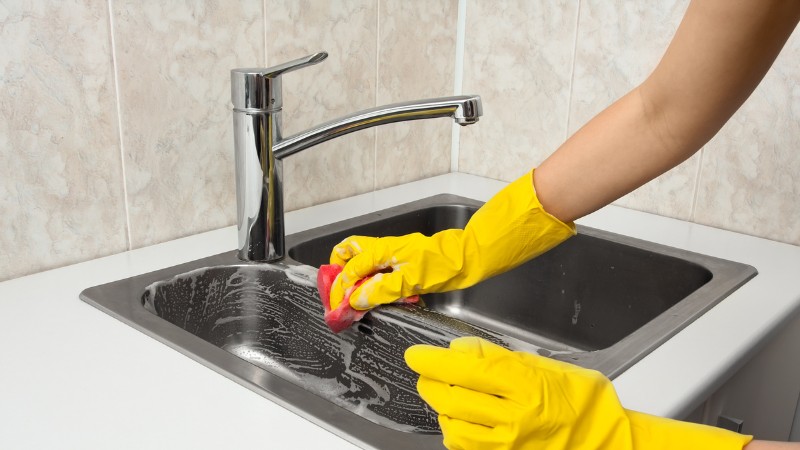
Credit: modern-maids.com
Storing Disinfected Utensils
Keeping kitchen utensils clean is important for food safety. After disinfecting, you must store them properly.
Proper storage prevents germs from returning and keeps utensils ready to use.
Use Clean, Dry Storage Areas
Always store disinfected utensils in a clean and dry place. Moisture can cause bacteria to grow again.
Make sure shelves or drawers are wiped down and free of dust or food particles.
Separate Utensils By Type
Keep different types of utensils apart to avoid cross-contamination. For example, knives should be separate from spoons.
Use compartments, racks, or containers to keep items organized and separated.
- Knives in a knife block or magnetic strip
- Spoons and forks in divided trays
- Cooking tools in jars or holders
Cover Utensils When Possible
Covering utensils helps keep dust and germs away. Use lids, cloth covers, or store utensils inside closed drawers.
Covered storage also stops insects and other pests from touching your clean tools.
Store Utensils Upright
Place utensils upright in holders or containers. This lets air circulate and helps them dry completely.
Storing utensils flat can trap moisture and cause bacteria growth.
Check Storage Areas Regularly
Inspect your utensil storage often. Clean shelves and holders to keep them free of dirt and germs.
If you see any moisture or dirt, clean it right away to keep utensils safe.
Maintaining A Germ-free Kitchen
Keeping kitchen utensils clean helps stop germs from spreading. This keeps your food safe and your family healthy.
Disinfecting your kitchen tools is an important step after washing. It kills bacteria that regular soap might miss.
Use Hot Water And Soap
Wash utensils with hot water and soap first. This removes food and grease from the surface.
Scrub all sides well, especially handles and edges. Rinse with clean water before disinfecting.
Disinfect With Bleach Solution
Make a bleach solution by mixing one tablespoon of bleach in one gallon of water. Soak utensils for at least one minute.
After soaking, rinse utensils with clean water. Let them air dry to avoid new germs.
- Wear gloves to protect your skin
- Use fresh bleach solution each time
- Do not mix bleach with other cleaners
Use A Dishwasher For High Heat
Dishwashers use very hot water that kills most germs. Place utensils in the dishwasher for a full cycle.
Make sure your dishwasher reaches at least 140°F (60°C). This heat helps disinfect items effectively.
Use Vinegar As A Natural Disinfectant
White vinegar kills many types of bacteria. Spray or soak utensils in vinegar for 10 minutes.
Rinse well with water afterward. Vinegar is safe and gentle on most kitchen tools.
Dry Utensils Properly
Dry utensils with a clean towel or let them air dry. Wet tools can grow bacteria quickly.
Store utensils in a dry, clean place to keep them safe from germs.

Credit: www.delish.com
Frequently Asked Questions
How Often Should Kitchen Utensils Be Disinfected?
Kitchen utensils should be disinfected daily, especially after handling raw meat. Regular cleaning prevents bacteria buildup and cross-contamination. For heavy use, disinfecting after each use is ideal to maintain kitchen hygiene and food safety.
What Is The Best Method To Disinfect Kitchen Utensils?
Boiling utensils in water for 10 minutes effectively kills most bacteria. Alternatively, using a bleach solution or dishwasher with a sanitizing cycle ensures thorough disinfection. Choose a method based on utensil material and safety guidelines.
Can Vinegar Disinfect Kitchen Utensils Effectively?
Vinegar has mild antibacterial properties but is not a strong disinfectant. It can clean utensils but may not eliminate all harmful bacteria. For better results, combine vinegar with hot water or use stronger disinfectants approved for kitchen use.
Are Dishwasher Cycles Enough To Disinfect Utensils?
High-temperature dishwasher cycles with a sanitizing option can disinfect utensils effectively. Ensure utensils are dishwasher-safe and placed properly for full exposure. Regular dishwasher use reduces bacteria and maintains hygiene without extra effort.
Conclusion
Keeping kitchen utensils clean protects your health every day. Use hot water and soap first to remove dirt. Then apply disinfectant or boiling water to kill germs. Dry utensils completely before storing to stop bacteria growth. Regular cleaning stops illness and keeps food safe.
Small steps make a big difference in your kitchen. Stay safe by cleaning well and often. Your family will thank you for it.