
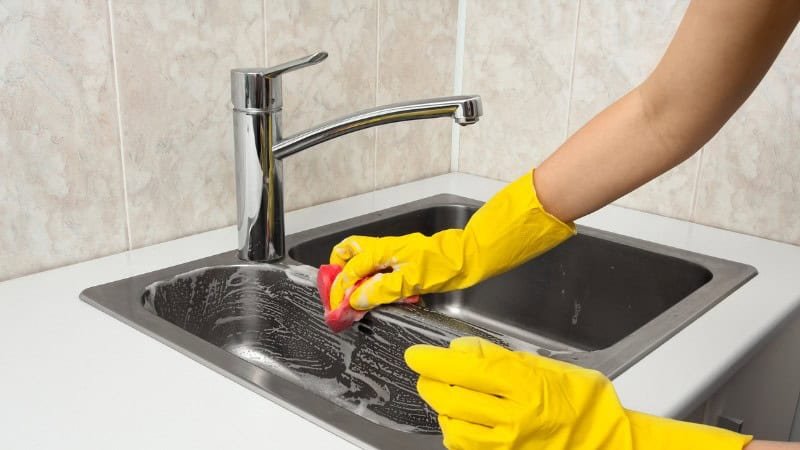
Your kitchen sink is one of the busiest spots in your home. It handles everything from washing dishes to prepping meals, which means it can get dirty fast.
But cleaning it doesn’t have to be a chore that drains your time and energy. What if you could make your sink sparkle quickly and easily, using simple tips that really work? Keep reading, and you’ll discover practical ways to clean your kitchen sink efficiently, saving you effort while keeping your space fresh and hygienic.
Your kitchen deserves it—and so do you.
Credit: www.coles.com.au
Materials Needed For Sink Cleaning
Cleaning your kitchen sink is simple when you have the right materials. These tools help remove dirt and keep your sink shiny.
Using the correct items makes the job quick and effective. Let’s look at what you need for efficient sink cleaning.
Mild Dish Soap
Mild dish soap helps cut through grease and food residue. It cleans without damaging your sink’s surface.
Use it with warm water and a soft sponge for best results.
Soft Sponge Or Cloth
A soft sponge or cloth cleans gently without scratching. Avoid rough scrubbers that can harm your sink.
- Use a non-abrasive sponge for daily cleaning
- Microfiber cloths work well for polishing
- Replace sponges regularly to avoid bacteria
Baking Soda
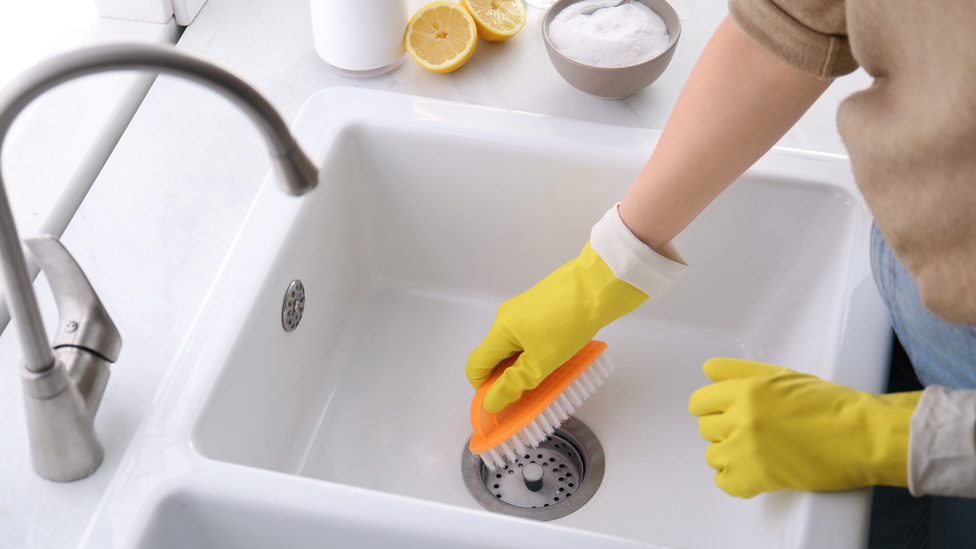
Baking soda is a natural cleaner and deodorizer. It helps remove stains and neutralizes odors in your sink.
Sprinkle it on the sink, scrub gently, and rinse well with water.
White Vinegar
White vinegar breaks down mineral deposits and soap scum. It also disinfects the sink surface.
Use it diluted with water or in combination with baking soda for tough stains.
Old Toothbrush
An old toothbrush helps clean small corners and around faucets. It reaches places a sponge cannot.
Use it with soap or baking soda for detailed scrubbing.
Rubber Gloves
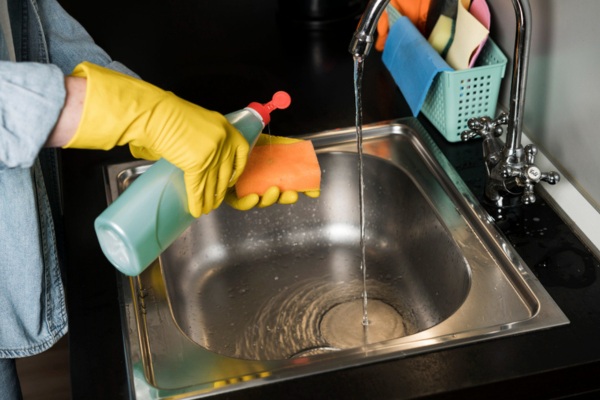
Rubber gloves protect your hands from cleaning agents and hot water. They keep your skin safe and dry.
Wear gloves especially when using vinegar or scrubbing hard.
Credit: modern-maids.com
Daily Maintenance Tips
Keeping your kitchen sink clean every day helps stop stains and bad smells. Small daily habits make cleaning easier.
Try simple steps to keep your sink fresh and shiny. These tips save time and keep your kitchen healthy.
Rinse The Sink After Each Use
Always rinse your sink with warm water after washing dishes. This removes leftover food and soap.
Rinsing stops grime from building up and keeps the surface clean for the next use.
Wipe The Sink Dry Daily
Use a soft cloth to dry the sink after rinsing. Water spots and mineral deposits can form if left wet.
Drying also helps prevent rust and keeps your sink looking new.
Clean The Drain Area Regularly
Wipe around the drain to remove food scraps and buildup. This stops clogs and bad odors.
- Use a small brush or sponge
- Clean under the drain cover
- Rinse with warm water
Use Mild Soap For Daily Cleaning
Use gentle dish soap and a soft sponge to clean your sink every day. Avoid harsh chemicals that can damage the surface.
Regular mild cleaning keeps your sink bright and safe for food preparation.
Remove Food Waste Promptly
Clear food scraps from the sink and drain after each meal. This prevents bacteria and smells from building up.
- Use a sink strainer to catch debris
- Empty the strainer into the trash
- Wipe the sink surface clean
Deep Cleaning Techniques
Cleaning your kitchen sink deeply helps keep it fresh and germ-free. Regular cleaning stops dirt and grime from building up.
Using the right cleaning methods makes the job easier. You can clean with natural or chemical solutions depending on your needs.
Using Natural Cleaners
Natural cleaners are safe and easy to find. Ingredients like baking soda and vinegar remove dirt without harsh chemicals.
Mix baking soda with water to make a paste. Scrub your sink gently to remove stains and odors.
- Sprinkle baking soda over the sink surface
- Use a soft sponge to scrub the paste in circles
- Rinse well with warm water
- Pour vinegar down the drain to clear odors
Effective Chemical Solutions
Chemical cleaners work fast on tough dirt and grease. Use them carefully and follow the label instructions.
Choose a cleaner made for kitchen sinks to avoid damage. Wear gloves to protect your skin during cleaning.
- Apply the cleaner to the sink surface
- Let it sit for a few minutes
- Scrub with a sponge or brush
- Rinse thoroughly with water
Removing Tough Stains
Tough stains need special care. Use a mix of baking soda and lemon juice for brightening and stain removal.
For metal sinks, a gentle scrub with a soft cloth prevents scratches. Avoid steel wool or harsh brushes.
- Make a thick paste with baking soda and lemon juice
- Apply the paste on stained areas
- Let it sit for 10-15 minutes
- Rub gently with a soft cloth
- Rinse with warm water and dry
Credit: www.heatandplumb.com
Tackling Clogged Drains
Clogged kitchen sinks cause water to drain slowly or stop. Cleaning your drain helps keep your kitchen working well.
There are easy ways to clear clogs without calling a plumber. Try natural cleaning, plungers, or chemical cleaners safely.
Natural Drain Cleaning Methods
Natural cleaners use simple ingredients to clear drains. They are safe for pipes and the environment.
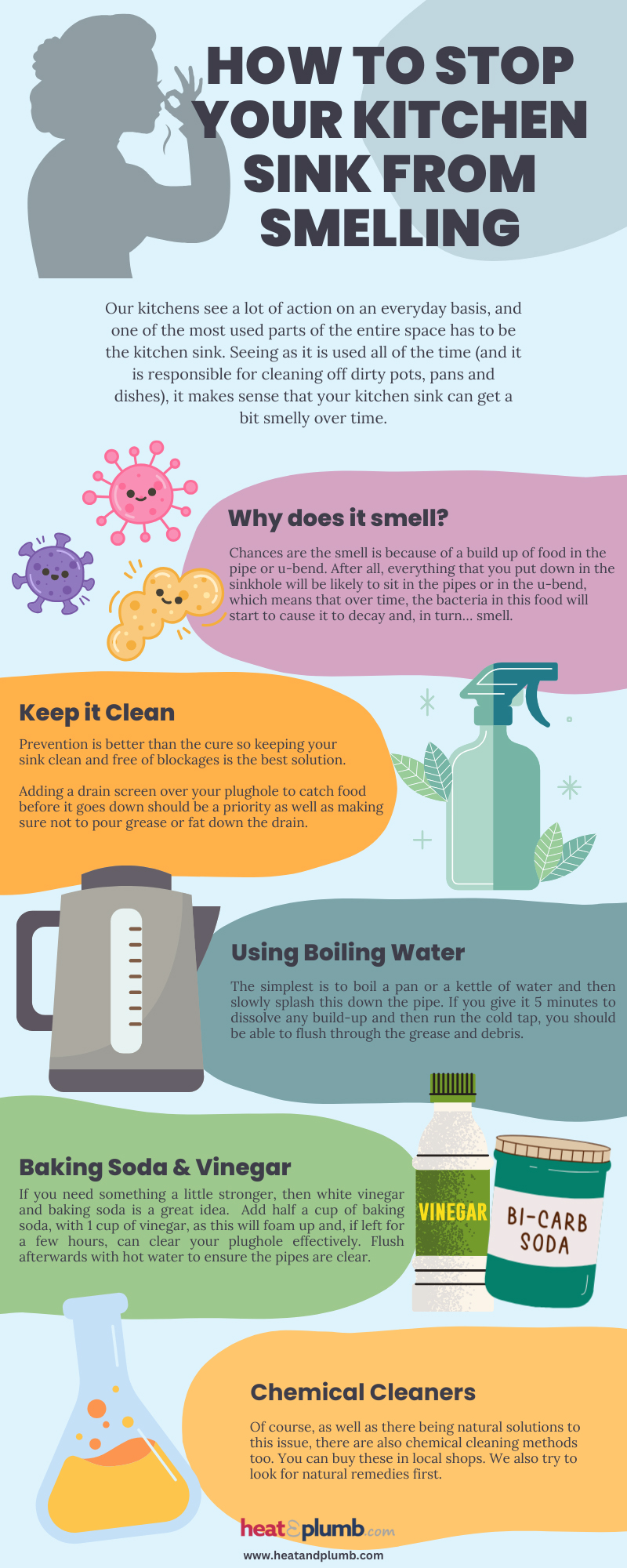
Common natural cleaners include baking soda and vinegar. They break down grease and small clogs.
- Pour half a cup of baking soda into the drain.
- Add half a cup of white vinegar slowly.
- Wait 15-30 minutes for the reaction.
- Flush the drain with hot water.
Using Plungers Effectively
A plunger can push clogs out of the drain fast. Use the right plunger for kitchen sinks, usually a cup plunger.
Make sure there is enough water in the sink. Water helps create pressure to move the clog.
- Place the plunger over the drain opening.
- Push down firmly and pull up quickly.
- Repeat 10-15 times without breaking the seal.
- Test the drain to see if water flows freely.
Chemical Drain Cleaners
Chemical cleaners dissolve tough clogs fast. Use them only if natural methods and plungers fail.
Follow the instructions on the product carefully. Wear gloves and keep the area ventilated for safety.
- Pour the recommended amount into the drain.
- Wait the time suggested on the label.
- Flush the drain with plenty of water.
- Do not mix different chemical cleaners.
Dealing With Odors
Kitchen sinks can start to smell bad if not cleaned often. Odors come from leftover food and bacteria. Removing these smells makes your kitchen more pleasant.
Cleaning your sink well helps keep it fresh. Use simple tips to fight odors fast and stop them from coming back.
Odor Neutralizing Solutions
Baking soda is great for removing bad smells. Sprinkle it in the sink, then add some vinegar. Let it fizz for a few minutes, then rinse with hot water.
Lemon juice also works well. Rub a lemon slice on the sink surface or pour lemon juice down the drain. This kills bacteria and leaves a fresh scent.
- Use baking soda and vinegar for deep cleaning.
- Rub lemon juice to freshen the sink surface.
- Try diluted bleach for strong odors, but use carefully.
Preventing Future Odors
Clean your sink daily to stop odors from building up. Remove food scraps and rinse well after washing dishes.
Use a drain strainer to catch food bits. Empty it often. Avoid pouring grease or coffee grounds down the drain.
- Rinse sink with hot water every day.
- Use a drain strainer to trap debris.
- Do not pour grease or coffee grounds down the drain.
- Clean with baking soda weekly to keep freshness.
Maintaining Sink Accessories
Keeping your kitchen sink accessories clean helps prevent clogs and bad smells. Regular care makes your sink last longer.
Simple cleaning steps keep strainers and faucets working well. This also keeps your kitchen looking neat.
Cleaning Sink Strainers
Sink strainers catch food and debris to stop drain clogs. Clean them often to avoid buildup and odors.
Remove the strainer and rinse it under warm water. Use a small brush to scrub away stuck particles.
- Soak strainers in vinegar for 10 minutes to remove hard water stains
- Use baking soda for gentle scrubbing without scratches
- Dry thoroughly before placing back to prevent rust
Keeping Faucets Sparkling
Faucets get water spots and grime quickly. Wipe them daily with a soft cloth to keep them shiny.
For deeper cleaning, use a mild soap and warm water. Avoid harsh chemicals that may damage the finish.
- Use a toothbrush to clean around faucet edges and handles
- Dry faucets after cleaning to prevent water marks
- Polish with a cloth to restore shine
Preventive Measures For Clean Sinks
Keeping your kitchen sink clean saves you time and effort. Small habits can stop dirt and grime from building up.
Preventive care helps your sink stay fresh and hygienic longer. It also stops bad smells and stains.
Routine Cleaning Habits
Clean your sink daily to keep it free from food scraps and bacteria. Use mild soap and warm water for best results.
Wipe the sink dry after each use. This stops water spots and mineral deposits from forming.
- Rinse sink after washing dishes
- Use a soft sponge or cloth
- Clean faucet handles regularly
- Dry sink with a clean towel
Avoiding Common Mistakes
Avoid using harsh chemicals that can damage your sink’s surface. Stick to gentle cleaners made for kitchens.
Do not leave dirty dishes or food scraps in the sink for long. They cause stains and bad smells.
- Never use steel wool or abrasive pads
- Don’t pour grease or oil down the drain
- Avoid bleach on stainless steel sinks
- Clean drain regularly to prevent clogs
Frequently Asked Questions
How Often Should I Clean My Kitchen Sink?
You should clean your kitchen sink daily to prevent bacteria buildup. A quick wipe and rinse remove food residues and stains. Deep clean weekly using mild detergent or baking soda for a fresh, germ-free sink.
What Is The Best Cleaner For Kitchen Sinks?
Mild dish soap, baking soda, or vinegar are effective and safe cleaners. Avoid harsh chemicals that damage the sink surface. These natural cleaners remove grime, stains, and odors efficiently without harming your sink.
How Do I Remove Tough Stains From Kitchen Sinks?
Use a paste of baking soda and water to scrub stains gently. Let it sit for 10 minutes before rinsing. For stubborn stains, apply white vinegar, then scrub with a soft brush for best results.
Can I Use Bleach To Clean My Kitchen Sink?
Bleach can disinfect but may damage some sink materials. Use it sparingly and always dilute properly. Avoid using bleach on stainless steel to prevent corrosion and discoloration.
Conclusion
Keeping your kitchen sink clean is easier than you think. Regular scrubbing stops dirt and grime build-up. Use simple tools and natural cleaners for best results. Clean sinks look fresh and help keep germs away. Small daily habits save time and effort later.
A clean sink makes cooking and washing more pleasant. Try these tips today and enjoy a sparkling sink every day.