
Have you ever struggled to get the perfect glaze on your pastries or found that your dough ends up soggy instead of crisp? Using a pastry brush correctly can make all the difference in your baking results.
But are you really making the most of this simple tool? You’ll discover easy tips and tricks to use your pastry brush efficiently, helping you create beautiful, delicious baked goods every time. Keep reading, and you’ll soon master a skill that can take your baking from good to irresistible.
Credit: zyliss.co.uk
Choosing The Right Pastry Brush
A pastry brush helps spread butter, egg wash, or glaze on baked goods. Picking the right brush makes your work easier and neater.
There are many types of pastry brushes. You should know which one fits your cooking needs the best.
Types Of Pastry Brushes
Pastry brushes come in different styles. Some are made with natural bristles, others with silicone or nylon. Each type has its uses in the kitchen.
- Natural bristle brushes:Soft and absorbent, good for delicate tasks.
- Silicone brushes:Heat-resistant and easy to clean, ideal for sticky or hot ingredients.
- Nylon brushes:Durable and good for general use, but may melt near high heat.
Bristle Materials And Their Uses
Bristle material affects how well the brush holds and spreads liquids. Choose based on what you usually cook or bake.
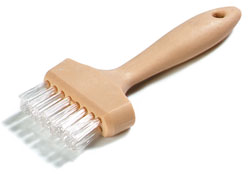
- Natural bristles:Made from animal hair. Great for gentle spreading but harder to clean.
- Silicone bristles:Flexible and non-porous. They do not absorb flavors or colors.
- Nylon bristles:Synthetic and sturdy. They work well with thicker sauces and glazes.
Size And Shape Considerations
Brush size and shape affect control and coverage. Use a small brush for detail work and a larger one for big surfaces.
- Small brushes:Perfect for edges and small pastries.
- Medium brushes:Good for most everyday baking tasks.
- Large brushes:Best for covering big areas quickly.
- Flat brushes:Help spread liquids evenly.
- Round brushes:Offer more precision in tight spaces.
Credit: www.culinarydepotinc.com
Preparing Your Pastry Brush
Using a pastry brush correctly makes baking easier. Proper preparation helps you get good results.
Before you start, clean and store your brush well. This keeps it in good shape for every use.
Cleaning Before Use
Clean your pastry brush before using it. This removes dust or dirt that may be on it.
Wash the bristles with warm water and mild soap. Rinse well to remove all soap.
- Use gentle soap to avoid damage
- Rinse until water runs clear
- Shake off extra water before use
Proper Storage Tips
Store your pastry brush in a dry place after cleaning. This stops mold and keeps the bristles firm.
Keep the brush flat or hang it with the bristles down. This shape helps the brush keep its form.
- Avoid storing near heat or sunlight
- Use a container to keep it dust-free
- Let the brush air dry completely before storing
Techniques For Using A Pastry Brush
A pastry brush is a small tool that helps spread liquids or powders on food. Using it well makes your baking look and taste better.
Good brushing techniques save ingredients and give even coverage. Learn how to use a pastry brush for common baking tasks.
Applying Egg Wash Evenly
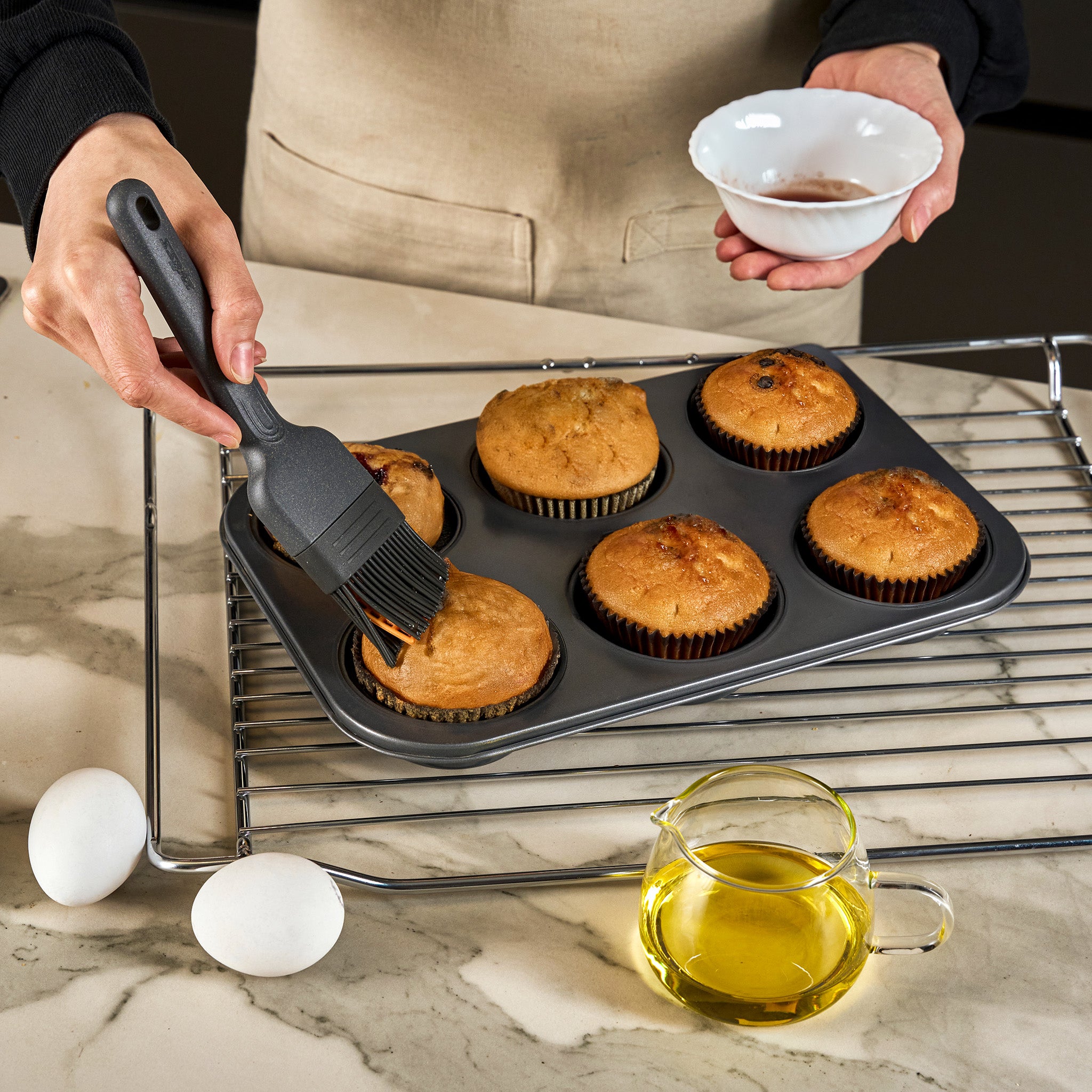
Egg wash adds shine and color to baked goods. Dip the brush lightly into the egg wash to avoid drips. Use soft, even strokes to cover the surface.
Start from the center and move outward. Avoid pressing hard to stop the wash from pooling in one spot.
- Use a small bowl for easy dipping
- Remove excess wash by brushing on the bowl edge
- Brush gently in one direction
- Cover all exposed dough surfaces
Spreading Butter Or Oil
A pastry brush spreads butter or oil smoothly on pans or dough. Warm the butter slightly to make brushing easier. Dip the brush and spread thin layers evenly.
Use circular motions for even coating. Avoid soaking the brush to prevent greasy spots.
- Warm butter for smooth spreading
- Brush lightly to avoid clumps
- Cover all areas needing greasing
- Re-dip the brush as needed
Dusting With Flour Or Sugar
Pastry brushes help dust flour or sugar in thin layers. Use a dry, clean brush for this task. Pick up a small amount of flour or sugar and tap off the excess.
Lightly sweep the brush over the surface. This prevents clumps and keeps your dough from sticking or adds a sweet finish.
- Use a dry brush only
- Tap off extra powder before dusting
- Brush gently for even coating
- Repeat if more coverage is needed
Maintaining Your Pastry Brush
Keeping your pastry brush clean helps it last longer. A well-maintained brush works better for your baking tasks.
Proper care stops old food from building up on the bristles. This keeps your brush safe and ready to use.
Effective Cleaning Methods
Wash your pastry brush after every use to remove oils and food bits. Use warm water and mild soap for cleaning.
Gently rub the bristles with your fingers to clean deep inside. Rinse well to remove all soap residue.
- Use warm water and gentle dish soap
- Rub bristles to remove stuck food
- Rinse thoroughly to clear soap
- Shake off excess water before drying
Avoiding Cross-contamination
Use separate pastry brushes for different ingredients. This stops flavors and bacteria from mixing.
Label brushes or keep them in different containers. Clean brushes well before switching to another use.
- Keep separate brushes for raw and cooked foods
- Mark brushes with labels or colors
- Wash brushes thoroughly before reuse
- Store brushes in clean, dry places
When To Replace Your Brush
Change your pastry brush if the bristles start to fall out. Worn bristles reduce brushing quality and safety.
Also replace brushes that smell bad or show mold. Old brushes can harm the taste and safety of your food.
- Bristles shed or break easily
- Brush smells unpleasant after cleaning
- Mold or mildew appears on the brush
- Handle cracks or loosens
Common Mistakes And How To Avoid Them
Using a pastry brush correctly makes baking easier and more effective. Many people make simple mistakes that reduce their results.
Learning to avoid these mistakes can help you use your pastry brush better every time.
Overloading The Brush
Putting too much liquid on the brush causes drips and messes. It also makes it harder to spread evenly on your pastry.
Use a small amount of liquid and apply it in thin layers. Dip the brush lightly and tap off extra liquid before brushing.
- Dip the brush only halfway into the liquid
- Tap the brush gently on the container edge
- Apply in light, even strokes
Using The Wrong Brush Type
Pastry brushes come in different materials like silicone, natural bristles, or nylon. Using the wrong type can affect how well you spread liquids.
Choose a brush that fits the task. Silicone brushes work well for thick sauces, while natural bristles are good for delicate pastries.
- Silicone brushes resist heat and clean easily
- Natural bristle brushes hold liquids better
- Nylon brushes are good for general use but can melt near heat
Improper Cleaning Practices
Not cleaning your pastry brush correctly can cause leftover flavors and bacteria. This affects your baking and can be unsafe.
Wash your brush with warm soapy water right after use. Rinse well and let it dry completely before storing.
- Use gentle soap to avoid damaging bristles
- Do not soak natural bristle brushes too long
- Air dry brushes standing up or hanging
Expert Tips For Perfect Baking
Using a pastry brush can improve your baking results. It helps spread liquids evenly on dough and pastries.
Knowing how to use it well saves time and adds flavor. Here are tips to use a pastry brush efficiently.
Enhancing Flavors With Brush Techniques
Brush sauces and glazes gently to avoid breaking your dough. This keeps flavors balanced and smooth.
Use light, even strokes to cover pastries. This lets flavors soak in without making them soggy.
- Brush melted butter for crisp crusts
- Apply egg wash for golden shine
- Spread marinades thinly on meat
- Use flavored oils for extra taste
Creating Unique Pastry Finishes
Pastry brushes help create different textures on your baked goods. You can add shine or a matte look.
Try brushing sugar or spices for a crunchy top. Light brushing controls how much finish you get.
- Brush egg wash for smooth gloss
- Use milk or cream for soft shine
- Sprinkle sugar after brushing for sparkle
- Brush butter for flaky layers
Innovative Uses Beyond Baking
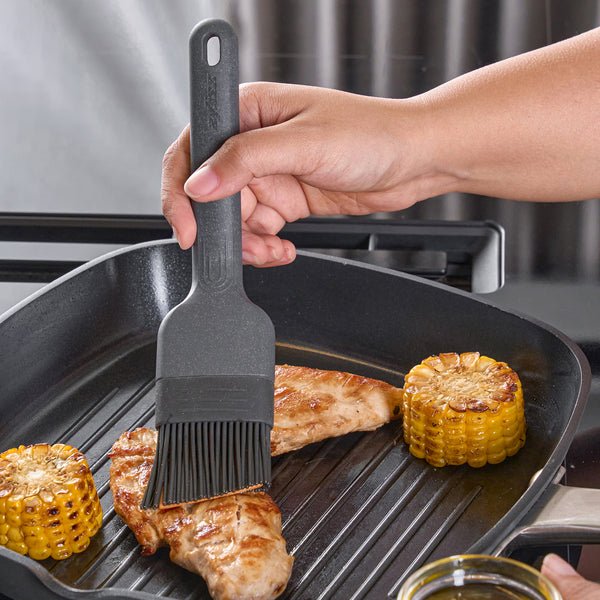
Pastry brushes are useful outside baking too. They work well for grilling, cooking, and even cleaning.
Use them to apply sauces on grilled food or to oil pans evenly. They can also clean crumbs from kitchen tools.
- Brush barbecue sauce on grilled meats
- Spread oil on baking pans
- Apply glazes on roasted vegetables
- Clean small crumbs from kitchen surfaces

Credit: www.webstaurantstore.com
Frequently Asked Questions
What Is The Best Way To Clean A Pastry Brush?
Cleaning a pastry brush immediately after use prevents residue buildup. Use warm, soapy water and gently scrub bristles. Rinse thoroughly and air dry. Proper cleaning extends brush life and maintains food safety.
How Do I Choose The Right Pastry Brush?
Select a pastry brush with soft, heat-resistant bristles. Size depends on your cooking needs. Natural bristles suit delicate tasks; silicone brushes handle high heat. Choose one that fits comfortably in your hand for control.
Can I Use A Pastry Brush For Baking And Grilling?
Yes, pastry brushes are versatile for both baking and grilling. Use them to apply oils, butter, or sauces evenly. Silicone brushes resist heat well, making them ideal for grilling. Natural bristles work best for gentle glazing in baking.
How To Avoid Bristle Shedding From A Pastry Brush?
To prevent bristle shedding, buy quality brushes with tightly bound bristles. Avoid soaking wooden handles for too long. Clean gently and avoid harsh scrubbing. Proper care ensures durability and prevents food contamination.
Conclusion
Using a pastry brush correctly makes baking easier and better. Spread sauces, oils, or glazes evenly for great taste and look. Clean the brush well after each use to keep it safe. Choose the right brush size for different tasks.
Practice these tips to gain confidence in the kitchen. Simple steps lead to better results and more fun. Keep your baking tools ready and enjoy tasty treats every time.