
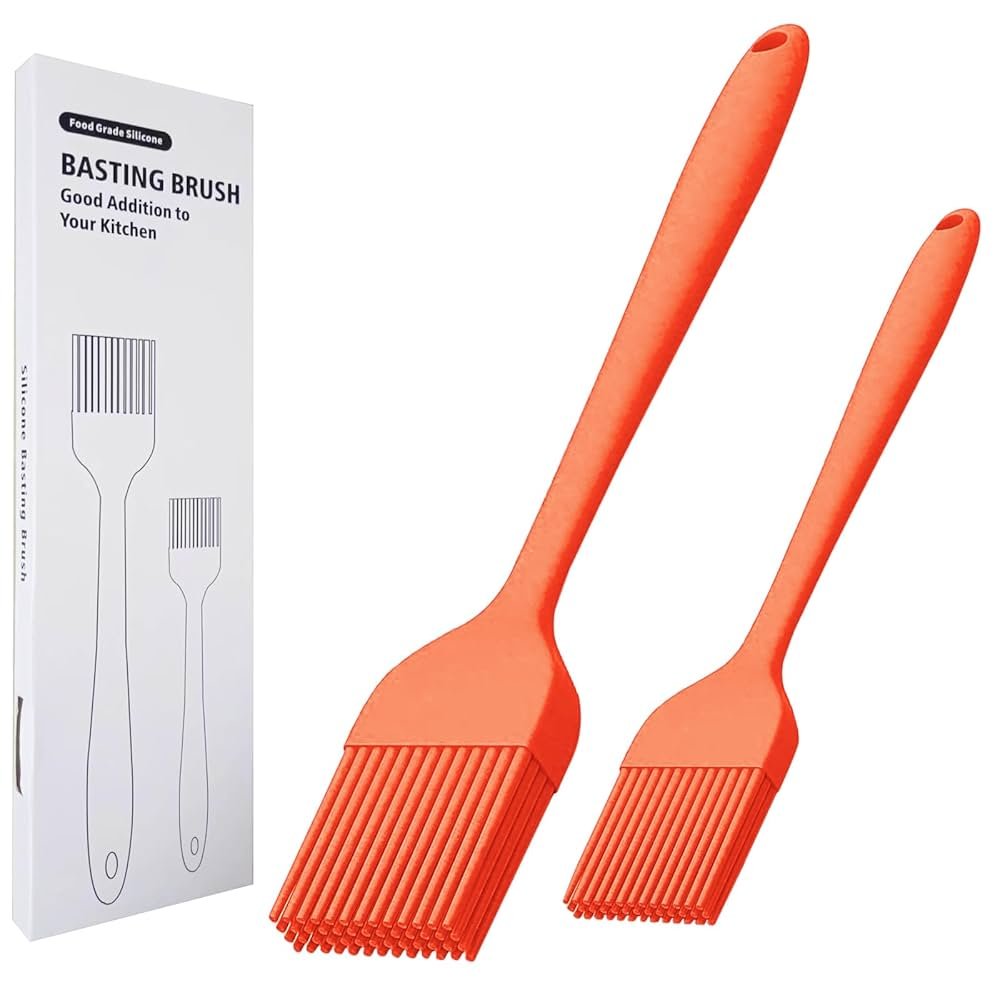
Choosing the right silicone basting brush can make a big difference in your cooking. Whether you’re glazing a roast or brushing oil on a grill, the brush you pick affects how evenly and easily you apply sauces and marinades.
But with so many options out there, how do you know which one is best for your kitchen? You’ll discover simple tips to select a silicone basting brush that fits your needs perfectly. Keep reading to make your cooking easier and more enjoyable every time.
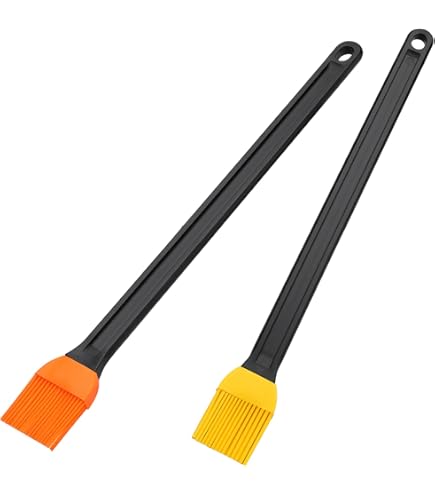
Credit: www.amazon.com
Material Composition
Choosing the right silicone basting brush starts with its material. The brush’s material affects how well it works and how long it lasts.
Silicone is popular for its flexibility and heat resistance. Understanding its types helps you pick the best brush for cooking.
Types Of Silicone
Silicone used in basting brushes can vary in quality and form. Some brushes use pure silicone, while others mix it with fillers.
Pure silicone is soft, flexible, and lasts longer. Mixed silicone may be stiffer but can cost less.
- Pure silicone: soft and durable
- Filled silicone: firmer, less flexible
- Food-grade silicone: safe for cooking
Heat Resistance
Heat resistance is key for basting brushes. Silicone can usually handle high cooking temperatures without melting.
Look for brushes that can withstand at least 400°F (204°C). This ensures the brush stays safe near hot pans or grills.
- High heat tolerance prevents melting
- Maintains shape and flexibility when hot
- Safe for oven, grill, and stovetop use
Food Safety Standards
Food safety is important when selecting a basting brush. The silicone should meet health standards to avoid harmful chemicals.
Choose brushes labeled as FDA-approved or BPA-free. These meet safety rules and are safe for cooking.
- FDA-approved silicone is safe for food contact
- BPA-free means no harmful plastic chemicals
- Non-toxic materials protect your health
Design And Ergonomics
Choosing the right silicone basting brush improves cooking ease. Good design and comfort help you work faster.
Look closely at the brush’s shape and handle. These parts affect how well you can control it.
Handle Design
The handle must be strong and easy to hold. Long handles keep your hands away from heat.
Some handles have holes for hanging. This feature helps keep your kitchen tidy.
- Choose handles made from heat-resistant materials
- Look for a balance between length and weight
- Handles with hanging holes save storage space
Brush Head Shape
The brush head shape controls how well it spreads sauces. Wide heads cover more area fast.
Some heads have angled bristles. This shape reaches corners and curves better.
- Flat heads work well for even coating
- Rounded heads fit better on curved surfaces
- Angled bristles help reach tight spots
Grip Comfort
Grip comfort matters for long cooking sessions. Soft, non-slip materials keep the brush steady.
Textured handles reduce hand fatigue. They also prevent the brush from slipping.
- Look for rubber or silicone grips
- Check if the handle fits your hand size
- Choose brushes with textured or patterned grips
Bristle Quality
Choosing the right silicone basting brush depends on the bristle quality. Good bristles help spread sauces evenly and resist heat well.
Look closely at the brush’s bristles to make sure they will work well in your kitchen. This will make cooking easier and cleaner.
Bristle Density
Bristle density means how close the bristles are to each other. A dense brush holds more sauce for better coverage.
Brushes with sparse bristles may drip or spread sauce unevenly. Dense bristles help you control the amount of sauce on food.
- High density holds more sauce
- Low density may cause dripping
- Dense bristles spread sauce evenly
Flexibility
Flexible bristles bend easily to reach all parts of the food. This helps you baste hard-to-reach areas well.
Too stiff bristles may scratch pans or not spread sauce smoothly. Look for brushes that balance soft and firm bristles.
- Flexible bristles adapt to food shape
- Stiff bristles may cause scratches
- Soft bristles spread sauce gently
Ease Of Cleaning
Silicone bristles clean faster than traditional ones. They do not hold onto food or sauce like natural bristles.
Choose brushes that can be washed in the dishwasher or cleaned by hand without damage. This saves time and effort.
- Silicone bristles resist stains
- Easy to wash by hand or dishwasher
- Hygienic and quick to dry
Durability And Longevity
Choosing a silicone basting brush with good durability helps it last longer. This saves money and makes cooking easier.
Strong brushes resist damage from heat and frequent use. Look for features that improve the brush’s lifespan.
Material Robustness
Good silicone brushes use high-quality, heat-resistant silicone. This type of silicone does not melt or break easily.
Also, check if the handle is made from sturdy materials like stainless steel or thick plastic. These handles last longer.
- Heat-resistant silicone prevents melting
- Flexible bristles avoid breaking
- Strong handles support long use
Manufacturer’s Warranty
A warranty shows the maker trusts their product. It protects you if the brush breaks soon after buying.
Look for brushes with at least a one-year warranty. This means the brush should work well for a long time.
- Check warranty length before buying
- Read what the warranty covers
- Keep the receipt for warranty claims
Resistance To Wear And Tear
The brush should resist common kitchen wear. This includes heat, washing, and bending without damage.
Look for silicone brushes that keep their shape and color after many uses. This means they are strong and durable.
- Resists heat up to 450°F or more
- Does not lose bristles over time
- Easy to clean without damage
Versatility In Use
Choosing the right silicone basting brush means picking one that works in many ways. This tool helps spread sauces, oils, and marinades easily.
Its flexible design allows use in different cooking styles and with various foods. This makes it a useful kitchen tool.
Suitable Applications
Silicone basting brushes work well for many cooking tasks. You can use them for grilling, baking, and roasting.
They help apply sauces, butter, or oil evenly. The brush also works great for glazing and spreading dressings.
- Grilling meats and vegetables
- Applying marinades and sauces
- Spreading butter on bread or pastries
- Glazing baked goods
Temperature Range
Silicone brushes can handle high and low temperatures. This makes them safe for hot grills and cold sauces.
Most brushes resist heat up to 500°F (260°C). They stay flexible without melting or warping.
- Safe for use on hot pans and grills
- Ideal for cold or room temperature foods
- Can be used in ovens without damage
Compatibility With Different Foods
Silicone brushes do not absorb flavors or colors. This means you can use one brush for many dishes without mixing tastes.
The soft bristles work well with delicate and tough foods. They also clean easily after use with sticky or oily ingredients.
- Works with sauces, oils, and marinades
- Safe for sticky or thick ingredients
- Good for delicate pastries and meats
- Easy to clean after use

Credit: zyliss.com
Price And Value
Choosing the right silicone basting brush depends on how much you want to spend. Price and value both matter in picking a good brush.
Knowing what to expect for your money helps you find a brush that lasts and works well.
Budget Considerations
Set a budget before shopping for a silicone basting brush. Brushes come in a wide price range.
Cheaper brushes may work fine but might not last long. Expensive ones can have better features.
- Decide how often you will use the brush
- Think about how much you want to spend
- Consider buying a mid-range brush for balance
Cost Vs. Quality
Price often reflects the quality of the silicone and handle. High-quality brushes resist heat and last longer.
Low-cost brushes may have softer silicone or weaker handles. They may wear out faster or lose shape.
| Price Range | Quality Features |
|---|---|
| Low | Basic silicone, less heat resistance, shorter life |
| Mid | Good silicone, sturdy handle, better heat resistance |
| High | Premium silicone, ergonomic handle, long-lasting, dishwasher safe |
Brand Reputation
Brands with good reputations often deliver better products. They pay attention to material quality and design.
Check reviews to see if customers say the brush holds up well. Trusted brands usually offer warranties.
- Look for brands known for kitchen tools
- Read user reviews on durability and performance
- Consider brands with good customer service
Customer Reviews And Feedback
Choosing the right silicone basting brush can be easier by reading what other buyers say. Reviews show what people like and dislike. They help you find the best brush for your kitchen.
Many customers share their experiences about the brush’s quality, design, and use. This feedback gives useful tips for making a good choice.
Common Praise
Buyers often praise silicone brushes for their easy cleaning. Many say the brushes do not hold odors or stains. The heat resistance of the silicone is also a popular point.
Users like the soft yet sturdy bristles that spread sauces well. Many mention that the handle feels strong and comfortable to hold.
- Easy to clean and dishwasher safe
- Does not retain smells or colors
- Heat resistant up to high temperatures
- Soft bristles spread sauce evenly
- Sturdy and comfortable handle
Frequent Complaints
Some buyers complain about the brush bristles falling out after a few uses. A few mention that the brush head is too small for bigger jobs. Others say the handle can feel slippery when wet.
Some users also find the brush too flexible, which makes it hard to spread thick sauces evenly.
- Bristles falling out after short use
- Brush head size too small for large tasks
- Slippery handle when wet
- Too flexible for thick sauces
User Recommendations
Customers suggest choosing a brush with a larger head for big cooking jobs. They recommend checking if the handle has a textured grip. Some say to pick brushes with stronger bristles to avoid shedding.
Many advise washing the brush by hand to keep it in good shape. Also, buying from brands with good reviews can reduce common problems.
- Pick a larger brush head for big tasks
- Look for handles with textured grips
- Choose brushes with firm bristles
- Wash the brush by hand for longer use
- Buy from brands with positive feedback

Credit: www.amazon.ca
Frequently Asked Questions
What Features Should I Look For In A Silicone Basting Brush?
Look for heat resistance, flexible bristles, and a comfortable handle. Choose brushes that are dishwasher safe and easy to clean for convenience.
How Does Silicone Compare To Traditional Basting Brushes?
Silicone brushes are more durable, heat-resistant, and hygienic. They don’t shed bristles and clean quickly, making them better for frequent use.
Can Silicone Basting Brushes Handle High Cooking Temperatures?
Yes, most silicone brushes withstand temperatures up to 600°F. This makes them safe for grilling, baking, and roasting without melting or warping.
Are Silicone Basting Brushes Safe For All Types Of Cookware?
Yes, silicone brushes are gentle and won’t scratch non-stick or delicate surfaces. They work well on metal, ceramic, and glass cookware.
Conclusion
Choosing the right silicone basting brush makes cooking easier. Think about brush size and handle comfort. Soft, heat-resistant bristles work best for all tasks. Easy cleaning saves time and effort. A good brush helps spread sauces evenly. It lasts longer and stays safe to use.
Pick one that fits your cooking style. Enjoy better results with the right tool. Cooking becomes more fun and less messy. Simple choices lead to great kitchen experiences.