
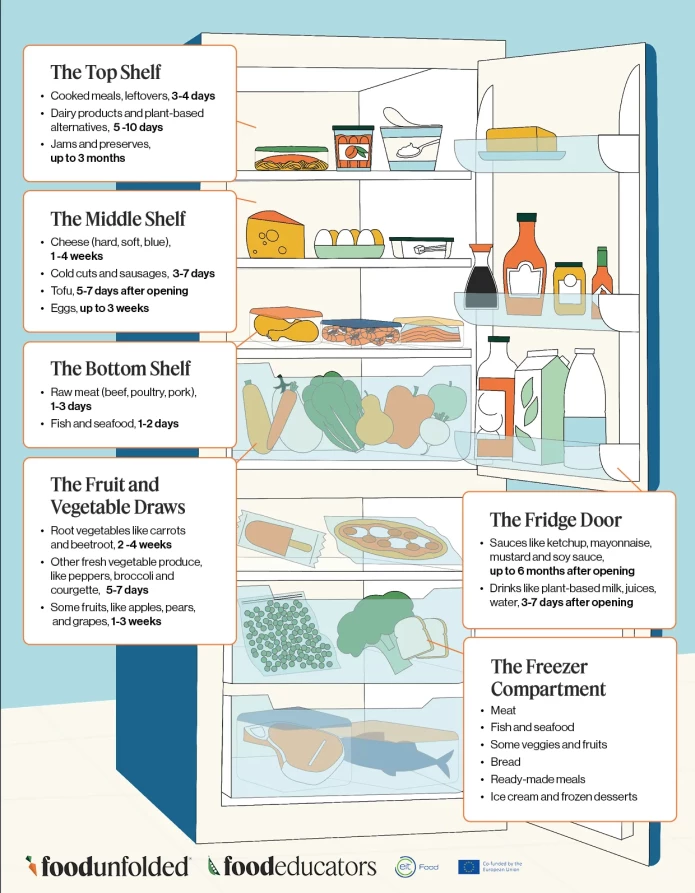
Are you sure your raw meat is stored safely in your fridge? Where you place it matters more than you might think.
Storing raw meat on the lower shelves can protect your family from harmful bacteria and keep your fridge organized. You’ll discover simple but powerful tips that make your fridge safer and your food fresher. Keep reading to learn how small changes in storage can make a big difference for your health and kitchen!
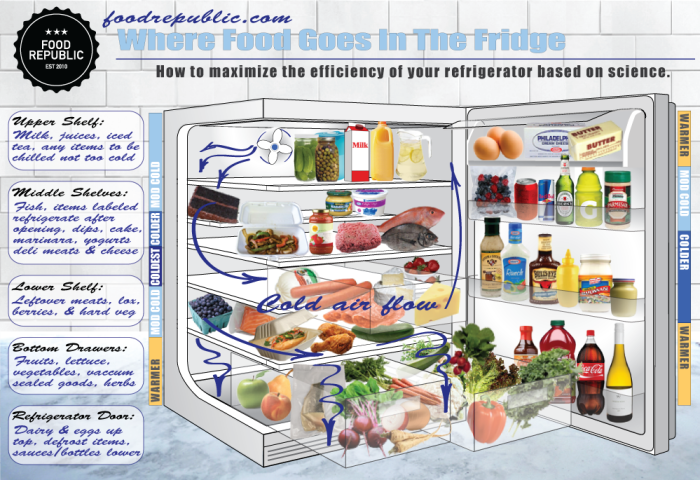
Credit: medium.com
Importance Of Proper Meat Storage
Storing raw meat correctly is important for food safety. It helps stop harmful germs from growing.
Using the lower fridge shelves keeps meat away from other foods. This stops cross-contamination and keeps your family safe.
Preventing Cross-contamination
Raw meat can drip juices that contain bacteria. Keeping meat on lower shelves stops these juices from touching other foods.
Cross-contamination can cause food poisoning. Storing meat properly reduces this risk.
Maintaining Proper Temperature
The lower shelves in a fridge are usually colder. This helps keep raw meat fresh longer.
Cold temperatures slow bacterial growth. Proper storage temperature is key for safe meat.
Organizing Your Fridge Efficiently
Storing raw meat on lower shelves frees space on upper shelves. You can store ready-to-eat foods safely above.
Clear organization helps you find foods easily and prevents mistakes.
- Keep raw meat in sealed containers
- Label packages with dates
- Store cooked and ready foods above meat
Reducing Spoilage And Waste
Proper meat storage keeps meat fresh longer. This means less food waste and saving money.
Check meat regularly and use it before the expiration date to avoid spoilage.
Choosing The Right Fridge Shelf
Storing raw meat properly helps keep your food safe. The right shelf in your fridge stops juices from dripping on other foods.
Lower fridge shelves are best for raw meat. They keep your fridge organized and reduce the risk of germs spreading.
Benefits Of Lower Shelves
Lower shelves stay colder than higher ones. This keeps raw meat fresh for longer times.
The lower shelf holds meat safely without mixing with other foods. It also helps control odors.
- Keeps meat at a safer, colder temperature
- Prevents meat juices from dripping down
- Makes cleaning spills easier
- Helps organize your fridge better
Preventing Cross-contamination
Raw meat can carry harmful bacteria. Storing it on lower shelves stops these germs from touching other foods.
Use sealed containers or trays on the lower shelf. This stops meat juices from leaking and keeps your fridge clean.
- Place raw meat in sealed containers
- Keep meat on the bottom shelf only
- Clean spills immediately to avoid germs
- Do not store ready-to-eat foods below raw meat
Ideal Temperature Settings
Storing raw meat correctly helps keep it fresh and safe. The right fridge temperature stops harmful bacteria from growing.
Lower fridge shelves are best for raw meat because cold air sinks down. You must keep these shelves at the right temperature.
Maintaining Safe Temperatures
Raw meat should be stored at or below 40°F (4°C). This temperature slows bacteria growth and keeps meat fresh longer.
Keep raw meat on the lowest shelves to avoid drips onto other foods. Check the fridge temperature often to stay safe.
- Set fridge temperature between 32°F and 40°F (0°C – 4°C)
- Store raw meat in sealed containers or bags
- Keep meat on the bottom shelf only
- Avoid overcrowding to allow cold air flow
Using A Refrigerator Thermometer
A fridge thermometer shows the exact temperature inside the fridge. It helps you keep raw meat at the right temperature.
Place the thermometer on the lower shelf near the raw meat. Check it daily to make sure the fridge stays cold enough.
- Buy a reliable fridge thermometer
- Place it on the bottom shelf
- Read the temperature daily
- Adjust fridge settings if temperature rises above 40°F (4°C)
Effective Packaging Techniques
Storing raw meat properly keeps it fresh and safe to eat. Using the right packaging helps prevent leaks and contamination.
Good packaging also stops the meat from drying out or absorbing fridge odors. This protects both the meat and other foods.
Sealing For Freshness
Seal raw meat tightly to keep air and bacteria out. Wrapping meat with plastic wrap or butcher paper works well.
Use a vacuum sealer if available. This removes air and keeps meat fresh longer. Always check for holes or tears in the packaging.
- Wrap meat snugly with plastic wrap or butcher paper
- Use vacuum sealing for longer freshness
- Double wrap if needed to prevent leaks
- Label packages with the date to track freshness
Using Leak-proof Containers
Place raw meat in leak-proof containers to stop juices from dripping. This keeps your fridge clean and safe.
Choose containers made of glass or sturdy plastic with tight lids. Avoid thin or cracked containers that may leak.
- Select containers with secure, snap-on lids
- Use containers that fit the meat size to reduce air space
- Keep containers on lower shelves to avoid contamination
- Clean containers before reuse to prevent bacteria
Organizing The Fridge
Storing raw meat properly in the fridge keeps your kitchen safe and clean. It stops juices from dripping on other foods.
Using the lower shelves helps keep meat cold and prevents cross-contamination. Organize your fridge to make this easy.
Designated Meat Area
Keep raw meat on the bottom shelf or in a special drawer. This stops meat juices from dripping on other foods.
Use a tray or shallow container to catch any leaks. This keeps the fridge clean and safe from bacteria.
- Choose the lowest shelf for raw meat
- Use a tray or plate under the meat
- Separate meat from ready-to-eat foods
- Clean the tray regularly to avoid smells
Labeling And Dating
Label raw meat packages with the date you bought or froze them. This helps you use meat before it goes bad.
Clear labels help you see what is inside without opening packages. This keeps meat fresh and safe to eat.
- Write the purchase or freeze date on each package
- Use waterproof labels or masking tape
- Check dates regularly and use older meat first
- Throw away meat past its safe storage time
Monitoring Shelf Life
Storing raw meat on the lower fridge shelves helps prevent cross-contamination. It also keeps meat at a safe temperature to slow bacteria growth.
Knowing how long meat stays fresh is important. Monitoring shelf life helps keep your food safe and reduces waste.
Recognizing Spoilage Signs
Raw meat can spoil even if stored properly. Look for signs before cooking or eating it to avoid illness.
Smell, color, and texture are key signs to check. If meat smells bad or looks off, do not use it.
- A sour or rotten smell means spoilage
- Discoloration like green or gray spots is a warning
- Sticky or slimy texture shows bacteria growth
- Excess liquid or blood pooling can also mean spoilage
Implementing A Rotation System
Use a rotation system to keep meat fresh longer. This system means using older meat first and newer meat later.
Label packages with the date they were stored. Place new meat behind older meat on the lower shelves.
- Write the storage date on each package
- Put older packages in front for easy access
- Check dates daily to plan meals
- Throw out meat past safe storage times
Cleaning And Maintenance
Keeping the lower fridge shelves clean is very important for storing raw meat safely. Proper cleaning stops germs and bad smells.
Regular cleaning and sanitizing help protect your family from harmful bacteria. It also keeps your fridge fresh and tidy.
Regular Shelf Cleaning
Clean the lower shelves often to remove spills and dirt. Raw meat juices can drip and cause contamination.
Use warm water and mild soap to wash the shelves. Wipe them dry with a clean cloth before placing meat again.
- Remove all items before cleaning
- Use a sponge or soft cloth
- Dry shelves completely to prevent mold
- Check for cracks or damage regularly
Sanitizing Practices
Sanitize shelves after cleaning to kill germs. This is crucial for raw meat storage areas.
Use a safe sanitizer like diluted bleach or vinegar solution. Let it sit a few minutes, then wipe clean.
- Mix 1 tablespoon bleach per 1 gallon water
- Apply with a clean cloth or spray bottle
- Let sanitizer air dry or wipe with a clean towel
- Wear gloves to protect your skin

Credit: www.esedirect.co.uk

Credit: www.aol.com
Frequently Asked Questions
Why Store Raw Meat On Lower Fridge Shelves?
Storing raw meat on lower shelves prevents juices from dripping onto other foods. This reduces cross-contamination risks and keeps your fridge hygienic. It also helps maintain a consistent cold temperature, which preserves meat freshness and safety.
How To Prevent Raw Meat Contamination In Fridge?
Use sealed containers or airtight bags for raw meat. Place meat on lower shelves to avoid drips. Clean your fridge regularly and separate raw meat from ready-to-eat foods. These steps minimize bacterial spread and keep your food safe.
What Temperature Should Lower Fridge Shelves Be?
Lower fridge shelves should be kept at or below 40°F (4°C). This temperature slows bacterial growth and maintains raw meat freshness. Use a fridge thermometer to monitor and ensure safe storage conditions.
Can Storing Raw Meat On Lower Shelves Extend Freshness?
Yes, storing raw meat on lower shelves keeps it colder and reduces contamination. This environment slows spoilage, extending meat freshness. Proper packaging and prompt refrigeration also play key roles in maintaining quality.
Conclusion
Storing raw meat on lower fridge shelves keeps your kitchen safe. It stops juices from dripping on other foods. Keep meat in sealed containers to avoid spills. Regularly clean the shelves to prevent bacteria growth. Check the fridge temperature often to stay below 40°F.
These simple tips help keep food fresh and healthy. Safe storage means less waste and fewer risks. Remember, a clean and organized fridge protects your family’s health. Small actions make a big difference in food safety. Keep raw meat low, sealed, and cold for best results.