
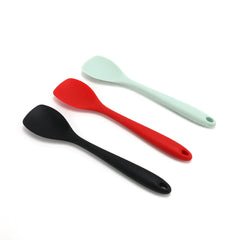
You probably use your silicone spatula every day, but are you taking the right steps to keep it in top shape? Maintaining your silicone spatula properly can save you money, improve your cooking experience, and keep your kitchen safe and clean.
You’ll discover simple, effective tips that make your spatula last longer and work better. Stick with me, and you’ll never have to worry about a worn-out or damaged spatula again. Ready to get started? Let’s dive in!

Credit: www.youtube.com
Importance Of Proper Care
Taking care of your silicone spatula helps it last longer. Good care keeps it clean and safe to use.
Proper cleaning and storage stop damage and keep the spatula working well in your kitchen.
Cleaning After Use
Wash your silicone spatula soon after cooking. Use warm water and mild soap to remove food bits.
Avoid harsh scrubbing to keep the silicone smooth and strong over time.
Avoiding High Heat Damage
Do not leave your spatula in hot pans for long. Silicone can melt or warp at very high heat.
Use the spatula only within the heat limits given by the manufacturer to keep it safe.
Proper Storage
Store your spatula in a dry place. Keep it away from sharp objects that can cut the silicone.
- Use a utensil holder or drawer organizer
- Do not stack heavy items on top
- Keep it away from direct sunlight
Regular Inspection
Check your silicone spatula for cracks or tears often. Damaged tools can affect cooking and safety.
Replace the spatula if you see any signs of wear to avoid food contamination.

Credit: www.dioro.com
Choosing The Right Cleaning Tools
Cleaning a silicone spatula is easy if you use the right tools. Good tools help keep the spatula safe and last longer.
Using harsh tools can damage the silicone surface. Choose soft and gentle items for cleaning.
Soft Sponges Or Cloths
Soft sponges or cloths clean well without scratching the silicone. They remove food residue gently.
Avoid rough scrubbers that can cut or wear down the spatula over time. Soft tools keep it smooth.
Non-abrasive Brushes
Use non-abrasive brushes for stuck-on food. Brushes with soft bristles work best.
They reach small corners without harming the silicone. This keeps the spatula clean and safe.
Mild Dish Soap
Choose mild dish soap that does not contain harsh chemicals. This protects the silicone material.
Mild soap cleans well and keeps the spatula soft. Avoid strong detergents that can cause damage.
Avoid Steel Wool And Harsh Scrubbers
Never use steel wool or strong scrubbers on silicone spatulas. They cause scratches and tears.
Damage from harsh tools lowers the spatula’s lifespan. Use gentle cleaning tools for best results.
Step-by-step Cleaning Process
Keeping your silicone spatula clean helps it last longer. A clean spatula also keeps your food safe.
Follow simple steps to wash your silicone spatula well every time you use it.
Rinsing Off Debris
Start by rinsing your spatula under warm water. This removes loose food and crumbs.
Make sure to rinse both sides and the edges to clear all bits of food.
Using Mild Detergents
Use mild dish soap to clean your spatula. Strong soaps can damage the silicone over time.
Apply a small amount of soap and gently scrub with your fingers or a soft cloth.
Avoiding Abrasive Scrubbers
Do not use steel wool or rough scrubbers. They can scratch and weaken the silicone.
Stick to soft sponges or cloths to keep your spatula smooth and safe to use.

Credit: www.siliconemania.com
Drying And Storage Tips
Keeping your silicone spatula dry and stored correctly helps it last longer. Moisture can cause mold or bad smells.
Proper drying and storage keep the spatula clean and ready for your next use.
Dry The Spatula Thoroughly
After washing, dry your silicone spatula well. Use a clean towel or let it air dry completely.
Do not store it while it is still wet. Moisture can cause bacteria to grow.
- Use a dry dish towel to wipe off water
- Place the spatula on a drying rack
- Allow air drying in a well-ventilated area
Store In A Clean, Dry Place
Store your silicone spatula in a dry spot away from heat and sunlight. This keeps the material strong.
A kitchen drawer or utensil holder is a good choice. Avoid damp areas like near the sink.
- Keep away from direct sunlight
- Use a utensil holder with airflow
- Store separate from sharp objects
Handling Stains And Odors
Silicone spatulas are useful kitchen tools. Over time, they may get stains and odors from food.
Cleaning them well keeps them safe and fresh for cooking. This guide helps you handle stains and smells.
Removing Tough Stains
Some foods leave strong stains on silicone spatulas. To remove these, soak the spatula in warm water with soap.
For tougher stains, use baking soda paste. Rub it gently on the stained areas and rinse well.
- Soak in warm soapy water for 10-15 minutes
- Make a paste with baking soda and water
- Apply paste to stains and rub gently
- Rinse thoroughly under running water
- Dry with a clean towel or air dry
Deodorizing Techniques
Silicone spatulas can keep smells from strong foods. Use natural ways to remove odors and keep the spatula fresh.
Soaking the spatula in vinegar or lemon water helps remove bad smells. Rinse it well after soaking.
- Soak in white vinegar for 10 minutes
- Or soak in lemon juice and water mix
- Rinse completely with warm water
- Dry fully before storing
Preventing Damage
Silicone spatulas are useful tools in the kitchen. Taking care of them helps them last longer. Avoiding damage keeps them safe to use.
Simple habits can protect your silicone spatula. Small actions prevent wear and tear. Let’s look at how to avoid damage.
Avoiding Extreme Temperatures
Silicone can handle heat but has limits. Very high heat can melt or deform it. Very cold can make it brittle and break.
Do not leave the spatula on a hot pan. Avoid putting it in the freezer. Use it within the temperature range stated by the manufacturer.
- Keep spatulas away from direct flames
- Do not use silicone spatulas for grilling
- Store at room temperature, not in cold places
- Check product labels for safe temperature limits
Keeping Away From Sharp Edges
Sharp knives or tools can cut silicone spatulas. Cuts damage the surface and reduce their life. Keep spatulas separate from sharp objects.
Do not use your silicone spatula to scrape hard or sharp surfaces. Store them in a drawer or container where blades are not near.
- Use cutting boards for knives, not the spatula
- Do not use spatulas to open cans or jars
- Store spatulas in a utensil holder away from knives
- Inspect spatulas for cuts and replace if damaged
Extending The Lifespan
Taking care of your silicone spatula helps it last longer. Proper maintenance keeps it strong and clean.
Small actions can prevent damage and maintain its quality for many uses.
Regular Inspection
Check your silicone spatula often for signs of wear. Look for cracks, tears, or loose parts.
Cleaning the spatula well after each use helps you spot any damage early.
- Inspect edges for cracks or splits
- Check the handle for looseness
- Look for discoloration or sticky spots
Timely Replacement
Replace your silicone spatula when damage affects its function. A broken spatula can cause food safety issues.
Replacing it on time keeps cooking safe and easy.
- Replace if cracks or tears appear
- Change if the handle is loose
- Swap out when silicone becomes sticky or discolored
Frequently Asked Questions
How Often Should I Clean A Silicone Spatula?
Clean your silicone spatula after every use to prevent food buildup. Use warm soapy water or place it in the dishwasher for thorough cleaning. Regular cleaning maintains hygiene and extends the spatula’s lifespan.
Can Silicone Spatulas Go In The Dishwasher?
Yes, most silicone spatulas are dishwasher safe. Place them on the top rack to avoid heat damage. Dishwasher cleaning is convenient and helps remove stubborn food residues effectively.
How Do I Remove Stains From A Silicone Spatula?
Soak the spatula in a mixture of baking soda and warm water for 15 minutes. Scrub gently with a soft sponge. This method removes stains without damaging the silicone surface.
Is It Safe To Use Silicone Spatulas On Non-stick Pans?
Yes, silicone spatulas are safe for non-stick cookware. Their soft, flexible material prevents scratching and protects the pan’s coating. Always avoid using metal tools on non-stick surfaces.
Conclusion
Taking good care of your silicone spatula keeps it useful for a long time. Clean it gently with warm, soapy water after each use. Avoid sharp tools that can scratch or damage the surface. Store it in a dry place away from direct heat.
Small steps like these prevent wear and keep your spatula safe. With simple care, your spatula will stay flexible and strong. Enjoy cooking without worry and keep your kitchen tools ready for every meal. Easy maintenance makes a big difference.