
Your chopping board is one of the busiest tools in your kitchen. It handles everything from slicing fresh vegetables to cutting raw meat.
But have you ever stopped to think about how clean and well-maintained your chopping board really is? Keeping it spotless isn’t just about hygiene—it also keeps your food tasting better and lasts longer. You’ll discover simple, effective ways to clean and maintain your chopping boards.
By the end, you’ll know exactly how to protect your board and keep your kitchen safe. Ready to make your chopping board shine? Let’s dive in.

Credit: www.amazon.co.uk
Types Of Chopping Boards
Chopping boards come in different materials. Each type has its own care and cleaning needs.
Knowing the types helps you keep them clean and safe for food preparation.
Wooden Boards
Wooden boards are popular for their durability and knife-friendly surface. They absorb less water when cared for properly.
Clean wooden boards with warm soapy water and dry them immediately. Avoid soaking to prevent cracking.
- Use mineral oil to keep wood from drying out
- Disinfect with vinegar or diluted bleach solution
- Sand rough spots to remove deep cuts
Plastic Boards
Plastic boards are lightweight and easy to clean. They are dishwasher safe and good for raw meat.
Replace plastic boards if they have deep cuts. These cuts can hide bacteria and cause contamination.
- Wash with hot soapy water or dishwasher
- Use bleach to disinfect after cutting raw meat
- Check for cracks and replace when worn
Glass Boards
Glass boards are very easy to clean and do not absorb odors. They look modern but can dull knives.
Clean glass boards with warm soapy water or dishwasher. Avoid dropping to prevent breaking.
- Non-porous and stain-resistant
- Use mild detergents to keep surface clear
- Not recommended for frequent chopping with sharp knives
Bamboo Boards
Bamboo boards are eco-friendly and harder than wood. They resist water but need special care to last.
Clean bamboo with warm soapy water and dry quickly. Oil the surface regularly to keep it smooth.
- Do not soak or put in dishwasher
- Use food-safe oil to prevent cracking
- Avoid cutting on one spot to reduce grooves

Credit: vayuearth.com
Daily Cleaning Routine
Keeping your chopping boards clean is important for food safety. A daily routine helps stop bacteria from growing.
This guide shows easy ways to clean and maintain your chopping boards every day.
Basic Washing Steps
Wash your chopping board right after use. This stops food bits from drying on it.
Use hot water and dish soap for cleaning. Scrub the board well with a brush or sponge.
- Rinse the board with hot water
- Apply dish soap
- Scrub all surfaces thoroughly
- Rinse off all soap
- Dry with a clean towel or air dry
Using Natural Cleaners
Natural cleaners are gentle and safe for chopping boards. They remove odors and stains effectively.
Lemon juice and white vinegar are good choices. They help keep your board fresh without harsh chemicals.
- Sprinkle baking soda on the board
- Pour lemon juice or vinegar over it
- Let it sit for 5 minutes
- Scrub gently with a sponge
- Rinse with warm water and dry
Sanitizing Techniques
Sanitizing your chopping board kills bacteria that washing may miss. Do this often for safety.
You can use a diluted bleach solution or boiling water. Both help keep your board clean and safe.
- Mix 1 tablespoon bleach with 1 gallon water
- Soak the board for 2 minutes
- Rinse well with clean water
- Or pour boiling water over the board carefully
- Let the board dry completely before use
Deep Cleaning Methods
Chopping boards need regular deep cleaning. It keeps them safe and lasts longer.
Deep cleaning removes stains, odors, and germs. This helps prevent food contamination.
Removing Stains
Some stains stick on chopping boards. Use natural cleaners to remove them safely.
Lemon and salt work well to scrub out stains. Baking soda paste is also helpful.
- Sprinkle salt on the stained area
- Rub with half a lemon or a cloth
- Let it sit for 5 minutes
- Rinse with warm water and dry
Handling Odors
Chopping boards can hold bad smells from food. Clean them to remove these odors.
Vinegar and baking soda neutralize odors. Air drying also helps keep boards fresh.
- Sprinkle baking soda on the board
- Spray or pour white vinegar over it
- Let it fizz for 10 minutes
- Rinse thoroughly and dry in air
Disinfecting Strategies
Disinfect chopping boards to kill germs and bacteria. Use safe and simple methods.
Bleach and hydrogen peroxide are strong disinfectants. Dilute them properly before use.
- Mix 1 tablespoon bleach with 1 gallon water
- Soak or wipe the board with this solution
- Let it sit for 2 minutes
- Rinse well with water and dry
- Alternatively, spray hydrogen peroxide and air dry

Credit: ca.style.yahoo.com
Maintaining Wooden Boards
Wooden chopping boards need regular care to last long. Cleaning and maintaining them keeps them safe and strong.
Proper care stops damage and helps your board stay smooth and clean for cooking.
Oiling Process
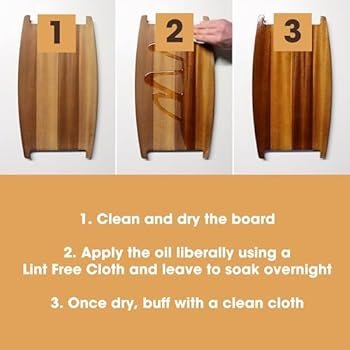
Oiling wooden boards prevents drying and cracking. Use food-safe mineral oil or beeswax for best results.
Apply oil evenly and let it soak overnight. Wipe off extra oil before use.
- Clean the board with warm water and mild soap
- Dry the board completely before oiling
- Use a soft cloth to spread oil evenly
- Let it absorb for several hours or overnight
- Repeat oiling every few weeks or when wood looks dry
Avoiding Cracks
Wood cracks if it dries too fast or gets too wet. Keep your board away from heat and water pools.
Do not soak wooden boards in water or put them in the dishwasher. Dry them quickly after washing.
- Wash with warm water and soap, then dry immediately
- Keep boards away from direct sunlight and heat sources
- Use oil regularly to keep wood moist
- Do not leave boards in standing water or wet areas
Proper Storage
Store wooden boards in a dry place with good air flow. This helps stop mold and warping.
Keep boards standing or flat, not leaning tightly against walls. This prevents pressure and shape loss.
- Store in a dry cupboard or shelf with space around
- Keep boards flat or upright with support
- Avoid stacking heavy items on top
- Air dry boards before putting away
Caring For Plastic Boards
Plastic chopping boards are easy to clean and keep safe for food use. They resist stains and are less likely to absorb odors.
Proper care helps plastic boards last longer and stay in good shape. Regular cleaning and maintenance protect them from damage.
Preventing Warping
Warping happens when plastic boards are exposed to heat or water for too long. It can cause the board to bend or twist.
To avoid warping, do not soak your board in hot water. Also, avoid placing it near hot surfaces like stoves.
- Wash with warm, soapy water quickly after use
- Dry the board immediately with a towel
- Store the board flat in a cool, dry place
- Do not put plastic boards in the dishwasher if the heat is very high
Dealing With Knife Marks
Knife marks can create grooves that trap bacteria and dirt. These marks also make the board look worn out.
To reduce knife marks, use sharp knives and avoid cutting in the same spot repeatedly. Sanding lightly can smooth out rough areas.
- Use a gentle scrub brush to clean knife grooves
- Lightly sand deep cuts with fine sandpaper
- Replace the board if knife marks become too deep
- Keep knives sharp to prevent deep cuts
Glass And Bamboo Boards Tips
Chopping boards are important in every kitchen. Glass and bamboo boards need special care to last long. Clean and maintain them well to keep food safe and the boards in good shape.
This guide shares simple tips for handling glass boards safely and preserving bamboo board durability. Follow these tips to protect your boards and use them properly.
Handling Glass Safely
Glass chopping boards can break or chip if not used carefully. Use gentle cleaning methods to avoid damage. Always check for cracks before use.
Do not cut hard items with heavy force on glass boards. Use a softer knife and cut gently. Store the board in a safe place to prevent falls.
- Wash with warm soapy water after each use
- Dry immediately to avoid water spots
- Do not use abrasive cleaners or scrubbers
- Check for chips or cracks regularly
- Handle with care to prevent drops
Preserving Bamboo Durability
Bamboo boards are strong but need good care to stay durable. Avoid soaking them in water for long times. Use a soft cloth or sponge to clean.
Oil the bamboo board regularly to stop it from drying out and cracking. Keep it in a dry place and avoid direct sunlight.
- Wash with mild soap and warm water
- Dry with a towel right after washing
- Apply food-safe mineral oil once a month
- Do not put bamboo boards in the dishwasher
- Store in a cool, dry place away from heat
When To Replace Your Board
Chopping boards need regular care to stay safe and useful. Over time, they can wear out and become unsafe to use.
Knowing when to replace your chopping board helps keep your kitchen clean and healthy.
Signs Of Wear And Tear
Look for deep cuts or cracks on the surface of your board. These can trap food and bacteria.
If your board is warped or splintering, it is time to get a new one. Warping makes it unsafe to use.
- Deep grooves or cuts that do not clean easily
- Cracks that split the board apart
- Warped or bent shape
- Splinters or rough patches
Hygiene Considerations
Bacteria can hide in old boards with many cuts. This can cause food poisoning.
Replace your board if cleaning does not remove stains or smells. These signs show bacteria may be inside.
- Persistent stains that don’t wash off
- Strong odors after cleaning
- Boards that absorb water and stay wet
- Boards used for raw meat that are deeply scratched
Frequently Asked Questions
How Often Should I Clean My Chopping Board?
Clean your chopping board after every use to prevent bacteria buildup. Wash with hot, soapy water and dry thoroughly. Regular cleaning keeps your board safe and odor-free.
What Is The Best Way To Sanitize A Chopping Board?
Use a solution of one tablespoon bleach per gallon of water. Apply it to the board, let sit for a few minutes, then rinse well. This kills harmful bacteria effectively.
Can I Put Wooden Chopping Boards In The Dishwasher?
No, avoid dishwashers for wooden boards. The heat and water can cause warping and cracking. Hand wash and dry immediately for longevity.
How Do I Remove Stains And Odors From Chopping Boards?
Sprinkle coarse salt and rub with lemon half. Let sit for a few minutes, then rinse. This natural method removes stains and neutralizes odors.
Conclusion
Clean chopping boards keep your kitchen safe and fresh. Regular washing stops germs and food smells. Use mild soap and warm water for cleaning. Dry boards well to avoid cracks and mold. Oil wooden boards to keep them strong and smooth.
Replace boards if deep cuts appear. Simple care extends your chopping board’s life. Healthy cooking starts with a clean board. Keep these tips in mind for easy kitchen care. Your chopping board will stay ready for every meal.