
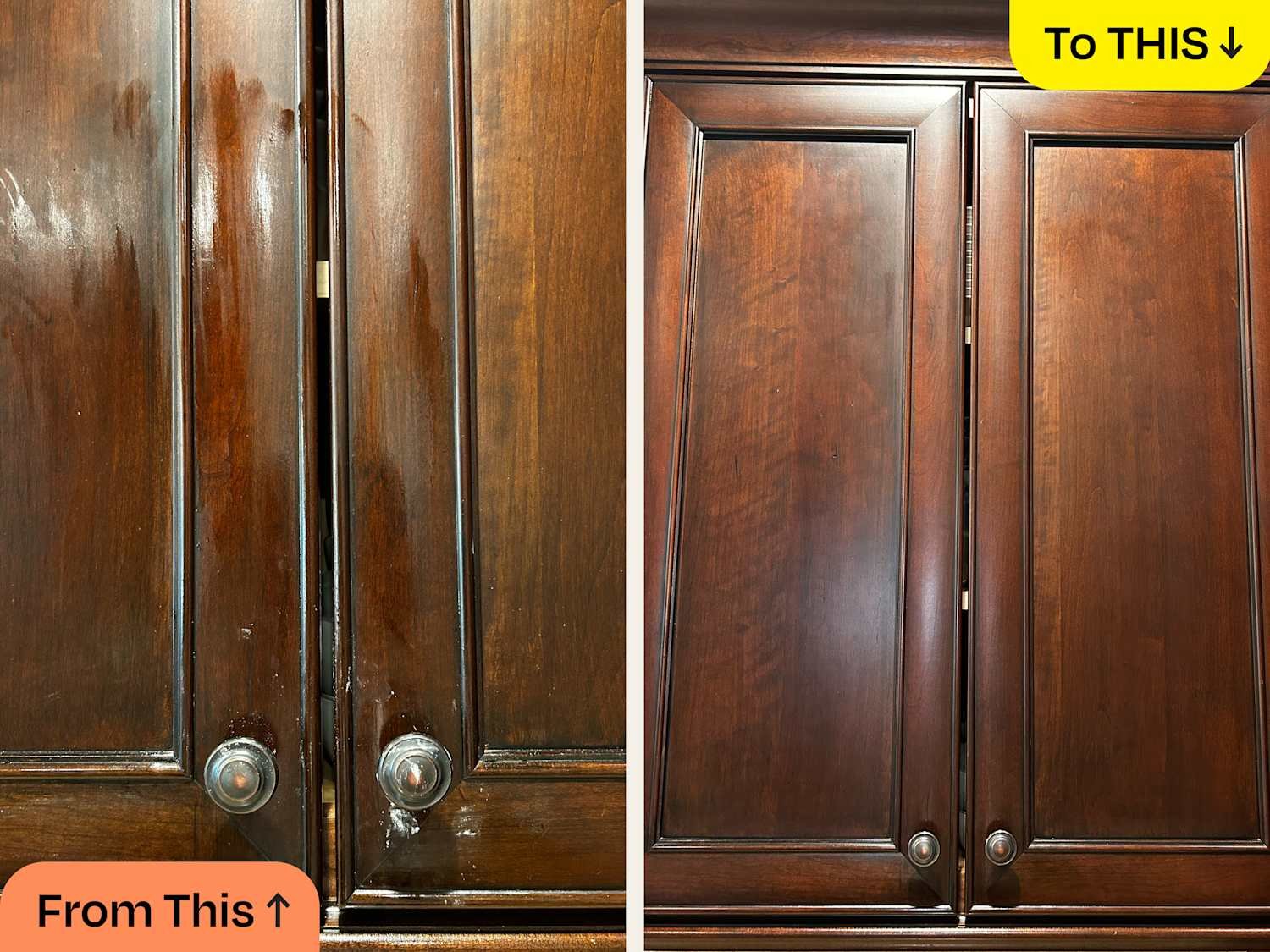
Grease buildup on your kitchen surfaces can turn a clean space into a sticky, stubborn mess fast. If you’ve ever struggled with greasy countertops, stovetops, or cabinets, you know how hard it is to get rid of once it sets in.
But what if you could stop it before it starts? You’ll discover simple, effective ways to prevent grease from taking over your kitchen. Keep reading, and you’ll learn easy habits and tricks that save you time and effort, keeping your kitchen fresh and spotless every day.
Causes Of Grease Buildup
Grease buildup on kitchen surfaces happens over time. It can make your kitchen look dirty and smell bad.
Understanding what causes grease buildup helps you stop it early. This keeps your kitchen clean and safe.
Cooking Oil And Fat Residue
Cooking oils and fats release tiny droplets when heated. These droplets settle on counters and walls.
Over time, these droplets dry and form sticky layers. This is the main reason for grease buildup.
Poor Ventilation
Kitchens without good airflow trap grease particles in the air. These particles land on surfaces and stay there.
Grease stays longer if air fans or vents do not remove cooking fumes well.
Frequent Frying And Grilling
Frying and grilling create more grease smoke than other cooking methods. This smoke spreads in the kitchen.
The grease smoke sticks to walls, cabinets, and counters. This causes buildup faster than boiling or steaming.
Neglecting Regular Cleaning
If you skip cleaning kitchen surfaces often, grease collects and hardens. It becomes harder to remove later.
Wiping surfaces after cooking stops grease from building up. Delays in cleaning increase grease layers.
Using Low-quality Cooking Oils
Cheap oils break down faster when heated. This creates more smoke and sticky grease residues.
High-quality oils burn cleaner and cause less grease buildup on kitchen surfaces.

Credit: katiecleans.com
Regular Cleaning Habits
Grease buildup on kitchen surfaces can cause stains and bad odors. Regular cleaning helps keep your kitchen fresh and safe.
Simple cleaning habits prevent grease from hardening and becoming hard to remove later.
Daily Wipe-downs
Wiping kitchen surfaces every day stops grease from settling. Use a damp cloth with mild soap to clean counters and stove tops.
Pay special attention to areas near the stove and sink, where grease tends to build up fast.
- Use warm water and mild dish soap
- Wipe spills and splatters immediately
- Dry surfaces with a clean cloth
- Clean handles and knobs daily
Weekly Deep Cleaning
Once a week, clean kitchen surfaces more thoroughly. Use stronger cleaners or natural solutions to remove tough grease.
Scrub stove tops, backsplashes, and cabinet doors to keep grease from building up.
- Use baking soda paste on stubborn grease spots
- Clean under stove burners and grills
- Wipe inside and outside of cabinets
- Use a degreaser for heavy buildup
Effective Cleaning Products
Grease buildup on kitchen surfaces can make your kitchen look dirty. It also attracts germs and pests. Using the right cleaning products helps keep your kitchen clean and safe.
This guide explains two types of cleaning products to prevent grease buildup. You will learn about natural solutions and commercial degreasers.
Natural Solutions
Natural cleaning products use ingredients found in most homes. They are safe for people and the environment. Natural solutions can remove light to moderate grease buildup.
Common natural cleaners include vinegar, baking soda, and lemon juice. These ingredients break down grease and leave surfaces fresh.
- Vinegar:Mix equal parts vinegar and water. Spray on greasy spots and wipe clean.
- Baking soda:Sprinkle on surfaces, then scrub with a damp sponge.
- Lemon juice:Use lemon juice to cut grease and add a fresh scent.
Commercial Degreasers
Commercial degreasers are made to remove tough grease quickly. They are stronger than natural solutions and work well on heavy buildup.
These products often contain chemicals that dissolve grease. Always follow the instructions on the label for safe use.
- Choose a degreaser made for kitchen surfaces.
- Use gloves to protect your skin.
- Rinse surfaces well after cleaning to remove residue.

Credit: mats4u.co.uk
Proper Cooking Practices
Grease buildup on kitchen surfaces can cause stains and make cleaning hard. Good cooking habits help keep your kitchen clean and safe.
Using proper cooking practices reduces grease splatter and keeps your kitchen fresh. Small changes can make a big difference.
Minimizing Grease Splatter
Grease splatters when hot oil or fat hits a wet or cold surface. Avoid adding wet food directly to hot oil to reduce splatter.
Use lids or splatter screens to cover pans while cooking. This stops grease from flying onto counters and walls.
- Dry food before frying to avoid water mixing with oil
- Cook on medium heat to prevent oil from jumping
- Use splatter guards or lids when frying or sautéing
- Stir food gently to reduce splashing
Using Ventilation
Ventilation helps remove grease particles from the air. Turn on the range hood or exhaust fan before you start cooking.
Keep windows open if possible. Fresh air reduces grease buildup on kitchen surfaces and improves air quality.
- Use a range hood with a grease filter
- Run exhaust fans while cooking and for a few minutes after
- Open windows to let fresh air flow
- Clean filters regularly to keep fans working well
Maintaining Kitchen Appliances
Grease buildup can damage kitchen appliances. It lowers their efficiency and lifespan. Regular cleaning helps keep them working well.
Prevent grease by cleaning appliances often. Use gentle cleaners and tools to protect surfaces. This stops grease from sticking hard.
Stove And Oven Care
Stoves and ovens get grease from cooking oils and food spills. Clean spills quickly to avoid buildup. Use warm, soapy water and a soft cloth.
Check stove burners and oven racks for grease. Remove and soak them in soapy water. Scrub gently with a non-abrasive sponge to remove grease.
- Clean spills after each use
- Soak racks and burners weekly
- Use mild detergent and soft cloth
- Avoid harsh chemicals that damage surfaces
Range Hood Maintenance
Range hoods trap grease and smoke. Clean the filters often to stop grease buildup. Remove filters and soak them in hot, soapy water.
Wipe the hood surface with a damp cloth and mild cleaner. Keep the fan and vents free from grease for better air flow. Replace filters if needed.
- Clean filters every two weeks
- Use hot water and dish soap for filters
- Wipe hood surface after cooking
- Check fan and vents regularly
Organizational Tips
Grease buildup on kitchen surfaces can be hard to clean. Organizing your kitchen helps reduce grease and keeps it tidy.
Good organization makes cleaning easier and stops grease from spreading. Use smart storage and manage your countertops well.
Storage Solutions
Store cooking oils and greasy items in closed containers. This stops spills and keeps grease off surfaces.
Use shelves and racks to keep utensils and pots off counters. This reduces clutter and makes cleaning faster.
- Keep oils in sealed bottles or jars
- Use hooks for hanging pots and pans
- Place frequently used items within easy reach
- Store baking sheets and trays vertically
Countertop Management
Clear your countertops after cooking. Wipe them often to remove any grease or spills.
Limit the number of items on your counters. This helps prevent grease buildup and makes cleaning quick.
- Keep only daily-use items on counters
- Use trays to group small items together
- Clean spills immediately to stop grease stains
- Use easy-to-clean mats or liners under appliances
Long-term Prevention Strategies
Grease buildup on kitchen surfaces can cause stains and odors. It also attracts dirt and bacteria. Stopping grease from building up takes regular care.
Using good habits and materials helps keep your kitchen clean for a long time. You can protect your surfaces with simple steps every day.
Regular Maintenance Schedules
Clean kitchen surfaces every day to stop grease from piling up. Wipe counters, stove tops, and backsplashes after cooking. Use warm soapy water or a mild cleaner.
Check for grease in hard-to-see places like corners and under appliances. Clean these spots at least once a week. Keeping a routine makes cleaning easier and faster.
- Wipe surfaces after each meal
- Deep clean once a week
- Use microfiber cloths for better grease removal
- Check vents and hoods regularly
Investing In Quality Materials
Choose kitchen materials that resist grease and are easy to clean. Stainless steel and glass surfaces do not hold grease as much as wood or porous stone.
Use non-stick coatings on stove tops and appliances. Good materials reduce the time you spend scrubbing and keep your kitchen fresh longer.
- Pick smooth, non-porous surfaces
- Use sealed countertops
- Consider grease-resistant paint for walls
- Buy quality range hoods with filters

Credit: www.amazon.com
Frequently Asked Questions
How Often Should I Clean Kitchen Surfaces To Prevent Grease?
Clean kitchen surfaces daily to stop grease buildup. Regular wiping removes fresh grease and prevents stains. Use a degreasing cleaner for best results. Consistency is key to maintaining a grease-free kitchen.
What Household Items Remove Grease From Kitchen Surfaces?
Vinegar, baking soda, and lemon juice effectively remove kitchen grease. These natural items break down grease without harsh chemicals. Mix with water for a simple and safe cleaning solution.
Can Heat Cause More Grease Buildup On Surfaces?
Yes, heat melts grease, making it spread and stick more easily. Grease becomes harder to clean when exposed to high temperatures. Clean surfaces promptly after cooking to avoid buildup.
Are Microfiber Cloths Better For Cleaning Grease?
Microfiber cloths trap grease and dirt efficiently. They require less cleaning solution and avoid streaks. Using microfiber cloths helps keep surfaces cleaner with minimal effort.
Conclusion
Keeping kitchen surfaces clean stops grease buildup early. Wipe spills and splatters right away. Use warm water and mild soap for cleaning. Regular care makes your kitchen safer and nicer. Small daily habits save big cleaning later. Clean tools and cloths often to avoid spreading grease.
A fresh kitchen feels good and works better. Stay consistent, and grease won’t stand a chance. Simple steps keep your cooking space bright and healthy.