
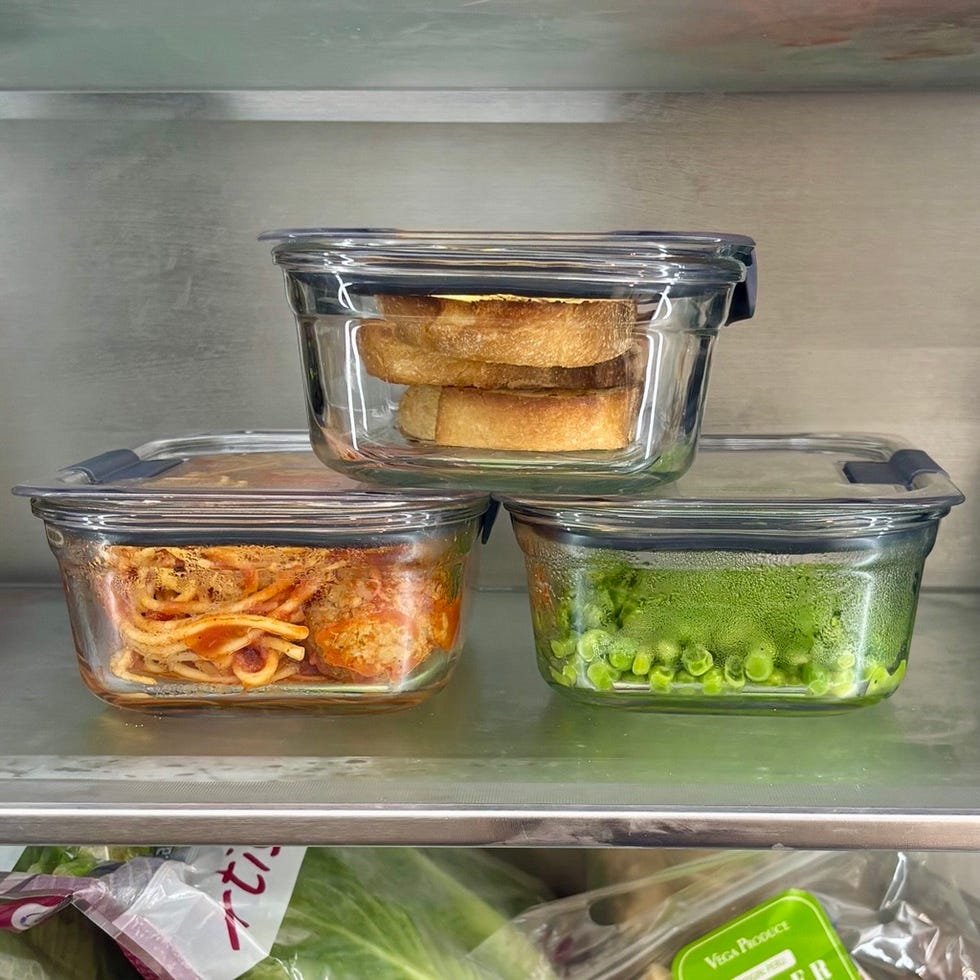
Have you ever opened your fridge and wondered if those leftovers are still safe to eat? Storing your leftovers properly isn’t just about keeping food fresh—it’s about protecting your health and saving money.
If you want to avoid food waste and stay safe from harmful bacteria, you need simple, effective tips that work every time. Keep reading, because these easy tricks will help you store your leftovers safely and confidently, so you can enjoy every bite without worry.
Credit: timesofindia.indiatimes.com
Proper Storage Containers
Storing leftovers safely keeps food fresh and prevents sickness. Choosing the right containers is important.
Good containers help keep food tasty and stop spills or leaks. Pick containers that fit your needs.
Choosing The Right Material
Storage containers come in different materials like plastic, glass, and metal. Each has its own benefits.
Glass containers do not absorb smells and are easy to clean. Plastic containers are light and less likely to break.
- Glass: durable, microwave and oven safe
- Plastic: lightweight, affordable, check for BPA-free labels
- Metal: good for dry foods, not for microwaves
Benefits Of Airtight Containers
Airtight containers keep air out. This helps food stay fresh longer and stops spoilage.
They also prevent spills and leaks. Airtight seals stop smells from spreading in the fridge.
- Keep food fresh by blocking air
- Prevent leaks and spills during storage
- Stop odors from mixing in the fridge
- Help maintain food texture and taste
Credit: lovefoodhatewaste.co.nz
Ideal Temperature Guidelines
Storing leftovers at the right temperature keeps food safe and fresh. Temperature controls stop bacteria from growing.
Follow these temperature rules to protect your food and avoid waste.
Refrigeration Tips
Keep your refrigerator at or below 40°F (4°C). This slows bacteria growth and keeps food safe.
Store leftovers in shallow containers. This helps food cool quickly and evenly.
- Place leftovers in airtight containers
- Do not overcrowd the fridge to allow cold air circulation
- Use leftovers within 3 to 4 days
- Label containers with the date stored
Freezing Techniques
Freeze leftovers at 0°F (-18°C) or lower to stop bacteria growth and keep food safe for months.
Wrap leftovers tightly to prevent freezer burn and moisture loss.
- Use freezer-safe, airtight containers or bags
- Remove as much air as possible before sealing
- Label packages with the freezing date
- Consume frozen leftovers within 2 to 6 months for best taste
Organizing Your Fridge
Keeping your fridge organized helps store leftovers safely. It also reduces food waste and saves time when cooking.
Knowing where to put your food and how to label it keeps everything fresh longer. It makes finding your leftovers quick and easy.
Strategic Placement
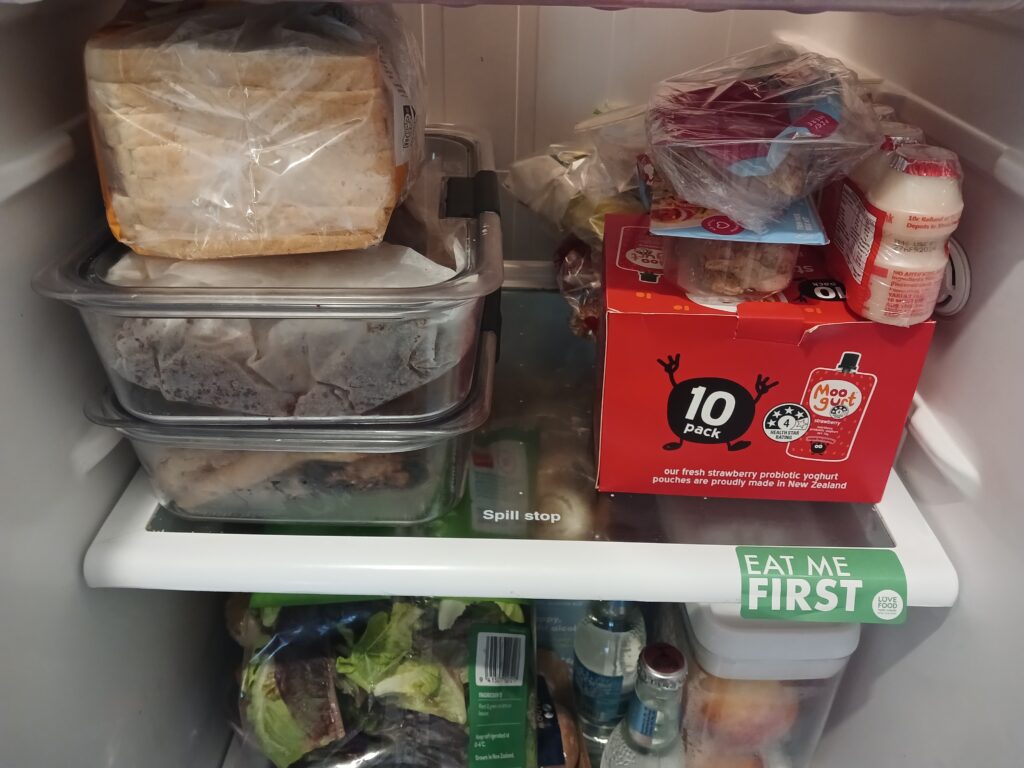
Place leftovers where you can see them easily. Use clear containers to spot food without opening them.
Put raw meats on the bottom shelf to avoid drips on other foods. Store ready-to-eat leftovers on higher shelves.
- Bottom shelf: raw meats and fish
- Middle shelves: leftovers and ready-to-eat food
- Top shelf: drinks and small items
- Fridge door: condiments and sauces
Labeling And Dating
Label leftovers with the date you stored them. This helps you know when to eat or throw them away.
Use masking tape or reusable labels. Write the food name and storage date clearly.
- Write the date in month/day format
- Mark the food name to avoid confusion
- Use waterproof pens or markers
- Check labels regularly and discard old food
Reheating Safely
Reheating leftovers correctly keeps food safe to eat. It also helps keep the best taste and texture.
Follow simple steps to heat food evenly and avoid germs that cause illness.
Microwave Best Practices
Microwaves heat food quickly but can leave cold spots. Stir food often for even heating.
Cover food with a microwave-safe lid or wrap to keep moisture in. This also stops splatters.
- Use microwave-safe containers only
- Stir food halfway through reheating
- Let food stand for a minute after heating
- Check that food is steaming hot all over
Oven And Stovetop Tips
Use the oven or stovetop to reheat food more evenly than a microwave.
Preheat the oven before placing your food inside. Stir or turn food while heating on the stovetop.
- Set oven to 325°F to 350°F for best results
- Cover food with foil to keep moisture in the oven
- Use a pan with a lid for stovetop heating
- Heat leftovers until they reach 165°F inside
- Check food often to avoid overcooking
Avoiding Cross-contamination
Storing leftovers safely helps keep food fresh and healthy. One key way is to avoid cross-contamination.
Cross-contamination happens when germs spread from one food to another. This can cause food poisoning.
Separate Raw And Cooked Foods
Keep raw foods like meat and fish away from cooked foods. Raw foods have bacteria that can spread easily.
Use different containers for raw and cooked leftovers. Do not store them in the same box or bag.
- Label containers to identify raw or cooked items
- Store raw foods on lower shelves in the fridge
- Place cooked foods on higher shelves to avoid drips
Cleanliness Measures
Wash your hands before handling leftovers. Clean surfaces and utensils well after use.
Sanitize cutting boards and containers to kill germs. Use hot, soapy water for cleaning.
- Use separate cutting boards for raw and cooked foods
- Wash containers with warm water and soap before reuse
- Dry items completely to prevent bacteria growth

Credit: blog.ohiohealth.com
Signs Of Spoilage
Knowing when leftovers have gone bad helps keep you safe from foodborne illness. Spoiled food can cause stomach pain and other health problems.
Look for clear signs before eating stored food. This guide covers visual and smell clues and how to read expiration dates correctly.
Visual And Smell Indicators
Check leftovers with your eyes and nose before eating. Spoiled food often looks or smells different.
- Color changes:Food may turn dull, dark, or develop spots.
- Mold growth:White, green, or black fuzzy patches show spoilage.
- Texture changes:Slimy or sticky surfaces mean bacteria are present.
- Bad odors:Sour, rotten, or ammonia-like smells warn food is unsafe.
Understanding Expiration Dates
Expiration dates help guide when food is safest to eat. Know the difference between date types.
- “Sell by” date:Stores use this to manage stock. Food is usually safe after this date.
- “Best if used by” date:Indicates peak quality. Food may still be safe after this date.
- “Use by” date:The last day recommended for safety and quality.
If leftovers smell or look wrong, do not eat them even if the date is not passed.
Creative Leftover Recipes
Leftovers do not have to be boring. You can turn them into tasty new meals. This saves food and money.
Using leftovers creatively helps you enjoy different flavors. It also reduces waste in your kitchen.
Transforming Into New Dishes
Leftovers can be the base for fresh dishes. Add new ingredients to change the flavor and texture.
For example, cooked rice can become fried rice with vegetables and eggs. Roasted chicken can be shredded for tacos or salads.
- Mix leftover vegetables into soups or stews
- Use cooked meats in sandwiches or wraps
- Turn stale bread into croutons or bread pudding
- Combine sauces with pasta for quick meals
Incorporating Into Meal Plans
Plan meals that include leftovers to save time and effort. This helps you use food before it spoils.
Set aside leftovers as part of your weekly menu. This reduces cooking and cleaning on busy days.
- Use leftovers for lunch the next day
- Add small portions of leftovers to new dishes
- Create theme nights like “Leftover Stir-Fry” or “Soup Sunday”
- Freeze leftovers in meal-sized containers for later use
Frequently Asked Questions
How Long Can Leftovers Be Stored Safely?
Leftovers can be stored safely in the fridge for 3 to 4 days. For longer storage, freeze them within 2 hours of cooking. Always label containers with dates to track freshness and avoid foodborne illnesses.
What Are The Best Containers For Storing Leftovers?
Use airtight containers made of glass or BPA-free plastic. These containers prevent moisture loss and contamination. Avoid using aluminum foil or plastic wrap alone, as they don’t seal well, leading to quicker spoilage.
Should Leftovers Be Cooled Before Refrigeration?
Yes, cool leftovers to room temperature within two hours. Hot food can raise fridge temperature, promoting bacteria growth. Use shallow containers to speed up cooling and ensure safe storage.
Can Leftovers Be Reheated Multiple Times?
Reheating leftovers multiple times is not recommended. Each reheating cycle increases bacterial risk and reduces food quality. Only reheat the portion you plan to eat immediately for safety.
Conclusion
Safe leftover storage helps keep food fresh and healthy. Use clean containers to avoid germs. Cool food quickly before putting it in the fridge. Label containers with dates to track freshness. Eat leftovers within a few days for best taste.
Avoid mixing old and new food in one container. Regularly check your fridge for expired items. These simple steps protect your health and save money. Store food properly, and enjoy meals without worry.