

Choosing the right food chopper can change the way you cook forever. You want something that saves your time, makes your prep work easier, and fits perfectly in your kitchen.
But with so many options out there, how do you know which one is best for you? This guide will help you find the perfect food chopper that matches your needs and cooking style. Keep reading, and you’ll discover simple tips that make your choice clear and stress-free.
Your kitchen deserves the best tool, and you’re just a few steps away from finding it.
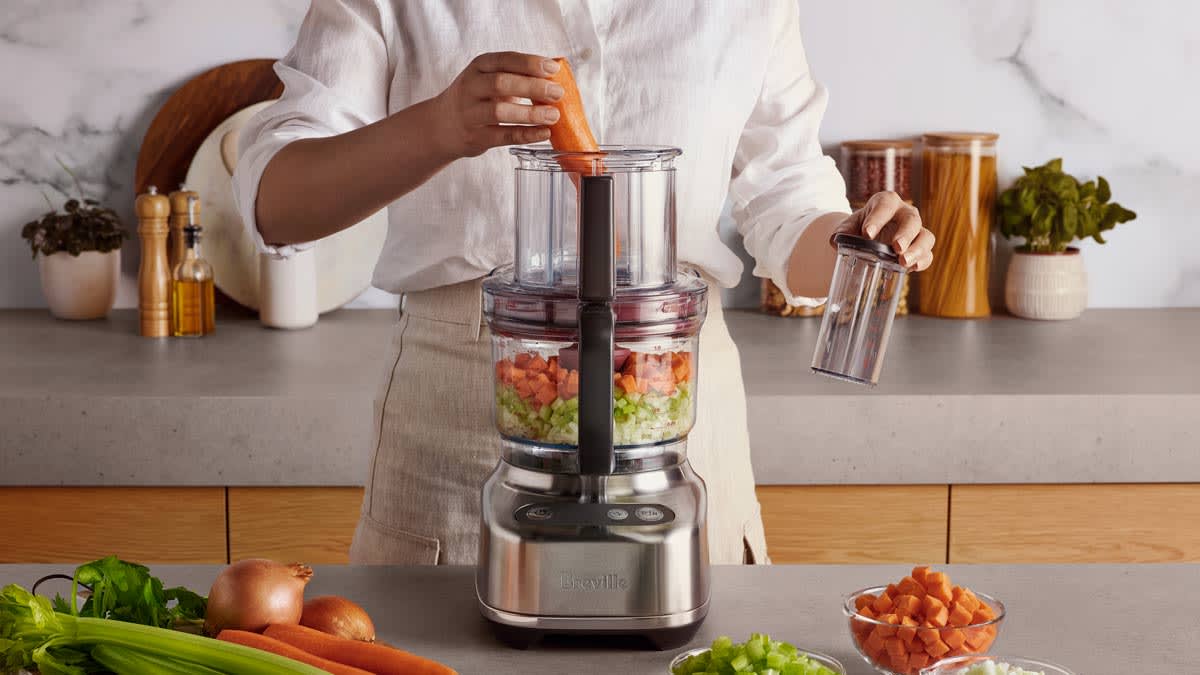
Credit: www.consumerreports.org
Types Of Food Choppers
Food choppers help cut fruits, vegetables, and nuts quickly. They save time and effort in the kitchen.
There are different types of food choppers to fit your needs. Each type works best for certain tasks.
Manual Choppers
Manual choppers use hand power to chop food. They are simple and do not need electricity.
These choppers are good for small jobs. They are easy to clean and store.
- Use a pull cord or push handle
- Best for chopping herbs and small veggies
- Portable and quiet
Electric Choppers
Electric choppers use a motor to chop food quickly. They need to be plugged into power.
These are good for large amounts of food. They can chop, dice, and mince with ease.
- Save time and effort
- Good for vegetables, nuts, and meat
- Some models have multiple blades
Specialty Choppers
Specialty choppers are designed for specific foods or tasks. They offer unique features.
Examples include onion choppers or garlic presses. These tools make certain jobs easier.
- Onion choppers reduce tears
- Garlic presses crush cloves quickly
- Some choppers have adjustable blade sizes
:max_bytes(150000):strip_icc()/faw-cuisinart-core-custom-4-cup-mini-chopper-rkilgore-0136-c435492a20c04a3397c62a3c51257586.jpeg)
Credit: www.foodandwine.com
Key Features To Consider
Choosing the right food chopper makes cooking easier and faster. Look for features that fit your needs and kitchen space.
Good quality, size, cleaning, and safety are important. These features help you get the best use from your chopper.
Blade Quality
Sharp blades cut food quickly and evenly. Stainless steel blades resist rust and stay sharp longer.
Look for blades that are easy to remove. This makes cleaning safer and more efficient.
Capacity And Size
Choose a chopper size that matches your usual cooking. Small capacity is good for quick tasks.
Larger capacity suits bigger meals or batch cooking. Make sure it fits your kitchen storage space.
- Small: good for one or two people
- Medium: fits most family meals
- Large: best for big cooking projects
Ease Of Cleaning
A food chopper with parts that come apart easily is best. Dishwasher-safe pieces save time and effort.
Smooth surfaces prevent food from sticking. This helps keep the chopper clean and hygienic.
Safety Features
Look for choppers with secure lids and non-slip bases. These features stop accidents while you chop.
Some models have safety locks to keep blades covered when not in use. This protects your hands and children.
Material And Durability
Choosing the right material is important for a food chopper. It affects how long the chopper lasts and how well it works.
Durability means the chopper stays strong after many uses. This helps you save money and effort in the long run.
Plastic Vs. Metal
Plastic food choppers are usually lighter and cheaper. They are easy to handle but may not last as long.
Metal choppers are heavier but stronger. They handle tough foods better and resist damage from sharp blades.
- Plastic is light and less expensive
- Plastic can crack or wear out faster
- Metal is durable and sturdy
- Metal resists scratches and dents
- Metal can be heavier to use
Longevity And Maintenance
Food choppers with good materials last longer. Proper care keeps them working well for many years.
Cleaning after each use stops food build-up. Avoid harsh chemicals that can damage the surface or blades.
- Wash parts with warm, soapy water
- Dry completely before storing
- Sharpen blades if they get dull
- Check for cracks or damage regularly
- Store in a dry place to prevent rust
Performance And Efficiency
Choosing a food chopper means thinking about how well it works. Performance and efficiency help you chop food quickly and with less effort.
A good food chopper saves time and gives you even results. These two things are very important when picking the right one.
Chopping Speed
Chopping speed is how fast the chopper cuts food. A faster chopper helps you prepare meals quicker.
Look for choppers with strong motors or sharp blades. These features improve speed and reduce the time you spend chopping.
- Electric choppers usually cut faster than manual ones
- Sharp blades reduce the number of times you need to chop
- Large capacity bowls let you chop more food at once
Consistency Of Results
Consistency means the food pieces are all the same size. This helps your food cook evenly and look good.
Choppers with stable blades and good design give consistent results. Avoid choppers that leave big chunks or uneven cuts.
- Multiple blades improve even chopping
- Clear lids help you see the progress
- Adjustable settings allow different chopping sizes
Budget And Cost Considerations
Choosing a food chopper means thinking about how much you want to spend. You want a tool that fits your budget and works well.
Cost is important because food choppers come in many prices. Knowing your budget helps you pick the right one.
Price Range
Food choppers can cost from very low to quite high. Simple models start around $10 to $20. These are good for light chopping tasks.
Mid-range choppers usually cost between $25 and $50. They offer better blades and more features. High-end models go above $50 and have extra functions.
- Budget models: $10 – $20
- Mid-range models: $25 – $50
- High-end models: $50 and above
Value For Money
Value means getting good quality for the price you pay. A cheap chopper may not last long or work well.
Look for sharp blades, easy cleaning, and strong build. These features help your chopper work better and last longer.
- Sharp blades for quick chopping
- Easy to clean parts
- Durable materials
- Simple to use design

Credit: www.cuisinart.com
Brand Reputation And Reviews
Choosing a food chopper means looking at the brand’s reputation first. A trusted brand often offers better quality and service.
Reading reviews from other buyers helps you understand how the chopper performs in real life. Reviews show common problems and benefits.
Popular Brands
Some brands are known for making good food choppers. These brands usually have many years of experience and good customer support.
- KitchenAid – known for durability and easy use
- Cuisinart – offers a variety of models and sizes
- OXO – praised for ergonomic designs
- Hamilton Beach – budget-friendly and reliable
- Mueller – popular for sharp blades and fast chopping
User Feedback
User feedback shows how well a food chopper works daily. It reveals if the product is easy to clean and safe to use.
Look for reviews that mention performance, noise level, and durability. Also, check if users had problems with parts or service.
- Many users like choppers that save time in the kitchen
- Some users warn about weak lids or small capacity
- Positive reviews often mention sharp blades and smooth operation
- Negative feedback may point out hard cleaning or poor instructions
- Check if users recommend the brand for long-term use
Tips For Choosing The Right Chopper
Choosing the right food chopper can save time and effort in your kitchen. It helps you prepare meals faster and more efficiently.
Consider your needs and try the chopper before buying. This way, you get the best tool for your cooking style.
Assessing Your Needs
Think about what you want to chop most often. Different choppers work better for certain foods.
Also, consider the size and power of the chopper. A small chopper is good for herbs. A larger one can handle vegetables and nuts.
- Decide the types of food you will chop
- Choose size based on how much food you prepare
- Check if you need manual or electric power
- Look for easy cleaning and storage options
Testing Before Purchase
Try the chopper in store if possible. Check how it feels in your hands and how easy it is to use.
Look for smooth operation and strong blades. Make sure the parts fit well and the chopper is stable during use.
- Hold the chopper to test comfort
- Test the chopping action if allowed
- Check blade sharpness and safety features
- Ensure it is easy to assemble and clean
Common Mistakes To Avoid
Choosing the right food chopper can make cooking easier. Many people make mistakes that cause problems later.
Knowing what to avoid helps you pick a chopper that fits your kitchen and needs.
Ignoring Capacity Needs
Many buyers do not think about how much food they will chop. A small chopper can be slow for large meals.
Choose a size that matches your usual cooking amounts. Too small means more work. Too big can waste space.
- Check the bowl size before buying
- Think about how many people you cook for
- Consider if you want to chop large or small amounts
Overlooking Safety
Some food choppers can be dangerous if they do not have safety features. Sharp blades and fast motors need care.
Look for choppers with safety locks and secure lids. This helps prevent accidents in the kitchen.
- Choose models with blade covers or guards
- Check if the chopper stops when the lid opens
- Read user reviews about safety before buying
Frequently Asked Questions
What Factors Should I Consider When Choosing A Food Chopper?
Consider blade quality, motor power, capacity, ease of cleaning, and safety features. These impact performance and convenience. Choose based on your typical chopping needs and kitchen space.
Which Food Chopper Type Is Best For Small Kitchens?
Compact electric food choppers are ideal for small kitchens. They save space, are easy to store, and handle most chopping tasks efficiently.
How Important Is Blade Material In A Food Chopper?
Blade material affects sharpness and durability. Stainless steel blades are rust-resistant and maintain sharpness longer, ensuring consistent chopping results.
Can Food Choppers Handle Tough Ingredients Like Nuts?
Yes, powerful food choppers with strong motors and sharp blades can chop nuts and hard vegetables easily.
Conclusion
Choosing the right food chopper saves time and effort in the kitchen. Think about your needs, budget, and kitchen space first. Check the chopper’s size, blade quality, and ease of cleaning. A good chopper makes food prep quick and safe.
Take your time to compare options before buying. The right tool helps you enjoy cooking more each day. Simple steps lead to better kitchen experiences.