
Handling raw eggs safely is more important than you might think. If you’re not careful, harmful bacteria can sneak into your kitchen and put your health at risk.
But don’t worry—knowing the right steps can keep you and your family safe without making cooking complicated. You’ll discover simple, practical tips to handle raw eggs hygienically every time. Ready to protect your kitchen and enjoy your meals with confidence?
Let’s dive in.

Credit: hopewellheightsblog.com
Choosing Fresh Eggs
Using fresh eggs is important for food safety and taste. Fresh eggs reduce the risk of illness.
Check eggs carefully before buying or using them. This helps keep your food safe and healthy.
Checking Expiry Dates
Always look at the expiry or sell-by date on the egg carton. This date shows how long eggs stay fresh.
Choose eggs with the latest expiry date to ensure freshness. Avoid eggs past this date to stay safe.
Inspecting Eggshells
Look closely at each eggshell before using it. The shell should be clean and free from cracks.
Cracked or dirty shells can let bacteria inside. Do not use eggs with damaged shells.
- Check for cracks or holes
- Make sure shells are clean
- Avoid eggs with sticky or powdery spots
- Fresh eggs feel heavy and firm
Proper Storage Methods
Raw eggs need careful storage to keep them safe. Proper storage helps prevent bacteria growth.
Storing eggs the right way keeps them fresh and reduces the risk of foodborne illness.
Refrigeration Tips
Always keep raw eggs in the refrigerator. Cold temperatures slow down bacteria growth.
Store eggs in their original carton to protect them from strong odors and moisture.
- Place eggs on a middle or lower shelf, not on the door.
- Keep the refrigerator temperature at or below 40°F (4°C).
- Do not wash eggs before storing; it can remove their natural coating.
Avoiding Cross-contamination
Keep raw eggs away from other foods to stop bacteria from spreading. Use separate containers if needed.
Clean surfaces and hands after handling raw eggs to prevent germs from spreading.
- Use different utensils for raw eggs and ready-to-eat foods.
- Wash cutting boards and counters with hot, soapy water.
- Always wash your hands thoroughly after touching raw eggs.
Handling And Cracking Eggs
Handling raw eggs carefully keeps food safe. Cracking eggs the right way avoids germs.
Clean habits stop bacteria from spreading. Learn how to handle eggs hygienically.
Washing Hands
Wash hands with soap before and after touching eggs. This removes harmful bacteria.
Use warm water and scrub for at least 20 seconds. Dry hands with a clean towel.
- Wash hands before cracking eggs
- Wash hands after handling eggshells
- Use soap and warm water
- Dry hands with a clean towel
Using Clean Utensils
Always use clean bowls and utensils when cracking eggs. Dirty tools carry germs.
Wash all equipment with hot water and soap. Rinse well before use.
- Use a clean bowl for each egg batch
- Wash knives and spoons after use
- Do not reuse dirty utensils
- Keep work surfaces clean

Credit: www.australianeggs.org.au
Cooking Eggs Safely
Raw eggs can carry bacteria that cause illness. Cooking eggs properly kills harmful germs.
It is important to handle eggs with care and cook them to safe temperatures.
Recommended Cooking Temperatures
Cook eggs until both the yolk and white are firm. This ensures safety.
The safe internal temperature for cooked eggs is 160°F (71°C). Use a food thermometer to check.
- Scrambled eggs: cook until firm, not runny
- Fried eggs: cook yolk until firm or use pasteurized eggs for runny yolks
- Omelets: cook until no liquid egg remains
- Egg casseroles: cook to 160°F (71°C)
Avoiding Undercooked Eggs
Do not eat eggs with runny yolks or whites unless they are pasteurized.
Use fresh eggs and store them properly to reduce risk. Discard cracked or dirty eggs.
- Cook eggs fully to kill bacteria
- Use pasteurized eggs for recipes needing raw eggs
- Wash hands and surfaces after handling raw eggs
- Avoid recipes with raw or lightly cooked eggs for children, elderly, or sick people
Safe Disposal Of Eggshells
Eggshells can carry bacteria that cause illness. It is important to dispose of them safely to keep your kitchen clean.
Proper disposal helps prevent pests and bad smells. It also protects people and pets from germs.
Sealing In Bags
Put eggshells in a small bag before throwing them away. This keeps germs and smells inside the bag.
Use a sealed plastic or compostable bag. Tie or close the bag tightly to stop leaks.
- Use clean bags to avoid extra bacteria
- Seal bags well to trap smells
- Dispose of bags in outdoor trash bins
- Wash your hands after handling eggshells
Composting Considerations
Eggshells can be added to compost if done right. They add calcium and minerals to the soil.
Crush eggshells into small pieces before composting. This helps them break down faster and stops pests.
- Avoid adding eggshells if compost smells bad
- Mix eggshells well with other compost materials
- Keep compost moist and turn it often
- Do not compost eggshells if you have pets that might dig
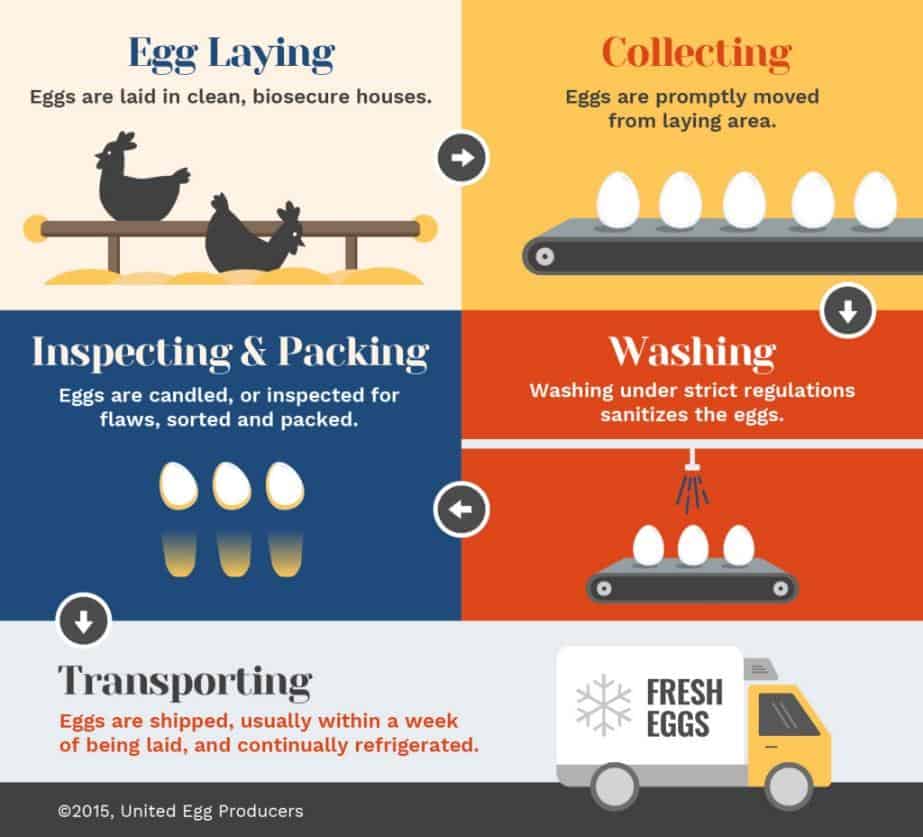
Credit: foodsafetyworks.com
Preventing Foodborne Illness
Raw eggs can carry harmful bacteria like Salmonella. These bacteria cause foodborne illness. Handling eggs safely lowers this risk.
Keep eggs clean and store them properly. Wash hands and surfaces after touching raw eggs. Cook eggs until both yolk and white are firm.
Recognizing Symptoms
Foodborne illness from raw eggs can cause stomach pain and diarrhea. You might also feel tired or have a fever.
Symptoms usually start within 6 to 48 hours after eating bad eggs. Some people get nausea, vomiting, or headache.
- Stomach cramps or pain
- Diarrhea or loose stools
- Fever and chills
- Nausea or vomiting
- Headache and weakness
When To Seek Medical Help
See a doctor if symptoms last more than two days. Also seek help if you have a high fever or severe dehydration.
Young children, elderly people, and pregnant women should get medical care quickly after symptoms start.
- Symptoms lasting over 48 hours
- High fever above 101.5°F (38.6°C)
- Blood in stools or vomit
- Signs of dehydration (dry mouth, dizziness)
- Severe abdominal pain
Frequently Asked Questions
How Can I Safely Handle Raw Eggs At Home?
Always wash your hands before and after handling raw eggs. Use clean utensils and surfaces. Avoid cross-contamination by keeping eggs separate from other foods.
What Are The Risks Of Consuming Raw Eggs?
Raw eggs may contain Salmonella bacteria, causing food poisoning. Symptoms include stomach cramps, diarrhea, and fever. Cooking eggs thoroughly kills harmful bacteria and reduces risk.
How Should I Store Raw Eggs Hygienically?
Keep eggs refrigerated at or below 40°F (4°C). Store eggs in their original carton to protect from odors. Use eggs within the expiration date for safety.
Can I Use Raw Eggs In Recipes Safely?
Use pasteurized eggs for recipes requiring raw eggs, like dressings or desserts. Pasteurized eggs are heat-treated to kill bacteria while maintaining freshness and texture.
Conclusion
Handling raw eggs carefully keeps you and your family safe. Always wash your hands before and after touching eggs. Use clean bowls and utensils to avoid germs. Store eggs in the fridge to keep them fresh longer. Avoid eating raw eggs to prevent sickness.
Small steps make a big difference in hygiene. Stay alert and follow these tips every time. Safe egg handling protects your health and food quality. Simple habits help you enjoy meals without worry. Keep these easy rules in mind for better kitchen safety.