
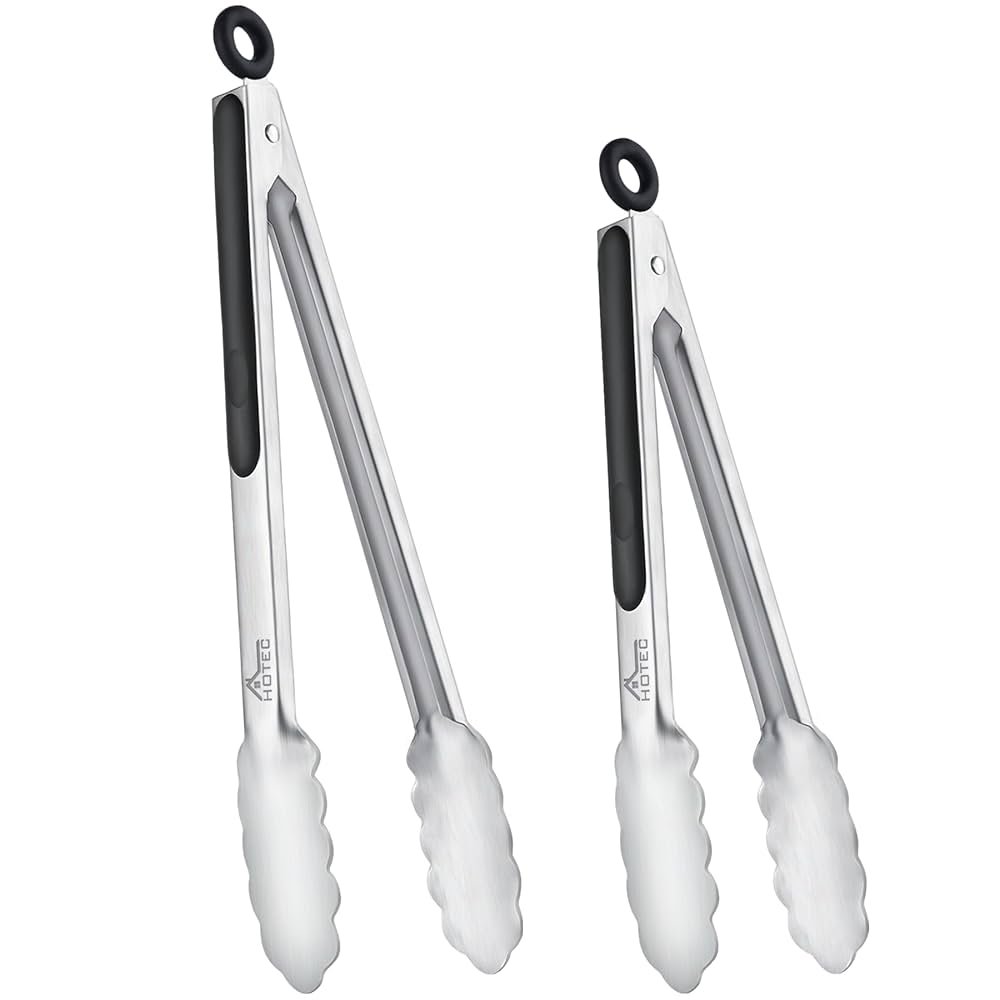
Your kitchen tongs set is one of those simple tools that makes cooking easier and more enjoyable. But if you don’t take care of them properly, they can wear out, lose grip, or even become unsafe to use.
Imagine grabbing your favorite tongs only to find them sticky, rusty, or bent out of shape. Frustrating, right? Keeping your tongs in top shape doesn’t have to be a chore. You’ll learn easy and effective ways to maintain your kitchen tongs set so they last longer and work perfectly every time you need them.
Ready to keep your cooking tools in prime condition? Let’s dive in!
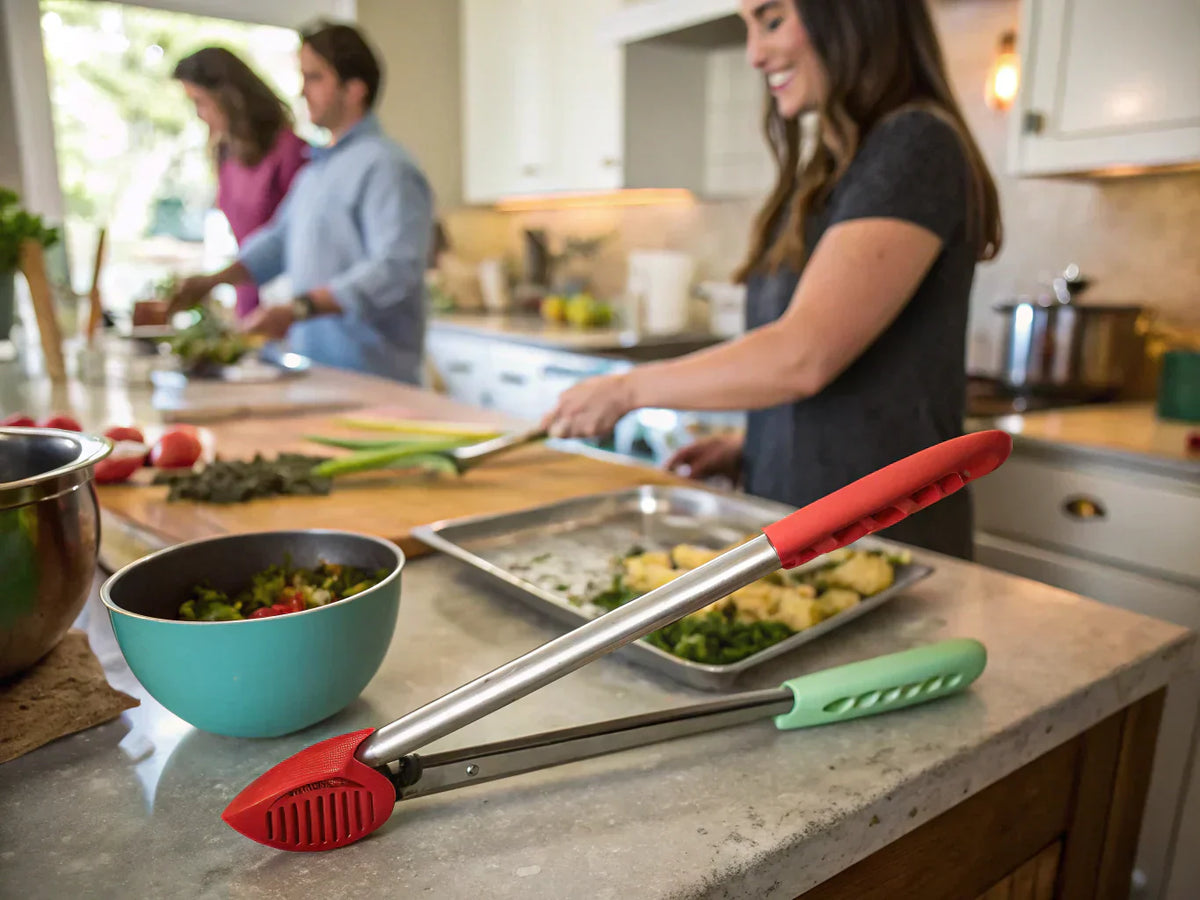
Credit: www.dioro.com
Choosing The Right Kitchen Tongs
Choosing the right kitchen tongs makes cooking easier. Good tongs help you handle food safely and cleanly.
Pick tongs that fit your cooking style and needs. Consider the materials and size before buying.
Material Considerations
Kitchen tongs come in many materials like stainless steel, silicone, and plastic. Each material has its own benefits.
Stainless steel tongs are strong and last long. Silicone tips protect non-stick pans from scratches. Plastic tongs are light but can melt if near heat.
- Stainless steel: durable and heat-resistant
- Silicone: safe for non-stick cookware
- Plastic: lightweight but less heat safe
Size And Design
Choose tongs that fit your hand and cooking tasks. Long tongs keep your hands safe from heat.
Look for a comfortable grip and a locking mechanism for easy storage. Some tongs have scalloped edges for better food grip.
- Length: 9 to 12 inches for most cooking
- Grip: non-slip handles are easier to hold
- Lock: helps save space in drawers
- Tip design: scalloped edges grip food well
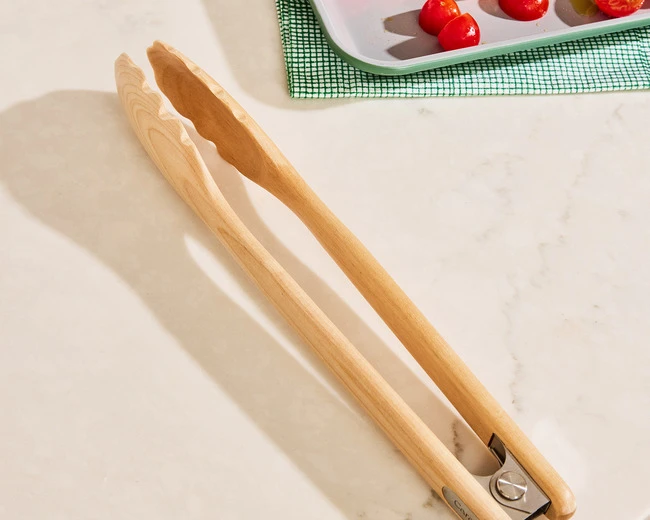
Credit: www.carawayhome.com
Proper Cleaning Techniques
Keeping your kitchen tongs clean helps them last longer. It also keeps your food safe.
Using the right cleaning methods removes germs and food bits. Let’s explore how to clean tongs well.
Handwashing Vs. Dishwasher
Handwashing tongs lets you clean them gently. It works well for delicate or wooden handles.
Dishwashers clean tongs fast and use hot water. Some tongs may get damaged if not dishwasher safe.
- Handwash with warm, soapy water
- Use a soft brush or sponge
- Rinse well with clean water
- Check if your tongs are dishwasher safe
- Place tongs securely in the dishwasher
- Use a normal wash cycle for metal tongs
Removing Food Residues
Food bits can stick to your tongs after cooking. Removing these bits stops bacteria growth.
Soak tongs in warm water first. This softens stuck-on food and makes cleaning easier.
- Fill a bowl with warm, soapy water
- Soak tongs for 5-10 minutes
- Use a brush to scrub hard-to-reach areas
- Pay special attention to joints and edges
- Rinse thoroughly before drying
Drying And Storage Tips
Keeping your kitchen tongs clean and dry helps them last longer. Proper drying and storing prevent damage and germs.
Follow simple steps to avoid moisture and store your tongs safely. This keeps them ready for your next cooking task.
Avoiding Moisture Retention
Moisture can cause rust and bacteria on metal tongs. Always dry them completely after washing.
Use a clean towel or air dry the tongs in a dish rack. Do not store them while wet or damp.
- Wipe with a dry cloth after washing
- Let tongs air dry on a rack
- Check joints and handles for trapped water
- Avoid putting tongs away while still wet
Optimal Storage Solutions
Store your kitchen tongs in a dry, clean place. Proper storage keeps them safe from damage.
Use hooks, drawers, or utensil holders designed for kitchen tools. This helps keep your tongs organized.
- Hang tongs on a hook to avoid moisture buildup
- Keep tongs in a utensil holder with good airflow
- Store in a dry drawer with other cooking tools
- Separate tongs from sharp objects to prevent damage
Regular Maintenance Checks
Keeping your kitchen tongs in good shape needs regular checks. These checks help your tongs last longer.
Simple inspections can stop small problems from getting big. Check often to keep your tongs working well.
Inspecting For Damage
Look at your tongs carefully for any cracks or bends. Damage can make them unsafe to use.
Check the tips and handles for wear or rust. Damaged parts can cause food to slip or hurt your hand.
- Look for cracks on the metal arms
- Check if the tips are bent or loose
- Watch for rust spots or peeling coating
- Feel the handles for cracks or breaks
Ensuring Proper Functionality
Test your tongs to make sure they open and close smoothly. They should grip food firmly without slipping.
Check the locking mechanism if your tongs have one. It should lock and unlock easily without sticking.
- Open and close tongs several times
- Make sure tips meet evenly for a good grip
- Test locking clip for easy use
- Listen for unusual noises like squeaks or clicks
Special Care For Specialty Tongs
Specialty tongs need extra care to last longer. They often have unique materials or designs.
Proper handling keeps them safe and working well for many uses.
Handling Non-stick Surfaces
Non-stick tongs have coatings that can scratch easily. Avoid using metal or sharp objects with them.
Use soft materials like silicone or nylon to protect the coating. Clean gently with mild soap and a soft sponge.
- Do not use abrasive scrubbers
- Wash by hand, avoid the dishwasher
- Dry tongs completely before storing
Maintaining Bbq Tongs
BBQ tongs face heat and grease often. Clean them soon after use to stop rust and buildup.
Check for loose handles or joints. Tighten screws or bolts to keep the tongs sturdy and safe.
- Scrub with warm, soapy water after use
- Use a wire brush for stuck-on food
- Oil metal parts lightly to stop rust
- Store in a dry place, away from moisture
Extending The Lifespan
Kitchen tongs are useful tools for cooking and serving food. Taking care of them helps them last longer.
Proper maintenance keeps tongs clean and working well. This saves money and reduces waste.
Avoiding Common Mistakes
Many people make simple errors that damage their tongs. Avoiding these mistakes helps protect your tools.
One mistake is leaving tongs wet after washing. Water can cause rust or damage the metal parts.
- Do not use harsh cleaners or steel wool that scratch the surface.
- Avoid bending the tongs too far; this can weaken the joint.
- Do not put tongs with wooden handles in the dishwasher.
- Store tongs in a dry place away from heavy objects.
Tips For Heavy-duty Use
Heavy-duty use needs stronger care. This keeps your tongs working well even with tough jobs.
Check your tongs often for signs of wear. Tighten screws or replace parts if needed to keep them safe.
- Use tongs that match the size and strength needed for your tasks.
- Clean tongs immediately after use to stop food from hardening.
- Apply a small amount of food-safe oil on metal joints to keep them moving smoothly.
- Inspect the grip pads and replace them if they wear out.

Credit: www.youtube.com
Frequently Asked Questions
How Often Should I Clean Kitchen Tongs?
Clean kitchen tongs after every use to prevent bacteria buildup. Use warm soapy water or dishwasher if safe. Regular cleaning maintains hygiene and extends their lifespan.
What Is The Best Way To Dry Kitchen Tongs?
Dry kitchen tongs immediately after washing to avoid rust. Use a clean towel or air dry them completely. Proper drying prevents moisture damage and keeps tongs in good condition.
Can Kitchen Tongs Be Sanitized In A Dishwasher?
Most stainless steel tongs are dishwasher safe and sanitize well. Check manufacturer instructions to ensure safety. Dishwashers use high heat, effectively killing germs and bacteria.
How Do I Remove Stuck Food From Kitchen Tongs?
Soak tongs in warm soapy water for 10 minutes. Use a soft brush or sponge to scrub off residue gently. Avoid abrasive tools to prevent damaging the surface.
Conclusion
Proper care keeps your kitchen tongs working well for years. Clean them right after use to avoid stains and rust. Store them in a dry place to keep them safe. Check for any damage before each use. Regular maintenance saves money and time.
Simple steps make your cooking easier and safer. Keep your tongs ready for every meal. Small effort brings big benefits in the kitchen. Easy to do, worth the time.