
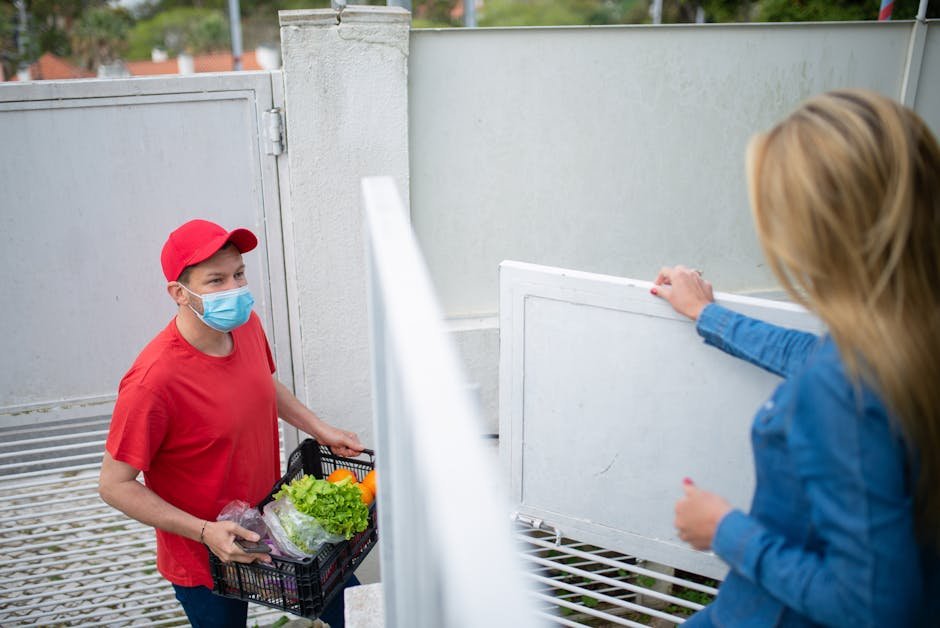
Are you worried about keeping your fruits and vegetables safe and fresh? Cross-contamination can quietly spoil your healthy meals and even cause illness.
But don’t worry—knowing a few simple steps can protect your food and your family. You’ll discover easy, practical ways to prevent cross-contamination every time you prepare fruits and vegetables. Keep reading to make your kitchen a safer place and enjoy your meals with confidence!
Importance Of Preventing Cross-contamination
Cross-contamination happens when harmful germs spread from one food to another. Fruits and vegetables can carry bacteria that cause illness.
Stopping cross-contamination keeps your food safe and healthy. It helps prevent food poisoning and sickness.
Keep Fruits And Vegetables Separate From Raw Foods
Raw meat, poultry, and seafood have germs that can infect fruits and vegetables. Always store them apart to avoid spreading bacteria.
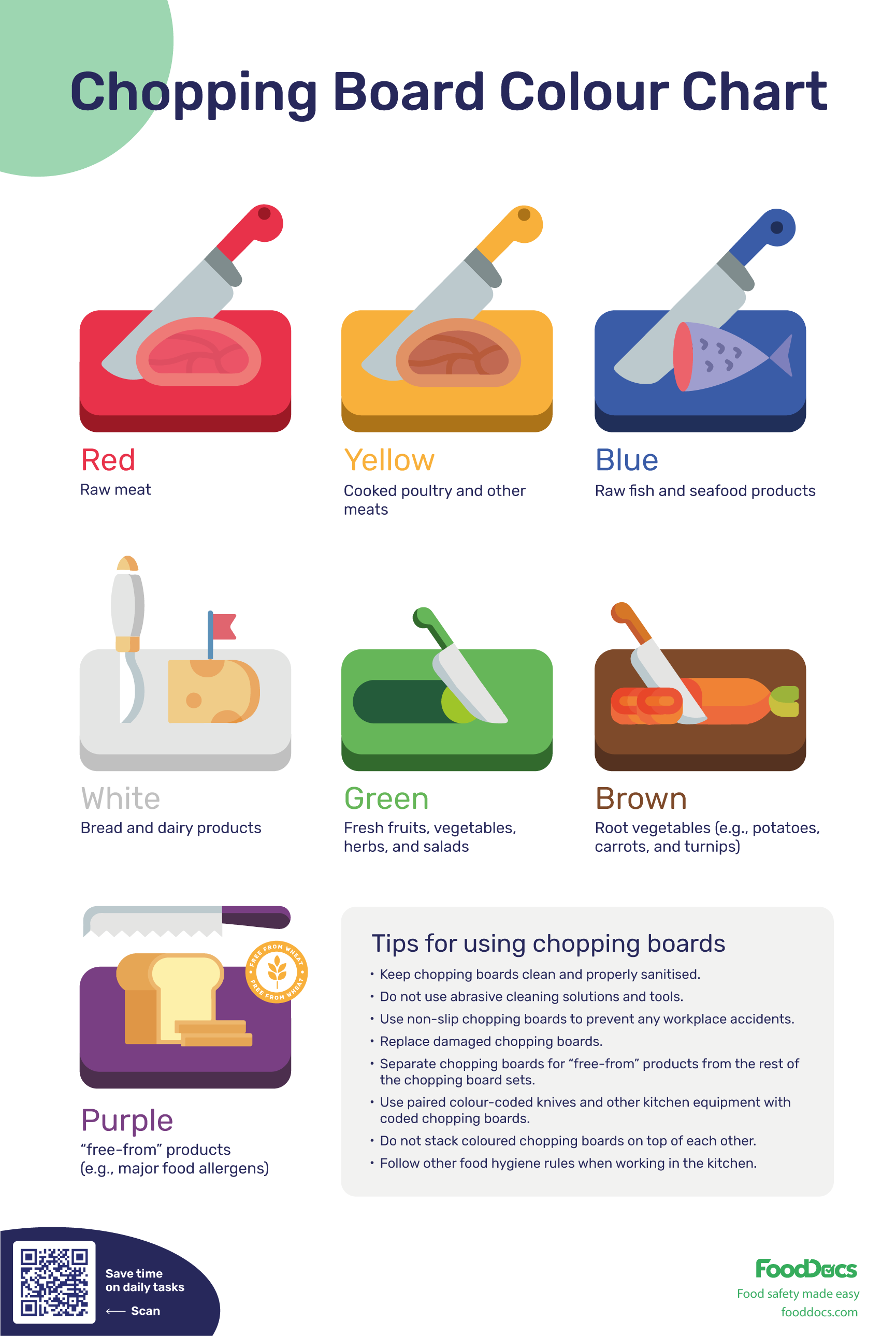
Use different cutting boards and knives for raw foods and produce. This practice lowers the risk of cross-contamination.
Wash Hands And Surfaces Often
Clean hands stop germs from moving to fruits and vegetables. Wash your hands with soap before handling food.
Also, wash countertops, cutting boards, and utensils with hot soapy water. This removes bacteria that can spread to produce.
Store Fruits And Vegetables Properly
Keep fruits and vegetables in clean containers or bags. Store them in the refrigerator or a cool place to slow bacteria growth.
- Use separate shelves for produce and raw meat
- Check for damaged or spoiled items daily
- Clean storage areas regularly to prevent germs
Rinse Fruits And Vegetables Before Use
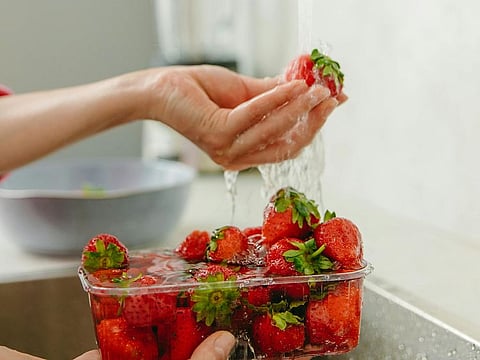
Rinse produce under running water to remove dirt and germs. Do this right before you eat or cook them.
Do not use soap or bleach on fruits and vegetables. Water is enough to clean them safely.
Use Clean Tools And Equipment
Always wash knives, peelers, and cutting boards before using them with fruits and vegetables. Dirty tools can spread germs quickly.
Replace old or cracked cutting boards. Bacteria can hide in cracks and cause cross-contamination.
Credit: gulfnews.com
Understanding Cross-contamination
Cross-contamination happens when harmful germs spread from one food to another. It can cause foodborne illnesses.
Fruits and vegetables can carry bacteria if they touch raw meat or dirty surfaces. Knowing how cross-contamination works helps keep food safe.
What Is Cross-contamination?
Cross-contamination is the transfer of bacteria or viruses from one food to another. It often happens through hands, utensils, or cutting boards.
This can make fruits and vegetables unsafe to eat. Germs from raw meat or unclean surfaces can spread easily.
Sources Of Cross-contamination
Cross-contamination comes from many places in the kitchen. Raw meat, dirty hands, and unwashed tools are common sources.
- Raw meat and poultry juices
- Dirty knives and cutting boards
- Unwashed hands
- Contaminated kitchen surfaces
How Germs Spread To Fruits And Vegetables
Germs spread when fruits touch raw meat or dirty tools. Washing hands poorly can also spread bacteria.
Using the same cutting board for meat and vegetables without cleaning can cause cross-contamination.
Why Preventing Cross-contamination Is Important
Preventing cross-contamination keeps food safe and healthy. It helps avoid food poisoning and illness.
Safe food handling protects your family and guests from harmful germs.
Common Sources Of Contamination
Fruits and vegetables can get contaminated easily. It is important to know where contamination comes from.
Knowing common sources helps keep your food safe and healthy to eat.
Contaminated Surfaces
Surfaces like cutting boards, countertops, and knives can carry germs. These germs spread to fruits and vegetables.
Not cleaning surfaces well causes cross-contamination. Bacteria from raw meat or dirt can transfer to fresh produce.
- Use separate boards for meat and produce
- Clean surfaces with soap and hot water after use
- Sanitize cutting tools regularly
Improper Food Handling
Touching fruits and vegetables with dirty hands spreads germs. Handling food without washing hands is risky.
Using the same gloves or tools for raw and ready-to-eat food causes contamination.
- Wash hands before and after handling food
- Use clean utensils for different foods
- Change gloves between tasks
Inadequate Storage Practices
Storing fruits and vegetables near raw meat or unclean items risks contamination. Temperature also matters.
Improper storage allows bacteria to grow and spread to fresh produce.
- Keep fruits and vegetables separate from raw meat
- Store produce in clean containers or bags
- Refrigerate perishable items promptly
Credit: www.fooddocs.com
Safe Handling Of Produce
Fruits and vegetables can carry germs that cause illness. Safe handling helps stop these germs from spreading.
Using clean tools and washing produce properly keeps food safe to eat. Follow simple steps to avoid cross-contamination.
Washing Techniques
Wash fruits and vegetables under cold running water before eating or cooking. This removes dirt and some germs.
Use a brush for firm produce like potatoes or melons. Avoid soap or bleach on food items.
- Rinse all surfaces of the produce
- Use clean hands while washing
- Dry with a clean cloth or paper towel
Using Separate Cutting Boards
Use different cutting boards for fruits, vegetables, and raw meats. This stops germs from spreading.
Label or color-code boards to keep them separate. Clean boards well after each use.
- Use green boards for vegetables and fruits
- Use red boards for raw meat
- Wash boards with hot, soapy water
- Sanitize boards regularly
Proper Use Of Utensils
Use clean knives and utensils for handling produce. Do not share utensils between raw meat and vegetables without cleaning.
Wash utensils with hot water and soap after each use. Store them in a clean place to avoid germs.
- Use separate knives for raw meat and produce
- Clean utensils before switching foods
- Dry utensils with a clean towel or air dry
Storing Fruits And Vegetables
Proper storage of fruits and vegetables helps keep them fresh and safe. It also prevents harmful bacteria from spreading.
Storing produce correctly can reduce waste and protect your health by avoiding cross-contamination.
Refrigeration Guidelines
Most fruits and vegetables last longer when kept in the fridge. Keep the temperature between 32°F and 40°F (0°C – 4°C).
Do not wash produce before storing it in the refrigerator. Moisture can cause mold and spoilage.
- Store leafy greens in perforated plastic bags to keep air flowing.
- Keep fruits like apples and berries in separate containers.
- Use the crisper drawer to control humidity for different types of produce.
Separate Storage For Different Types
Keep fruits and vegetables separate to stop germs from spreading. Some fruits release gases that spoil vegetables faster.
Store strong-smelling produce away from mild ones. This keeps flavors and smells from mixing.
- Keep fruits like apples, bananas, and tomatoes separate from vegetables.
- Store root vegetables like potatoes and onions in a cool, dark, dry place outside the fridge.
- Use different containers or shelves for fruits and vegetables in the fridge.
Shopping Tips For Safe Produce
Fruits and vegetables can carry germs that cause illness. Buying safe produce helps keep your family healthy.
Follow these tips to prevent cross-contamination while shopping for fresh fruits and vegetables.
Choosing Fresh Produce
Pick fruits and vegetables that look clean and fresh. Fresh produce has fewer bacteria and lasts longer at home.
Look for bright colors and firm textures. Avoid items that seem soft or shriveled.
- Check for vibrant color without dark spots
- Choose firm fruits and vegetables, not soft or mushy
- Smell the produce; fresh items have a pleasant scent
- Pick items without a slimy or wet feel
Avoiding Damaged Items
Damaged fruits and vegetables can let in bacteria and dirt. Avoid cuts, bruises, or broken skin on produce.
Check each piece carefully. Damaged produce spoils faster and can spread germs to other items.
- Do not buy fruits or vegetables with cuts or bruises
- Avoid produce with mold spots or dark blemishes
- Skip items with cracked or broken skin
- Choose whole and intact produce to reduce contamination risk
Cleaning And Sanitizing Practices
Cross-contamination happens when harmful germs spread from one food to another. Fruits and vegetables can carry bacteria if not cleaned well.
Good cleaning and sanitizing stop germs and keep food safe to eat. These practices help protect your health.
Effective Sanitizing Solutions
Use safe sanitizing solutions to clean fruits and vegetables. Water alone may not remove all germs.
Common sanitizers include diluted vinegar or baking soda mixed with water. These help reduce bacteria and dirt.
- Mix 1 cup white vinegar with 3 cups water for a natural sanitizer
- Use baking soda solution by mixing 1 teaspoon in 2 cups water
- Rinse fruits and vegetables well after soaking in sanitizer
Regular Kitchen Cleaning
Keep your kitchen clean to avoid cross-contamination. Clean surfaces and tools often.
Wipe counters, cutting boards, and knives with hot soapy water. Sanitize them regularly to kill germs.
- Wash hands before and after handling fruits and vegetables
- Use separate cutting boards for produce and raw meat
- Clean sinks and sponges daily to prevent bacteria build-up

Credit: www.fsis.usda.gov
Educating Household Members
Preventing cross-contamination of fruits and vegetables keeps your family safe. Teaching safe habits at home lowers the risk of foodborne illness.
Everyone in the household should learn how to handle produce properly. Simple actions make a big difference in food safety.
Training On Safe Practices
Show household members how to wash fruits and vegetables well. Use clean water to rinse away dirt and germs.
Explain why it is important to use separate cutting boards and knives. This stops germs from spreading between foods.
- Always wash hands before and after handling produce
- Clean fruits and vegetables under running water
- Use different tools for raw meat and produce
- Store fruits and vegetables separately from raw meat
Encouraging Awareness
Remind family members to be careful with food safety every day. Awareness helps avoid careless mistakes.
Talk about the dangers of cross-contamination and how germs spread. This builds good habits over time.
- Discuss food safety during meal prep
- Post simple safety tips in the kitchen
- Encourage questions about food handling
- Lead by example with clean and safe habits
Addressing Common Myths
Many people have wrong ideas about how to keep fruits and vegetables safe. These myths can cause mistakes that lead to cross-contamination.
Knowing the truth helps you clean and handle produce better. This keeps your food fresh and safe to eat.
Organic Produce Misconceptions
Some believe organic fruits and vegetables do not need washing. They think organic means free from germs.
Organic produce can still have dirt and bacteria. Washing is important to remove any harmful germs.
- Organic means no synthetic pesticides, not no germs.
- Soil and handling can leave bacteria on organic produce.
- Always wash all fruits and vegetables before eating.
Beliefs About Natural Cleaning
Many people trust natural cleaning methods, like vinegar or lemon juice, to clean produce. They believe these are enough to kill germs.
Natural cleaners can reduce some bacteria but do not remove all germs. Using clean water and proper washing is safer.
- Rinse fruits and vegetables under running water.
- Use a brush on firm produce to remove dirt.
- Natural cleaners help but cannot replace washing well.
Frequently Asked Questions
How Can I Avoid Cross-contamination In Fruits And Vegetables?
Always wash fruits and vegetables separately with clean water. Use different cutting boards and utensils for raw and ready-to-eat produce. Store them separately in the refrigerator to prevent bacteria transfer.
What Cleaning Methods Prevent Contamination On Produce?
Rinse fruits and vegetables under running water. Use a vegetable brush for firm produce. Avoid soap or bleach as they can be harmful. Dry with a clean cloth or paper towel.
Why Separate Storage Matters For Fruits And Vegetables?
Separate storage prevents bacteria from raw foods spreading to ready-to-eat produce. Store fruits and vegetables in clean containers or drawers. Keep raw meat away to reduce contamination risk.
Can Cutting Boards Cause Cross-contamination?
Yes, cutting boards can transfer bacteria between foods. Use separate boards for fruits, vegetables, and raw meat. Clean boards thoroughly with hot, soapy water after each use.
Conclusion
Preventing cross-contamination keeps fruits and vegetables safe to eat. Always wash hands before handling food. Use separate cutting boards for raw and fresh produce. Clean knives and surfaces often to stop germs. Store fruits and veggies apart from raw meat.
These small steps protect your health every day. Safe food habits help prevent illness at home. Stay careful and enjoy fresh, healthy meals.