
You open your fridge every day, trusting that the food inside is safe to eat. But did you know that cross-contamination could be hiding in plain sight, turning fresh ingredients into a health risk?
If you want to protect your family and keep your meals safe, understanding how to prevent cross-contamination in your fridge is key. You’ll discover simple yet powerful steps you can take right now to stop harmful bacteria from spreading. Keep reading, because these easy tips could save you from a nasty foodborne illness.
Organizing Your Fridge
Keeping your fridge organized helps stop germs from spreading. It also keeps food fresh longer.
Proper organization can reduce the chance of cross-contamination in your fridge. This keeps your family safe.
Storage Zones
Your fridge has different zones with different temperatures. Use these zones to store food safely.
Keep raw meat on the bottom shelf to stop drips from contaminating other foods. Store ready-to-eat foods higher up.
- Bottom shelf: Raw meat, poultry, and fish
- Middle shelves: Dairy products and leftovers
- Top shelves: Ready-to-eat foods and drinks
- Fridge door: Condiments and sauces
- Crisper drawers: Fruits and vegetables
Labeling Containers
Labeling helps you know what is inside each container. It also shows when the food was stored.
Use clear labels with the food name and date. This helps you use food before it goes bad.
- Write the food name clearly
- Include the date you stored the food
- Use waterproof labels or masking tape
- Replace labels if they get dirty or wet
:max_bytes(150000):strip_icc()/The-Food-Storage-Mistake-Youre-Probably-Making-Right-Now-be9c55747b09481490ea6338d6fca4fb.jpg)
Credit: www.eatingwell.com
Proper Food Storage
Keeping food safe in your fridge helps stop germs from spreading. Proper storage lowers the risk of cross-contamination.
Organize your fridge so foods do not touch or drip onto each other. This keeps harmful bacteria away.
Raw Meat And Seafood
Store raw meat and seafood separately from other foods. Keep them in sealed containers to avoid leaks.
Place these items on the lowest shelf. This stops their juices from dripping onto other foods below.
- Use airtight containers or sealed plastic bags
- Label packages with the date
- Keep raw meat and seafood on the bottom shelf
- Clean spills immediately
Dairy Products
Keep dairy products in their original containers. Store them on shelves, not in the fridge door, for a stable temperature.
Avoid placing dairy near raw meat or seafood. This helps prevent bacteria from spreading.
- Store milk, cheese, and yogurt on middle or upper shelves
- Keep containers tightly closed
- Check expiration dates regularly
Fruits And Vegetables
Wash fruits and vegetables before storing them. Use the fridge drawers designed for produce to keep them fresh.
Do not store fruits and vegetables near raw meat or seafood. This reduces the chance of contamination.
- Keep produce in clean, dry drawers or containers
- Separate fruits and vegetables if needed
- Remove spoiled items quickly
Temperature Control
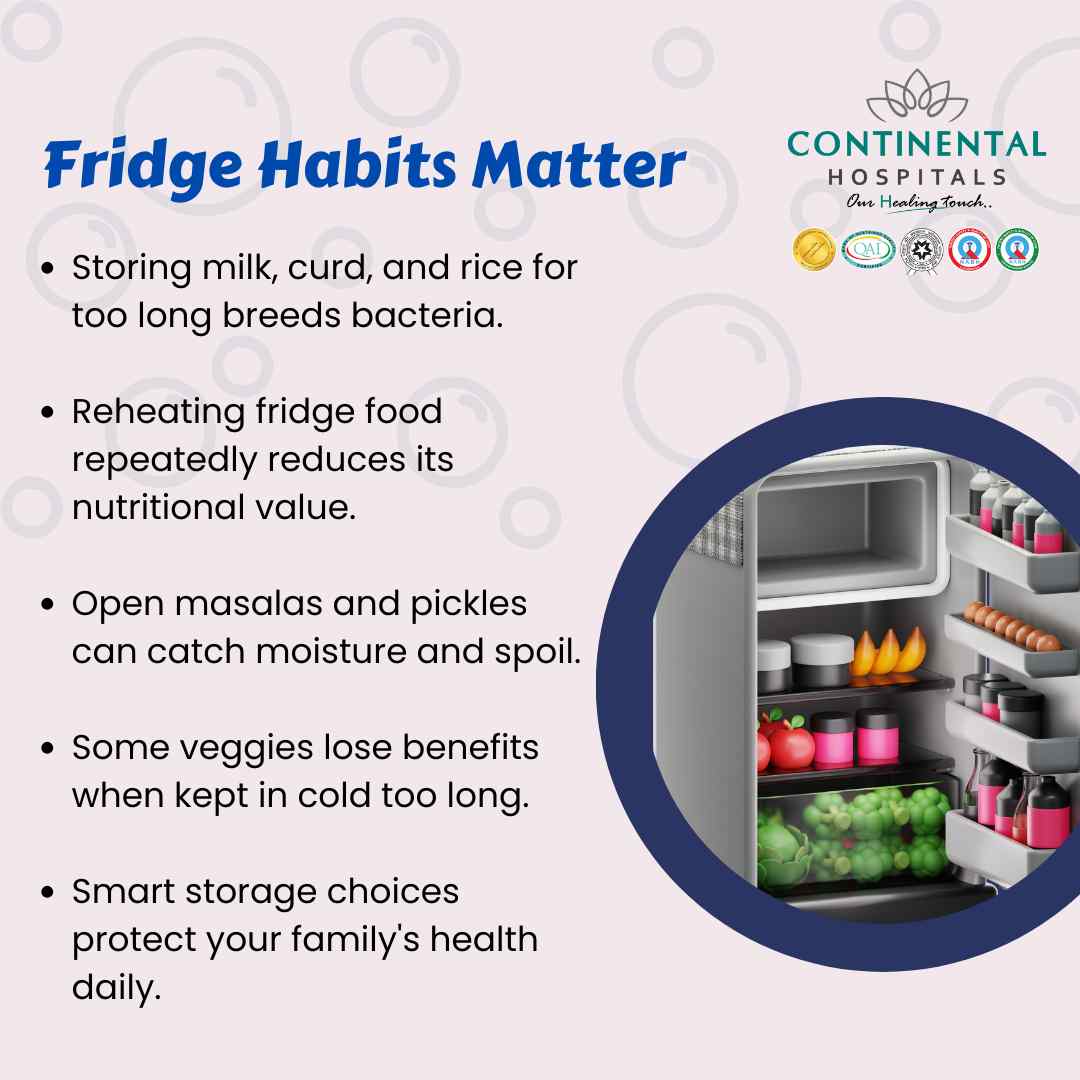
Keeping the fridge at the right temperature helps stop bacteria from growing. This prevents food from spoiling and lowers the risk of cross-contamination.
Good temperature control keeps food safe and fresh for longer. It is a key step in preventing germs from spreading inside the fridge.
Ideal Fridge Temperature
The fridge should be set to the right temperature to keep food safe. The ideal temperature slows down bacteria growth and keeps food fresh.
Most experts say the fridge should stay at or below 40°F (4°C). This temperature helps stop harmful bacteria from multiplying.
- Set fridge temperature at 37°F to 40°F (3°C to 4°C)
- Keep freezer at 0°F (-18°C) or below
- Avoid placing hot food directly in the fridge
Regular Temperature Checks
Check the fridge temperature often to make sure it stays in the safe range. This helps catch problems early before food spoils.
Use a fridge thermometer to get an accurate reading. Write down the temperature to track any changes over time.
- Place the thermometer in the middle shelf
- Check temperature at least once a week
- Adjust fridge settings if temperature is too high
- Clean the fridge regularly to keep it working well
Credit: continentalhospitals.com
Cleaning Practices
Keeping your fridge clean stops germs from spreading to food. Clean fridges help keep food safe and fresh.
Regular cleaning removes spills and dirt that cause cross-contamination. This keeps bacteria from growing inside your fridge.
Regular Cleaning Schedule
Clean your fridge at least once a week to stop germs from building up. Wipe spills right away to prevent bacteria.
Check for expired food and throw it away. Clean shelves, drawers, and door seals carefully each time.
- Wipe spills immediately
- Clean fridge weekly
- Remove expired food
- Clean shelves and drawers
- Dry all surfaces before restocking
Safe Cleaning Products
Use mild cleaning products that are safe for food areas. Avoid harsh chemicals that can leave harmful residues.
Soap and warm water work well. You can also use a solution of vinegar and water to clean and kill bacteria.
- Mild dish soap with warm water
- Vinegar and water mix (1:1 ratio)
- Baking soda paste for tough stains
- Soft cloth or sponge for wiping
- Avoid bleach or strong chemicals
Safe Food Handling
Keeping food safe in the fridge helps prevent illness. Cross-contamination is a common cause of foodborne sickness.
Safe food handling stops germs from spreading between foods and surfaces. Follow simple rules to keep your fridge clean and safe.
Washing Hands
Clean hands stop germs from spreading to food. Always wash your hands before touching food or the fridge.
Use soap and warm water. Rub your hands for 20 seconds, then rinse and dry with a clean towel.
- Wash before handling raw meat, fish, or vegetables
- Wash after touching raw foods or trash
- Wash after sneezing, coughing, or using the restroom
Using Separate Utensils
Use different utensils for raw and cooked foods. This stops bacteria from raw food spreading to ready-to-eat items.
Keep cutting boards, knives, and plates separate for meat, vegetables, and cooked food.
- Label utensils for raw or cooked use
- Wash utensils thoroughly after each use
- Store utensils in clean, dry places
Monitoring Expiry Dates
Keeping track of expiry dates helps stop food from spoiling in your fridge. It also lowers the risk of cross-contamination.
Checking expiry dates regularly keeps your food safe and fresh for longer.
Regular Inventory Checks
Look through your fridge often to check food items. Remove anything that is past its expiry date.
Organize food so older items are in front. This makes sure you use them first and avoid waste.
- Check all food items weekly
- Throw away expired or spoiled foods
- Place new groceries behind older items
- Clean fridge shelves during checks
Understanding Expiry Labels
Expiry labels show when food is no longer safe to eat. There are different types of labels to know.
Knowing what each label means helps you decide if food is safe or should be thrown out.
- Use By:Eat before this date for safety.
- Best Before:Food is best quality before this date.
- Sell By:For stores to manage stock, not a safety date.
Responding To Contamination
Cross-contamination in your fridge can spread harmful germs. Acting quickly helps keep your food safe.
Learn how to spot contaminated foods and dispose of them safely to prevent illness.
Identifying Contaminated Foods
Look for signs like bad smells, slimy texture, or unusual colors on food. These often mean the food is unsafe.
Check expiration dates and packaging for damage, leaks, or bulging. These can also signal contamination.
- Off or sour odors
- Sticky or slimy surfaces
- Discoloration or mold growth
- Expired or damaged packaging
- Unusual texture changes
Safe Disposal Practices
Throw away contaminated foods in sealed bags to stop germs from spreading. Use trash bins with lids.
Clean the fridge area where the food was stored with warm, soapy water. Dry the area well before restocking.
- Seal contaminated food in plastic bags
- Dispose of bags in covered trash bins
- Wash fridge shelves and walls thoroughly
- Dry cleaned areas completely
- Wash hands after handling bad food
Credit: www.lemon8-app.com
Frequently Asked Questions
How Can I Avoid Cross-contamination In My Fridge?
Keep raw meats separate from ready-to-eat foods. Use sealed containers and clean spills immediately. Store items on appropriate shelves to prevent drips.
What Fridge Temperature Prevents Bacterial Growth Best?
Keep your fridge at or below 40°F (4°C). This temperature slows bacterial growth and keeps food safe longer.
Which Foods Should Never Be Stored Together In A Fridge?
Avoid placing raw meats near fruits, vegetables, or cooked foods. This prevents harmful bacteria from contaminating ready-to-eat items.
How Often Should I Clean My Fridge To Prevent Contamination?
Clean your fridge thoroughly every 1-2 months. Wipe spills immediately to stop bacteria spread and maintain hygiene.
Conclusion
Preventing cross-contamination in your fridge keeps food safe and fresh. Store raw meat separately from ready-to-eat items. Use sealed containers to stop germs from spreading. Clean spills and fridge shelves regularly. Check expiration dates often and throw out old food.
Simple steps make a big difference in your kitchen. Stay mindful and organized to protect your health. A clean fridge means safer meals every day.