
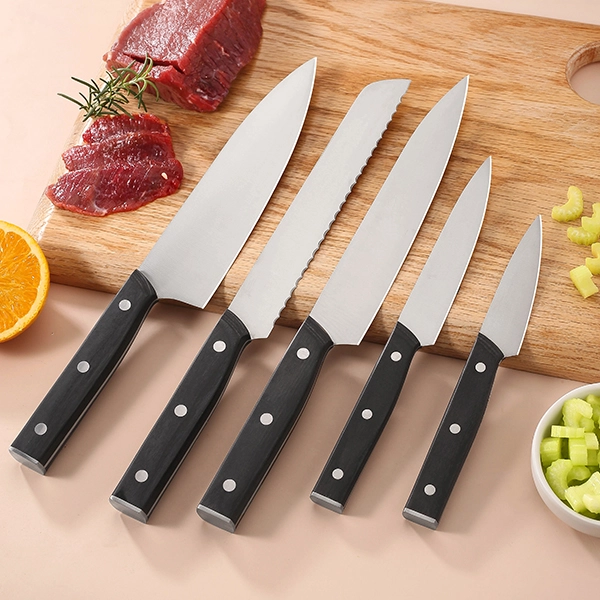
You’ve just invested in a chef knife set, but are you using it to its full potential? Knowing how to handle your knives efficiently can make cooking faster, safer, and more enjoyable.
Imagine slicing vegetables with ease, dicing meat like a pro, and cleaning up without hassle. You’ll discover simple tips and techniques that will transform the way you use your chef knives every day. Ready to sharpen your skills and take control in the kitchen?
Keep reading to unlock the secrets of mastering your chef knife set.
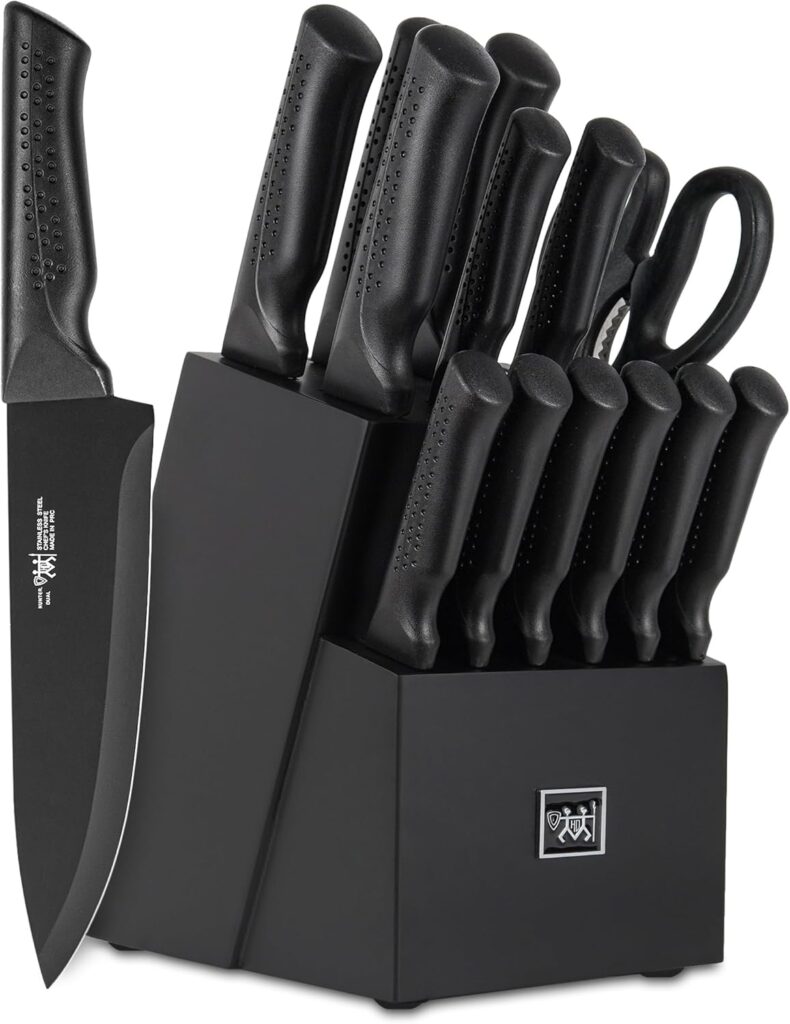
Credit: thecozydeals.com
Choosing The Right Chef Knife
Choosing the right chef knife is important for cooking well. A good knife makes chopping and slicing easy and safe.
Think about what you will cook most and how the knife feels in your hand. This helps you pick the best tool for your kitchen.
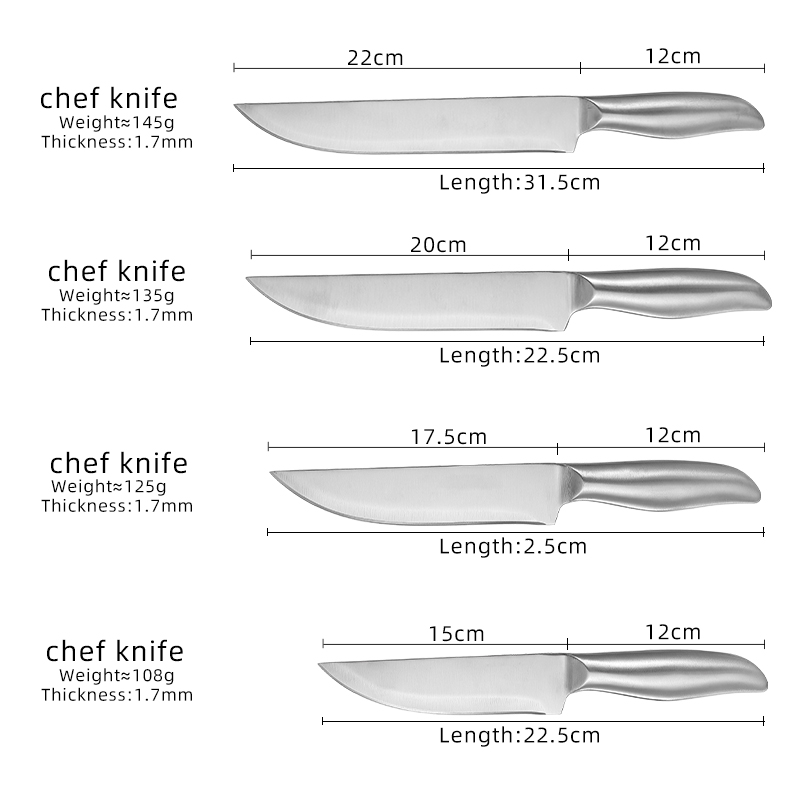
Types Of Chef Knives
Chef knives come in different styles. Each type has a special use in the kitchen. Picking the right one helps you work faster.
- Classic Chef Knife: A versatile knife for most tasks like chopping and slicing.
- Santoku Knife: A Japanese-style knife, good for slicing and dicing with a lighter touch.
- Utility Knife: Smaller than a chef knife, good for cutting fruits and small vegetables.
- Paring Knife: Best for peeling and fine detail work.
Blade Materials And Their Impact
The blade material affects how sharp and strong the knife is. It also changes how easy it is to clean and maintain.
Some blades stay sharp longer, while others are easier to sharpen at home. Choose a blade material that fits your cooking style and care routine.
- Stainless Steel: Resists rust and stains. Easy to care for but may dull faster.
- High Carbon Steel: Holds sharp edges longer. Can rust if not dried well.
- Ceramic: Very sharp and light. Can chip or break if dropped.
- Damascus Steel: Made by layering steel. Strong and often beautiful.
Essential Knife Skills
Using a chef knife set well makes cooking safer and faster. Good knife skills help you cut food evenly and cleanly.
Learning how to hold and use your knives correctly protects your fingers and improves your cooking results.
Basic Cutting Techniques
Start with simple cuts like slicing, dicing, and chopping. These skills are the base for all cooking tasks.
Keep the knife tip on the board and use a rocking motion. This helps control the knife and keeps cuts even.
- Slicing:Cut thin, even pieces by moving the knife forward and down.
- Dicing:Slice food into strips, then cut across to make cubes.
- Chopping:Use a quick up-and-down motion for rough pieces.
- Julienne:Cut food into thin, matchstick-like strips.
Advanced Cutting Styles
After basic cuts, try more precise styles like chiffonade or tourne. These cuts improve presentation and cooking.
Practice steady hand movements and keep your fingers curled to avoid accidents.
- Chiffonade:Roll leafy greens or herbs into tight bundles and slice thin strips.
- Tourne:Cut vegetables into small, football-shaped pieces with seven sides.
- Brunoise:Make very small, fine dice for garnishes or sauces.
- Bias Cut:Slice food at a sharp angle to increase surface area.
Proper Grip And Posture
Using a chef knife set well needs the right grip and posture. These help you cut safely and with control.
Good grip and posture reduce hand tiredness and keep your cuts even. Let’s look at how to hold the knife and stand.
Holding The Knife Correctly
Hold the knife handle firmly but not too tight. Your fingers should wrap around the handle for control.
Place your thumb and index finger on each side of the blade’s base. This grip helps guide the knife smoothly.
- Grip the handle with three fingers
- Use thumb and index finger on the blade
- Keep your wrist straight to avoid strain
- Hold the knife close to the blade for better control
Standing Position For Stability
Stand with your feet shoulder-width apart. This stance gives you balance while cutting.
Bend your knees slightly and keep your back straight. This posture helps you work longer without discomfort.
- Feet shoulder-width apart for balance
- Slight bend in knees for comfort
- Back straight to avoid strain
- Lean slightly forward from hips
Maintaining Knife Sharpness
Keeping your chef knives sharp is important for safety and efficiency. Dull knives can slip and cause accidents.
Regular care helps your knives cut smoothly and last longer. Learn how to sharpen and store them properly.
Sharpening Techniques
Sharpening your knives keeps the blade edge strong and precise. Use tools made for kitchen knives.
Try these sharpening options to maintain your knives:
- Use a sharpening stone with a coarse and fine side.
- Hold the knife at a 15-20 degree angle to the stone.
- Move the blade smoothly across the stone in one direction.
- Repeat the process on both sides evenly.
- Use a honing rod regularly to realign the blade edge.
- Avoid electric sharpeners that remove too much metal.
Storing Knives Safely
Proper storage protects your knives and keeps them sharp longer. Do not leave knives loose in drawers.
Try these ways to store your knives safely:
- Use a knife block to keep blades separate and safe.
- Magnetic strips hold knives securely on the wall.
- Knife guards or sheaths protect the blade in drawers.
- Keep knives dry before storing to prevent rust.
- Store knives out of reach of children.
Safety Tips In The Kitchen
Using a chef knife set can make cooking easier. It is important to use knives safely to avoid injuries.
Following simple safety tips helps keep your kitchen safe for everyone.
Preventing Accidents
Always hold the knife firmly and cut away from your body. Keep your fingers clear of the blade.
Keep knives sharp. Dull knives slip and cause accidents more easily.
- Never try to catch a falling knife.
- Store knives in a knife block or magnetic strip.
- Do not leave knives in sinks or under other items.
- Use the right knife for each task.
Using A Cutting Board Effectively
Place a damp towel under the cutting board to stop it from moving. A stable board helps prevent slips.
Use a clean cutting board to avoid cross-contamination. Use separate boards for meat and vegetables.
- Choose a board that is the right size for your work.
- Keep the board dry and clean before use.
- Replace boards that have deep cuts or cracks.
Credit: www.insight-kitchenknife.com
Practicing Efficient Cutting
Using a chef knife set well saves time and improves cooking. Cutting efficiently helps keep your kitchen safe and organized.
Good cutting skills reduce food waste and make your dishes look better. Focus on techniques that balance speed and accuracy.
Speed Vs. Precision
Cutting fast is useful, but accuracy matters more for many recipes. Precise cuts cook evenly and look nicer on the plate.
Practice slow cutting first to build control. Then increase your speed without losing precision.
- Use a rocking motion for chopping herbs quickly.
- Keep the knife tip on the board for steady cuts.
- Focus on even slices for uniform cooking.
Reducing Waste
Cutting efficiently means using as much of the ingredient as possible. This saves money and reduces trash.
Trim off only what is necessary. Use scraps for stocks or sauces to avoid waste.
- Cut vegetables close to the peel but avoid removing edible parts.
- Use smaller knife tips for delicate trimming.
- Save peels and ends for homemade broth.
Incorporating Knife Skills In Cooking
Using a chef knife set well makes cooking easier and faster. Good knife skills help you prepare food safely and neatly.
Learning how to use your knives correctly improves your cooking experience. It also helps you create better-looking dishes.
Preparing Ingredients Quickly
Sharp knives cut through ingredients easily. This reduces the time you spend chopping and slicing. Holding the knife properly gives you control and speed.
Use the right knife from your set for each task. This keeps your work safe and efficient. Practice consistent cutting motions to speed up.
- Use the chef knife for chopping vegetables
- Use a paring knife for peeling and trimming
- Cut ingredients into even pieces for faster cooking
- Keep your knives sharp to avoid slipping
- Use a stable cutting board to prevent accidents
Improving Presentation
Knife skills help you cut food into neat, uniform shapes. This makes your dishes look clean and appealing. Even cuts cook evenly and taste better.
Use precise cuts to add style to your meals. Practice slicing thin or dicing small pieces for better plating. Good presentation shows care in cooking.
- Slice vegetables thinly for salads
- Dice ingredients evenly for soups and stews
- Cut herbs finely to sprinkle on dishes
- Create decorative cuts for garnishes
- Keep knife edges sharp for clean cuts

Credit: www.bbcgoodfood.com
Frequently Asked Questions
What Is The Best Way To Hold A Chef Knife?
Hold the chef knife with a firm grip on the handle. Place your thumb and forefinger on either side of the blade’s base. This grip improves control and precision, making cutting safer and more efficient.
How To Maintain Sharpness Of A Chef Knife Set?
Regularly hone your knives using a honing rod to maintain sharpness. Avoid cutting on hard surfaces. Store knives properly in a block or magnetic strip. Sharpen blades professionally or with a sharpening stone when needed.
Which Knife Is Used For Different Cutting Tasks?
Use the chef knife for chopping, slicing, and dicing. Smaller paring knives suit peeling and intricate work. Bread knives are ideal for cutting loaves. Using the right knife improves efficiency and safety.
How To Clean And Store A Chef Knife Set Safely?
Hand wash knives immediately after use with mild soap and dry them thoroughly. Avoid dishwashers to prevent damage. Store knives in a knife block or on a magnetic strip to protect blades and avoid accidents.
Conclusion
Using a chef knife set well makes cooking safer and faster. Keep your knives sharp and clean for best results. Hold the knife firmly and cut with care. Practice simple techniques to improve your skills daily. Store knives properly to avoid damage and accidents.
A good knife set helps you prepare meals with ease. Enjoy cooking more by using your knives the right way. Keep learning and practicing. Your kitchen work will become smoother and more fun.