
Choosing the right measuring jug might seem simple, but it can make a big difference in your cooking and baking. Have you ever struggled with messy spills or unclear measurements?
Picking the perfect jug helps you avoid these frustrations. You’ll discover easy tips to find a measuring jug that fits your needs, saves you time, and makes your kitchen tasks smoother. Keep reading—your next great recipe starts with the right tool!

Credit: www.amazon.ca
Importance Of Measuring Jugs
Measuring jugs help you measure liquids and ingredients accurately. They are useful in cooking, baking, and other tasks.
Using a measuring jug saves time and reduces mistakes. It ensures your recipes come out just right every time.
Accuracy In Measurement
Measuring jugs have clear markings for volume. This helps you add the exact amount needed for your recipe.
Accurate measurements improve the taste and texture of food. They also prevent waste of ingredients.
Ease Of Use
Measuring jugs are designed for easy pouring and handling. They often have a spout and a handle for better grip.
Clear labels let you see the amount without guessing. This makes cooking faster and less stressful.
Versatility In The Kitchen
Measuring jugs can measure liquids and some dry ingredients. You can use them for water, milk, oil, and more.
They come in different sizes to suit small or large recipes. This makes them useful for many cooking needs.
Material And Durability
Measuring jugs are made from plastic, glass, or metal. Each material has benefits for durability and safety.
Choose a jug that resists stains and cracks. A strong jug lasts longer and stays clear for easy reading.
Types Of Measuring Jugs
Measuring jugs come in different materials and styles. Each type has its own benefits for cooking and baking.
Choosing the right jug helps you measure liquids accurately and safely. Let’s look at common types.
Plastic Jugs
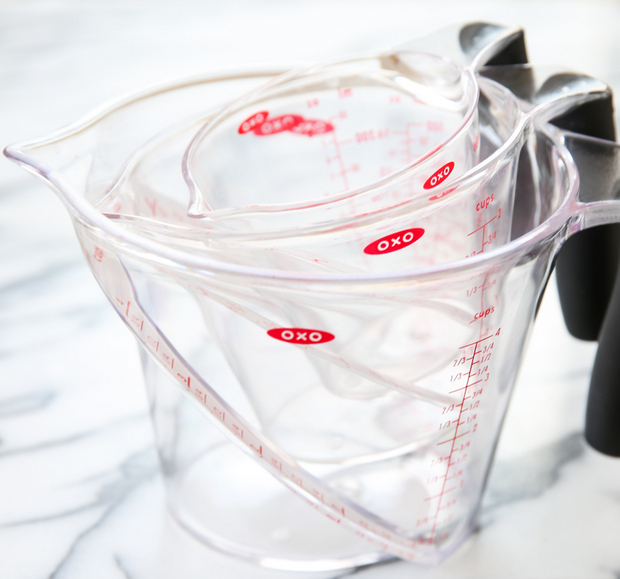
Plastic jugs are light and easy to handle. They often have clear markings for easy reading.
They are usually cheaper and less likely to break if dropped. Some are made from BPA-free materials.
- Lightweight and easy to carry
- Clear measurement markings
- Less fragile than glass
- Some may stain or absorb smells
Glass Jugs
Glass jugs are strong and do not absorb smells or stains. They are heat-resistant and safe for hot liquids.
They allow you to see the liquid level clearly from all sides. These jugs are heavier and can break if dropped.
- Clear view of liquid levels
- Heat-resistant and safe for hot liquids
- Does not absorb odors or stains
- Fragile and heavier than plastic
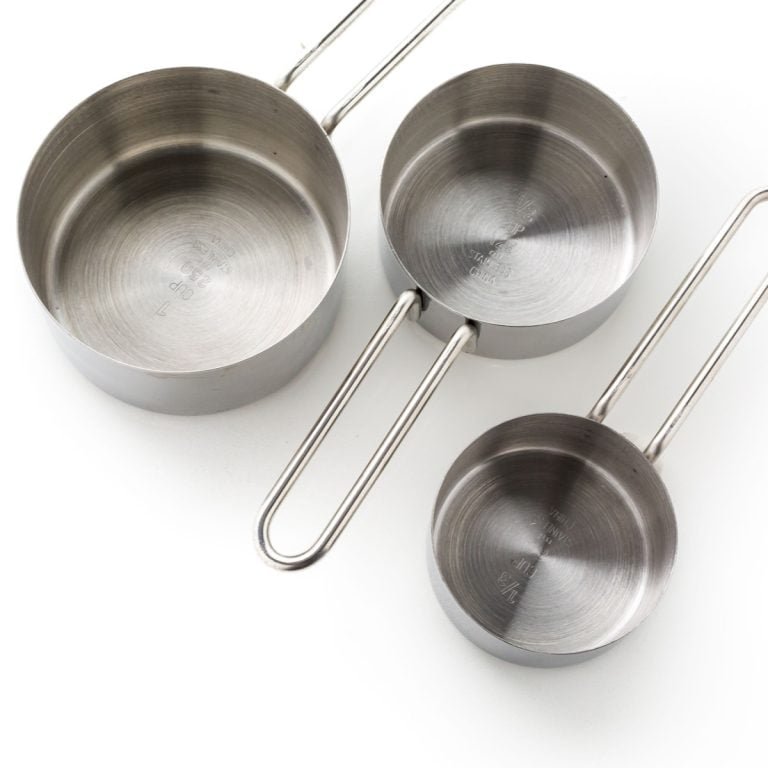
Stainless Steel Jugs
Stainless steel jugs are very durable and long-lasting. They do not break or crack easily.
They keep liquids cool but usually do not have clear measurement markings. These jugs are good for heavy use.
- Strong and durable
- Does not break or crack
- Keeps liquids cool
- Measurement marks may be hard to see
Key Features To Look For
Choosing the right measuring jug helps you cook and bake with ease. Look for features that make measuring simple and accurate.
Good features improve your experience and reduce mistakes. Focus on important parts like markings, size, handle, and spout.
Measurement Markings
Clear and easy-to-read markings are very important. They help you measure liquids accurately without guessing.
Look for jugs with markings on the side in both metric and imperial units. This gives you more options.
- Bold, dark markings
- Multiple units: milliliters, cups, ounces
- Easy to read from different angles
- Marks for small and large amounts
Capacity And Size
Choose a jug size that matches your cooking needs. Small jugs are good for small recipes.
Larger jugs work well for big batches or mixing ingredients. Pick one that fits your kitchen space too.
- Small jugs: up to 500 ml (2 cups)
- Medium jugs: 500 ml to 1 liter (2 to 4 cups)
- Large jugs: over 1 liter (4+ cups)
- Consider storage space in your kitchen
Handle Design
A comfortable handle makes pouring easier and safer. Look for a handle that feels good in your hand.
Handles should be easy to grip, even with wet hands. They should also keep your hand away from hot liquids.
- Large enough for a full grip
- Non-slip surface or texture
- Heat resistant material
- Well balanced with the jug’s weight
Pouring Spout
A good spout controls the flow of liquid. It prevents spills and helps you pour smoothly.
Look for a spout that is wide enough for thick liquids but narrow enough to pour slowly.
- Sharp edge for clean pouring
- Wide enough for thick mixtures
- Drip-free design to avoid mess
- Positioned for easy control
Credit: kirbiecravings.com
Accuracy Considerations
Choosing a measuring jug means thinking about how accurate it is. Accurate measurements help you cook and bake well.
Some jugs show different units, have different tolerance levels, and need calibration. These affect accuracy.
Measurement Units
Look for jugs with clear measurement units that match your needs. Common units include milliliters, cups, and ounces.
Some jugs show multiple units on the same jug. This helps if you use different recipes.
- Milliliters (ml) for metric recipes
- Cups for US recipes
- Ounces (oz) for liquids
Tolerance Levels
Tolerance level means how much the measurement can be off. Lower tolerance means more accuracy.
Check the label or product details for the jug’s tolerance. Look for jugs with small tolerance for precise work.
- ±1 ml is good for cooking
- ±0.5 ml is better for baking
- ±2 ml is acceptable for rough measurements
Calibration Techniques
Calibration means checking if the jug measures correctly. This helps keep accuracy over time.
You can test calibration by measuring water and weighing it. Water’s weight equals its volume in milliliters.
- Fill jug to a mark with water
- Pour water into a kitchen scale container
- Check if weight matches the volume mark
- Adjust your use if there is a difference
Safety And Durability
Choosing the right measuring jug is important for safe and long-lasting use. A good jug must handle daily kitchen tasks without breaking or causing harm.
Focus on safety and durability to get the best jug for your needs. This guide covers key features to look for.
Material Safety
Make sure the material is safe for food use. Avoid jugs with harmful chemicals like BPA or lead.
Look for jugs made from food-grade plastic, glass, or stainless steel. These materials do not release toxins when in contact with liquids.
- Check for food-safe labels on the jug
- Choose BPA-free plastic or glass
- Stainless steel offers chemical safety
Impact Resistance
Impact resistance means the jug can handle drops or bumps without cracking. This keeps it safe to use and lasts longer.
Plastic jugs usually have better impact resistance than glass. Thick glass jugs offer some durability but can break if dropped.
- Plastic jugs absorb shocks well
- Glass jugs can break on hard impacts
- Look for thick or reinforced materials
Heat Resistance
Heat resistance lets the jug hold hot liquids safely. Some materials can warp or release chemicals if too hot.
Glass and stainless steel have high heat resistance. Some plastics can melt or deform, so check temperature limits before buying.
- Glass jugs handle boiling liquids well
- Stainless steel resists heat and warping
- Use heat-safe plastic labeled for hot liquids

Credit: www.boroughkitchen.com
Maintenance Tips
Keeping your measuring jug clean and stored properly helps it last longer. Good care keeps measurements accurate and safe for food use.
Simple habits make maintenance easy. Clean your jug right after use and store it in a dry place.
Cleaning Methods
Wash your measuring jug with warm water and soap. Use a soft sponge to avoid scratches on the surface.
For tough stains, soak the jug in a mix of water and vinegar. Rinse well to remove any smell.
- Use mild dish soap and warm water
- Avoid harsh scrubbing pads or brushes
- Soak in vinegar solution for stubborn stains
- Dry with a clean cloth or air dry
Storage Solutions
Store your measuring jug in a clean, dry place to prevent mold or damage. Keep it away from direct sunlight.
Place the jug where it will not be knocked over or crushed by heavier items. Hanging hooks or shelves work well.
- Keep jug in a cupboard or drawer
- Avoid stacking heavy items on top
- Use hooks or racks for easy access
- Ensure the jug is dry before storing
Budget And Pricing
Choosing the right measuring jug depends on your budget. Prices vary based on material, size, and brand.
Understanding what you get for your money helps you make a smart choice.
Cost Vs. Quality
Cheaper measuring jugs may be made from low-quality plastic. They can crack or stain easily.
Higher-quality jugs often use durable glass or BPA-free plastic. They last longer and stay clear.
- Low cost: plastic, less durable, may warp
- Mid cost: thicker plastic, better markings
- High cost: glass or stainless steel, very durable
Long-term Investment
Spending a bit more now can save money later. A strong jug lasts years without damage.
Look for jugs with clear measurement marks and sturdy handles. These features improve usability over time.
- Choose materials that resist stains and cracks
- Check for easy-to-read measurement lines
- Pick a comfortable handle for safe pouring
Expert Recommendations
Choosing the right measuring jug makes cooking and baking easier. Experts suggest looking for accuracy and easy-to-read markings.
Material and size matter too. Pick a jug that fits your kitchen needs and lasts a long time.
Top Brands
Some brands are known for reliable and durable measuring jugs. They offer clear markings and sturdy materials.
- OXO: Known for clear measurement lines and comfortable handles.
- Pyrex: Offers heat-resistant glass jugs with easy pouring spouts.
- Joseph Joseph: Features modern design and useful measurement features.
User Reviews
Users often praise jugs that are easy to clean and hold well in hand. They like jugs with visible measurement marks.
Some users mention plastic jugs can stain or smell over time. Glass jugs are liked for not absorbing odors.
- Easy-to-read markings improve cooking accuracy.
- Comfortable handles help prevent spills.
- Durable material extends jug lifespan.
- Clear spouts reduce mess while pouring.
Frequently Asked Questions
What Materials Are Best For Measuring Jugs?
High-quality materials like glass and BPA-free plastic are best. Glass offers durability and heat resistance. Plastic is lightweight and shatterproof. Choose based on your kitchen needs and safety preferences.
How Do I Choose The Right Size Measuring Jug?
Select a size based on typical recipe quantities. Common sizes range from 250ml to 2 liters. Larger jugs suit bulk cooking, while smaller ones are ideal for precise measurements.
Are Measurement Markings Important On A Jug?
Yes, clear and accurate markings ensure precise measurements. Look for jugs with easy-to-read, permanent marks. This helps avoid cooking errors and improves recipe results.
Can Measuring Jugs Be Used For Hot Liquids?
Glass jugs handle hot liquids safely. Some plastics may warp or release chemicals when heated. Always check manufacturer guidelines before pouring hot contents.
Conclusion
Choosing the right measuring jug makes cooking easier and more fun. Think about the size you need and the material you prefer. Clear markings help you measure with confidence every time. A sturdy handle and a good spout make pouring simple.
Remember, a good jug saves time and avoids mistakes. Keep these tips in mind when buying your next measuring jug. Cooking will feel smoother and results will improve. Simple tools make a big difference in the kitchen.