
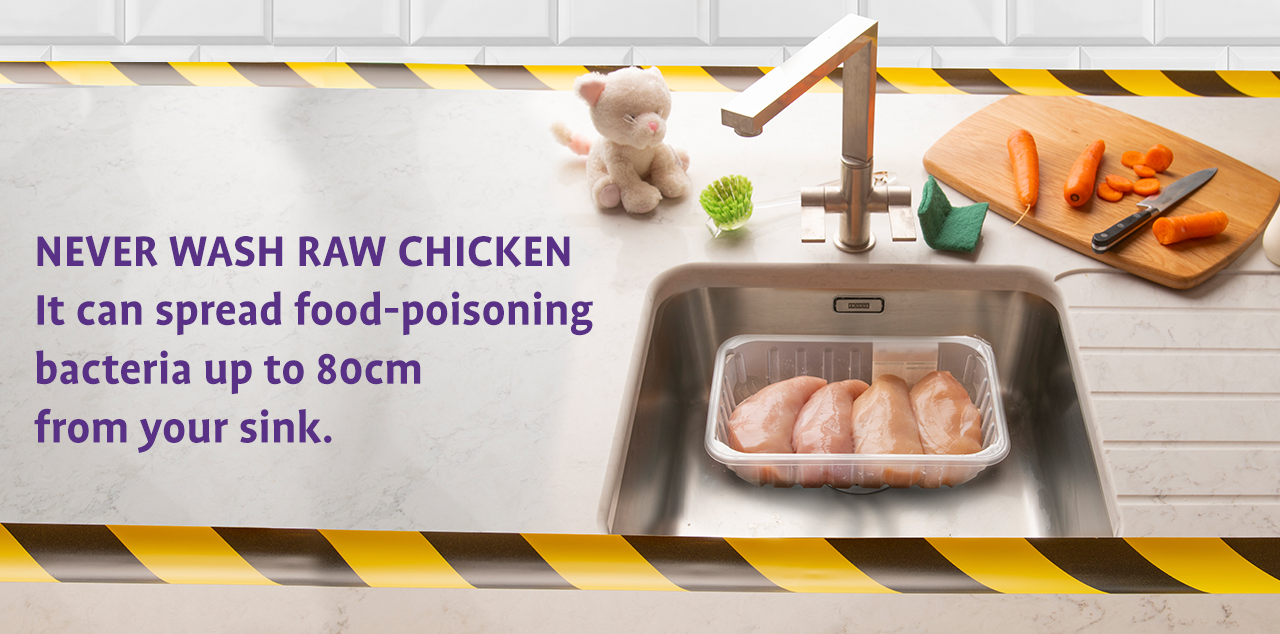
Handling raw poultry can be tricky, and if you’re not careful, it could lead to serious health risks for you and your loved ones. You might think you already know the basics, but even small mistakes in the kitchen can cause harmful bacteria to spread.
This guide will show you simple, practical steps to keep your kitchen safe and your meals delicious. By the time you finish reading, you’ll feel confident about handling raw poultry without worry. Ready to protect your family and enjoy your cooking?
Let’s dive in.

Credit: www.fsis.usda.gov
Safe Shopping Practices
Buying raw poultry safely helps stop germs from spreading. It keeps your family safe from food sickness.
Follow simple tips when shopping for poultry. These tips make sure you pick fresh and clean products.
Choosing Fresh Poultry
Pick poultry that looks clean and moist, not slimy or dry. Fresh poultry should have a pink color.
Check for any bad smells. Fresh poultry has little or no odor. Avoid poultry with a strong or sour smell.
- Look for firm and plump meat
- Avoid bruises or dark spots
- Check the “sell by” or expiration date
- Buy chilled poultry, not frozen if you plan to cook soon
Proper Packaging And Storage
Make sure the packaging is sealed tight. Avoid packages with tears or leaks that could cause spills.
Keep raw poultry separate from other foods in your shopping bag. This stops germs from spreading to other items.
- Use a plastic bag to hold raw poultry packages
- Place poultry in the coldest part of your cart
- Go straight home to refrigerate or freeze poultry
- Store raw poultry on the bottom shelf in your fridge
Handling Techniques
Handling raw poultry safely helps prevent food poisoning. It is important to follow simple steps in the kitchen.
Using the right tools and cleaning properly keeps your food safe to eat. Learn how to handle poultry with care.
Using Separate Cutting Boards
Always use a cutting board only for raw poultry. This stops germs from spreading to other foods.
Keep one board for meat and another for fruits and vegetables. This prevents cross-contamination in your kitchen.
- Mark cutting boards by color or label
- Use plastic boards for easy cleaning
- Clean boards well after each use
- Replace boards if they get deep cuts
Washing Hands And Utensils
Wash your hands with soap and warm water before and after touching raw poultry. This stops germs from spreading.
Clean knives, utensils, and surfaces carefully after use. Use hot water and soap to kill bacteria.
- Wash hands for at least 20 seconds
- Use separate cloths for raw meat areas
- Sanitize surfaces after cleaning
- Dry hands and utensils with clean towels
Storage Guidelines
Handling raw poultry safely is important to prevent food poisoning. Proper storage keeps the meat fresh and safe to eat.
Follow clear rules for storing poultry in your fridge or freezer. This stops bacteria from growing and spreading.
Refrigeration Tips
Store raw poultry in the coldest part of your refrigerator. The temperature should be below 40°F (4°C) to keep it safe.
Keep poultry in a leak-proof container or sealed plastic bag. This prevents juices from dripping and contaminating other foods.
- Place poultry on the bottom shelf of the fridge
- Use within 1-2 days after purchase
- Check the fridge temperature regularly
- Keep raw poultry separate from ready-to-eat foods
Freezing Poultry Safely
Freeze poultry if you will not use it within two days. Freezing stops bacteria from growing and keeps the meat fresh for months.
Wrap the poultry tightly in freezer paper or plastic wrap. Then put it in a freezer bag to avoid freezer burn and keep quality.
- Freeze poultry at 0°F (-18°C) or lower
- Label packages with the date before freezing
- Use frozen poultry within 9 months for best quality
- Thaw poultry safely in the fridge or cold water
Credit: www.lemon8-app.com
Thawing Methods
Handling raw poultry safely is important to avoid food sickness. Thawing poultry the right way helps keep it fresh and safe to cook.
There are two safe ways to thaw poultry: in the refrigerator and in cold water. Each method keeps the chicken at a safe temperature while thawing.
Refrigerator Thawing
Refrigerator thawing is the safest way to thaw poultry. It keeps the meat at a low, steady temperature.
Place the frozen poultry on a plate or in a container. Put it on the bottom shelf of the refrigerator. This stops juices from dripping onto other foods.
- Thawing in the fridge takes time. Plan at least 24 hours for every 5 pounds.
- Once thawed, cook poultry within 1-2 days.
- Do not refreeze raw poultry after thawing in the fridge.
Cold Water Thawing
Cold water thawing is faster than refrigerator thawing but needs more care. It keeps poultry cold and safe during thawing.
Place the poultry in a leak-proof plastic bag. Submerge the bag in cold tap water. Change the water every 30 minutes to keep it cold.
- Small packages take about 1 hour or less.
- Larger packages take 2-3 hours.
- Cook poultry immediately after thawing with this method.
Cooking Temperature
Cooking poultry at the right temperature keeps it safe to eat. It kills harmful bacteria that cause illness.
Using the correct cooking temperature also keeps the meat juicy and tender. Avoid undercooking or overcooking your poultry.
Using A Meat Thermometer
A meat thermometer helps you check the poultry’s internal temperature. This tool is important for safety and quality.
Insert the thermometer into the thickest part of the meat. Avoid touching bones, as this gives a false reading.
- Clean the thermometer before and after use
- Check the temperature before removing poultry from heat
- Allow the thermometer to stay in place until the reading is stable
Recommended Internal Temperatures
Poultry must reach a safe temperature to kill bacteria. The USDA recommends specific temperatures for different types.
| Type of Poultry | Safe Internal Temperature |
|---|---|
| Whole Chicken or Turkey | 165°F (74°C) |
| Ground Poultry | 165°F (74°C) |
| Chicken Breasts, Thighs, Wings | 165°F (74°C) |
Always use a meat thermometer to check these temperatures. Cooking poultry to these levels reduces foodborne risks.
Avoiding Cross-contamination
Raw poultry can carry harmful bacteria. These germs spread easily in the kitchen. Avoiding cross-contamination is key to safe cooking.
Cross-contamination happens when bacteria move from raw poultry to other foods or surfaces. This can cause food poisoning.
Kitchen Surface Sanitation
Clean your kitchen surfaces before and after handling raw poultry. Use hot, soapy water to wash cutting boards and counters.
Sanitize surfaces with a mild bleach solution or kitchen disinfectant. This kills bacteria that may remain after washing.
- Wash hands with soap before and after handling poultry
- Use separate cutting boards for raw meat and other foods
- Clean knives and utensils immediately after use
- Dry surfaces with clean towels or paper towels
- Replace sponges regularly to prevent bacteria growth
Safe Marinade Practices
Use a clean container for marinating raw poultry. Do not reuse marinade that touched raw meat unless boiled first.
Keep marinated poultry in the fridge. Avoid leaving it out at room temperature to stop bacteria growth.
- Use separate marinades for raw and cooked poultry
- Discard leftover marinade that was in contact with raw poultry
- Marinate poultry in the fridge, not on the counter
- Use food-safe containers like glass or plastic
Safe Leftover Practices
Leftover poultry can be safe to eat if you store and handle it right. Keeping leftovers fresh helps stop germs from growing.
Follow simple rules to keep your cooked poultry safe to eat later. This will protect your health and reduce food waste.
Storing Cooked Poultry
Store cooked poultry in clean, airtight containers. Put it in the fridge within two hours after cooking.
Keep the fridge temperature at or below 40°F (4°C) to slow bacteria growth. Use leftovers within three to four days.
- Use shallow containers to cool food quickly
- Label containers with the date you stored the poultry
- Do not store cooked poultry near raw meat
- Freeze leftovers if you want to keep them longer than four days
Reheating Guidelines
Reheat leftovers to 165°F (74°C) to kill any bacteria. Use a food thermometer to check the temperature.
Reheat only the amount you plan to eat. Avoid reheating the same food multiple times.
- Reheat leftovers in the microwave, oven, or stovetop
- Stir food during reheating to heat evenly
- Check that the food is steaming hot all the way through
- Discard leftovers that have an unusual smell or look
Credit: www.lemon8-app.com
Frequently Asked Questions
How Should I Store Raw Poultry Safely At Home?
Store raw poultry in the coldest part of your fridge. Keep it in a sealed container to prevent leaks. Use it within 1-2 days or freeze for longer storage. Proper storage limits bacterial growth and ensures safety.
What Is The Best Way To Thaw Frozen Poultry?
Thaw poultry in the fridge, not at room temperature. You can also thaw it in cold water, changing the water every 30 minutes. These methods prevent bacteria growth, ensuring safe handling and cooking.
How Can I Avoid Cross-contamination With Raw Poultry?
Always use separate cutting boards and utensils for raw poultry. Wash hands thoroughly with soap after handling. Clean all surfaces with hot, soapy water to avoid spreading harmful bacteria.
What Internal Temperature Ensures Poultry Is Safe To Eat?
Cook poultry to an internal temperature of 165°F (74°C). Use a food thermometer to check the thickest part. This kills harmful bacteria, making the poultry safe for consumption.
Conclusion
Handling raw poultry safely protects you and your family from illness. Always wash your hands and surfaces after touching raw chicken. Cook poultry to the right temperature to kill harmful bacteria. Use separate utensils for raw and cooked meat. Store poultry properly in the fridge or freezer.
These simple steps make your kitchen safer and your meals healthier. Stay careful, stay safe, and enjoy your food without worry. Safe habits create a healthy home.