

Your kitchen should be the safest place in your home, but harmful bacteria can easily sneak in and cause serious health problems. Imagine preparing a meal with confidence, knowing your kitchen surfaces are clean and free from dangerous germs.
You’ll discover simple, practical steps you can take right now to prevent bacterial contamination on your kitchen surfaces. Keep reading to protect yourself and your loved ones from hidden risks lurking in your kitchen.
Common Sources Of Bacterial Contamination
Bacteria can spread easily on kitchen surfaces. It is important to know where bacteria hide.
Understanding common sources helps keep your kitchen clean and safe.
Cutting Boards
Cutting boards often carry bacteria from raw meat or vegetables. Cross-contamination happens when the same board is used for different foods.
Plastic and wooden boards both need regular cleaning to stop bacteria from growing.
- Use separate boards for meat and vegetables
- Wash boards with hot, soapy water after each use
- Replace boards with deep cuts or cracks
Kitchen Sponges And Cloths
Sponges and cloths stay wet and warm, making them perfect places for bacteria. They spread germs when used to wipe surfaces.
Clean or replace sponges and cloths often to reduce bacterial growth.
- Use a clean cloth for each task
- Sanitize sponges by microwaving or soaking in bleach
- Replace cloths and sponges regularly
Kitchen Sinks
Sinks collect food scraps and water, which feed bacteria. They also touch hands and dirty dishes often.
Regular cleaning helps stop bacteria from spreading from sinks to other surfaces.
- Clean sink drains and faucets daily
- Use disinfectant sprays or wipes on sink surfaces
- Keep drains free of food particles
Countertops
Countertops hold many items and food during preparation. Bacteria can move from raw foods to other surfaces.
Clean and disinfect countertops after each use to reduce bacteria.
- Wipe spills immediately
- Use kitchen-safe disinfectants regularly
- Keep surfaces dry when not in use
Handles And Knobs
Handles on refrigerators, cabinets, and appliances get touched often. Bacteria stick to these surfaces easily.
Cleaning handles and knobs reduces the risk of bacteria spreading in the kitchen.
- Wipe handles daily with disinfectant wipes
- Focus on high-touch areas like fridge and oven handles
- Remind family members to wash hands before cooking
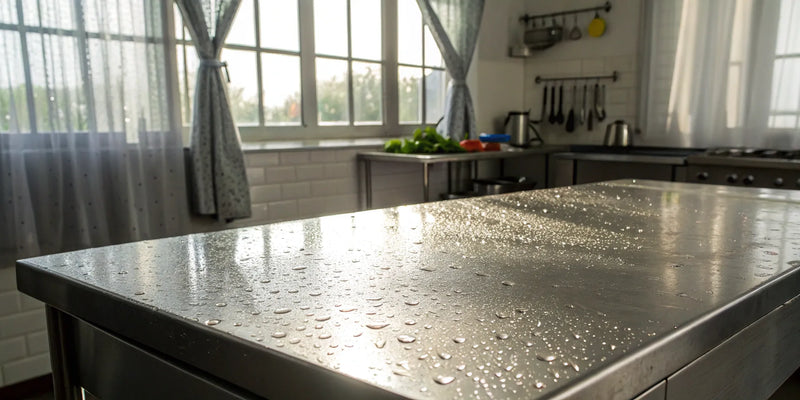
Credit: therestaurantwarehouse.com
Effective Cleaning Practices
Keeping kitchen surfaces clean stops bacteria from growing. This helps keep food safe and people healthy.
Use proper cleaning methods and good cleaning products. This removes germs and dirt well.
Choosing The Right Cleaning Agents
Pick cleaning agents that kill bacteria but are safe for kitchen surfaces. Avoid harsh chemicals that can damage counters.
Look for products with disinfectants like bleach or alcohol. These kill most germs quickly and well.
- Use mild soap and warm water for daily cleaning
- Choose disinfectants for deep cleaning
- Check product labels to ensure they kill bacteria
- Use separate agents for food contact surfaces and floors
Proper Cleaning Techniques
Clean kitchen surfaces regularly to stop bacteria buildup. Follow a clear order to clean well.
Start by removing crumbs and dirt. Then wash, rinse, and disinfect the area. Let it air dry for best results.
- Use clean cloths or disposable wipes
- Clean from cleaner areas to dirtier ones
- Change cloths often to avoid spreading germs
- Allow disinfectants to sit for the right time
- Dry surfaces completely to prevent moisture
Disinfection Methods
Cleaning kitchen surfaces removes dirt and food scraps. Disinfection kills bacteria that can cause illness.
Using the right disinfection methods keeps your kitchen safe and healthy.
Types Of Disinfectants
There are several disinfectants you can use in the kitchen. Each works differently to kill germs.
- Bleach: A strong chemical that kills most bacteria quickly.
- Alcohol: Works fast and evaporates without leaving residue.
- Quaternary Ammonium Compounds: Safe for many surfaces and kills bacteria well.
- Hydrogen Peroxide: Kills germs and breaks down into water and oxygen.
- Vinegar: Natural but less effective against some bacteria.
Application Procedures
Follow these steps to disinfect kitchen surfaces properly. This helps remove bacteria and avoid contamination.
- Clean the surface first with soap and water to remove dirt.
- Apply the disinfectant evenly across the surface.
- Let the disinfectant sit for the time listed on the label.
- Rinse or wipe the surface if the product instructions say to do so.
- Allow the surface to air dry before use.
Always read and follow the instructions on the disinfectant label. This ensures safety and effectiveness.
Safe Food Handling
Keeping kitchen surfaces clean helps stop bacteria from spreading. Safe food handling lowers the chance of food poisoning.
Follow simple steps to keep your kitchen safe. This guide covers how to separate foods and store them properly.
Separation Of Raw And Cooked Foods
Raw foods like meat and seafood can carry harmful bacteria. Keep them away from cooked foods to avoid cross-contamination.
Use separate cutting boards and utensils for raw and cooked foods. Clean surfaces well after handling raw items.
- Store raw meat below cooked foods in the fridge
- Use different plates for raw and cooked foods
- Wash hands after touching raw foods
Storage Tips
Proper storage keeps food fresh and reduces bacteria growth. Store foods in clean, sealed containers to protect them.
Keep your fridge at the right temperature. Check food dates and throw out anything spoiled or expired.
- Keep the fridge below 40°F (4°C)
- Separate raw and ready-to-eat foods in storage
- Use airtight containers to stop spills and smells
- Label food with dates before storing
Regular Maintenance Of Kitchen Appliances
Keeping kitchen appliances clean stops bacteria from growing. Regular maintenance helps keep your kitchen safe.
Appliances can harbor germs if not cleaned often. A clean appliance means safer food and less illness risk.
Cleaning Schedules
Set a regular cleaning plan for all kitchen appliances. Cleaning often stops dirt and germs from building up.
Some appliances need daily cleaning, others weekly. Follow the schedule to keep surfaces safe from bacteria.
- Wipe down the refrigerator handle daily
- Clean microwave inside and out weekly
- Sanitize cutting boards after each use
- Deep clean ovens monthly
- Check and clean blender parts after use
Spotting Appliance Issues
Look for signs of damage or dirt that can hide bacteria. Fix problems quickly to keep appliances clean.
Broken seals or cracks can trap food and germs. Check appliances often to catch these issues early.
- Check door seals on refrigerators and ovens
- Look for cracks in plastic or glass parts
- Listen for unusual noises or smells
- Inspect cords and plugs for damage
- Replace worn-out filters or parts promptly

Credit: us.cleadeep.com
Personal Hygiene Practices
Keeping kitchen surfaces free from bacteria starts with good personal hygiene. Clean habits stop germs from spreading.
Everyone in the kitchen should follow simple hygiene steps. This helps keep food safe and healthy.
Handwashing Techniques
Washing hands well removes dirt and germs. Use soap and water for at least 20 seconds.
Dry hands with a clean towel or air dryer. Avoid touching surfaces before cooking.
- Wet hands with clean water
- Apply soap and scrub all parts
- Scrub between fingers and under nails
- Rinse hands well with water
- Dry hands with clean towel or air dry
Use Of Gloves
Wearing gloves can protect food from germs on hands. Change gloves often to keep them clean.
Gloves should fit well and be used only once. Never touch dirty surfaces with gloves used for food.
- Wear gloves before handling food
- Change gloves after touching raw meat
- Use new gloves if they get torn or dirty
- Wash hands before putting on gloves
- Never reuse disposable gloves
Role Of Kitchen Layout
A clean kitchen helps stop bacteria from spreading. The way a kitchen is laid out affects how easy it is to keep clean.
A good kitchen layout reduces the chance of germs moving from one surface to another.
Design For Cleanliness
Choose materials that are easy to clean and do not hold bacteria. Smooth surfaces like stainless steel work well.
Keep sinks, counters, and cooking areas separate. This stops germs from spreading between dirty and clean spaces.
- Use non-porous countertops
- Install easy-to-clean flooring
- Place hand-washing sinks near food prep areas
- Ensure good lighting for cleaning
Efficient Workflow
Arrange kitchen areas to follow the order of tasks. This helps avoid moving dirty items over clean surfaces.
Separate zones for washing, preparing, cooking, and storing food reduce cross-contamination risks.
- Keep raw food areas away from ready-to-eat zones
- Place trash bins far from food prep areas
- Use clear paths to reduce clutter
- Design workstations for smooth task flow
Recognizing And Managing Contamination
Bacterial contamination on kitchen surfaces can cause foodborne illness. It is important to spot signs early. Proper cleaning and quick action stop bacteria from spreading.
Knowing how to recognize contamination and what to do keeps your kitchen safe. This guide explains key signs and immediate steps you should take.
Signs Of Contamination
Contaminated surfaces often look dirty or sticky. You may see food bits or liquid stains left behind. Sometimes, surfaces smell bad or sour.
Other signs include mold spots or slimy layers on cutting boards and counters. If you notice these, bacteria could be growing there.
- Sticky or greasy surface texture
- Visible food scraps or spills
- Unpleasant or sour odor
- Discoloration or mold spots
- Slimy or wet patches
Immediate Actions To Take
Clean the affected area right away using hot soapy water. Scrub well to remove all dirt and food particles. Rinse the surface thoroughly.
After cleaning, use a kitchen disinfectant or a vinegar solution to kill bacteria. Let the surface air dry or dry with a clean cloth.
- Remove food scraps and spills immediately
- Wash surface with hot, soapy water
- Rinse and apply disinfectant
- Allow surface to dry completely
- Wash hands after cleaning to avoid spread

Credit: www.homesandgardens.com
Frequently Asked Questions
How Often Should Kitchen Surfaces Be Cleaned?
Kitchen surfaces should be cleaned daily to prevent bacterial buildup. Use warm, soapy water and disinfectants regularly. Wipe spills immediately to reduce contamination risks.
What Disinfectants Are Best For Kitchen Surfaces?
Use EPA-approved disinfectants or a bleach solution for effective cleaning. Avoid harsh chemicals that can damage surfaces. Always follow product instructions for safety and efficacy.
Can Cutting Boards Spread Bacteria In Kitchens?
Yes, cutting boards can harbor bacteria if not cleaned properly. Use separate boards for raw meat and vegetables. Wash with hot, soapy water after each use.
How Can Cross-contamination Be Avoided On Kitchen Surfaces?
Prevent cross-contamination by using separate utensils and cleaning surfaces between tasks. Store raw and cooked foods separately. Always wash hands before handling food.
Conclusion
Keeping kitchen surfaces clean helps stop bacteria from spreading. Use soap and warm water to wash surfaces often. Dry surfaces well to avoid germs growing. Always clean after handling raw food. Use separate cutting boards for meat and vegetables. Regular cleaning keeps your kitchen safe and healthy.
Small habits make a big difference in food safety. Stay careful and protect your family from illness. Clean kitchens mean safer meals every day. Simple steps keep bacteria away and kitchens fresh.