
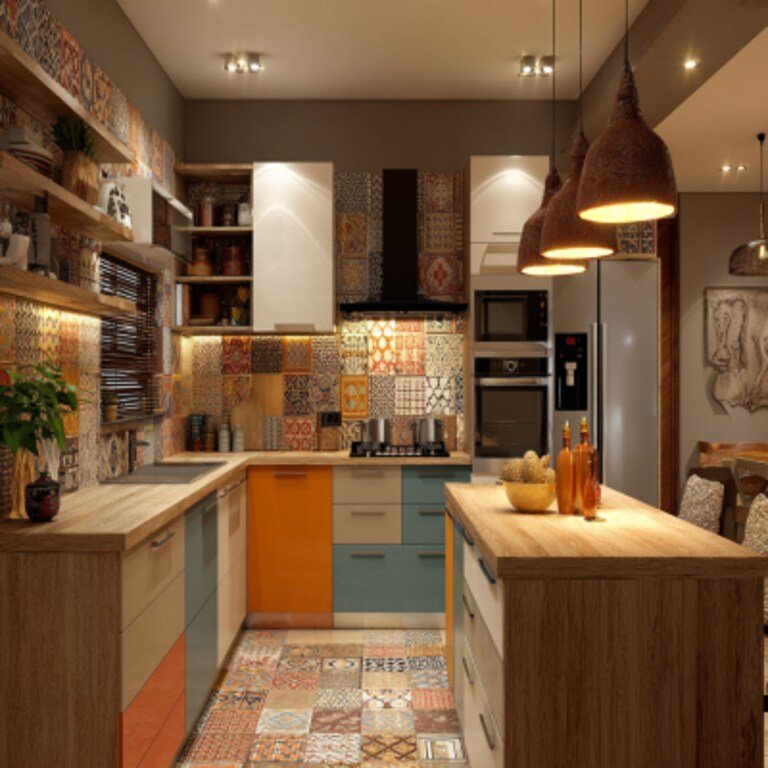
Designing your perfect kitchen can feel overwhelming, but an L-shaped layout might be exactly what you need. It’s a smart choice that makes the most of your space, giving you plenty of room to cook, store, and move around comfortably.
Imagine having a kitchen that flows smoothly, where everything you need is within easy reach. In this guide, you’ll discover simple steps to create an L-shaped kitchen that fits your style and daily needs. Ready to transform your kitchen into a space you’ll love?
Keep reading to unlock tips that make designing easy and enjoyable.
Benefits Of An L-shaped Kitchen
An L-shaped kitchen uses two connected walls to create a workspace. It fits well in many home layouts. This design offers many practical benefits.
This kitchen style helps with cooking flow and saves space. It is popular for small and large kitchens alike.
Efficient Use Of Space
An L-shaped kitchen makes good use of corner space. It opens up the room, making it feel larger. You can add a dining area or island easily.
This layout works well in small homes because it keeps everything within reach. It fits in both open and closed floor plans.
Good Workflow And Movement
The L shape creates a natural work triangle between the sink, stove, and fridge. This setup reduces walking and saves time. It helps cooks move smoothly from one task to another.
With counters on two walls, there is plenty of space for food prep. Multiple people can work comfortably without crowding.
Versatile Design Options
You can customize an L-shaped kitchen to fit many styles. It works with modern, traditional, or minimalist designs. You can add cabinets, shelves, or appliances where you want.
The open side lets you connect the kitchen to a dining or living area. This creates a nice flow between rooms and makes the space feel inviting.
Easy To Add Storage And Seating
The two walls provide lots of room for cabinets and drawers. You can store pots, pans, and utensils within easy reach. Adding shelves or hooks keeps things organized.
You can place a breakfast bar or small table along the open side. This adds seating without taking extra space. It is perfect for quick meals or chatting while cooking.
Better Lighting And Ventilation
The open layout allows natural light to flow into the kitchen. Windows on one or both walls brighten the space. Good lighting helps with cooking and cleaning tasks.
Ventilation is easier because you can place vents or windows on either wall. This keeps the kitchen fresh and reduces cooking smells.
Planning Your L-shaped Layout
Designing an L-shaped kitchen starts with good planning. This layout uses two connected walls.
Planning helps you use space well and create a smooth kitchen flow.
Assessing Space And Dimensions
Measure your kitchen area carefully. Check the length of both walls for the L shape.
Note doors, windows, and electrical outlets. These affect where you place cabinets and appliances.
- Measure wall lengths in feet or meters
- Mark locations of doors and windows
- Check for plumbing and electrical points
- Note ceiling height for upper cabinets
Considering Workflow And Zones
Think about how you move in the kitchen. Group related tasks in zones for easy access.
Common zones include cooking, cleaning, and food storage. Keep these areas close but not crowded.
- Place stove and oven in the cooking zone
- Keep sink and dishwasher in the cleaning zone
- Store fridge and pantry items in the storage zone
- Allow clear counter space between zones
Choosing The Right Appliances
Choosing the right appliances is important for your L-shaped kitchen. The appliances should fit well and work efficiently in the space.
Think about size, placement, energy use, and style. These factors help make the kitchen both useful and nice to look at.
Size And Placement Considerations
Measure the kitchen space carefully before buying appliances. Large appliances need enough room to open and close easily.
Place appliances where they are easy to reach. Keep the stove, sink, and fridge close for better workflow.
- Leave space between counters and appliances for movement
- Keep heavy appliances on lower counters for safety
- Allow clearance for doors and drawers to open fully
- Consider built-in appliances to save space
Energy Efficiency And Style
Choose energy-efficient appliances to save money and protect the environment. Look for ENERGY STAR labels.
Pick appliances that match your kitchen style. Colors and finishes should blend well with cabinets and counters.
- Energy-efficient models use less electricity and water
- Stainless steel is a popular, modern finish
- Matte black or white appliances fit many kitchen designs
- Consider how appliance style affects the overall look
Maximizing Storage Solutions
Designing an L-shaped kitchen needs smart storage ideas. You want to use every inch well.
Good storage keeps your kitchen neat and easy to use. It helps you find things fast.
Utilizing Corner Cabinets
Corner cabinets often waste space if not planned well. Use special racks or shelves inside.
Lazy Susans and pull-out trays let you reach items easily. They make corners very useful.
- Install rotating Lazy Susan shelves
- Use pull-out corner drawers or trays
- Add swing-out shelves for extra access
- Choose deep cabinets with adjustable shelves
Incorporating Vertical Storage
Vertical storage uses wall height to save floor space. Use tall cabinets or open shelves.
Hooks and magnetic strips keep tools visible and easy to grab. This keeps counters clear.
- Install tall pantry cabinets up to the ceiling
- Add open shelves for jars and dishes
- Use wall hooks for pots and pans
- Mount magnetic strips for knives and metal tools
Selecting Materials And Finishes
Choosing the right materials and finishes is key for an L-shaped kitchen. They affect both style and durability.
Good choices make your kitchen look great and last longer. Think about how you use your kitchen daily.
Countertop Options
Countertops are the main work surfaces in your kitchen. Pick materials that fit your style and needs.
Popular choices include granite, quartz, and laminate. Each has different looks and care needs.
- Granite:Very strong and heat resistant. Needs sealing to avoid stains.
- Quartz:Non-porous and low maintenance. Offers many colors and patterns.
- Laminate:Budget-friendly and easy to clean. Less heat resistant than stone.
- Butcher Block:Warm wood look. Requires regular oiling to prevent damage.
- Concrete:Modern and customizable. Needs sealing to protect against stains.
Cabinetry Styles And Colors
Cabinets shape the look of your L-shaped kitchen. Choose styles and colors that match your taste.
Simple designs fit modern kitchens. Traditional styles add a classic feel. Colors can brighten or soften the space.
- Shaker:Clean lines and simple design. Works well in many kitchen styles.
- Flat-Panel:Sleek and modern. Perfect for a minimalist kitchen.
- Raised Panel:Adds depth and detail. Fits traditional kitchens.
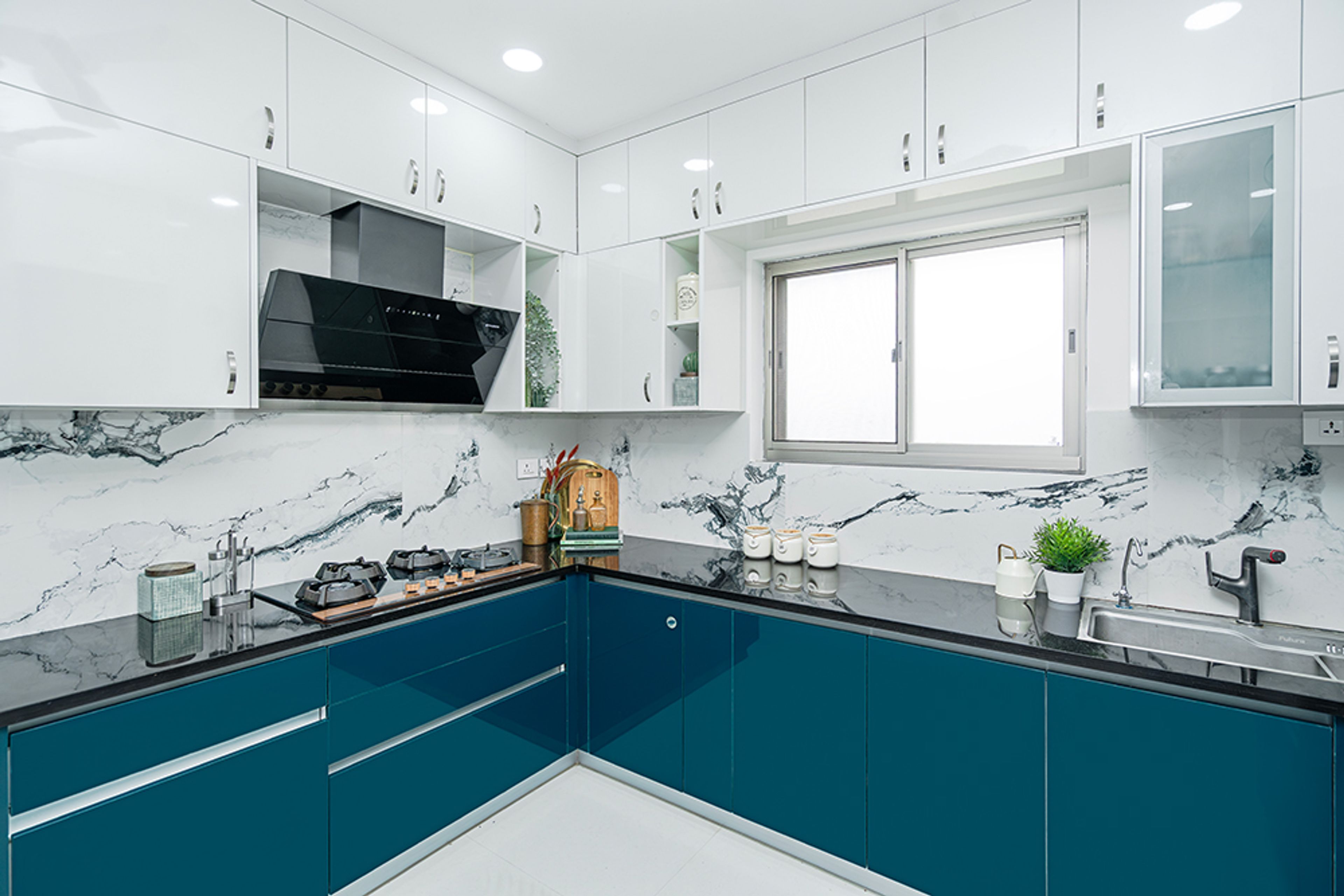
- Neutral Colors:White, gray, or beige create a calm look.
- Bold Colors:Navy, green, or black add drama and style.
- Wood Finishes:Natural wood tones add warmth and texture.
Lighting Design For L-shaped Kitchens
Good lighting makes an L-shaped kitchen look bigger and brighter. It also helps you work safely and easily.
Different types of lighting serve different purposes. This guide explains task, ambient, and accent lighting.
Task Lighting Essentials
Task lighting focuses on work areas. It helps you see clearly while cooking and cleaning.
Under-cabinet lights are great for counters. They reduce shadows and brighten your workspace.
- Use LED strips or puck lights under cabinets
- Place lights above the sink and stove
- Choose bright, white light for clarity
Ambient And Accent Lighting
Ambient lighting fills the whole room with soft light. It sets the overall mood and makes the space inviting.
Accent lighting highlights features like shelves or artwork. It adds depth and style to the kitchen.
- Use ceiling lights or recessed fixtures for ambient light
- Add pendant lights over the dining or island area
- Use spotlights or LED strips to highlight cabinets or decor
Incorporating An Island Or Peninsula
Adding an island or peninsula can improve your L-shaped kitchen’s function. It gives more workspace and storage.
These features also create a social area for cooking and dining. Let’s explore how to add them well.
Determining Suitability
Check your kitchen size before adding an island or peninsula. You need enough space for movement and work.
Measure the area carefully to see if the island fits without crowding. A peninsula works best if space is tight.
- Allow at least 36 inches around the island for walking
- An island should not block the kitchen’s main work zones
- Peninsulas attach to one wall and save floor space
- Think about how you use your kitchen daily
Design Tips For Integration
Keep the island or peninsula style in line with the rest of the kitchen. Use matching materials and colors.
Include extra storage or seating to make the most of the new space. Lighting is important to highlight these areas.
- Use the same countertop material for a unified look
- Add cabinets or drawers for more storage
- Include bar stools for seating at the island or peninsula
- Install pendant lights above for good task lighting
- Keep pathways clear and wide for easy movement

Credit: www.interiorcompany.com
Adding Personal Touches
Designing an L-shaped kitchen is a great chance to show your style. Adding personal touches makes the space feel like home.
Small details can change the whole look. Choose elements that match your taste and daily needs.
Decorative Elements
Decorative items add character and charm to your kitchen. Use them to express your personality and style.
Think about colors, textures, and shapes that make you happy. These can include wall art, rugs, or unique light fixtures.
- Choose colorful backsplashes or tiles
- Add framed art or kitchen-themed prints
- Use patterned rugs for warmth and style
- Select pendant lights with interesting designs
- Display plants or fresh flowers for life
Functional Accessories
Functional accessories keep your kitchen practical and organized. Pick items that fit your cooking habits.
These accessories help save time and space while showing your personal style.
- Use stylish containers for spices and dry goods
- Add a magnetic knife strip for easy access
- Install pull-out shelves to save space
- Choose colorful or patterned dish towels
- Include a unique fruit bowl or utensil holder
Budgeting And Cost Considerations
Designing an L-shaped kitchen requires careful budgeting. Knowing your costs helps you avoid overspending.
Planning your budget early ensures you get the kitchen you want within your means.
Estimating Expenses
Start by listing all parts of the kitchen design. Include cabinets, countertops, appliances, and labor.
Get price quotes for each item to see the total cost. Add extra money for unexpected expenses.
- Cabinets: custom or pre-made
- Countertops: material type
- Appliances: size and brand
- Labor: installation and plumbing
- Permits or design fees
- Contingency fund (about 10%)
Finding Cost-effective Solutions
Choose materials that look good but cost less. Consider laminate instead of stone for countertops.
Use ready-made cabinets instead of custom ones. Shop for sales on appliances and fixtures.
- Buy standard size cabinets
- Pick durable, low-cost countertop materials
- Look for energy-efficient appliances with rebates
- Do some installation work yourself
- Reuse or refinish old cabinets
Credit: www.livspace.com

Credit: www.designcafe.com
Frequently Asked Questions
What Are The Benefits Of An L-shaped Kitchen Design?
An L-shaped kitchen maximizes corner space efficiently. It allows easy movement between cooking, cleaning, and storage areas. This layout suits small to large kitchens and supports an open floor plan. It also encourages social interaction by creating a natural workspace triangle.
How To Choose The Right Appliances For L-shaped Kitchens?
Select appliances that fit the kitchen’s dimensions without crowding. Opt for built-in or compact models to save space. Ensure the refrigerator, stove, and sink form an efficient work triangle. Choose energy-efficient appliances to reduce utility costs and enhance functionality.
What Lighting Works Best In An L-shaped Kitchen?
Use a combination of overhead and task lighting for balance. Install under-cabinet lights to brighten countertops. Pendant lights over the peninsula or dining area add style. Ensure lighting is bright but soft to avoid glare and shadows.
How To Maximize Storage In An L-shaped Kitchen?
Use vertical space with tall cabinets and open shelves. Incorporate corner units like lazy Susans to utilize awkward spaces. Add drawers and pull-out organizers for easy access. Keep frequently used items within reach to improve workflow.
Conclusion
Designing an L-shaped kitchen brings both style and function. This layout fits well in many homes. It uses space wisely and keeps work areas close. Choose the right cabinets and countertops to match your needs. Lighting and storage also play key roles.
Small details can make a big difference. Plan carefully to create a kitchen you enjoy. A well-designed kitchen makes cooking easier and more fun. Your L-shaped kitchen can become the heart of your home.