
Choosing the right food mill can change the way you cook and prepare meals. But with so many options out there, how do you pick the one that fits your needs perfectly?
You want a tool that makes your cooking easier, not more complicated. You’ll discover simple tips to help you select a food mill that saves you time and effort. By the end, you’ll feel confident about making a choice that suits your kitchen and your style.
Keep reading—you’re closer than you think to upgrading your cooking game.

Credit: www.tkmaxx.com
Understanding Food Mills
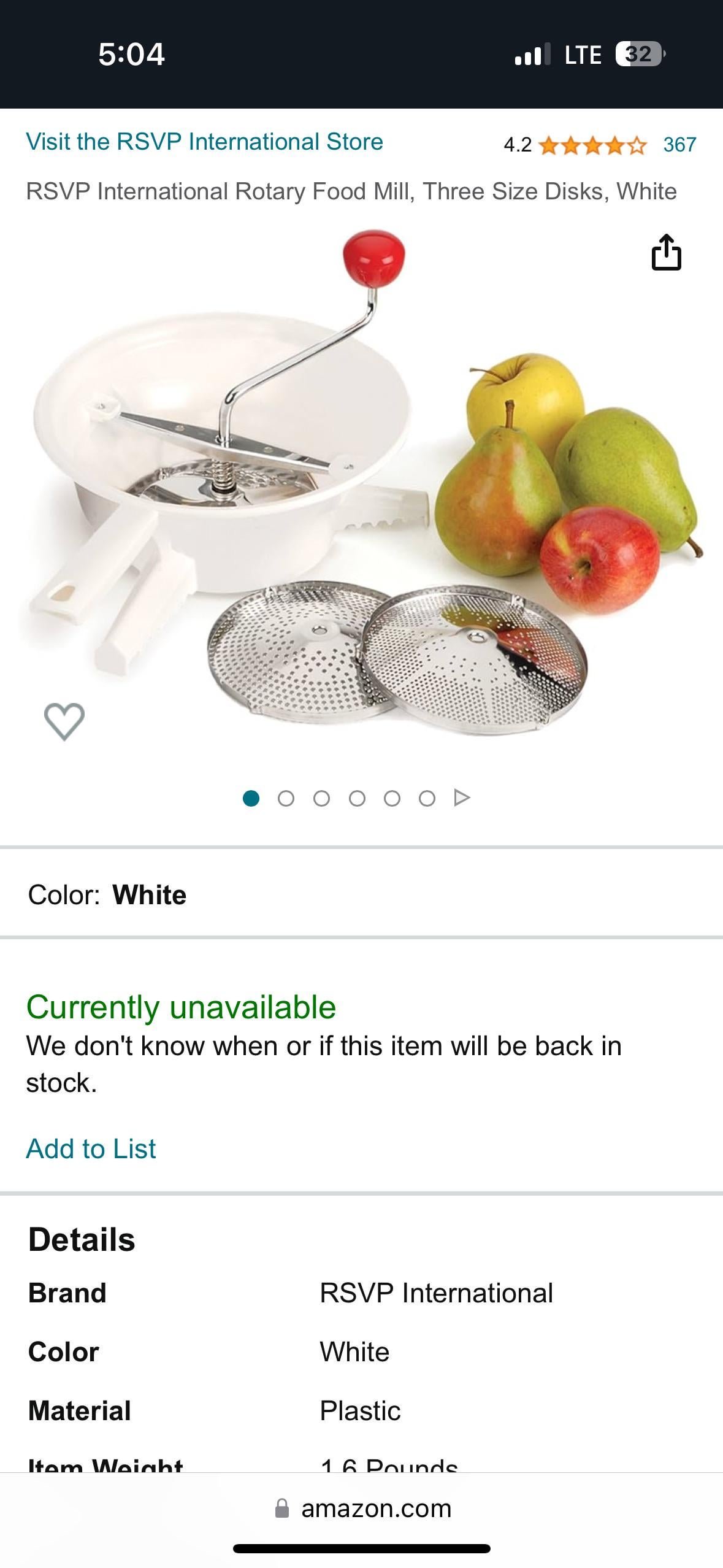
A food mill is a kitchen tool used to mash and strain foods. It helps make smooth sauces, purees, and soups.
Food mills work by pressing food through a perforated disk. This process separates skins and seeds from soft food.
Material And Build Quality
Food mills come in different materials like stainless steel and plastic. Stainless steel is strong and lasts longer.
Look for sturdy handles and a solid base. A well-built mill stays steady while you turn the crank.
- Stainless steel resists rust and damage
- Plastic models are lighter but less durable
- Strong handles give better control
- Wide base fits firmly on pots
Size And Capacity
Food mills come in various sizes. Choose one based on how much food you usually prepare.
Small mills work well for sauces or baby food. Large mills save time when cooking big batches.
- Small mills hold about 1 to 2 quarts
- Medium mills hold 3 to 4 quarts
- Large mills hold 5 quarts or more
Interchangeable Discs
Most food mills come with several discs. Each disc has different hole sizes for texture control.
Fine discs create smooth purees. Coarse discs keep some texture in your food.
- Fine disc for silky sauces and baby food
- Medium disc for mashed potatoes or soups
- Coarse disc for chunky purees and salsa
Ease Of Cleaning
Food mills can be tricky to clean. Choose a design that comes apart easily for washing.
Dishwasher-safe parts save time. Smooth surfaces stop food from sticking.
- Removable discs simplify cleaning
- Dishwasher-safe parts reduce effort
- Minimal crevices prevent food buildup
Key Features To Consider
Choosing the right food mill helps you prepare food easily. It saves time and improves your cooking.
Look at important features before buying a food mill. These features affect how well it works.
Material And Durability
Food mills come in different materials like stainless steel and plastic. Stainless steel lasts longer and is strong.
Plastic models can be lighter but may not last as long. Check if the material feels sturdy and safe for food.
- Stainless steel resists rust and damage
- Plastic is lightweight but can wear out
- Look for BPA-free plastic for safety
- Heavy materials often mean better durability
Blade And Disc Options
Different blades and discs affect how smooth the food will be. Some discs are fine, others are coarse.
Many food mills come with multiple discs. This helps you choose the right texture for your recipe.
- Fine discs make smooth purees
- Coarse discs leave bigger pieces
- Sharp blades make milling easier
- Check if discs are easy to switch
Capacity And Size
Food mills come in different sizes. Think about how much food you usually prepare at once.
A larger capacity saves time for big batches. Smaller mills work well for quick, small meals.
- Small mills hold about 1-2 quarts
- Medium mills hold 3-4 quarts
- Large mills hold 5 quarts or more
- Choose size based on your cooking needs
Ease Of Use And Cleaning
Choose a food mill that is easy to handle. Look for models with comfortable grips and stable bases.
Cleaning should be simple. Some food mills can be taken apart and washed in a dishwasher.
- Non-slip feet add stability
- Dishwasher-safe parts save time
- Simple design means fewer parts to clean
- Check if it fits your kitchen tools
Comparing Food Mills And Alternatives
Food mills help cook and prepare food by mashing or straining it. They are useful for making smooth sauces, purees, and soups.
There are different tools for similar tasks, like food processors and electric mills. Choosing the right one depends on what you need.
Food Mills Vs. Food Processors
Food mills use a hand crank to push food through a screen. This removes seeds and skins while making smooth textures.
Food processors use sharp blades to chop or blend food quickly. They can handle many tasks but may not remove skins as well.
- Food mills make smoother purees without skins or seeds
- Food processors are faster but may keep some skins
- Food mills work well for soft foods like cooked fruits
- Food processors work well for chopping and mixing raw foods
Manual Vs. Electric Food Mills
Manual food mills use a hand crank to press food through a screen. They need more effort but give good control.
Electric food mills work automatically with a motor. They save time and energy but may be harder to clean.
- Manual mills require physical work but are easy to clean
- Electric mills are faster and less tiring
- Manual mills are quiet and need no power
- Electric mills are better for large amounts of food
Selecting The Right Food Mill For Your Needs
A food mill is a useful kitchen tool for pureeing and straining foods. Picking the right one makes cooking easier and faster.
Different food mills work best for different tasks. Think about how often you will use it and what foods you will prepare.
For Home Cooks
Home cooks need a food mill that is easy to use and clean. A medium size works well for most meals.
Look for a mill with multiple discs to change the texture of your food. Stainless steel parts last longer and resist rust.
- Choose a size that fits your usual cooking portions
- Pick one with removable parts for easy cleaning
- Use models with comfortable handles for better grip
- Make sure it fits over your pots or bowls
For Professional Chefs
Professional chefs need a heavy-duty food mill that can handle large volumes. Durability is a key factor in their choice.
Look for mills with strong construction and easy disc changes. These features save time during busy kitchen hours.
- Choose food mills made from commercial-grade stainless steel
- Pick models with large capacity for big batches
- Look for mills with quick-release discs for fast swapping
- Check for stable bases to prevent slipping during use
Top Brands And Models
Choosing the right food mill can make cooking easier. Many brands offer different models with unique features.
Here are some top brands and popular models to consider when selecting a food mill.
Oxo Good Grips Food Mill
The OXO Good Grips Food Mill is known for its comfortable handle. It has a non-slip grip for easy turning.
This model comes with three discs for fine, medium, and coarse textures. It fits over most pots.
- Comfortable, soft handle
- Three stainless steel discs
- Fits various pot sizes
- Dishwasher safe
Kitchenaid Food Grinder Attachment
This KitchenAid attachment works with the stand mixer. It mills food quickly and easily.
The model is good for grinding fruits and vegetables. It helps make sauces and purees smooth.
- Attaches to KitchenAid mixers
- Multiple grinding plates
- Fast processing
- Easy to clean
Bellemain Stainless Steel Food Mill
Bellemain offers a classic stainless steel food mill. It has a sturdy design and strong handle.
This model includes three interchangeable discs. It is suitable for soups, sauces, and baby food.
- Durable stainless steel build
- Three disc sizes
- Easy to assemble and use
- Dishwasher safe
Cuisipro Food Mill
The Cuisipro Food Mill has a wide mouth for easy filling. It also features a soft grip handle.
This model comes with three stainless steel discs. It is lightweight and easy to clean.
- Wide mouth opening
- Soft grip handle
- Three grinding discs
- Dishwasher safe
:max_bytes(150000):strip_icc()/ses-magic-mill-food-dehydrator-donna-currie-16-56728d615d1b433fb75b3223fd29892f.jpeg)
Credit: www.thespruceeats.com
Expert Tips For Using A Food Mill
A food mill is a handy kitchen tool that helps you puree and strain foods. It is great for making sauces, soups, and baby food.
Selecting the right food mill and using it well can save time and effort. Here are some expert tips to get the best results.
Best Practices For Consistent Results
Use the right disk size to match the food texture you want. Fine disks make smooth purees, while coarse disks leave more texture.
Press food evenly and avoid overfilling the mill. This keeps the process smooth and prevents clogging.
- Cut food into small, even pieces before milling.
- Work in batches to avoid overloading the mill.
- Turn the handle at a steady pace for even pressing.
- Scrape the underside of the mill disk to clear blockages.
Maintenance And Care Tips
Clean your food mill right after use to prevent food from drying on it. This keeps the mill working well for a long time.
Check all parts for damage before each use. Replace worn disks or handles to keep the mill safe and efficient.
- Disassemble the mill for thorough cleaning.
- Wash parts in warm, soapy water.
- Use a brush to clean small holes in the disk.
- Dry all parts completely before storing.
- Store the mill in a dry place to avoid rust.
:max_bytes(150000):strip_icc()/faw-tier-3-oxo-good-grips-radial-pepper-mill-0-443017ee0d6f4bf2a13a7ed997bcc172.jpeg)
Credit: www.foodandwine.com
Frequently Asked Questions
What Is A Food Mill Used For In Cooking?
A food mill purees and strains soft foods like fruits and vegetables. It’s ideal for making sauces, soups, and baby food. It removes seeds and skins while preserving texture, offering a smooth, fresh result without electricity or complex tools.
How Do I Choose The Right Food Mill Size?
Select a food mill size based on your typical batch volume. Smaller mills suit personal or small-family use, while larger ones handle bulk cooking. Consider storage space and ease of cleaning. A medium-sized mill offers versatility for most kitchens.
Which Materials Are Best For Food Mills?
Stainless steel food mills are durable, rust-resistant, and easy to clean. Aluminum mills are lighter but may react with acidic foods. Plastic mills are lightweight but less sturdy. Choose based on durability, maintenance, and the foods you prepare.
Can A Food Mill Replace A Blender Or Food Processor?
A food mill offers a smoother, more natural texture than blenders or processors. It’s better for removing skins and seeds without overprocessing. However, it works slower and requires manual effort. Use it when texture and purity matter most.
Conclusion
Choosing the right food mill makes cooking easier and more fun. Think about what you cook most and how often you use it. Check for a sturdy design and easy cleaning. Size matters—pick one that fits your kitchen space and needs.
A good food mill helps you prepare smooth sauces, purees, and soups quickly. Take your time, compare options, and trust your choice. Enjoy making delicious meals with the perfect kitchen tool. Simple steps lead to great results.