
You use your cooking utensils every day to prepare meals, but are you sure they’re truly clean and safe? Properly sanitizing your utensils after use is key to keeping harmful bacteria away and protecting your health.
If you want to avoid foodborne illnesses and keep your kitchen safe, this guide will show you simple, effective steps to sanitize your cooking tools. Keep reading, and you’ll learn easy habits that make a big difference for your family’s safety.
Importance Of Sanitizing Utensils
Sanitizing cooking utensils keeps your kitchen safe. It stops germs from spreading to your food.
Clean utensils help prevent food poisoning. They protect your health and the health of others.
Preventing Foodborne Illnesses
Dirty utensils can carry harmful bacteria. These bacteria cause foodborne illnesses like salmonella.
Sanitizing removes bacteria and other germs. This reduces the chance of getting sick from food.
Maintaining Kitchen Hygiene
Sanitizing utensils keeps your kitchen clean and safe. It stops germs from spreading to other tools.
Good hygiene helps you cook healthier meals. It also keeps your kitchen smelling fresh and clean.
Extending Utensils’ Lifespan
Proper cleaning and sanitizing prevent rust and damage. This helps your utensils last longer.
Well-maintained utensils work better and look nicer. Sanitizing protects your kitchen tools investment.
Ensuring Safe Food Preparation
Sanitized utensils stop cross-contamination between raw and cooked foods. This keeps food safe to eat.
Using clean tools helps you cook with confidence. It supports good food safety habits every time.
Common Germs In The Kitchen
Kitchens have many germs that can cause sickness. These germs hide on cooking utensils after use.
Cleaning and sanitizing utensils helps stop germs from spreading. Knowing common germs helps you clean better.
Salmonella
Salmonella is a bacteria found in raw meat and eggs. It can cause stomach pain, fever, and diarrhea.
This germ can stick to knives, cutting boards, and spoons. Washing with hot water and soap kills Salmonella.
E. Coli
E. coli bacteria live in raw meat and unwashed vegetables. It may cause severe stomach cramps and vomiting.
Utensils that touch raw foods can carry E. coli. Use separate tools for raw and cooked foods to avoid spread.
Listeria
Listeria grows on cold foods like cheese and deli meat. It can cause serious illness, especially in pregnant women.
This germ can survive in the fridge. Clean utensils with hot, soapy water and sanitize to kill Listeria.
Norovirus
Norovirus spreads through contaminated food and surfaces. It causes vomiting and diarrhea and spreads fast.
Wash utensils well after use, especially if someone is sick. Use hot water and disinfectants to kill the virus.
Campylobacter
Campylobacter is common in raw poultry. It causes diarrhea, fever, and stomach pain.
It spreads through cutting boards and knives. Clean and sanitize utensils after handling raw chicken to prevent illness.
Basic Cleaning Vs. Sanitizing
Cleaning and sanitizing cooking utensils are both important. They help keep your kitchen safe and healthy.
Cleaning removes dirt and food from utensils. Sanitizing kills germs and bacteria that remain after cleaning.
What Is Basic Cleaning?
Basic cleaning means washing utensils with soap and water. It removes grease, food bits, and visible dirt.
Cleaning is the first step before you sanitize. Without cleaning, sanitizing does not work well.
- Use warm water and dish soap
- Scrub all surfaces of the utensil
- Rinse well to remove soap
What Is Sanitizing?
Sanitizing means using heat or chemicals to kill germs on utensils. It lowers the number of bacteria to safe levels.
You should sanitize utensils after cleaning to stop illness from germs. Sanitizing does not remove dirt but kills microbes.
- Use hot water (at least 171°F or 77°C) for 30 seconds
- Or use a food-safe chemical sanitizer
- Let utensils air dry after sanitizing
Differences Between Cleaning And Sanitizing
Cleaning removes visible dirt, while sanitizing kills unseen germs. Both are needed for safe cooking utensils.
| Aspect | Cleaning | Sanitizing |
|---|---|---|
| Purpose | Remove dirt and food | Kill germs and bacteria |
| Process | Wash with soap and water | Use heat or chemical agents |
| Effectiveness | Removes visible mess | Reduces germs to safe levels |
| When to do | Before sanitizing | After cleaning |
Choosing The Right Sanitizing Agents
Cleaning cooking utensils well is important to keep them safe. Using the right sanitizing agents helps remove germs and bacteria. Choosing the best agent depends on your needs and preferences.
This guide explains natural options and commercial products. You can pick what works best for your kitchen and utensils.
Natural Options
Natural sanitizers come from everyday household ingredients. They are safe and easy to find. These options work well for most cooking utensils.
Common natural sanitizers include vinegar and baking soda. Vinegar kills many germs and removes smells. Baking soda cleans and helps remove stains.
- White vinegar: Use diluted vinegar to wipe or soak utensils.
- Baking soda: Make a paste with water to scrub utensils.
- Lemon juice: Has natural antibacterial properties and freshens.
- Hot water: Pour boiling water to kill most bacteria quickly.
Commercial Products
Commercial sanitizers are made specifically to kill germs fast. They come in sprays, wipes, and liquids. These products often have strong ingredients that work well.
Look for sanitizers labeled safe for kitchen use. Follow the instructions to avoid damage to utensils. Rinse well if the product requires it.
- Chlorine bleach solutions: Use diluted bleach for deep sanitizing.
- Quaternary ammonium compounds: Found in many kitchen sanitizers.
- Alcohol-based sprays: Kill germs quickly on dry surfaces.
- Dishwasher sanitizing cycles: Use built-in sanitizer in dishwashers.
Step-by-step Sanitizing Process
Sanitizing cooking utensils is important to keep your kitchen clean and safe. This process removes germs and food residue from your tools.
Follow these simple steps to properly sanitize your cooking utensils after each use.
Pre-wash Preparation
Start by removing large food particles from your utensils. Use a scraper or paper towel to wipe off leftover food.
Sort utensils by type and material. This helps avoid damage during washing and ensures thorough cleaning.
- Scrape off food scraps
- Separate metal, plastic, and wooden utensils
- Check for any stuck-on residue
Soaking Techniques
Fill a sink or basin with warm water and add a mild dish soap. Soak utensils for 10 to 15 minutes to loosen grime.
For tough stains or grease, add a small amount of white vinegar or baking soda. These natural cleaners help break down residue.
- Use warm water with dish soap
- Soak utensils for 10-15 minutes
- Add vinegar or baking soda for tough stains
Rinsing And Drying
Rinse utensils under hot running water to remove soap and loosened dirt. Check all surfaces to ensure cleanliness.
Dry utensils completely with a clean towel or air dry on a rack. Drying prevents bacteria growth and water spots.
- Rinse with hot water
- Inspect for remaining dirt
- Dry with a clean towel or air dry

Credit: www.bondcleaning.sydney
Tips For Different Types Of Utensils
Cleaning cooking utensils well stops germs from spreading. Different materials need different care. Using the right method helps keep utensils safe and lasts longer.
Here are tips for metal, wooden, and plastic utensils. Follow these to clean each type properly after use.
Metal Utensils
Metal utensils like spoons and forks handle heat well. Wash them with hot, soapy water to remove food. Use a scrub brush for stuck bits.
Rinse with clean water and dry immediately. This stops rust and keeps them shiny. Avoid soaking for too long to protect the metal.
- Use hot water and soap
- Scrub off food bits
- Rinse well with clean water
- Dry immediately to avoid rust
- Do not soak for hours
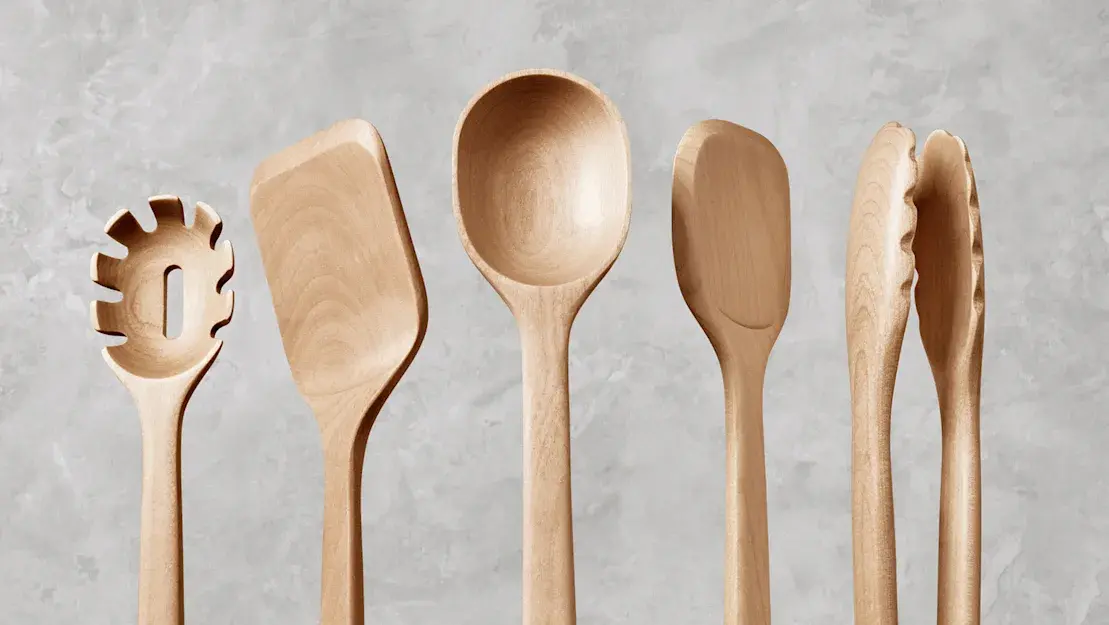
Wooden Utensils
Wooden utensils need gentle cleaning to avoid cracks. Wash them by hand with mild soap and warm water. Do not soak wood in water for a long time.
Dry wooden utensils with a towel right away. Oil them now and then to keep wood smooth and prevent drying out.
- Wash with mild soap and warm water
- Do not soak in water
- Dry with a towel immediately
- Apply food-safe oil occasionally
Plastic Utensils
Plastic utensils can hold bacteria in scratches. Clean them with hot, soapy water and a soft sponge. Use a brush for grooves or textured handles.
Rinse well to remove soap. Some plastic utensils are dishwasher safe. Check the label before using a dishwasher to avoid melting.
- Wash with hot water and soap
- Use a sponge or soft brush
- Rinse thoroughly
- Check if dishwasher safe before use
- Replace if scratched or damaged
Preventing Recontamination
Cleaning cooking utensils is important to stop germs from spreading. After washing, you must keep them clean to avoid recontamination.
Recontamination happens when clean utensils touch dirty surfaces or hands. Following simple steps helps keep utensils safe.
Use Clean Dry Towels Or Air Dry
After sanitizing, dry utensils with clean towels or let them air dry. Wet utensils can attract bacteria quickly.
Using dirty towels can add germs back to your utensils. Always use fresh towels for drying.
Store Utensils Properly
Keep sanitized utensils in clean, dry places. Avoid stacking them where dirt can get inside.
Use closed containers or drawers to protect utensils from dust and germs.
Avoid Touching Clean Utensils With Dirty Hands
Always wash your hands before handling clean utensils. Dirty hands can transfer bacteria back to utensils.
Use tongs or gloves if you need to touch utensils immediately after sanitizing.
Keep Cleaning Areas Sanitary
Clean the sink, countertop, and drying racks often. Dirty surfaces can recontaminate utensils.
Use disinfectant to wipe down areas before placing sanitized utensils there.
Use Separate Utensils For Raw And Cooked Foods
Do not mix utensils used for raw food with those for cooked food. This stops germs from spreading.
- Label or color-code utensils
- Store raw food utensils separately
- Clean hands between handling different utensils
Storing Sanitized Utensils
Storing utensils correctly after cleaning helps keep them safe to use. Proper storage stops germs and dirt from returning.
Clean and dry utensils must be stored in a clean place. This keeps them ready for the next use.
Use Clean, Dry Containers
Store utensils in containers that are clean and dry. This prevents moisture and bacteria from building up.
Containers should be washed regularly to keep them free from dirt and germs.
Keep Utensils Off The Floor
Do not place utensils on the floor after cleaning. Floors have dust and germs that can contaminate utensils.
Use shelves, racks, or hooks to store sanitized utensils safely above ground level.
Separate Different Types Of Utensils
Store knives, spoons, forks, and other utensils separately. This avoids scratches and damage.
Use divided trays or holders to organize utensils by type for easy access and safety.
Store Utensils In A Dry, Ventilated Area
Keep utensils in a place with good air flow. This helps them dry fully and stay clean.
Avoid closed spaces that trap moisture and cause rust or bacteria growth on utensils.
Cover Utensils To Protect Them
Use lids, cloth covers, or plastic wrap to protect stored utensils from dust and insects.
Make sure covers are clean and allow air to pass to prevent moisture build-up.
Routine Maintenance Practices
Sanitizing cooking utensils after each use keeps your kitchen safe. It helps stop the spread of germs and bacteria.
Following routine maintenance practices ensures your utensils stay clean and last longer.
Wash With Hot Soapy Water
Clean utensils with hot water and dish soap right after use. This removes food and grease effectively.
Scrub all surfaces well to clear off any stuck particles.
Rinse Thoroughly
Rinse utensils under clean running water to remove soap and dirt. This step is important to avoid residue.
Make sure no soap bubbles or food bits remain on the utensils.
Use Sanitizing Solutions
Sanitize utensils by soaking them in a safe solution. Common solutions include diluted bleach or vinegar water.
Soak for at least one minute to kill most germs before drying.
- Mix 1 tablespoon of bleach in 1 gallon of water
- Alternatively, use equal parts vinegar and water
- Do not use harsh chemicals that can damage utensils
Dry Utensils Completely
Dry utensils with a clean towel or air dry them on a rack. Moisture can cause bacteria to grow.
Store dry utensils in a clean, dry place to keep them sanitary.
Regularly Inspect For Damage
Check utensils for cracks or rust often. Damaged utensils can harbor germs even after cleaning.
Replace or repair utensils that show wear to keep your kitchen safe.
Credit: www.carawayhome.com

Credit: www.delish.com
Frequently Asked Questions
How Often Should I Sanitize Cooking Utensils?
You should sanitize cooking utensils after each use to prevent bacteria buildup. Regular sanitizing ensures food safety and hygiene in your kitchen.
What Is The Best Way To Sanitize Utensils At Home?
The best way is to wash utensils with hot soapy water, then soak them in a bleach solution or use a dishwasher with a sanitizing cycle.
Can I Use Vinegar To Sanitize Cooking Utensils?
Vinegar has some antibacterial properties but is less effective than bleach or commercial sanitizers. It’s better for cleaning than full sanitizing.
Is Boiling Water Effective For Sanitizing Utensils?
Yes, boiling water kills most bacteria and viruses. Boil utensils for at least 5 minutes to ensure proper sanitization.
Conclusion
Sanitizing cooking utensils keeps your kitchen safe and clean. Wash with hot, soapy water first. Use a disinfectant or boiling water to kill germs. Dry utensils completely before storing them. Regular cleaning stops bacteria from spreading. Clean tools help prevent foodborne illness.
Make sanitizing a simple habit every day. Safe cooking starts with clean utensils. Keep your family healthy and happy.