
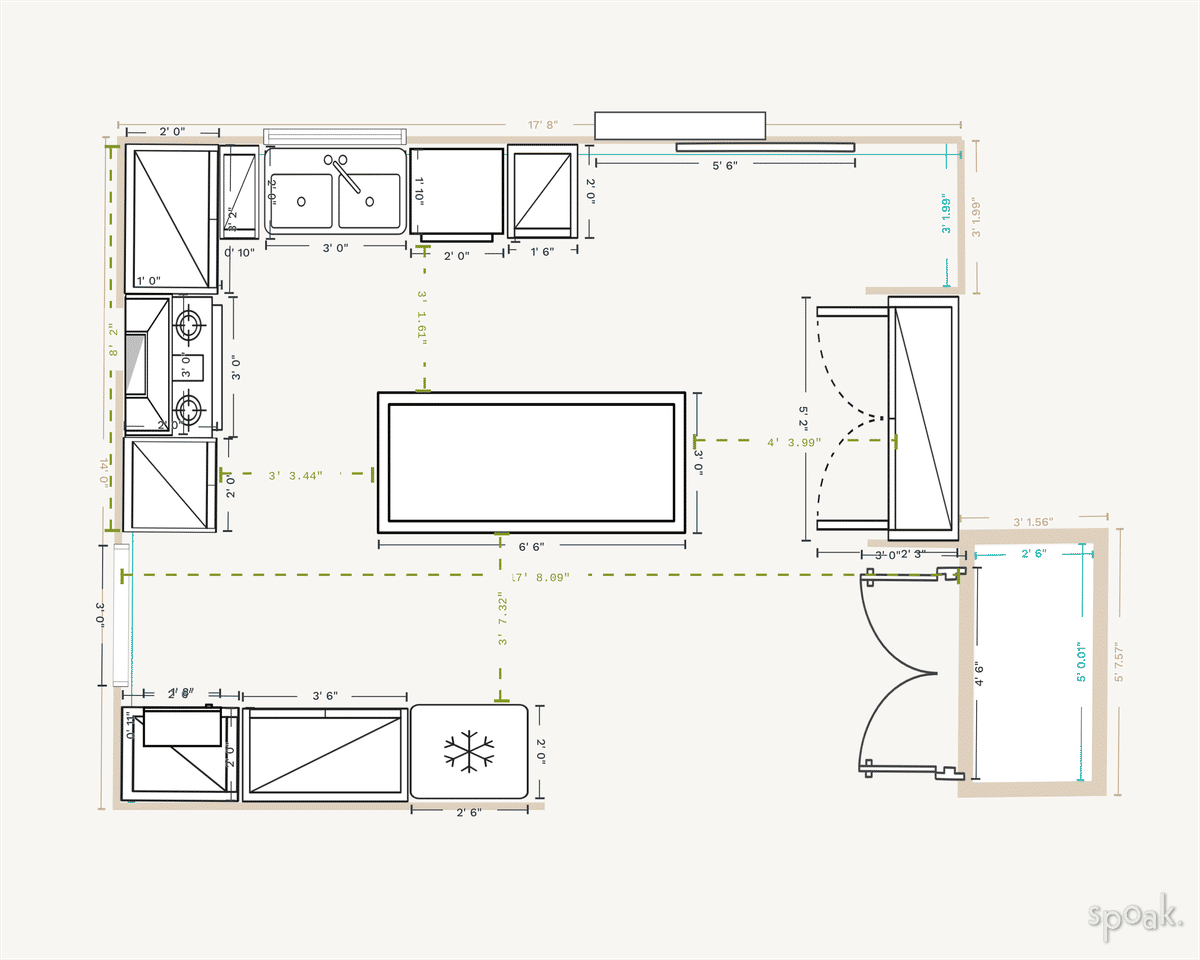
Your kitchen should be more than just a place to cook—it needs to work for you. Imagine moving smoothly from chopping vegetables to washing dishes without bumping into counters or searching for utensils.
A functional kitchen layout makes your daily tasks easier, saves time, and even inspires you to try new recipes. If you’ve ever felt frustrated by cramped spaces or awkward setups, this guide is for you. Keep reading to discover simple steps that will help you design a kitchen layout tailored perfectly to your needs and lifestyle.
Planning Your Kitchen Space
Designing a functional kitchen starts with good planning. Your kitchen should fit your daily needs and feel comfortable.
Take time to think about how you use your kitchen. This helps create a space that works well for you.
Assessing Your Needs
Look at how you cook, eat, and store food. Think about who uses the kitchen and how often.
Make a list of must-have features like appliances, storage, and workspace. This keeps your design focused.
- Number of people cooking at once
- Types of meals you prepare
- Storage for pots, pans, and food
- Space for dining or socializing
Setting A Budget
Decide how much money you can spend before you start. This helps avoid surprises later.
Plan for costs like appliances, cabinets, lighting, and labor. Keep some funds for unexpected expenses.
- Appliances and fixtures
- Cabinetry and countertops
- Lighting and electrical work
- Installation and labor costs
Choosing The Right Style
Pick a style that fits your home and your taste. Your kitchen should look nice and feel right.
Consider styles like modern, traditional, or farmhouse. Think about colors, materials, and finishes.
- Modern: clean lines and minimal design
- Traditional: warm tones and classic details
- Farmhouse: rustic look with natural materials
- Transitional: mix of old and new styles
The Work Triangle Concept
The work triangle is a classic kitchen design idea. It connects three main areas: sink, stove, and fridge.
This layout helps keep the kitchen efficient and easy to use. It reduces walking distance and saves time.
Positioning The Sink
The sink is the center of most kitchen tasks. Place it where you have enough space to work around.
Keep the sink near the stove and fridge but with enough room for washing and prepping food.
Optimal Stove Placement
Place the stove so you can move easily between it and the sink. Avoid placing it too close to walls.
Make sure there is counter space on both sides of the stove for safety and convenience.
- Leave at least 12 inches of counter space on each side
- Keep the stove away from doorways to avoid accidents
- Place the stove near a window or vent for good airflow
Fridge Accessibility
The fridge should be easy to reach from the sink and stove. This makes cooking faster and smoother.
Place the fridge near the kitchen entrance to unload groceries quickly and avoid blocking work areas.
Maximizing Storage Solutions
Designing a kitchen that works well means using every inch wisely. Storage is key to keep your kitchen neat and easy to use.
Smart storage ideas help you fit more things without clutter. This saves space and makes cooking easier.
Cabinet Innovations
Modern cabinets have new features that improve storage. Pull-out shelves and deep drawers make items easy to reach.
Soft-close doors and adjustable shelves add comfort and flexibility. These changes keep your kitchen organized and quiet.
- Pull-out spice racks for small bottles
- Corner cabinets with rotating trays
- Vertical dividers for baking trays
- Built-in trash and recycling bins
Smart Pantry Designs
A well-planned pantry stores food and kitchen tools neatly. Clear containers and labels help you find items fast.
Using adjustable shelves and baskets lets you change the space to fit different items. This keeps the pantry tidy.
- Use clear jars for grains and pasta
- Add pull-out baskets for fruits and veggies
- Install sliding shelves for canned goods
- Label shelves to keep things organized
Utilizing Vertical Space
Vertical space is often missed but very useful. Tall cabinets and wall shelves help store more without crowding counters.
Hooks and magnetic strips keep tools handy and free up drawer space. This makes the kitchen look clean and open.
- Install ceiling-high cabinets for less-used items
- Add wall-mounted racks for pots and pans
- Use magnetic strips for knives and utensils
- Hang mugs and cups on hooks under cabinets
Efficient Lighting Strategies
Good lighting makes your kitchen both safe and pleasant. It helps you see well while cooking.
Using different types of lighting creates a balanced and useful kitchen space.
Task Lighting Essentials
Task lighting focuses on areas where you work, like countertops and sinks. It helps you do tasks clearly.
Use bright, direct lights above cooking and prep zones. This reduces shadows and improves safety.
- Install LED strip lights under cabinets
- Use adjustable pendant lights over islands
- Place spotlights near the stove and sink
Ambient Lighting Ideas
Ambient lighting fills the whole room with soft light. It sets a warm and inviting mood.
Use ceiling fixtures or recessed lights for even light. This makes the kitchen feel open and bright.
- Choose dimmable ceiling lights for control
- Use flush mount lights for low ceilings
- Try LED panels for energy savings
Accent Lighting Touches
Accent lighting highlights features like shelves or artwork. It adds style and depth to the kitchen.
Use small lights to create focus points and contrast. This adds interest without glare.
- Install puck lights inside glass cabinets
- Use LED strips under counter edges
- Place wall sconces near dining areas
Selecting Durable Materials
Choosing strong materials is key to a kitchen that lasts. Durable materials save money and time.
Look for materials that resist scratches, stains, and wear. Good choices keep your kitchen looking fresh.
Countertop Options
Countertops see lots of use, so pick tough materials. They should resist heat, stains, and cuts.
Popular durable options include granite, quartz, and solid surface. Each has benefits and care needs.
- Granite:Very hard and heat-resistant. Needs sealing to prevent stains.
- Quartz:Non-porous and low maintenance. Resistant to scratches and stains.
- Solid Surface:Made of acrylic or polyester. Easy to repair if scratched.
Flooring Durability
Kitchen floors face spills, drops, and heavy foot traffic. Choose materials that stand up to these.
Look for floors that resist water, stains, and scratches. Comfort and ease of cleaning matter too.
- Porcelain Tile:Water and scratch resistant. Easy to clean.
- Vinyl:Soft underfoot and waterproof. Affordable and easy to install.
- Hardwood:Strong and warm. Needs sealing to protect against water.
Cabinet Material Choices
Kitchen cabinets need to handle moisture, heat, and daily use. Choose materials that last long.
Wood, plywood, and MDF are common. Each type offers different strength and moisture resistance.
- Solid Wood:Strong and natural. Can warp if not sealed well.
- Plywood:Durable and resists warping. Good for moist kitchens.
- MDF:Smooth finish and affordable. Less resistant to water damage.
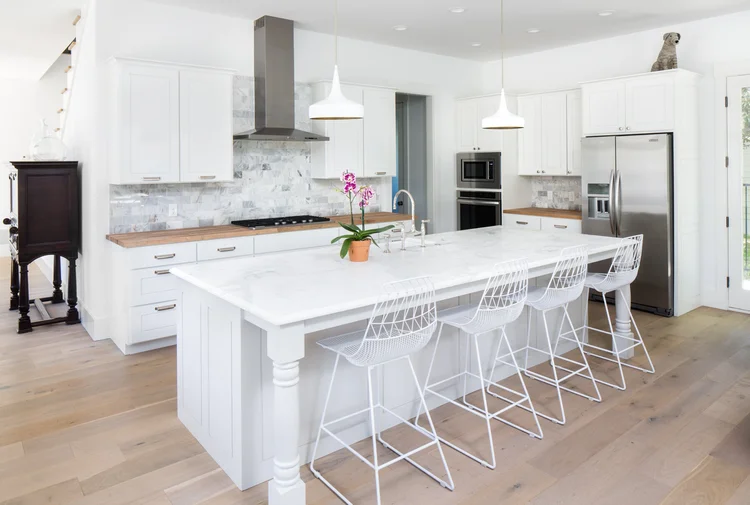
Credit: www.studiodk.com
Incorporating Modern Technology
Designing a kitchen today means adding smart technology. It helps make cooking easier and faster.
Modern tech also saves energy and improves how you use your space.
Smart Appliances
Smart appliances connect to Wi-Fi and let you control them from your phone. You can start your oven or check the fridge without being there.
These devices often have sensors to cook food perfectly or keep things fresh longer.
- Smart refrigerators with touch screens and cameras
- Ovens that you can preheat remotely
- Voice-controlled coffee makers and microwaves
Energy-efficient Solutions
Energy-efficient tools save power and reduce bills. They use less electricity but still work well.
Look for appliances with energy star ratings and LED lighting to cut waste.
- LED lights for bright, low-energy use
- Energy Star certified dishwashers and refrigerators
- Induction cooktops that heat quickly and use less power
Home Automation Systems
Home automation lets you control kitchen devices from one place. You can set schedules and monitor energy use.
Systems can connect lights, appliances, and security for better safety and comfort.
- Central hubs to control all smart devices
- Voice assistants to run kitchen tasks hands-free
- Smart sensors to detect leaks or smoke
Designing For Safety And Accessibility
A kitchen should be safe and easy to use for everyone. Good design helps prevent accidents and makes cooking more comfortable.
Planning your kitchen with safety and accessibility in mind helps all family members enjoy the space. This includes children and people with mobility needs.
Childproofing Tips
Keep sharp tools and cleaning products out of children’s reach. Use locks on cabinets and drawers where you store dangerous items.
Install stove knob covers to stop children from turning on burners. Use corner guards on counters to avoid injuries from sharp edges.
- Store knives and scissors high or in locked drawers
- Use safety locks on cabinets with chemicals
- Place stove knob covers to prevent accidental use
- Add corner protectors on counters and tables
- Keep small appliances unplugged when not in use
Adapting For Mobility
Design your kitchen so it is easy to move around in a wheelchair or with a walker. Make sure paths are wide and clear of obstacles.
Lower counters and sinks help people who sit while cooking. Use pull-out shelves and drawers for easier access to items.
- Leave at least 36 inches wide paths for easy movement
- Use lower counters around 30-34 inches high
- Install pull-out shelves and drawers
- Choose lever-style handles for faucets and doors
- Place appliances at reachable heights
Safe Appliance Installation
Place appliances where they are easy to reach and use safely. Avoid placing ovens or microwaves too high or low.
Use anti-tip brackets for stoves to prevent accidents. Make sure electrical outlets are properly installed and grounded.
- Install ovens and microwaves at waist or eye level
- Use anti-tip devices on stoves and ranges
- Keep appliance cords away from water and heat
- Check that outlets have ground-fault circuit interrupters (GFCI)
- Allow space around appliances for ventilation
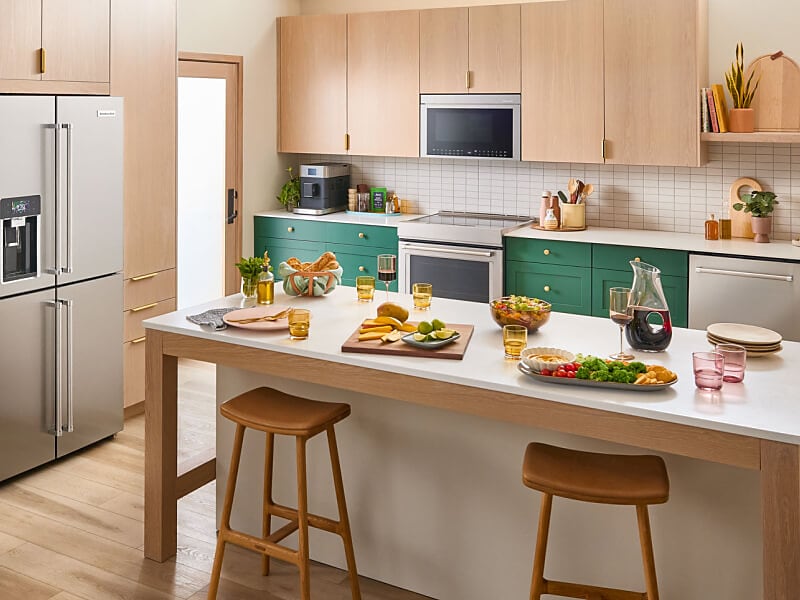
Credit: www.kitchenaid.com
Personalizing Your Kitchen
Designing a kitchen is not just about function. It is also about making the space feel like yours. Adding personal touches can make your kitchen warm and inviting.
Personalizing your kitchen helps it stand out. It reflects your style and makes cooking more enjoyable.
Adding Personal Touches
Add items that show your personality. These could be family heirlooms, unique utensils, or your favorite cookbooks. Small details make a big difference.
Think about how you use your kitchen. Add elements that suit your lifestyle, like a coffee station or a chalkboard for notes.
Choosing Color Schemes
Pick colors that make you feel happy and calm. Light colors can make the space look bigger. Dark colors add a cozy feel.
- Soft pastels for a fresh look
- Bold colors for energy and style
- Neutral tones for a timeless design
Try to match your color scheme with your kitchen style. Use colors on walls, cabinets, and accessories.
Incorporating Art And Decor
Add art pieces that inspire you. This could be paintings, prints, or sculptures. Art adds character to your kitchen walls.
Decor items like plants, vases, or bowls can brighten the space. Choose items that fit your kitchen’s theme and colors.
- Framed prints or photos on the walls
- Fresh or fake plants on counters
- Decorative bowls or trays for fruit
- Unique light fixtures for style

Credit: www.studiodk.com
Frequently Asked Questions
What Is The Best Kitchen Layout For Functionality?
The best kitchen layout maximizes workflow by placing the sink, stove, and refrigerator in a triangle. This “work triangle” minimizes movement. It ensures efficient cooking and cleaning processes. Common layouts include U-shape, L-shape, and galley kitchens, designed for space and ease of use.
How Do I Plan Kitchen Storage Effectively?
Plan storage by categorizing items and placing them near their use areas. Use cabinets, drawers, and shelves to maximize space. Incorporate pull-out organizers and vertical storage. This keeps your kitchen tidy and functional. Proper storage improves accessibility and reduces clutter.
Why Is Countertop Space Important In Kitchen Design?
Countertop space is vital for food preparation and appliance placement. Adequate space prevents overcrowding and improves workflow. It allows multiple tasks simultaneously, enhancing kitchen efficiency. More countertop space also adds value and comfort to your kitchen design.
How To Choose The Right Kitchen Work Triangle?
Choose a work triangle that connects the sink, stove, and refrigerator efficiently. The distance between each point should be between 4 and 9 feet. This reduces unnecessary steps and improves kitchen flow. Avoid placing obstacles within the triangle for smooth movement.
Conclusion
Designing a kitchen layout takes careful thought and planning. Keep your space organized for easy movement. Focus on placing key areas close to each other. Choose designs that fit your cooking style and needs. A good layout makes cooking faster and more fun.
Small changes can create big improvements. Take time to plan well and enjoy your kitchen more. Your kitchen should feel comfortable and work well every day.