
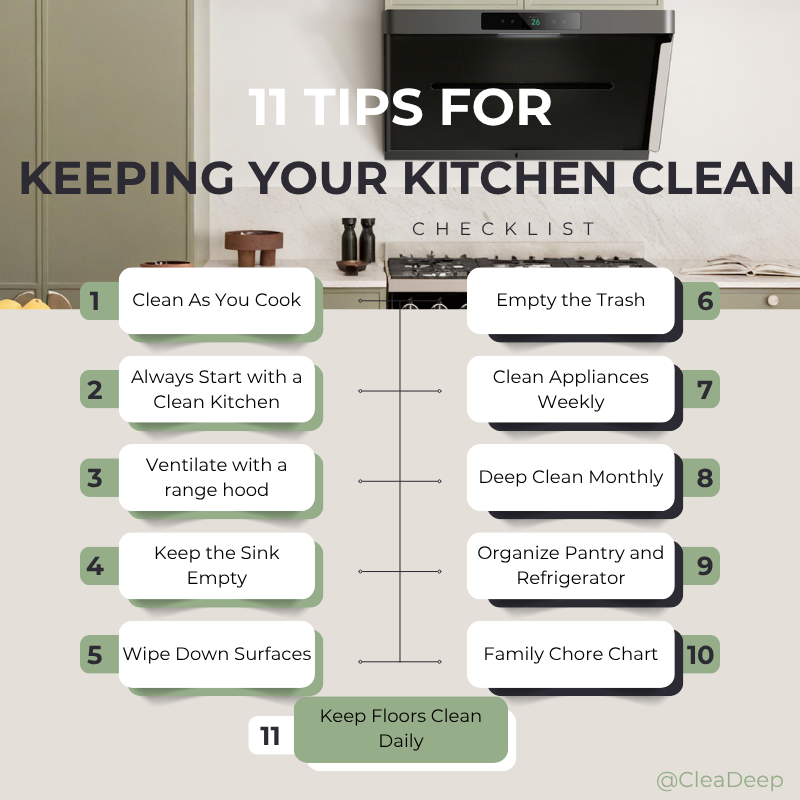
Your kitchen cabinets are more than just storage spaces—they are a key part of keeping your kitchen clean and safe. But have you ever stopped to think about how often you clean inside them?
Dust, crumbs, and spills can hide in those corners, making your kitchen less hygienic than you realize. If you want to protect your food and your family’s health, learning how to maintain hygiene in your kitchen cabinets is essential. Keep reading, and you’ll discover simple, effective tips that will make your cabinets spotless and your kitchen a healthier place to cook and eat.
Importance Of Kitchen Cabinet Hygiene
Keeping kitchen cabinets clean helps stop germs from spreading. Dirty cabinets can cause food contamination.
Good hygiene in cabinets protects your family’s health. It also keeps your kitchen looking fresh and neat.
Preventing Bacteria Growth
Kitchen cabinets hold many items that can attract bacteria. Moisture and food spills create a perfect place for germs.
Cleaning cabinets regularly stops bacteria from growing. This keeps your kitchen safer and reduces bad smells.
Avoiding Pest Infestations
Crumbs and food residue in cabinets invite pests like ants and cockroaches. These pests carry diseases.
Hygienic cabinets help keep pests away. This prevents damage to your kitchen and food supplies.
Extending Cabinet Life
Dirt and moisture can damage cabinet surfaces over time. This leads to warping, stains, and wear.
Maintaining cleanliness protects your cabinets. Clean cabinets last longer and look better.
Creating A Healthy Cooking Environment
Clean cabinets reduce the risk of cross-contamination. This helps keep your food safe from germs.
A tidy kitchen encourages good cooking habits. It makes meal prep more pleasant and hygienic.
.webp)
Credit: www.zen-living.ca
Choosing The Right Cleaning Products
Keeping kitchen cabinets clean helps keep your kitchen fresh and safe. Picking the right cleaning products is key for good hygiene.
Some cleaners work better on certain cabinet materials. Using the wrong product can cause damage or leave residue.
Mild Detergents For Regular Cleaning
Mild detergents are safe for most cabinet surfaces. They remove dirt and grease without harsh chemicals.
Use a soft cloth or sponge with warm water and mild detergent to wipe your cabinets.
Avoid Harsh Chemicals
Strong chemicals can ruin the cabinet finish. They may cause discoloration or peeling.
Stay away from bleach, ammonia, and abrasive cleaners. These products are too harsh for kitchen cabinets.
Use Natural Cleaners For Sensitive Surfaces
Natural cleaners like vinegar or baking soda work well on wood and laminate cabinets. They are gentle and safe.
Mix vinegar with water for a simple cleaning solution. Baking soda can help remove stains.
Choose Products Based On Cabinet Material
Different materials need different care. Wooden cabinets require gentle cleaners. Metal cabinets can handle stronger products.
- Wood: mild soap, natural cleaners
- Laminate: mild detergent, avoid abrasive scrubbers
- Metal: gentle degreasers, avoid bleach
Check Product Labels Carefully
Read labels to see if a cleaner suits kitchen cabinets. Look for non-toxic and residue-free options.
Follow instructions on how to use the product safely and effectively.
Regular Cleaning Schedule
Keeping kitchen cabinets clean helps stop germs and pests. A regular cleaning schedule makes it easier to keep cabinets fresh.
Cleaning often keeps dirt and stains from building up. This also protects the cabinet surfaces and hardware.
Daily Wipe Down
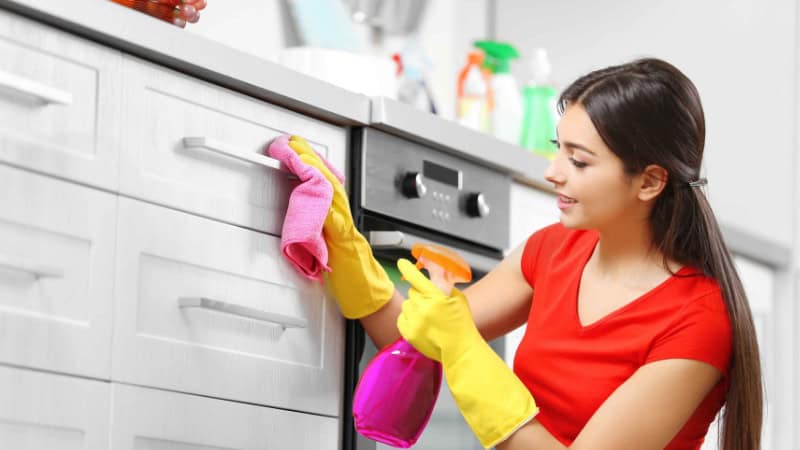
Wipe cabinet doors and handles every day. This removes grease, dust, and food splashes quickly.
Use a soft cloth and mild cleaner. Avoid harsh chemicals that can damage the finish.
- Use a damp microfiber cloth
- Wipe handles and edges carefully
- Dry with a clean cloth to prevent water marks
Weekly Deep Clean
Once a week, clean inside the cabinets. Remove all items and dust the shelves well.
Use warm soapy water to scrub the interior. Dry completely before putting items back inside.
- Empty all cabinets
- Vacuum or dust shelf corners
- Wipe shelves with mild soap and water
- Dry shelves with a clean towel
- Replace items neatly and check for expired food

Credit: clean2shine.in
Organizing Cabinets For Better Hygiene
Keeping kitchen cabinets tidy helps maintain good hygiene. A clean and organized space stops germs from spreading.
Organizing your cabinets makes it easier to find items. It also keeps food safe and fresh for longer.
Effective Storage Solutions
Use containers that seal tightly to keep food safe from dust and bugs. Clear containers help you see what is inside.
Install racks or pull-out drawers to avoid stacking items too closely. This allows air to flow and keeps items dry.
- Use airtight containers for dry goods
- Add shelf liners to protect cabinet surfaces
- Use pull-out shelves for easy cleaning
- Keep heavy items on lower shelves
Labeling And Categorizing
Label containers with names and expiration dates. This helps you use older items first and avoid waste.
Group similar items together to keep the cabinet neat. This reduces clutter and makes cleaning easier.
- Label jars, cans, and boxes clearly
- Sort spices, baking ingredients, and snacks separately
- Keep cleaning supplies away from food items
- Use baskets or bins for small items
Dealing With Spills And Stains
Kitchen cabinets often get dirty from spills and stains. Keeping them clean helps stop germs and keeps your kitchen fresh.
Acting fast and using the right cleaning methods protect your cabinets from damage. This guide shows you what to do.
Immediate Action Steps
Clean spills quickly to avoid stains and sticky spots. Use a soft cloth or paper towel to blot liquids gently.
Avoid rubbing hard because it can spread the spill or damage the cabinet surface. Always clean from the edges toward the center.
- Blot the spill immediately with a clean cloth
- Use a damp cloth to wipe the area
- Dry the surface to prevent water damage
- Check for any leftover residue or stains
Stain Removal Techniques
Different stains need different cleaning methods. Use mild cleaners to protect cabinet finishes and avoid harsh chemicals.
For greasy stains, a mix of warm water and dish soap works well. For tougher stains, try a baking soda paste carefully.
- Grease: Clean with warm soapy water and a soft cloth
- Sticky residue: Use vinegar diluted with water
- Dark stains: Apply a baking soda paste and wipe gently
- Ink or dye: Use rubbing alcohol on a cloth, test first
- Always rinse and dry the area after cleaning
Preventing Pests And Insects
Keeping kitchen cabinets clean helps stop pests and insects. These unwanted guests can spread germs and damage food.
Regular cleaning and smart habits reduce the chances of pests invading your kitchen space.
Sealing Cracks And Openings
Small cracks and gaps in cabinets let pests enter and hide. Seal these openings to block their path.
Use caulk or weather stripping to close gaps around cabinet edges and corners. Check behind appliances too.
- Inspect cabinets regularly for holes or cracks
- Fill gaps with silicone or acrylic caulk
- Use foam sealant for larger openings
- Replace damaged cabinet parts promptly
Natural Deterrents
Certain natural items keep pests away without chemicals. Use these to protect your kitchen cabinets.
Herbs, essential oils, and other natural products repel insects and make your cabinets smell fresh.
- Place bay leaves or cloves inside cabinets
- Use cotton balls soaked in peppermint or eucalyptus oil
- Keep small containers of vinegar nearby to deter ants
- Sprinkle diatomaceous earth in corners for crawling insects
Ventilation And Humidity Control
Keeping kitchen cabinets clean needs good air flow and low moisture. These stop mold and bad smells.
Good ventilation and controlling humidity help keep your kitchen fresh and safe for food.
Air Circulation Tips
Air must move well inside and around your cabinets. This stops damp spots and mold growth.
Keep cabinet doors open sometimes to let air in. Use vents or small fans if needed.
- Open doors after cooking to release steam
- Install small vents on cabinet doors or walls
- Avoid overfilling cabinets to allow air space
- Use fans to move air in closed kitchens
Using Dehumidifiers
Dehumidifiers remove extra moisture from the air. This stops dampness inside cabinets.
Use a small dehumidifier near your kitchen if humidity is high. It keeps cabinets dry and clean.
- Choose compact models for small spaces
- Empty the water tank regularly
- Keep the dehumidifier running during wet seasons
- Check humidity levels with a hygrometer
Credit: modern-maids.com
Safety Precautions
Keeping kitchen cabinets clean helps stop germs and bad smells. Safety is very important while cleaning.
Using safe methods keeps you and your family healthy. Follow rules to avoid accidents and harm.
Avoiding Toxic Cleaners
Some cleaners have strong chemicals that can hurt your skin or lungs. Choose natural or mild cleaners instead.
Read labels carefully. Avoid products with bleach, ammonia, or other harsh ingredients.
- Use vinegar and water for a safe cleaner
- Wear gloves to protect your hands
- Keep cleaners out of reach of children
- Open windows for fresh air during cleaning
Proper Use Of Tools And Equipment
Use the right tools to clean kitchen cabinets safely. This helps avoid damage and injury.
Use soft cloths, gentle brushes, and non-abrasive sponges to clean surfaces. Avoid sharp tools.
- Check tools for damage before use
- Do not use metal scrapers on wood or painted surfaces
- Store tools safely after cleaning
- Use ladders or stools carefully to reach high cabinets
Frequently Asked Questions
How Often Should I Clean Kitchen Cabinets?
Clean kitchen cabinets at least once a month. Wipe surfaces with a mild detergent and warm water. Regular cleaning prevents grease buildup and bacteria growth, keeping cabinets hygienic and fresh.
What Is The Best Cleaner For Kitchen Cabinets?
Use a gentle, non-abrasive cleaner for kitchen cabinets. Mild soap mixed with warm water is ideal. Avoid harsh chemicals that can damage finishes and surfaces while ensuring effective grease and dirt removal.
How To Prevent Mold In Kitchen Cabinets?
Keep cabinets dry and well-ventilated to prevent mold. Wipe spills immediately and use moisture absorbers or dehumidifiers if needed. Regular cleaning helps stop mold spores from developing inside cabinets.
Can I Use Vinegar To Clean Kitchen Cabinets?
Yes, diluted vinegar is effective for cleaning kitchen cabinets. Mix equal parts vinegar and water for a natural, safe cleaner. It removes grease and kills bacteria without harming cabinet finishes.
Conclusion
Keeping kitchen cabinets clean protects your food and health. Regularly wipe shelves and remove crumbs to stop pests. Use mild cleaners to avoid damage and bad smells. Organize items so air flows freely inside cabinets. Check for leaks or mold often to fix problems fast.
Small daily habits make a big difference over time. Clean cabinets help your kitchen feel fresh and safe. Stay consistent, and your kitchen will stay hygienic and neat. Simple steps lead to a healthier cooking space every day.