
Have you ever wondered if the way you thaw your food is truly safe? Thawing might seem simple, but a small mistake can lead to harmful bacteria growing on your meals.
If you want to protect your health and enjoy delicious dishes every time, knowing the right tips for safe food thawing is a must. Keep reading, and you’ll discover easy steps that save your food from spoilage and keep your family safe.
Your kitchen routine is about to get safer and smarter!

Credit: www.youtube.com
Refrigerator Thawing
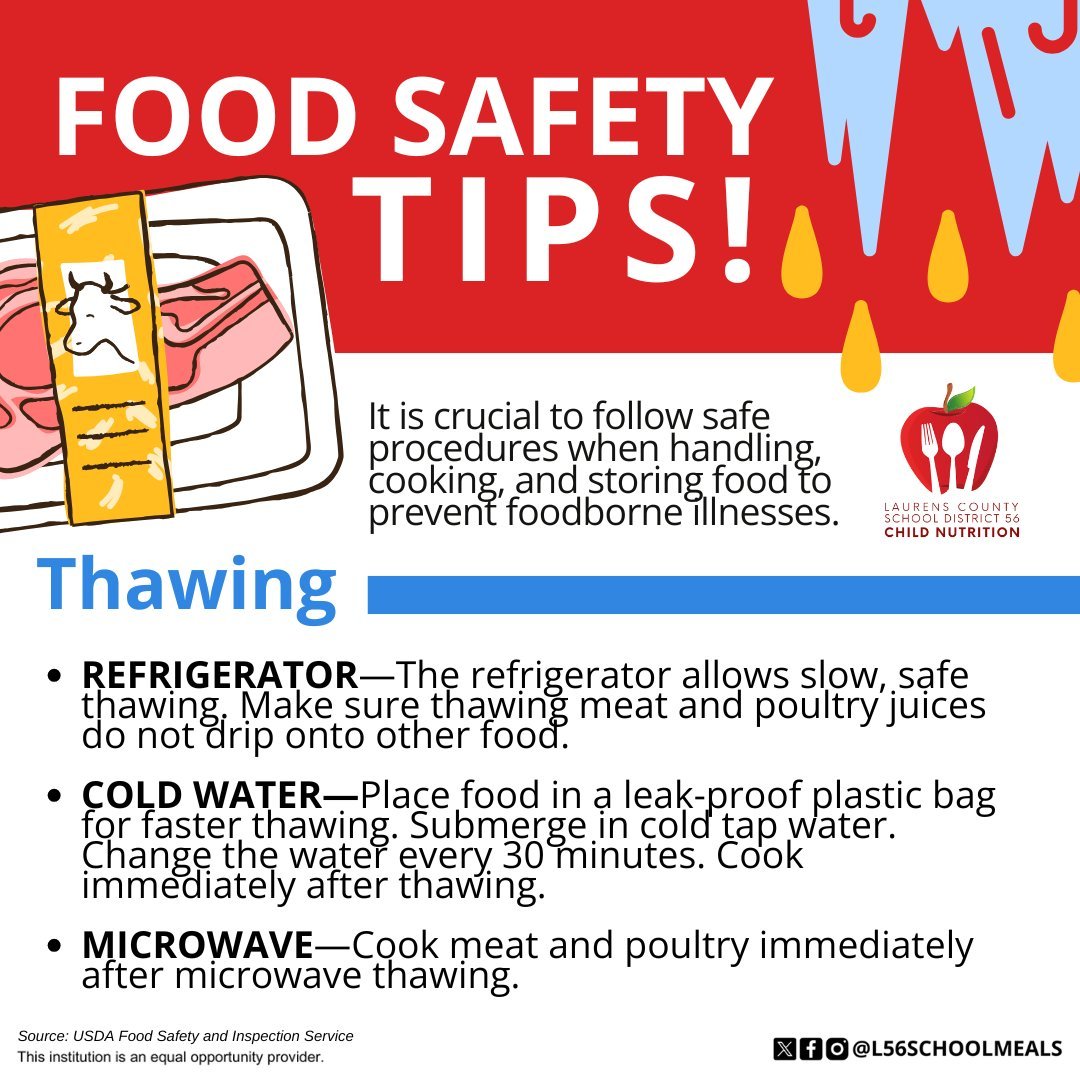
Refrigerator thawing is a safe way to defrost food. It keeps food at a cool, safe temperature.
This method takes longer but helps avoid bacteria growth. It is best for meats, poultry, and frozen meals.
Benefits Of Slow Thawing
Slow thawing in the fridge keeps food safe from harmful bacteria. It stops food from entering the danger zone.
It also keeps the food texture better. Meat stays juicy and does not dry out as fast.
- Prevents bacteria growth
- Maintains food texture
- Reduces risk of foodborne illness
- Allows even thawing
Ideal Temperature Settings
The refrigerator temperature should be set below 40°F (4°C). This keeps food in a safe zone during thawing.
Check your fridge thermometer often. Keeping the fridge cold slows bacteria and keeps food fresh.
- Set fridge to 40°F (4°C) or lower
- Use a fridge thermometer to monitor
- Keep thawing food on the bottom shelf
- Place food in a container to catch drips
Cold Water Thawing
Cold water thawing is a quick way to defrost frozen food safely. It uses cold water to speed up thawing without letting food get too warm.
This method works well for small packages of meat, poultry, or fish. It keeps the food safe and ready to cook.
Steps For Effective Thawing
First, put the frozen food in a leak-proof plastic bag. This stops water from touching the food and keeps it clean.
Next, submerge the bag in cold tap water. Change the water every 30 minutes to keep it cold.
- Place food in a sealed plastic bag
- Submerge in cold tap water
- Change water every 30 minutes
- Cook food immediately after thawing
Importance Of Water Temperature
Cold water must stay below 70°F (21°C) to keep food safe. Warm water lets bacteria grow and may cause food poisoning.
Changing water often stops it from warming up. This keeps the food at a safe temperature while it thaws.
- Water should be cold, under 70°F (21°C)
- Change water every 30 minutes
- Keep food sealed to avoid contamination
- Do not use warm or hot water
Microwave Thawing
Microwave thawing is a fast way to defrost food. It uses microwave energy to heat food quickly.
This method is helpful when you need food ready soon. But you must use it carefully to keep food safe.
Choosing The Right Settings
Use the microwave’s defrost setting to thaw food gently. This setting uses less power than cooking.
Set the time based on the weight of the food. Check the food often to avoid cooking edges.
- Use low power or defrost mode
- Set time according to food weight
- Turn or stir food during thawing
- Stop thawing if parts start to cook
Immediate Cooking After Thawing
Cook food right after microwave thawing. Some parts may start to cook during thawing.
Cooking immediately stops bacteria from growing. Do not leave food standing after thawing.
- Prepare to cook before thawing
- Use a timer to avoid delays
- Cook food completely to safe temperatures
- Do not refreeze thawed food without cooking
Avoiding Room Temperature Thawing
Thawing food at room temperature can cause harmful bacteria to grow. It is unsafe and can lead to food poisoning.
It is important to use safe thawing methods to keep food safe to eat. Learn why room temperature thawing is risky and better options to try.
Risks Of Bacterial Growth
When food sits out at room temperature, bacteria can multiply quickly. This can make the food unsafe to eat.
Danger zones for bacteria growth are between 40°F and 140°F (4°C and 60°C). Thawing food here gives bacteria a chance to grow.
- Bacteria can double every 20 minutes in warm temperatures.
- Some bacteria cause food poisoning with mild to severe symptoms.
- Freezing stops bacteria but does not kill them; thawing can reactivate them.
Safer Alternatives
There are safer ways to thaw food that keep bacteria from growing. These methods keep food in a safe temperature range.
Use these options to thaw food safely and reduce the risk of illness.
- Thaw food in the refrigerator. This keeps food below 40°F (4°C).
- Use cold water thawing. Put food in a sealed bag and submerge in cold water. Change water every 30 minutes.
- Microwave thawing works for small items. Cook food immediately after thawing.
Planning Ahead
Thawing food safely takes time and planning. It helps keep food fresh and reduces the risk of illness.
Start your meal plans early. This way, you can allow enough time for safe thawing.
Meal Preparation Tips
Plan meals that fit the thawing time of your food. Some foods need more time than others to thaw.
Choose recipes that use ingredients you can thaw safely in the time you have.
- Pick smaller cuts of meat to reduce thawing time
- Use frozen vegetables when you are short on time
- Prepare meals that can cook directly from frozen if needed
- Make sure to check the thawing instructions on packaging
Scheduling Thawing Time
Set a clear schedule for thawing food before cooking. This helps avoid last-minute rushes.
Use the refrigerator or cold water thawing methods. Both require time to work safely.
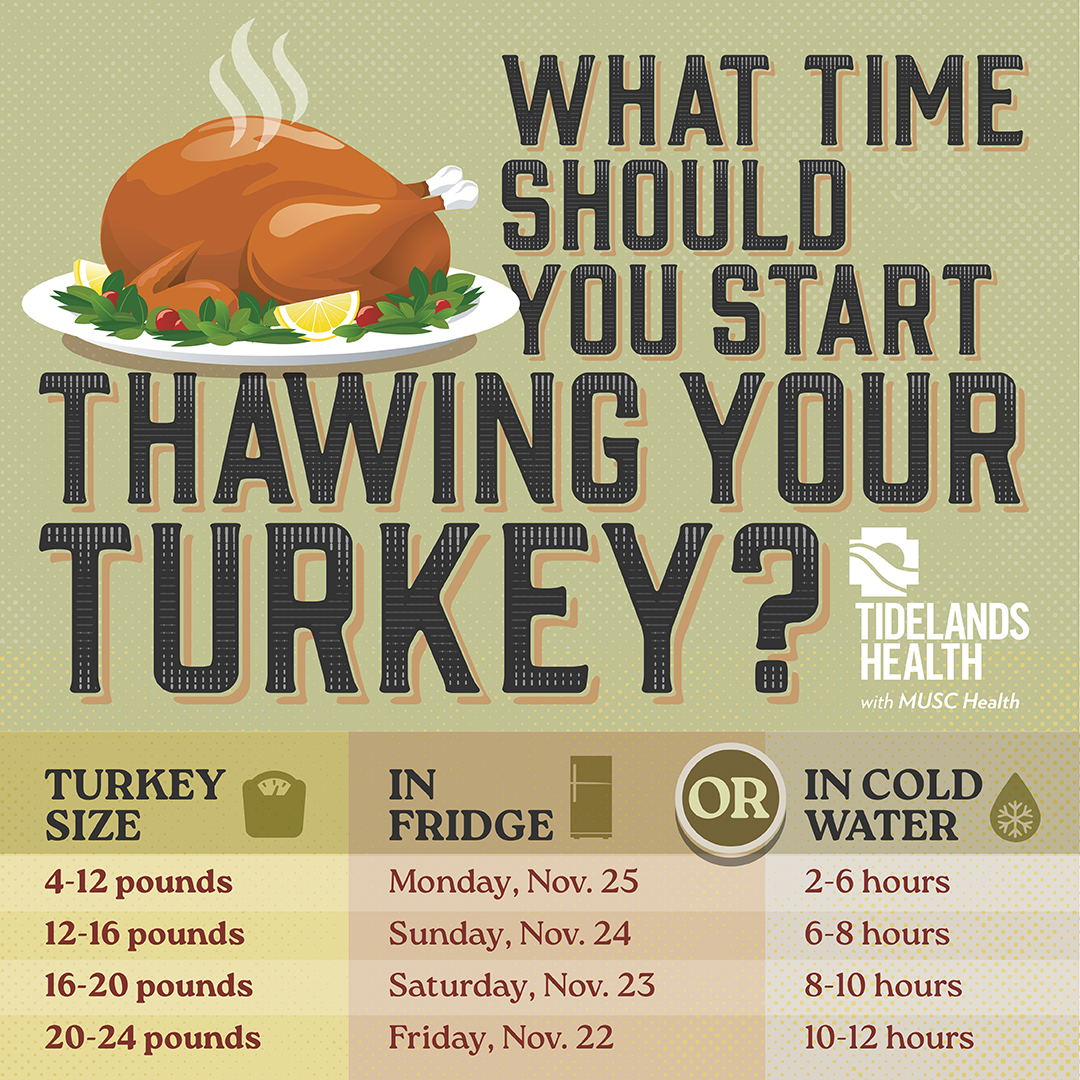
- Refrigerator thawing: Allow 24 hours for every 5 pounds of food
- Cold water thawing: Change water every 30 minutes
- Plan to start thawing the night before cooking
- Keep food in sealed containers to avoid contamination
Credit: www.mycarolinalife.com
Understanding Safe Thawing Practices
Thawing food safely is important to stop harmful bacteria from growing. Safe thawing helps keep food fresh and healthy.
There are different ways to thaw food. Knowing the right way can prevent food poisoning and waste.
Common Mistakes To Avoid
One common mistake is leaving food out on the counter to thaw. This can let bacteria grow quickly.
Another mistake is thawing food in hot water. This can cause the outer parts to get warm while the inside stays frozen.
- Never thaw food at room temperature
- Avoid hot water thawing
- Do not refreeze food that is fully thawed
Key Safety Guidelines
Thaw food in the refrigerator. This keeps it at a safe, cool temperature.
You can also thaw food in cold water. Change the water every 30 minutes to keep it cold.
- Use the refrigerator for slow, safe thawing
- Use cold water in a sealed bag for faster thawing
- Microwave thawing is okay if cooked right after
- Cook food immediately after thawing with cold water or microwave
Tools For Safe Thawing
Thawing food safely is important to avoid sickness. Using the right tools helps keep food safe and fresh.
This guide talks about two helpful tools for safe thawing. These tools make sure food stays at the right temperature.
Using Thermometers
Thermometers show the exact temperature of your food. This helps you know when food is fully thawed and safe to cook.
Check the temperature often to avoid food staying too long in unsafe zones. Keep food below 40°F during thawing to prevent germs.
- Use a digital or dial thermometer
- Insert thermometer into the thickest part of the food
- Clean thermometer before and after use
- Do not guess thawing times; rely on temperature readings
Specialized Thawing Equipment
Some tools are made specifically to thaw food safely. These can speed up thawing and keep food safe.
Equipment like thawing trays and microwave defrosters help control temperature and speed. They reduce the chance of bacteria growth.
- Thawing trays conduct heat to thaw food faster
- Microwave defrosters use low power to thaw evenly
- Cold water thawing containers keep food sealed and submerged
- Always follow instructions for these tools to avoid unsafe thawing
Credit: www.fooddocs.com
Frequently Asked Questions
What Is The Safest Method To Thaw Frozen Food?
The safest method to thaw food is in the refrigerator. This keeps the food at a safe temperature, preventing bacteria growth. Plan ahead, as it may take several hours or days depending on the food size.
Can I Thaw Food Using Cold Water Safely?
Yes, thawing in cold water is safe if done correctly. Use sealed packaging and change water every 30 minutes. This method is faster but requires more attention to avoid temperature risks.
Is It Safe To Thaw Food In The Microwave?
Thawing food in the microwave is safe if done properly. Use the defrost setting and cook immediately after thawing. Uneven heating can cause bacteria growth if food sits too long.
Why Should I Avoid Thawing Food At Room Temperature?
Thawing at room temperature promotes bacterial growth on the food’s surface. This increases the risk of foodborne illnesses. Always use refrigerator, cold water, or microwave methods to keep food safe.
Conclusion
Safe food thawing keeps your meals healthy and tasty. Always plan ahead to thaw food properly. Use the fridge, cold water, or microwave methods safely. Avoid leaving food out at room temperature. These tips help stop harmful bacteria from growing.
Remember, safe thawing protects your family from food illness. Simple steps make a big difference in food safety. Stay careful and enjoy your meals without worry. Safe thawing is easy and worth the effort.